
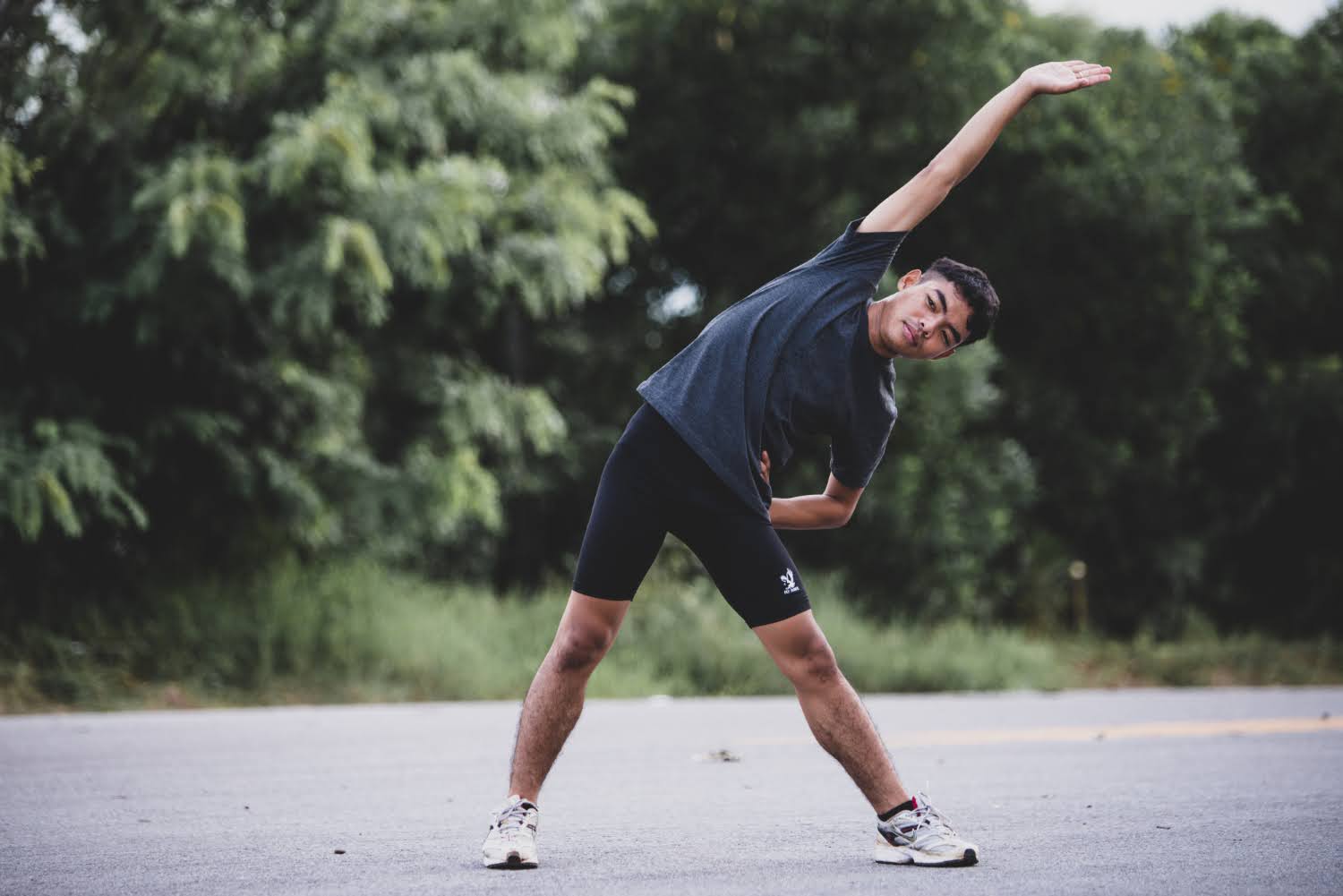
Swimming is a sport that demands far more than time in the water. To truly excel, swimmers need a combination of power, flexibility, endurance, and stability. This is where dryland training comes in. It is the work you do outside the pool to make your performance inside the pool stronger and more efficient.
By training on land, you build muscles, improve your range of motion, and reduce the chances of injuries. Dryland training also develops discipline and focus, helping you approach every practice and competition with confidence.
The Basics of Dryland Training
Dryland training refers to exercises performed outside the water to improve a swimmer’s overall fitness and performance. It covers a wide range of activities, from bodyweight strength training to yoga, resistance exercises, and cardiovascular workouts. The main goal is to strengthen the body in ways that swimming alone cannot.
Relying only on pool sessions leaves gaps in strength and balance. For example:
- Swimming builds endurance but does not always develop explosive power.
- Hours in the pool can strain the shoulders if other supporting muscles are weak.
- Without stretching and mobility work, swimmers often face stiffness.
When balanced correctly, dryland training makes a swimmer’s body stronger, more flexible, and better prepared for the demands of the sport.
How Dryland Training Improves Swimming Performance

Dryland workouts connect directly to improvements in the pool. Here is how they make a difference:
- Stronger Strokes: Building muscle strength on land makes each pull and kick in the water more powerful.
- Faster Starts and Turns: Explosive exercises prepare you to push off the blocks and walls with greater force.
- Better Breathing Control: Training endurance on land supports breathing patterns and even improves bilateral breathing during races.
- Improved Body Alignment: Core stability helps swimmers stay streamlined, reducing drag in the water.
- Reduced Risk of Injuries: Balanced workouts prevent common swimming injuries, especially in the shoulders and knees.
Core Elements of Dryland Training for Swimmers
Dryland training focuses on several key areas. Each one supports a different part of swimming performance.
Strength and Power
Strength training provides the muscle foundation needed for strong strokes. Without it, swimmers rely too heavily on technique alone, limiting progress. Exercises such as push-ups, squats, and pull-ups target major muscle groups and translate directly into more effective movements in the water.
In addition, power-based training builds explosiveness. Activities like jumps and quick sprints prepare swimmers for dynamic starts and sharp turns that can make or break a race.
Endurance and Conditioning
Cardio-focused dryland work boosts stamina. While swimming builds endurance, supplementing it with running, cycling, or skipping creates a more well-rounded base. This allows swimmers to sustain their speed over longer distances.
When you combine cardio conditioning with pool training, you not only swim longer but also recover faster between sets. This balance helps you answer questions like how often you should swim with confidence, since your body can handle both pool and land sessions.
Flexibility and Mobility
Flexibility keeps strokes smooth and reduces strain on joints. Swimmers with good mobility find it easier to reach full extension with every pull. Yoga and stretching are excellent for building this ability.
Mobility also protects swimmers from common overuse injuries. By working on flexibility outside the pool, you make swimming movements more natural and efficient.
Core Stability
The core is the centre of everything in swimming. It holds the body in position during strokes, flips, and turns. A strong core helps you stay streamlined, conserving energy and moving more efficiently.
Planks, twists, and medicine ball routines are excellent core exercises. With better core stability, even advanced techniques like the dolphin kick become more powerful and controlled.
Explosive Speed
Speed in swimming often comes from fast starts and strong finishes. Plyometric exercises, such as box jumps and jump squats, train your body to react quickly and with force.
This explosiveness translates into quicker takeoffs and more effective turns. Over time, swimmers notice shorter lap times and stronger finishes in races.
Dryland Training Exercises You Should Know
- Bodyweight Moves: Push-ups, pull-ups, and squats are simple yet powerful exercises. They build overall strength without needing special equipment.
- Resistance Training: Using resistance bands or weights increases intensity and helps target specific muscles that swimmers rely on during strokes.
- Cardio Workouts: Running, skipping, and cycling improve heart health and stamina. They complement swim training by building endurance outside the pool.
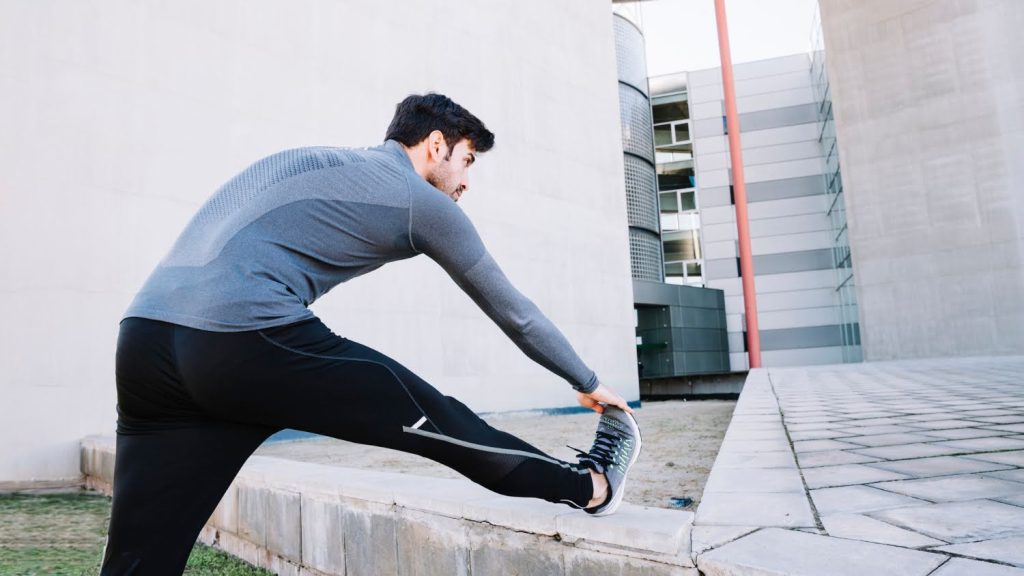
- Mobility Drills: Dynamic stretches and yoga poses keep muscles flexible and joints healthy. This reduces stiffness and supports better technique.
- Plyometrics: Exercises like burpees and jump squats develop quick, explosive power. They are excellent for improving starts and turns.
Building a Dryland Training Routine
Creating a balanced dryland routine helps swimmers see results without burning out.
- Start With Warm-Ups: Gentle stretches and light cardio prepare the body for exercise.
- Mix Strength And Cardio: Combine bodyweight exercises with cardio for all-around fitness.
- Include Core Workouts: Dedicate time to planks and twists for body alignment.
- Add Flexibility Training: Use stretching or yoga as cool down exercises to maintain mobility.
- Plan Rest Days: Recovery is just as important as training for long-term progress.
Mistakes That Hold Swimmers Back
Dryland training works best when done correctly. Here are common mistakes to avoid:
- Skipping Warm-Ups: Jumping into exercises cold increases the risk of injury.
- Overtraining: Too many sessions without recovery leaves muscles fatigued and weak.
- Neglecting Flexibility: Focusing only on strength leads to stiffness and poor range of motion.
- Poor Technique: Using improper form makes exercises less effective and more dangerous.
Sample Weekly Dryland Plan
- Day 1: Bodyweight moves (push-ups, squats, pull-ups) + core workout.
- Day 2: Cardio session (running or cycling) + mobility stretches.
- Day 3: Resistance training (bands or weights) + plyometrics.
- Day 4: Rest or light yoga session.
- Day 5: Mixed session of cardio, core, and bodyweight strength.
This plan is flexible and can be adapted based on your swimming schedule and fitness goals.
Conclusion On Dryland Training For Swimmers
Dryland training is the hidden key to better performance in the pool. It builds strength, boosts endurance, improves flexibility, and helps swimmers stay injury-free. More importantly, it connects directly to faster times, stronger strokes, and better overall confidence.
At Swimhub, we are passionate about helping swimmers achieve their full potential. If you want guidance or need help creating a dryland routine that works for you, get in touch with us today.
Contact us and let’s build a stronger, faster you both in and out of the pool.
Frequently Asked Questions About Dryland Training for Swimmers
Can Beginners Start Dryland Training Right Away?
Yes, beginners can start with simple exercises like squats, planks, and push-ups. These provide a strong base before progressing to harder routines.
Does Dryland Training Replace Pool Workouts?
No, dryland training supports but does not replace pool practice. A successful swim coach will always balance both for the best results.
Do I Need Special Equipment?
Not necessarily. Bodyweight exercises are enough to begin. Over time, bands or weights can be added for more resistance.
How Does Dryland Training Help With Water Skills?
It builds strength and balance that support pool techniques such as how to tread water, staying streamlined, and efficient turns.
Is Dryland Training Useful Outside Competition?
Yes, it benefits everyone, even those training for fitness or preparing to become a lifeguard. The strength and endurance gained apply both in and out of the pool.
