
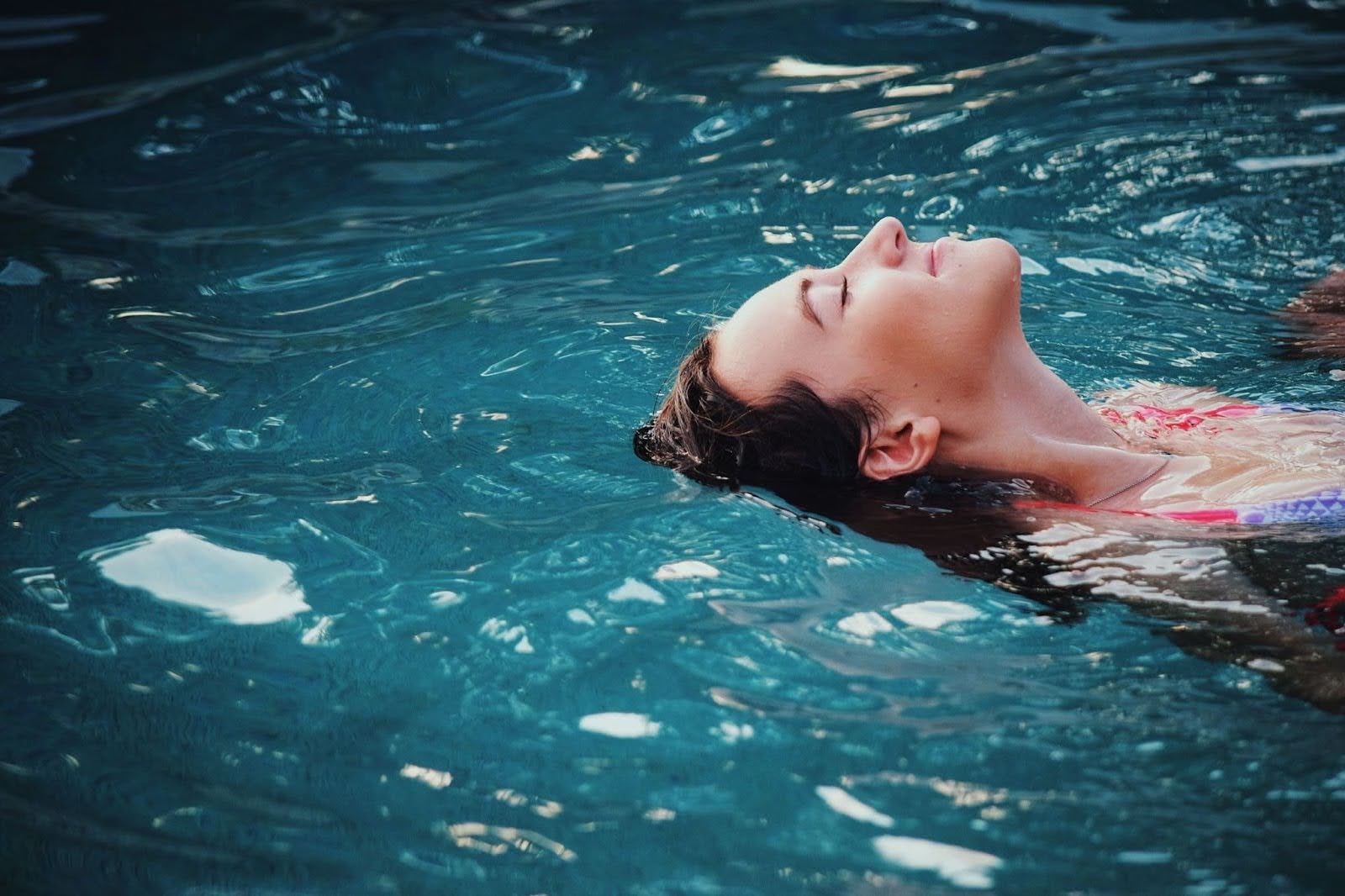
Getting enough sleep is one of the most crucial foundations for good health, yet many people struggle with restlessness, poor sleep quality, or waking up feeling tired. On the other hand, swimming is often praised not just as a great form of exercise but also as a way to relax and unwind.
But does swimming really improve sleep and nighttime recovery? Let’s take a closer look.
How Swimming Affects the Body
Swimming is a full-body workout that goes beyond just fitness. It activates your muscles, challenges your cardiovascular system, and gives your mind a chance to reset. The unique qualities of water add an element of calm that you don’t always get with land-based exercises. Here are some ways swimming affects the body:
- Engages multiple muscle groups: Swimming works your arms, legs, core, and back simultaneously, providing a balanced workout.
- Improves heart health: The aerobic activity increases blood flow and strengthens your heart, supporting overall cardiovascular health.
- Reduces stress: The rhythm of strokes combined with breathing helps lower cortisol, your stress hormone.
- Supports flexibility: Movements like reaching, kicking, and rotating in the water improve joint flexibility.
- Low-impact on joints: Water supports your body weight, reducing strain on bones and joints compared to running or other high-impact workouts.
- Boosts calorie burn: Swimming helps manage weight, which is closely tied to better sleep quality.
Swimming and Sleep Quality

The relationship between exercise and sleep has been well studied, and swimming stands out because it combines physical exertion with relaxation. It not only makes you physically tired but also calms your nervous system, preparing you for better rest.
Falling Asleep Faster
Many people find it difficult to switch off their minds at night. Swimming tires out your muscles, but it also releases endorphins that reduce anxiety. By the time you lie down, your body and mind are more ready to drift into sleep. Studies show that regular swimmers often experience shorter sleep latency, meaning they fall asleep quickly.
Another factor is the rhythmic breathing patterns in swimming. Practising techniques like bilateral breathing can help calm your heart rate and promote a meditative state, making it easier to relax once you’re in bed.
Deeper Sleep Stages
Deep sleep is the most restorative part of the sleep cycle, where your body repairs tissues and strengthens the immune system. Swimming helps you reach these stages more consistently. Because it challenges both your muscles and cardiovascular system, your body demands more recovery time.
This means swimmers often enjoy not just longer sleep but higher-quality sleep. When compared with activities like swimming vs cycling, swimming tends to encourage deeper rest because it’s less jarring on the body and promotes relaxation at the same time.
Cooling Effect of Water
Another unique advantage of swimming is how the water affects your body temperature. After a session, your core body temperature drops slightly, which mimics the natural cooling process your body undergoes when preparing to sleep.
This drop in temperature signals your brain that it is time to rest, which explains why an evening swim followed by easy cool-down exercises can prepare you for a night of deep, uninterrupted sleep.
Stress Relief for the Mind
Stress and anxiety are common reasons people toss and turn at night. Swimming has a soothing effect that goes beyond the physical. The repetitive motions and the sensation of floating can help quiet racing thoughts.
Being in water also reduces overstimulation from the outside world. Unlike other sports, there’s less noise and fewer distractions, allowing your mind to let go of daily stress. This calm state can set the stage for better sleep quality.
Swimming for Nighttime Recovery
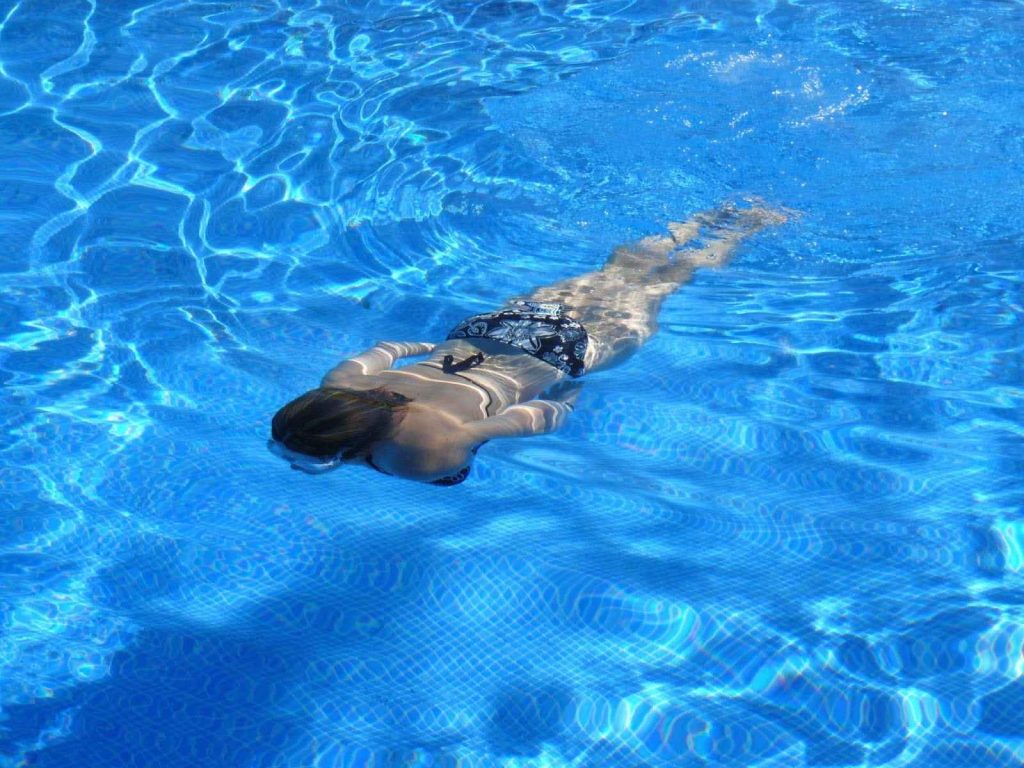
Recovery is just as important as the workout itself. Without proper recovery, your body cannot repair muscles or restore energy levels. Swimming supports recovery in ways that few other exercises can.
Muscle Repair and Growth
Swimming gently stretches your muscles while working them, which increases circulation without causing excessive strain. This supports the repair of microtears that occur during exercise.
For athletes or active individuals, incorporating swimming for recovery can be a smart strategy. It allows the body to heal while still engaging in movement.
Reduced Muscle Soreness
Have you ever noticed that a light swim after an intense workout leaves you feeling less sore the next day? Water pressure and buoyancy reduce the impact on sore muscles and joints.
The hydrostatic pressure from the water also helps flush out lactic acid and other byproducts of exercise, speeding up recovery and making you more comfortable at night.
Improved Blood Flow
Better circulation means your muscles receive more oxygen and nutrients. Swimming enhances blood flow throughout the body, helping tissues heal faster.
Good circulation also supports heart health and ensures that your body can recharge during rest. When your muscles recover well, your overall sleep quality naturally improves.
Calming the Nervous System
Swimming is often described as meditative because of the way you tread in water, focusing on your rhythm and breath. This repetitive pattern signals your nervous system to switch from a “fight or flight” mode to a “rest and digest” mode.
This calming effect not only reduces mental stress but also allows your body to shift more easily into recovery once you fall asleep.
Tips for Using Swimming to Sleep Better
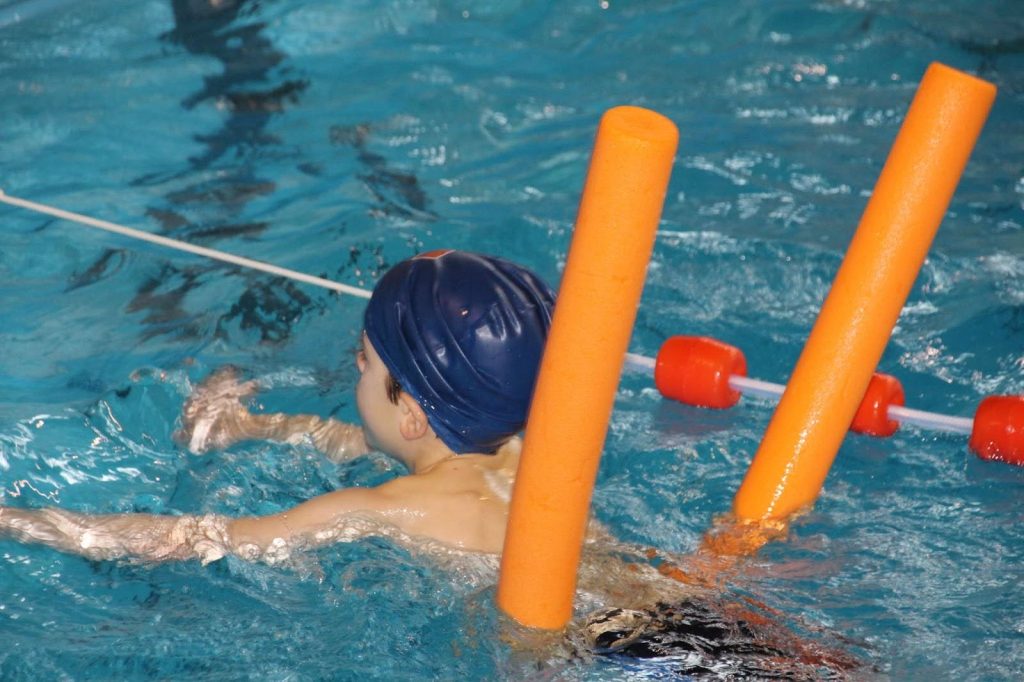
If you want to use swimming as a tool for better sleep and recovery, timing and technique matter. Here are some practical tips to maximise the benefits:
Swim at the right time: Aim for late afternoon or early evening so your body has time to cool down before bed.
- Keep it moderate: Avoid overtraining; a balanced session works best for sleep improvement.
- Try different strokes: Switching strokes keeps muscles engaged without overuse.
- Add relaxation drills: Short floating or gentle laps at the end can calm the mind.
- Pair with good sleep hygiene: Limit screens before bed, keep your room cool and dark.
- Combine with other habits: Stretching or meditation after swimming makes the transition to sleep smoother.
Conclusion on Does Swimming Improve Sleep
Swimming is more than just a workout. It’s a holistic activity that supports physical health, reduces stress, and promotes better sleep and recovery. By adding regular swims to your lifestyle, you can improve not only your nighttime rest but also your overall well-being.
At Swimhub, I’ve seen firsthand how swimming transforms routines and health. If you want to explore how swimming can help you, get in touch with us at Swimhub.
Contact us today, and let’s make swimming a part of your path to better sleep and recovery.
Frequently Asked Questions on Does Swimming Improve Sleep
How Often Should I Swim To See Sleep Benefits?
Swimming 2 to 3 times a week is usually enough to notice improvements in sleep quality and recovery.
Is Evening The Best Time To Swim For Better Sleep?
Yes, but not too close to bedtime. Early evening gives your body time to cool down and relax.
Can Swimming Replace Other Workouts For Sleep Improvement?
It can, but variety helps. Pair swimming with light strength or stretching for a balanced routine.
Do I Need To Swim Intensely To Get Results?
No, moderate sessions are enough. Overtraining may have the opposite effect and make sleep harder.
Is Swimming Better Than Other Exercises For Sleep?
For many people, yes. Because it is low-impact and calming, swimming is often more effective than high-intensity workouts for promoting restful sleep.
