

Treading water is one of the most important skills any swimmer can learn. It doesn’t matter if you are brand new to the pool or someone who swims regularly; being able to stay afloat without moving forward gives you confidence, safety, and control in the water. For many, it’s the bridge between learning the basics and mastering advanced techniques.
Think about it… You could be waiting for your turn at the pool wall, enjoying a game with friends, or in a real-life situation where staying calm in the water is vital. Treading water allows you to keep your head above the surface without tiring too quickly. But the good news is, this is not a complicated skill to master. With the right techniques and practice, anyone can learn how to tread water and improve their overall swimming ability.
Let’s break it down step by step and also explore ways to build stronger swimming skills along the way.
1. Why Treading Water Matters
Many people underestimate the importance of treading water. Some even skip it when focusing only on strokes. But here’s why it matters:
- Safety: If you ever get tired mid-swim, treading water buys you time to recover without panicking.
- Endurance: It teaches you how to use energy wisely. You learn how to stay afloat without wasting effort.
- Confidence: Swimmers who can tread water feel more relaxed in deeper pools and open water.
- Foundation for skills: It builds body awareness, balance, and rhythm, which help with every other stroke.
Simply put, once you master this skill, you’ll feel more comfortable in almost any water environment.
2. Getting Your Body Position Right
Before you even think about moving your arms or legs, get your body position correct. Keep your head upright and your eyes forward. Your chest should be slightly lifted and your back straight. Imagine you are sitting in a chair, but the chair is invisible beneath you in the water.
Don’t fight the water by forcing your body to stay too high. The trick is balance. Your shoulders should be relaxed and just above the surface, while the rest of your body naturally sinks to a comfortable level.
Think of it this way… the calmer and more relaxed you are, the easier it becomes to float and move rhythmically.
3. The Leg Movements
Your legs are the main drivers when treading water. There are two popular techniques: the scissor kick and the eggbeater kick.
- Scissor Kick: Extend one leg forward and the other backwards, then switch. It’s simple, but it can become tiring after a while.
- Eggbeater Kick: This is the gold standard for treading water. Move each leg in a circular motion, alternating them like two gears in motion. One leg circles outward while the other moves inward. This continuous motion keeps you stable and balanced.
When learning how to kick properly, take your time. Don’t rush. Start slow so you can feel how the water pushes back against your legs. Once you’re confident, increase the pace. The more efficient your kick, the longer you’ll be able to tread water without exhausting yourself.
4. The Role of the Arms
Your arms aren’t doing the heavy lifting here, but they still play a key role. Keep them out to the side and use gentle sweeping movements, like small circles. Imagine you’re pushing the water down and out. This helps keep your upper body steady and your head above water.
Avoid big, frantic arm movements. They’ll only tire you out. Think smooth and controlled. Your arms are simply there to assist your legs, not replace them.
5. Breathing and Relaxation
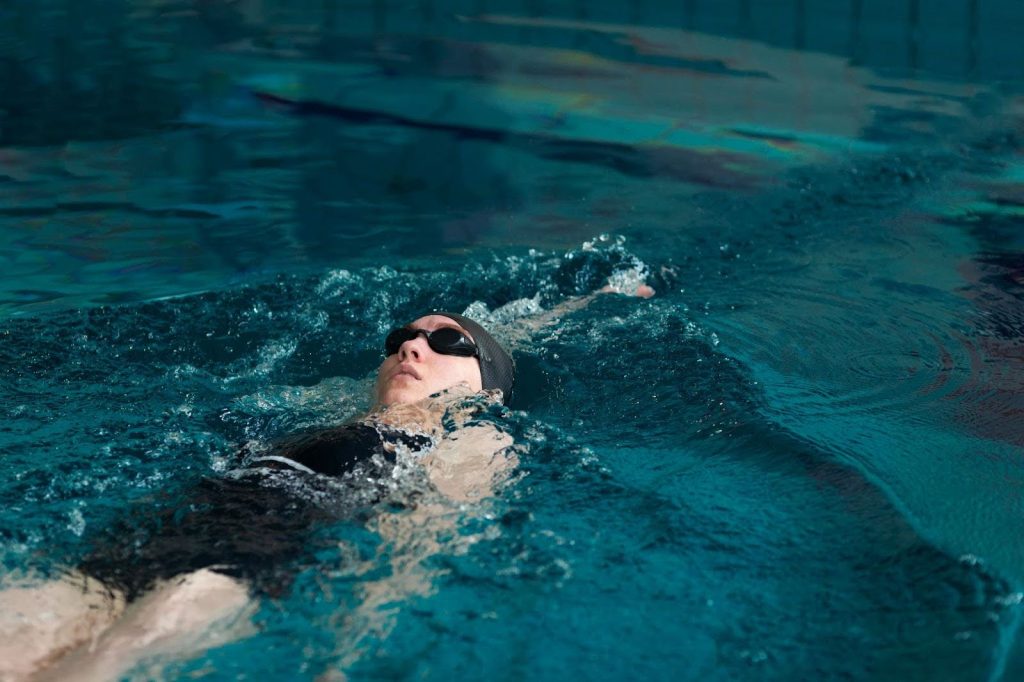
One of the most overlooked parts of treading water is breathing. Swimmers often hold their breath or breathe too quickly, which only creates tension. Instead, focus on calm, steady breathing. Inhale through your mouth and exhale gently into the air.
The more relaxed you are, the easier it will feel. Panic and tension are your biggest enemies in the water. Remember, your body naturally floats. You’re simply guiding it to stay upright.
6. Building Endurance While Treading Water
It’s one thing to stay afloat for 30 seconds, but another to do it for several minutes. Building endurance takes practice. Start small and gradually increase the time you spend treading. Set goals for yourself… one minute, three minutes, five minutes.
To increase stamina, you can also incorporate drills during your swim sessions. Alternate between swimming a lap and treading water for 30 seconds, then repeat. This combination not only strengthens your muscles but also teaches your body how to recover while staying afloat.
7. Using Equipment for Support
When you’re learning, don’t hesitate to use equipment. Kickboards, pool noodles, or even nose clips for swimming can help you focus on technique without worrying too much about staying up. As your confidence grows, gradually remove the aids until you’re comfortable treading on your own.
Equipment is not a crutch… It’s a tool to help you master the fundamentals before moving to more advanced levels.
8. Taking It to the Next Level
Once you’re confident with basic treading, you can challenge yourself with variations. Try holding your arms above your head for short periods, or keep your hands out of the water altogether. This builds strength and balance.
You can also combine skills, like practising the combat side stroke after treading for a set time. This mirrors real-life situations where you may need to switch between floating, treading, and moving forward efficiently.
9. Improving Overall Swimming Skills
Learning how to tread water is just one piece of the puzzle. To truly improve as a swimmer, work on all aspects of your technique. Here are a few key tips:
- Strengthen your kicks: A strong, efficient kick supports every stroke you swim.
- Work on breathing rhythm: Whether in freestyle or breaststroke, smooth breathing keeps you relaxed.
- Try different strokes: Variety keeps your muscles balanced. It also makes you more versatile in the water.
- Study the greats: Watch how the world’s fastest swimmer uses perfect body alignment and technique to cut through the water. There’s always something to learn from professionals.
Improvement doesn’t come overnight. Consistent practice, patience, and attention to detail are what will take you forward.
10. Common Mistakes to Avoid
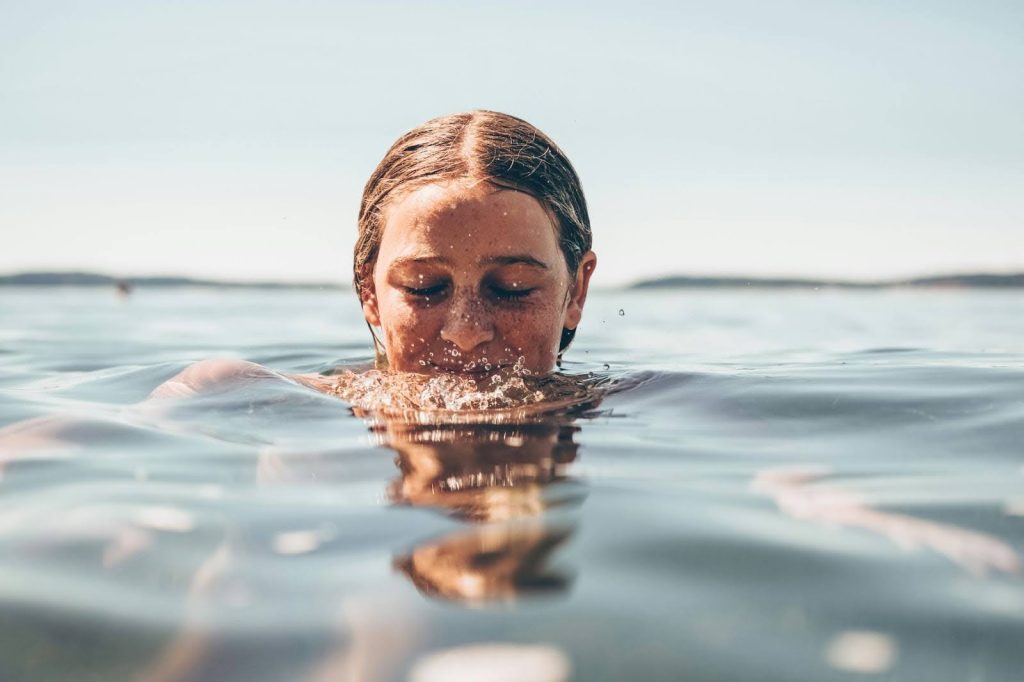
As you practise, be mindful of some common errors swimmers make when treading water:
- Splashing too much: This wastes energy and makes you sink faster.
- Overusing the arms: Legs should do most of the work.
- Panicking: Staying calm is half the battle.
- Poor posture: Leaning too far forward or backwards makes balancing harder.
Correcting these mistakes early will save you frustration later.
Conclusion on How to Tread Water
Treading water is more than just a survival technique. It’s a skill that builds confidence, safety, and efficiency in the water. By practising body control, improving your kicks, and focusing on relaxation, you’ll be able to stay afloat with ease and develop stronger overall swimming ability. With consistency and patience, treading water will soon feel natural and effortless.
If you’re looking for quality swimming gear to support your training, check out Swimhub. From training aids to essential equipment, Swimhub provides everything you need to make your sessions smoother and more enjoyable.
Get in touch with us and take your swimming to the next level.
Frequently Asked Questions About How to Tread Water
How long does it take to learn how to tread water?
Most people can pick up the basics within a few practice sessions, but becoming comfortable and efficient may take a few weeks of regular training.
What is the best kick to use when treading water?
The eggbeater kick is the most efficient because it provides continuous support without tiring you too quickly, but scissor kicks also work for beginners.
Can treading water help me become a better swimmer?
Yes. It strengthens your core and legs, improves your balance, and builds endurance, which all transfer to other strokes.
How do I stay calm while treading water?
Focus on slow, steady breathing and controlled movements. The more relaxed you are, the easier it is to stay afloat without panicking.
Is treading water useful outside the pool?
Absolutely. In open water situations, treading water is a life-saving skill that allows you to conserve energy while staying safe until help arrives.
