
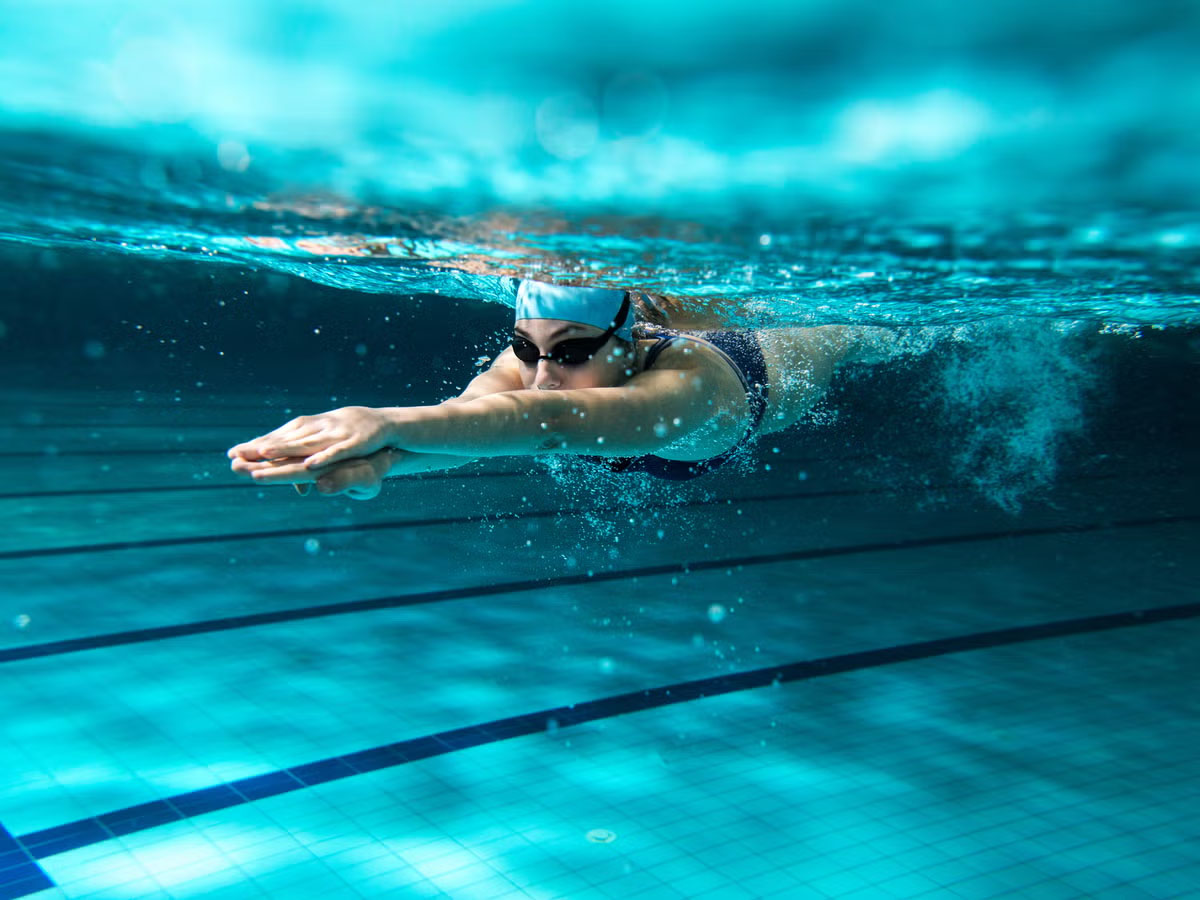
Ever finish a tough workout and feel like your body is begging for a break, but you still want to stay active? Or maybe you’re recovering from an injury and wondering what you can do without making things worse? Good news: you don’t have to just sit on the couch and wait to heal. There’s a recovery method that’s gentle, effective, and surprisingly refreshing- swimming.
Yes, jumping in the pool isn’t just for cardio or cooling off on a hot day. Swimming can help your body recover faster, reduce soreness, and even boost your mood.
Let’s explore how swimming supports healing and muscle repair, understand why it works, and discover how you can utilise it to feel better, move more effectively, and recover more efficiently.
How Swimming Supports Recovery
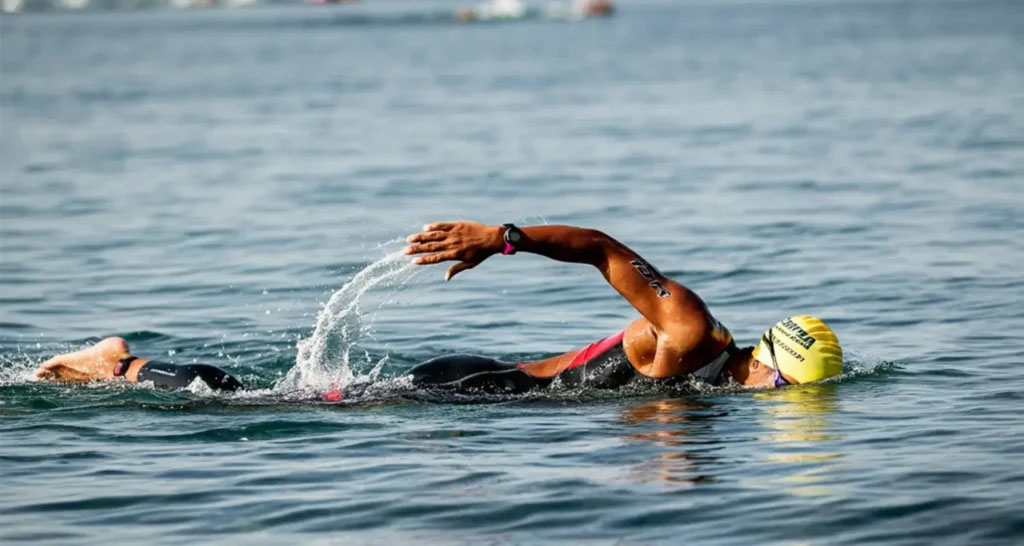
Here’s how getting in the water can help you bounce back faster and feel better:
1. Easy on Your Joints
One of the best things about swimming is that it’s low-impact. The water supports your body, which takes pressure off your joints, muscles, and bones. That makes it a perfect option if you’re sore from a tough workout or dealing with nagging pain in your knees, hips, or back. You can move freely without the pounding that comes with running or jumping.
2. Boosts Blood Flow
Swimming gets your blood pumping, and that’s a good thing when you’re trying to recover. Increased circulation means more oxygen and nutrients are delivered to your muscles, which helps them repair and rebuild.
At the same time, it helps flush out waste products like lactic acid that can make you feel stiff or sore.
3. Helps Reduce Inflammation
Moving in water has a calming, massaging effect on the body. Combine that with the gentle pressure of the water around you, and you’ve got a natural way to reduce inflammation. This is especially helpful if you’re feeling swollen or achy after a workout or injury.
4. Relaxes Your Muscles
Warm water and gentle movement can do wonders for tight, overworked muscles. Swimming helps them loosen up and stretch out without any strain. Even light paddling or floating can relax your body, ease tension, and help you feel more comfortable.
5. Calms Your Mind Too
Recovery isn’t just physical; your mind needs a break, too. Swimming has a meditative, calming quality to it. The rhythm of your strokes, the sound of the water, and the feeling of floating can all help reduce stress and clear your head. That mental reset is just as important as physical healing.
Why Recovery Matters
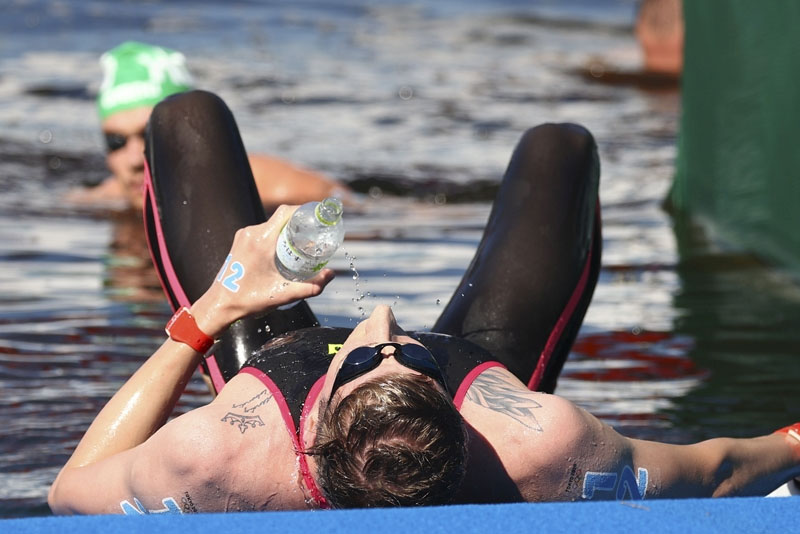
Let’s be honest, it’s easy to brush off recovery.
After a workout, most of us focus on what’s next, not on giving our body the downtime it needs. But recovery isn’t just about kicking back and doing nothing. It’s one of the most important parts of getting stronger, feeling better, and staying injury-free.
When you exercise, your muscles go through tiny amounts of stress. That’s normal and even necessary. Small tears happen in the muscle fibers, and your body responds by repairing and rebuilding them. That’s how you get stronger. But if you don’t give your body time to do this, the wear and tear add up. You start to feel sore all the time, your energy dips, and your risk of injury goes way up.
Recovery swim workouts give your body the time and space to repair, recharge, and come back even better. It helps you stay consistent, avoid burnout, and feel more energized during workouts and everyday life.
So even though it might feel like you’re not doing much, taking time to recover is one of the smartest things you can do for your body and your progress.
When To Use Swimming For Recovery
Here are a few moments when swimming can be the perfect tool to help your body heal and stay in balance.
1. After An Intense Workout
If you’ve just crushed a tough workout- heavy weights, a long run, or a high-intensity session, your muscles are probably feeling the burn.
Swimming the day after, or even later the same day, can help reduce soreness and stiffness. Keep it light and easy. Do slow laps or even walk through the water. Remember it’s about moving, not pushing.
2. On Active Recovery Days
Not every day needs to be a gym day. Some days are better spent moving gently to help your body recover. Swimming is perfect for active recovery days because it gets your body moving without stressing it out. You’ll boost circulation, loosen up tight muscles, and feel more refreshed.
3. While Healing from Minor Injuries
Got a tweak in your knee or a tight lower back? Swimming is a safe way to stay active without making things worse. The water takes pressure off sore spots and lets you move in ways that might be uncomfortable on land.
Just keep an eye out for overuse issues like swimmer’s shoulders, which can happen with repetitive strokes. And make sure to check with a healthcare provider first, especially if it’s more than a minor injury.
4. When You’re Feeling Mentally Burned Out
Sometimes your body feels fine, but your mind is overloaded. Stress can wear you down just like physical strain. Swimming is a great way to reset mentally. The calming rhythm of the water, the quiet, and the break from screens or noise can help you recharge and feel more balanced.
Tips For Safe And Effective Recovery Swimming

Follow these tips to keep things safe, smooth, and effective:
- Keep it slow and easy: This isn’t the time to go all-out. Swim at a relaxed pace or try water walking, light strokes, or floating. Your goal is to move gently and let your body loosen up, not to get out of breath or push limits.
- Stick to gentle strokes: Breaststroke and backstroke are great for recovery because they’re smooth and easy on the body. Avoid strokes that put stress on the shoulders (like butterfly) unless you’re experienced and pain-free.
- Watch the water temperature: A warm pool (not hot) can help relax muscles and ease soreness. Cold water might feel refreshing, but it can sometimes make muscles tighten up more, especially if you’re already stiff or tired.
- Listen to your body: If anything feels painful or uncomfortable, take a break or stop altogether. Swimming should feel good, not forced. You can always float, stretch in the shallow end, or switch to a different movement. Practicing breathing techniques can also help you stay relaxed and make your strokes more efficient.
Common Mistakes To Avoid
Watch out for these things so your time in the pool helps your body bounce back:
- Treating it like a workout: It’s tempting to push yourself, especially if you’re used to training hard. But recovery swims should feel relaxing, not exhausting. If you’re breathing heavily or racing laps, you’re probably doing too much.
- Skipping a proper warm-up: Even though recovery swimming is gentle, jumping straight into the water without warming up can shock your muscles. Spend a few minutes stretching or walking before you swim to prepare your body and prevent stiffness.
- Swimming too long: It might seem like more time in the pool means better recovery, but swimming for too long can tire you out. Keep your sessions short and focused- around 15 to 30 minutes is usually enough to get the benefits. Swimming at night can help you unwind, reduce stress, and promote better sleep.
- Not hydrating enough: It’s easy to forget to drink water when you’re swimming because you’re surrounded by it. But your body still needs proper hydration to recover well. Make sure you drink water before and after your swim.
Conclusion On Whether Swimming Is Good For Recovery
So, is swimming good for recovery? The short answer is yes. Swimming offers a gentle, low-impact way to help your body heal, reduce soreness, and get you moving again without adding extra stress.
Remember to keep your swims easy and listen to your body, and you’ll likely find that the pool becomes your favorite place to relax and rebuild. If you’re ever unsure, especially when dealing with an injury, it’s always a good idea to check in with a healthcare professional.
Ready to improve your recovery routine and boost your fitness? Join Swimhub’s swimming lessons in Singapore and enjoy expert coaching in a friendly, supportive environment!
Frequently Asked Questions About Is Swimming Good For Recovery
How does swimming help with muscle recovery after exercise?
Swimming promotes gentle movement that increases blood flow to your muscles, which helps deliver nutrients and remove waste products like lactic acid.
Can swimming prevent injury during recovery periods?
Yes! Because swimming is low-impact, it reduces stress on your joints and muscles compared to high-impact exercises like running.
How often should I swim for effective recovery?
For recovery purposes, swimming 2 to 3 times a week is usually enough. Keep your sessions light and focused on gentle movement, lasting about 15 to 30 minutes.
Is swimming suitable for recovery if I have joint pain or arthritis?
Absolutely! The buoyancy of water supports your body and reduces pressure on painful joints, making swimming one of the best exercises for people with arthritis or joint pain.
