
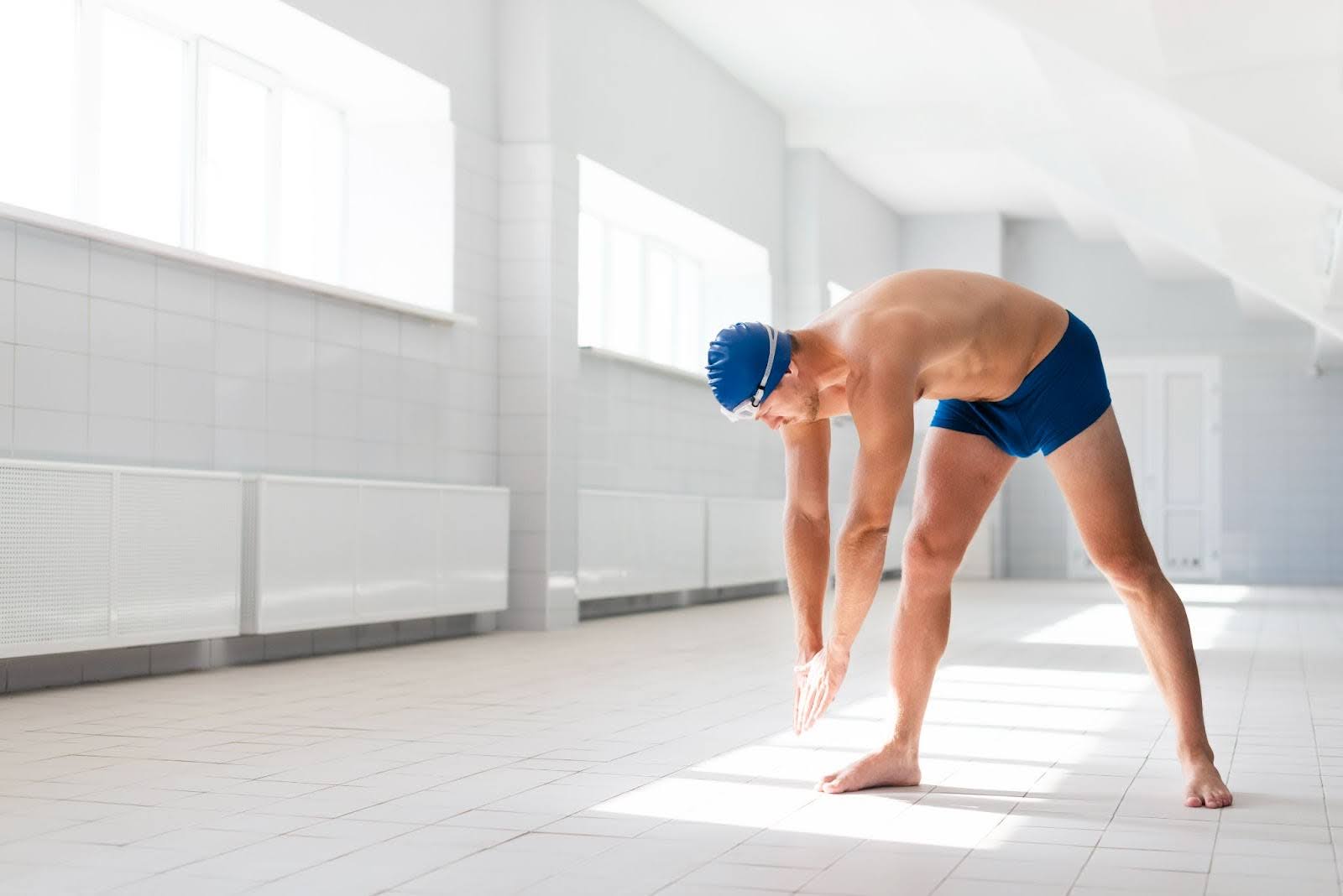
Swimming is often seen as a sport that begins and ends in the water. While that might sound true, swimmers know that the work done outside the pool is just as valuable. This is where dryland training comes in. It prepares the body to handle the physical demands of swimming by improving strength, flexibility, and endurance.
If you want to swim faster, reduce injuries, and have better control over your strokes, dryland training is something you cannot skip. It is an essential part of a balanced training plan that supports your time in the pool and helps you perform at your best.
What is Dryland Training?
Dryland training simply means exercises performed outside the pool that support swimming performance. These workouts can include bodyweight movements, resistance exercises, stretching routines, and even cardiovascular training. The goal is to prepare your body to be stronger, more flexible, and more coordinated when you hit the water.
Many swimmers think spending more hours in the pool is enough, but this is not always the case. Without dryland exercises, muscles can become imbalanced, strokes can feel less powerful, and recovery may take longer. With the right program, dryland training complements swim practice and builds a foundation that translates directly into faster, smoother swimming.
Why is Dryland Training Important for Swimmers?
Here’s why swimmers should practice dryland training:
- Strength and Power: Stronger muscles give swimmers more explosive strokes and kicks. This power helps with starts, turns, and faster lap times.
- Endurance: Land-based cardio and strength routines help increase stamina, which makes long training sessions and competitions less exhausting.
- Injury Prevention: Balanced workouts reduce the risk of shoulder and knee overuse, common injuries for swimmers.
- Flexibility and Mobility: Stretching and mobility work allow smoother arm movements and better rotation in the water.
- Core Stability: A strong core improves body alignment, making techniques like gliding in swimming more efficient.
Key Benefits of Dryland Training
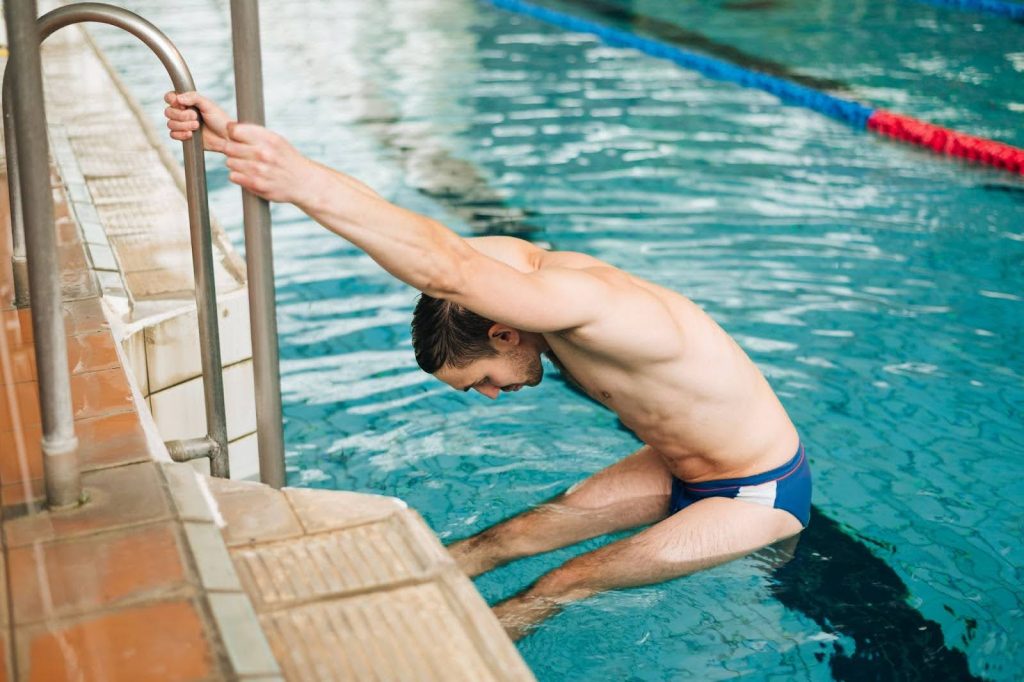
Faster Swim Times
Dryland training directly impacts performance by giving swimmers more explosive energy. With stronger muscles, swimmers push off walls with more force and sprint faster during races. Even small improvements in muscle strength can shave off valuable seconds.
The benefit does not only come from strength. By training different muscle groups on land, swimmers can move more efficiently through water resistance. This efficiency means less wasted energy and more speed in each lap.
Improved Technique
Technique is often thought of as something practised only in the pool. However, dryland exercises prepare the body to move better during each stroke. For example, a strong core helps swimmers stay balanced while practising the freestyle kick technique.
When the supporting muscles are stronger, movements become smoother and more controlled. This makes it easier to focus on how to dive properly and transition seamlessly into strokes without losing speed.
Mental Discipline
Dryland training is not just physical. It builds mental strength by pushing swimmers through tough workouts outside the pool. The discipline to keep up with both swimming and land exercises carries over into competitions.
Swimmers learn patience and consistency as they track progress in strength and endurance. This mental edge can be the difference between finishing strong or giving up mid-race.
Balanced Athletic Development
Only swimming can lead to muscle imbalances, especially in the shoulders and legs. Dryland training corrects this by working on underused muscles and improving posture. Balanced muscles reduce strain and keep the body healthier.
This balanced development makes everyday swimming tasks easier. Whether it is learning to float on your back or refining advanced techniques, a stronger overall body supports every movement.
Types of Dryland Training for Swimmers
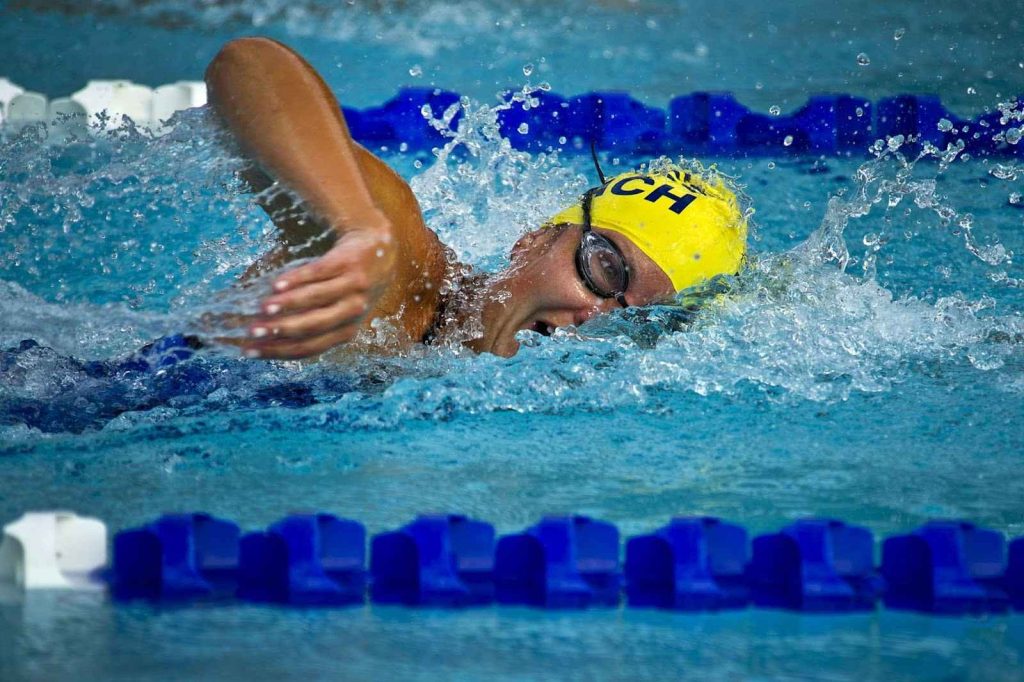
Dryland training covers a wide variety of workouts. Here are the main types that help swimmers improve both inside and outside the pool.
Strength Training
Strength workouts can involve weights, resistance bands, or bodyweight exercises. Squats, push-ups, and pull-ups are all effective for swimmers. These build stronger arms, legs, and core muscles.
Strong muscles improve push-offs, turns, and speed. Resistance training also helps swimmers generate more power in strokes, making each movement count.
Cardio Workouts
Cardio outside the pool helps develop endurance. Activities such as running, cycling, or jump rope keep the heart strong and build overall stamina.
By working on cardio fitness, swimmers are better able to maintain consistent lap speeds. It also helps them recover faster between intense sets.
Flexibility and Mobility
Flexibility is essential for smooth strokes and reducing shoulder injuries. Stretching routines and yoga are excellent choices for improving mobility.
When a swimmer has a full range of motion, strokes look more fluid and efficient. Mobility training also helps prevent the tightness that often leads to injuries.
Core Workouts
The core connects the upper and lower body. Exercises like planks, medicine ball twists, and sit-ups are excellent for building a strong midsection.
A stable core allows swimmers to maintain proper body position, whether during gliding in swimming or maintaining balance in freestyle strokes.
Plyometrics
Plyometric exercises such as box jumps and jump squats develop explosive power. These quick, high-energy movements translate into faster starts and better turns.
Adding plyometrics to training helps swimmers become quicker off the blocks and more dynamic in the water. It is a great way to build speed and agility.
Tips for Getting Started with Dryland Training
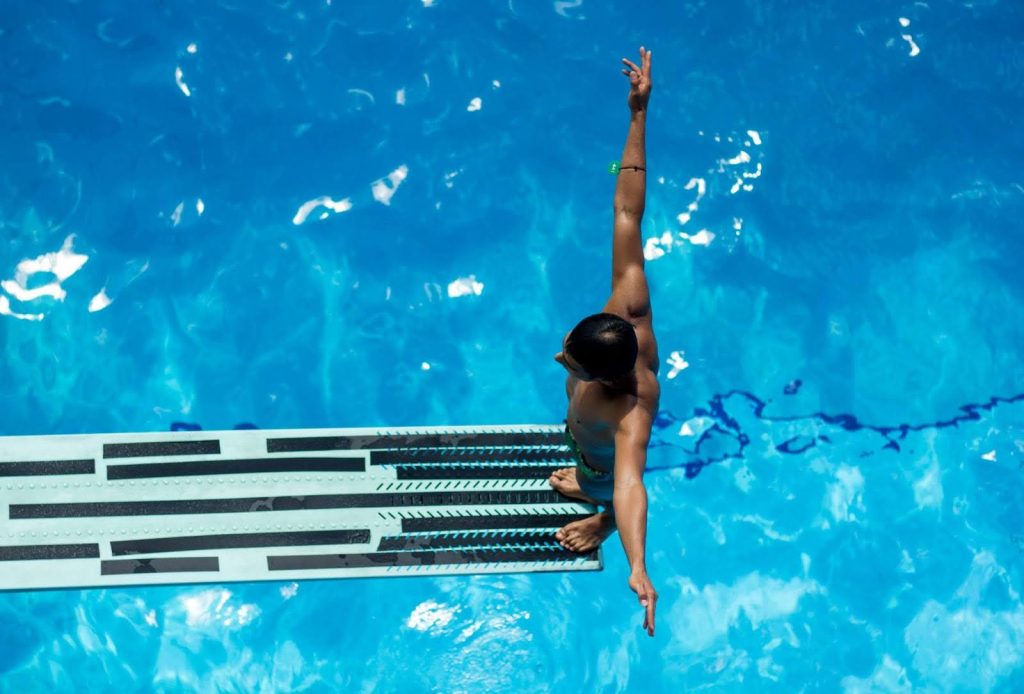
Dryland training may feel new, but with the right approach, it quickly becomes a natural part of your routine.
- Start Slowly: Begin with light exercises to learn proper form and avoid injury.
- Mix It Up: Combine strength, cardio, and mobility workouts for balance.
- Stay Consistent: Train 2 to 3 times a week to see real progress.
- Focus on Technique: Good form matters more than lifting heavy weights.
- Warm Up and Cool Down: Prepare your muscles before training and stretch afterwards.
- Listen to Your Body: Rest when needed and avoid overtraining.
Conclusion On The Importance Of Dryland Training For Swimmers
Dryland training is not optional for swimmers who want to perform at their best. It improves strength, endurance, flexibility, and balance, all of which translate to smoother, faster, and safer swimming. By committing to a well-rounded routine, you set yourself up for long-term success both in and out of the water.
At Swimhub, we believe in helping swimmers reach their full potential. If you are ready to build strength and confidence outside the pool, get in touch with us today.
Contact us to learn how we can support your swimming journey.
Frequently Asked Questions About the Importance of Dryland Training for Swimmers
Can Beginners Benefit From Dryland Training?
Yes, beginners benefit greatly. Even simple bodyweight exercises improve strength and flexibility, making pool practice easier and safer.
How Often Should Swimmers Do Dryland Training?
Most swimmers see results with two to three sessions per week. It is important to balance this with pool workouts to avoid overtraining.
Do I Need Equipment For Dryland Training?
Not always. Many effective exercises use only bodyweight. Resistance bands and light weights can be added for extra challenge.
How Does Dryland Training Prevent Injuries?
It strengthens supporting muscles and improves flexibility, reducing strain on common injury areas like shoulders, knees, and the lower back.
Can Dryland Training Improve Race Performance?
Yes. By building power, endurance, and stability, dryland training helps swimmers push harder, swim faster, and recover more efficiently after races.
