

Diving into the water looks easy when you see professional swimmers or even your classmates at the pool. They make it seem smooth and effortless. But in reality, learning how to dive properly takes practice, patience, and the right guidance. If you want to dive like a pro, you need to understand the basics, practise regularly, and most importantly, stay safe.
This guide will walk you through the essentials of diving, from preparation to technique, so you can feel confident every time you enter the water. Whether you are completely new or just want to refine your skills, these tips will help you improve step by step.
Why Learn How to Dive Properly?
Before we jump into the techniques, let’s talk about why diving matters. For swimmers, diving is more than just a fun way to enter the water. It’s also about:
- Speed and efficiency: A strong dive gives you a head start in races. Swimmers who master their dive can launch forward with momentum.
- Confidence in the water: If you know how to dive safely, you won’t hesitate at the pool edge. Instead, you’ll feel comfortable and calm.
- Safety: Diving without proper technique can be dangerous, especially in shallow pools. That’s why learning the right way is so important.
Step 1: Preparing Before You Dive
Preparation is half the battle. Here are a few simple things you should always do before diving:
- Check the depth of the pool. Diving should only be done in deep water. Avoid shallow areas because they increase the risk of injury.
- Warm up your body. Stretching your arms, shoulders, and legs will make your dive smoother. It also reduces the risk of muscle strain.
- Position yourself at the pool edge. Stand tall, feet shoulder-width apart, and focus on the spot where you want to enter the water.
Remember, diving isn’t just about jumping in. It’s about entering the water gracefully and safely.
Step 2: Mastering the Starting Position
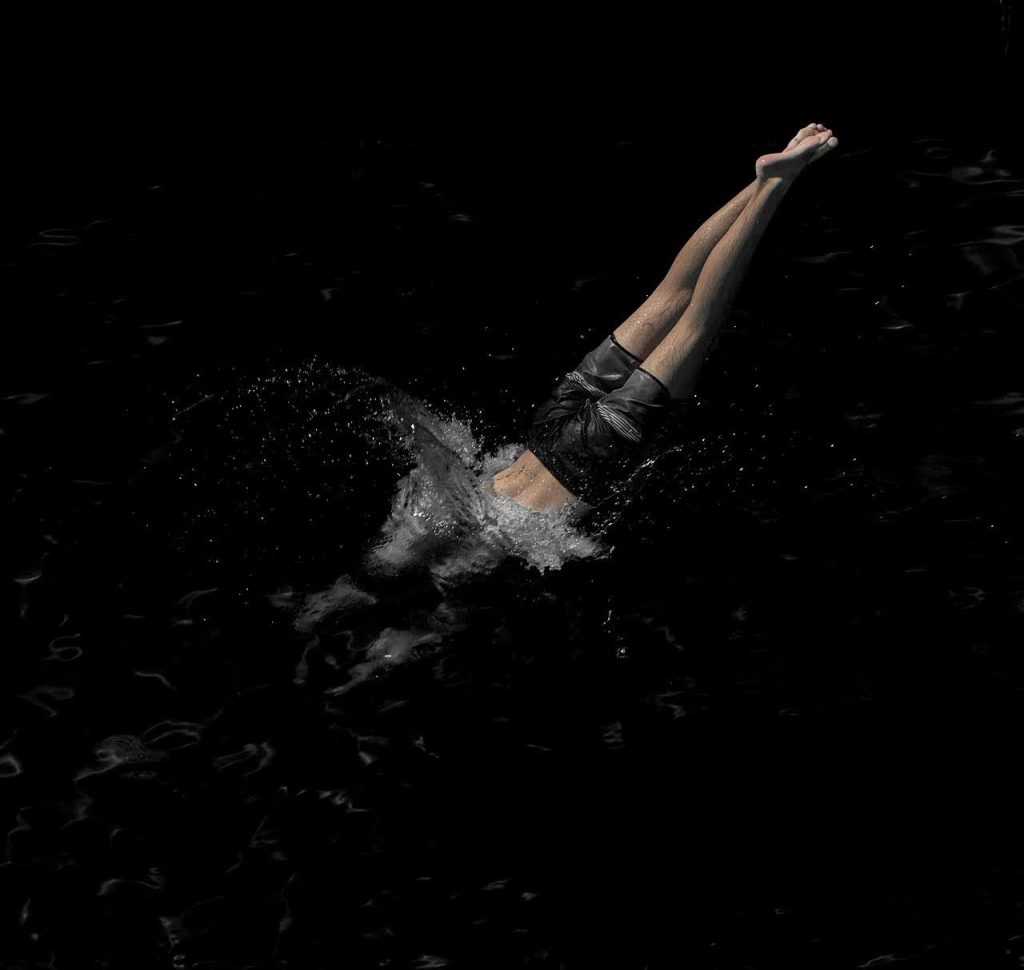
Your starting position sets the tone for the entire dive. Here’s how to do it right:
- Feet placement: Keep your toes curled slightly over the edge of the pool. This gives you balance and grip.
- Knees bent: Bend them slightly so you can spring forward.
- Arms extended: Stretch your arms straight above your head, with your hands together in a streamlined position.
- Head tucked: Look slightly down towards the water. Don’t tilt your head up, as this can break your form.
Visualise yourself slicing through the water like an arrow… smooth and straight.
Step 3: Executing the Dive
Now comes the exciting part. To dive properly, you need to combine power with technique:
- Push forward, not upward. Use your legs to push yourself off the pool edge. Aim to glide forward, not jump high.
- Streamline your body. Keep your arms tight against your ears, legs together, and toes pointed.
- Enter hands first. Your hands should be the first to touch the water, followed by your head, torso, and legs.
- Break the surface cleanly. Try to minimise splashing. A clean entry shows that your form is correct.
It might feel awkward at first, but with practice, you’ll become more confident.
Step 4: Improving Your Technique
Diving isn’t just about entering the water… it’s also about what happens after. Once you’re underwater, here’s how to maintain momentum:
- Stay streamlined. Keep your arms stretched forward and body straight.
- Glide before kicking. Let your dive carry you for a moment before you start moving.
- Kick properly when swimming. Strong, consistent kicks will help you accelerate smoothly after your dive.
A great dive followed by poor swimming technique won’t help much, so practise both together.
Tips for Beginners

If you’re still nervous about diving, don’t worry. Many swimmers feel the same way in the beginning. Here are some beginner-friendly tips:
- Start in a sitting position. Sit on the edge of the pool and practise diving from there. This helps you get used to the movement without the pressure of height.
- Progress to kneeling dives. Once you’re comfortable, try diving from your knees. It’s a safe way to build confidence.
- Move to standing dives. When you’re ready, stand at the pool edge and practise shallow dives. Gradually increase your power as you improve.
- Use a coach or buddy. Having someone watch and guide you makes the process safer and easier.
Advanced Diving Tips for Swimmers
If you already know the basics, here’s how you can take your dives to the next level:
- Add a track start. Place one foot forward and one back, like a runner at the starting line. This position gives you more power.
- Practise with freestyle drills. Linking your dive directly into strong strokes will make your swim smoother and faster.
- Experiment with angles. Adjusting your entry angle can help you find what works best for your body and speed.
Competitive swimmers often use the dive to set the tone for the entire race. A powerful dive followed by the fastest swimming stroke can give you a strong lead.
Safety Reminders
Learning how to dive properly is exciting, but safety always comes first. Here are a few swimming safety tips you should never ignore:
- Never dive into shallow water.
- Always check the pool depth before diving.
- Avoid running on slippery pool edges.
- Never dive if you’re unsure about the depth or if it’s crowded.
- Being careful ensures you can enjoy diving without accidents.
Conclusion on How to Dive
Diving properly takes time, but with patience, practice, and the right guidance, anyone can master it. Start small, focus on your technique, and don’t rush. Over time, you’ll find yourself diving with confidence and ease.
If you’re ready to take your swimming journey to the next level, Swimhub offers everything you need, from gear to helpful advice.
Contact us today and explore resources that can support your growth as a swimmer.
Frequently Asked Questions About How to Dive
Is diving safe for beginners?
Yes, as long as you practise in deep water and follow proper techniques. Beginners should always start with simple dives and progress slowly.
Can I dive in any pool?
No. Only dive in pools that are deep enough, usually at least 2 metres. Never dive in shallow pools or unknown waters.
How can I get over my fear of diving?
Start small by sitting or kneeling dives. With practice, your confidence will grow. Having a coach or friend nearby also helps.
How do I avoid belly flops?
Keep your body streamlined and enter the water hands first. Belly flops happen when your body isn’t angled correctly.
Do I need to be a strong swimmer before learning to dive?
It helps, but it’s not a requirement. You just need to be comfortable in the water and know the basics of swimming.
