
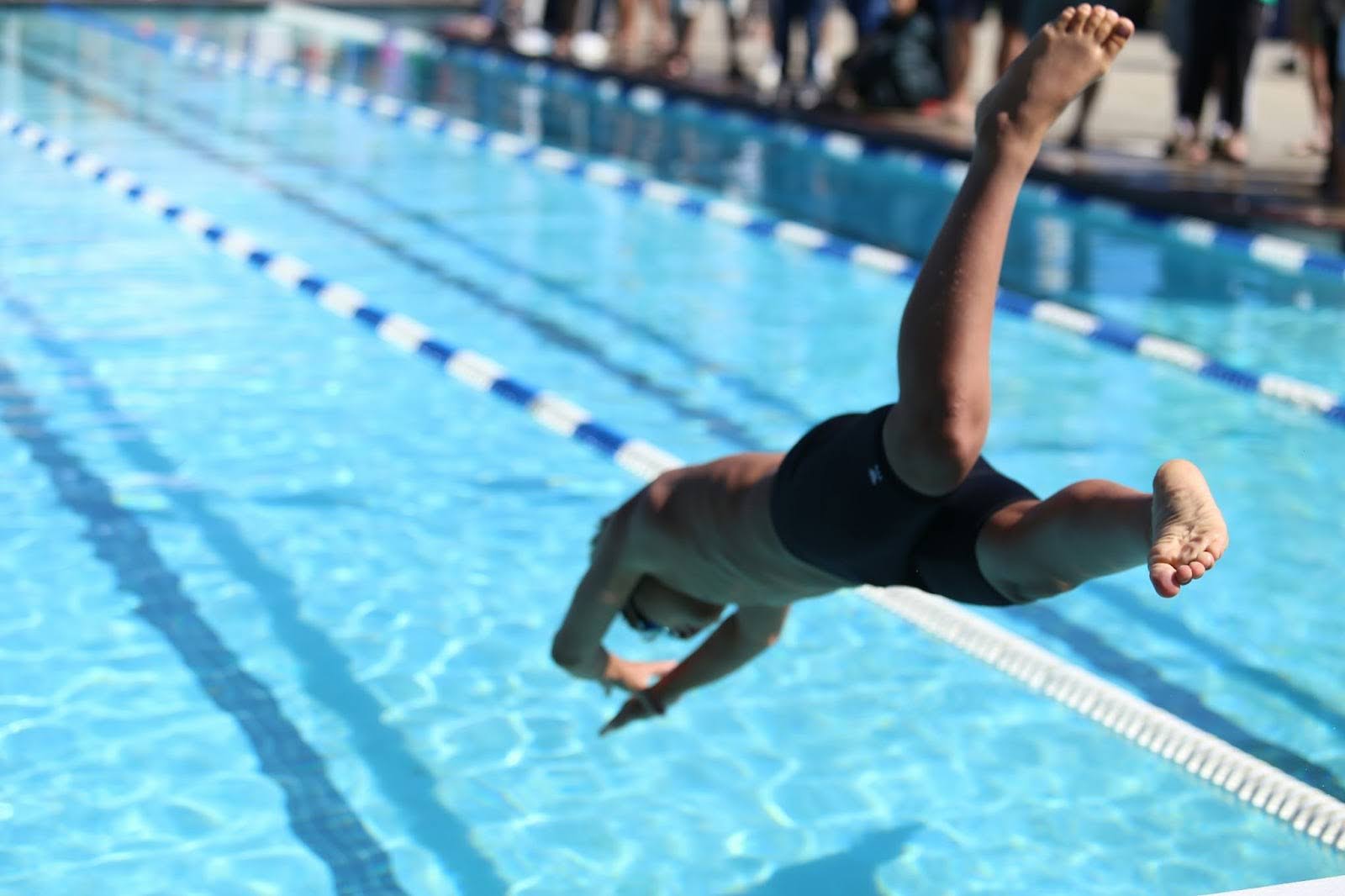
Swimming is one of those sports that can feel both relaxing and challenging at the same time. You glide through the water, feeling the weightlessness, yet your body works hard with every stroke. If you’re a student or someone just starting to take swimming more seriously, one question you’ll eventually ask is: How often should I swim to improve my technique and endurance?
The answer isn’t as simple as giving you several days. It depends on your goals, current fitness level, and how much time you can realistically dedicate. Let’s break it down step by step, so you can figure out what’s right for you.
Why Swimming Frequency Matters
The more time you spend in the pool, the more comfortable you become. Technique doesn’t come overnight. Your body has to memorise the right movements, breathing rhythm, and coordination. The same goes for endurance. You can’t expect to swim long distances without training your lungs and muscles gradually.
Swimming regularly helps you:
- Improve muscle memory for smoother strokes
- Build cardiovascular strength
- Develop better rhythm in breathing
- Reduce fatigue over time
- Increase overall confidence in the water
Finding The Right Balance
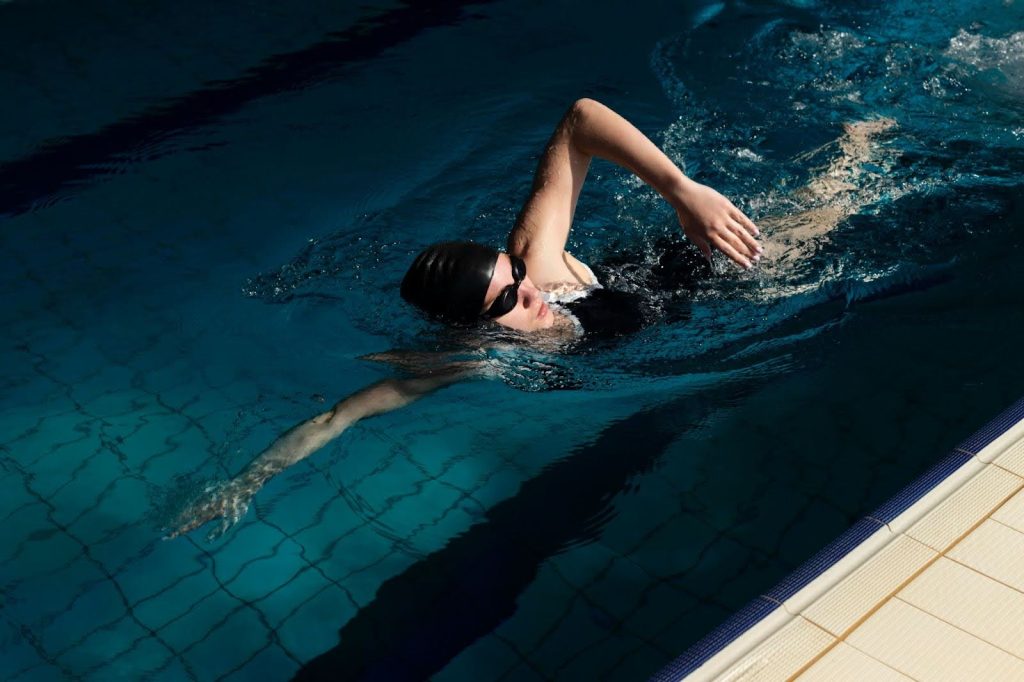
So, how often should you swim? For most people, swimming three to four times per week is the sweet spot. That’s enough to see progress without overloading your body. Here’s why:
- Twice a week: Good for maintaining your current skills, but progress might be slow.
- Three to four times a week: Ideal for learning new skills, building endurance, and staying consistent.
- Five to six times a week: Suitable for competitive swimmers, but you need to plan recovery carefully.
The balance is key. If you push too hard without recovery, you risk injury or burnout. If you swim too little, your technique won’t improve quickly.
Technique Comes First
When you’re still working on your form, it’s better to focus on quality rather than just piling on laps. Good habits in the water stick, but so do bad ones. Practising the wrong stroke repeatedly only makes it harder to correct later.
For example, when learning bilateral breathing, it helps to slow down and make sure each breath feels natural. Rushing through a set without proper form won’t do you any favours. Remember, your body learns through repetition, but it should be the right kind of repetition.
A good plan is to dedicate part of each session to technique drills. For instance:
- One day for freestyle stroke drills
- Another day for breaststroke efficiency
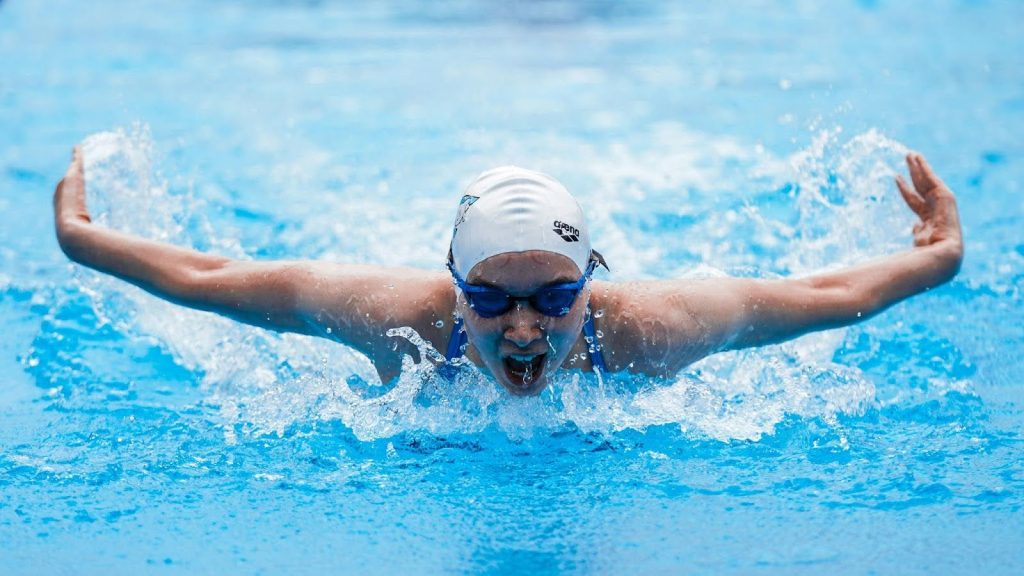
- A day to experiment with the butterfly swimming technique
- Extra time to practise turns and push-offs
Building Endurance Gradually
Endurance takes patience. You won’t suddenly be able to swim 2 kilometres without stopping, but you’ll get there by building up step by step. Start with short intervals and increase distance over time.
For example:
- Swim 4 x 100 metres with 30 seconds rest in between.
- As it gets easier, reduce the rest or increase the distance.
- Keep a log of your progress.
This method helps you increase stamina safely, without overwhelming your body. It’s similar to how runners train for long distances… short efforts that grow into bigger ones over time.
Mixing Up Your Strokes
Another tip to improve both technique and endurance is to mix up your strokes. Freestyle is the most common, but practising others strengthens different muscles and helps balance your body.
- Backstroke improves posture and works your shoulders.
- Breaststroke focuses on timing and rhythm.
- Sidestroke swimming can be a great recovery stroke that still keeps you moving.
- The Butterfly Stroke develops explosive strength and coordination.
Rotating strokes also prevents boredom. It keeps training sessions fun and gives your muscles variety.
Rest And Recovery
As much as training is important, rest is just as vital. Your muscles repair and grow stronger when you rest. If you swim every single day at full effort, your body won’t have time to recover.
Adding cool-down exercises after each swim session also helps reduce muscle stiffness. Gentle stretching, slow swimming, or even a light walk after training can make recovery much easier.
A Sample Weekly Swimming Plan
To give you an idea, here’s how you might schedule your swimming sessions:
Day 1: Focus on freestyle drills, working on breathing and stroke efficiency.
Day 2: Interval training for endurance, e.g. sets of 100–200 metres.
Day 3: Rest day or light activity like yoga or walking.
Day 4: Mix strokes (backstroke, breaststroke, butterfly) with drills.
Day 5: Long swim at a steady pace to build endurance.
Day 6: Sprint training for speed.
Day 7: Rest day.
Of course, this is just an example. You can adjust based on your own schedule and fitness.
Listening to Your Body
Sometimes, you’ll feel energetic and ready to push harder. Other times, you’ll feel tired and sluggish. That’s normal. The key is to listen to your body. If you’re exhausted, forcing another hard swim won’t be useful. Instead, take a rest day or do an easy session.
Improvement doesn’t come from constant hard work alone… it comes from consistent effort combined with smart recovery.
Conclusion on How Often Should I Swim
So, how often should you swim to improve technique and endurance? For most people, three to four times a week is ideal. Focus on technique first, build endurance gradually, and always allow your body time to rest. Remember, swimming is not just about getting faster or stronger… It’s about enjoying the water and feeling progress over time.
If you’re ready to take your swimming to the next level, check out Swimhub for quality swimming gear and accessories. The right tools can make your training smoother and more enjoyable.
Contact us today!
Frequently Asked Questions About How Often Should I Swim
Can I swim every day to improve faster?
You can, but it’s not always the best idea. Without rest days, your body may get fatigued and progress can stall. Balance is more effective.
How long should each swimming session be?
A good session usually lasts between 45 minutes to an hour. Beginners may start shorter, while competitive swimmers often go longer.
Should I focus on speed or endurance first?
Endurance should come first. Once you can swim longer distances comfortably, you can then work on increasing speed.
Is swimming better than running for endurance?
Both are excellent for endurance. Swimming is low-impact and works the whole body, making it a safer option for joints compared to running.
How do I know if my technique is improving?
Signs include swimming longer without fatigue, smoother strokes, better breathing rhythm, and positive feedback from a coach or experienced swimmer.
