

Sidestroke might not be the flashiest swim stroke out there, but it’s one of the most practical and underrated. Whether you’re just learning to swim, looking for a relaxed way to move through the water, or even training in lifesaving skills, sidestroke is a stroke worth knowing.
It’s smooth, energy-efficient, and easy on the joints- perfect for anyone who wants to glide through the water without wearing themselves out. In this guide, we’ll walk you through what sidestroke is, how to do it step by step, when it’s useful, and how to get better at it.
What Is Sidestroke?
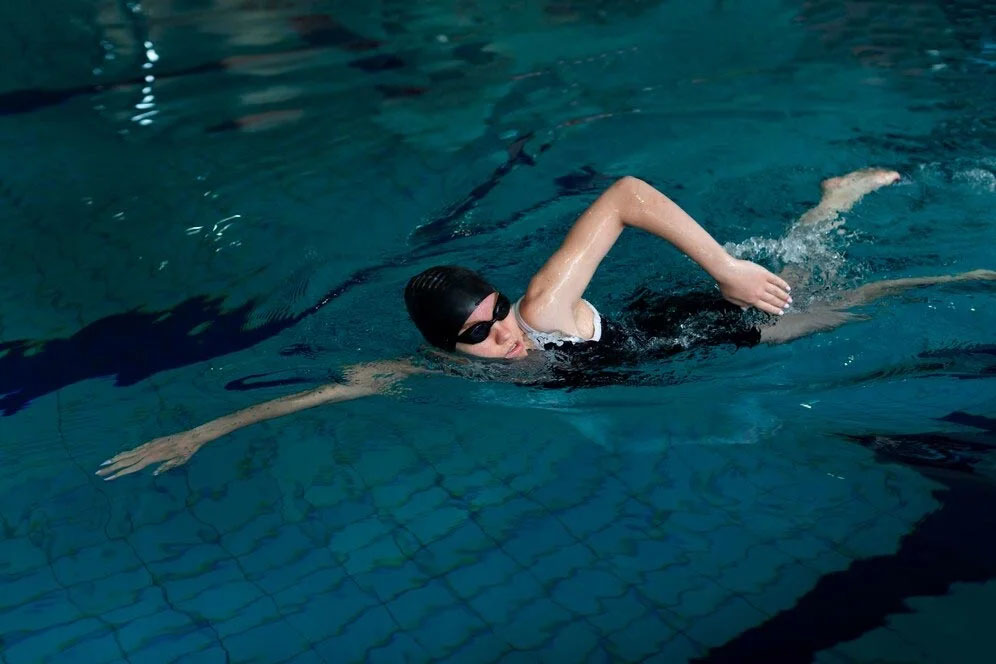
Sidestroke is a traditional swimming technique where you swim on your side, using a scissor kick and alternating arm motions to push yourself forward. One arm pulls through the water while the other stays at your side, then they switch roles after a glide phase. You turn your body slightly, rest your head above water, and breathe freely; no complicated timing like in freestyle or butterfly.
Originally used by lifeguards and military swimmers, the sidestroke is designed to conserve energy. It’s ideal for long-distance swimming, carrying objects (or even people), and swimming in open water where endurance matters more than speed. It’s a survival-friendly stroke and surprisingly relaxing once you get the hang of it.
Step-by-Step Sidestroke Technique
1. Getting Into The Side Position
To begin, lie on one side in the water. Your body should stay long and flat, with your bottom arm extended straight out in front of you and your top arm resting along your side. Your legs should be stretched out behind you in line with your torso.
Keep your head above water, resting comfortably on your shoulder. Your face should be turned slightly upward so you can breathe easily without lifting your head. Try to keep your hips and shoulders in line and avoid twisting or letting your legs sink.
2. Mastering The Arm Movements
In sidestroke, your arms work one at a time. The leading arm (the one underwater) extends out, pulls a wide scoop through the water toward your chest, then returns to the extended position. The trailing arm (the one resting on your side) lifts to your chest as the lead arm finishes pulling, then stretches forward to become the new lead.
The motion is calm and deliberate. You’re not aiming for speed here. After both arms complete their motion, pause for a brief glide to let your momentum carry you forward before the next stroke. This relaxed rhythm makes it perfect for lap swimming, where consistency and endurance matter more than speed.
3. The Scissor Kick
The scissor kick is what powers your lower body. To do it, bring your knees slightly toward your chest and then separate your legs like opening a pair of scissors; one leg goes forward, the other back. Then snap them back together to push yourself forward.
Timing is everything. The kick should happen as your arms finish their pull and reset. Then you glide. This kick gives you a strong push without splashing or wasting energy. It might feel awkward at first, but with a little practice, it becomes smooth and natural.
4. Breathing And Head Position
One of the best things about sidestroke is the easy breathing. Since your head stays mostly above the water, you can breathe whenever you want. There’s no need to turn your head or time your breaths with each stroke like in freestyle or breaststroke.
Make sure your head stays relaxed and supported. Your ear should be close to your bottom shoulder, with your eyes looking slightly up. If your neck feels tense, try adjusting your head angle until you find a natural, comfortable position.
5. Putting It All Together
Sidestroke is all about rhythm: pull, kick, glide. When you combine the arms and legs with smooth transitions, the stroke feels effortless. Pull and kick at the same time, then stretch out into a long glide before starting the next cycle.
Don’t rush the stroke. It’s meant to be slow and controlled. With practice, sidestroke becomes an efficient way to swim longer distances without wearing yourself out. It’s also a great recovery stroke if you’re tired mid-swim or just want to relax. It’s a great stroke to use when you’re helping teach someone how to swim.
Key Benefits of Sidestroke
- Low-energy and endurance-friendly: Sidestroke uses less energy compared to faster strokes, making it great for long swims or open water.
- Great for beginners: It’s one of the easiest strokes to learn, especially because it allows for constant breathing.
- Helpful in rescue or lifesaving situations: Lifeguards use the sidestroke to tow people to safety because it keeps one arm free and maintains balance.
- Gentle on the body: There’s less strain on your shoulders and neck, making it ideal for older swimmers or those recovering from injury.
- Improves coordination: Balancing the arm and leg motions with the glide phase builds overall body awareness and control in the water.
Tips For Improving Sidestroke
- Practice the Scissor Kick Separately: Work on your leg motion outside the pool or during a warm-up. Focus on opening and closing your legs smoothly and powerfully.
- Focus on Glide Time: Don’t rush the stroke. Extend your body fully after each pull and kick to take advantage of the momentum.
- Keep Your Movements Relaxed: Tension slows you down. Stay loose in the water, especially in your shoulders and neck.
- Alternate Sides for Balance: Try switching sides during your practice to work both sides of your body and avoid muscle imbalances.
When To Use Sidestroke
- During long-distance swims, when conserving energy is important
- In open water or ocean swims, where endurance and visibility matter
- As a recovery stroke when you’re tired mid-swim
- In water rescue situations, where you need to carry or support someone
- When teaching beginners how to move through water with ease
Conclusion On Sidestroke Swimming
Sidestroke may not get as much attention as the freestyle or breaststroke, but it’s one of the most useful and relaxing strokes out there. It’s easy to learn, low-impact, and perfect for building endurance in the pool or open water.
Want to build your skills with guided instruction? Join swimming lessons in Singapore with Swimhub and learn sidestroke and more with experienced coaches who make swimming fun, safe, and effective at every level.
Frequently Asked Questions About Sidestroke Swimming
Is Sidestroke Good For Beginners?
Yes! Sidestroke is one of the most beginner-friendly strokes because it allows you to breathe freely, move at your own pace, and build confidence in the water.
Is Sidestroke Used In Competitive Swimming?
Not typically. It’s more of a practical stroke used in lifesaving, endurance swimming, or leisure, but it’s a valuable skill for every swimmer to know.
Can Sidestroke Be Used For Fitness?
Absolutely. While it’s not a high-speed stroke, it provides a full-body workout and is great for building endurance and control, especially when done in longer sessions.
Does Sidestroke Work Both Sides Of The Body?
Yes, it’s recommended to practice sidestroke on both your left and right sides to ensure balanced muscle development and improve overall technique.
Is Sidestroke Good For People With Joint Issues Or Injuries?
Definitely. Sidestroke is low-impact and gentle on the joints, making it an excellent option for those recovering from injuries or looking for a less strenuous swim workout.
How Do I Improve My Sidestroke Efficiency?
Focus on maintaining a streamlined body position, using a strong scissor kick, and keeping your movements smooth and controlled. Practicing regularly and switching sides can also help improve balance and coordination.
