
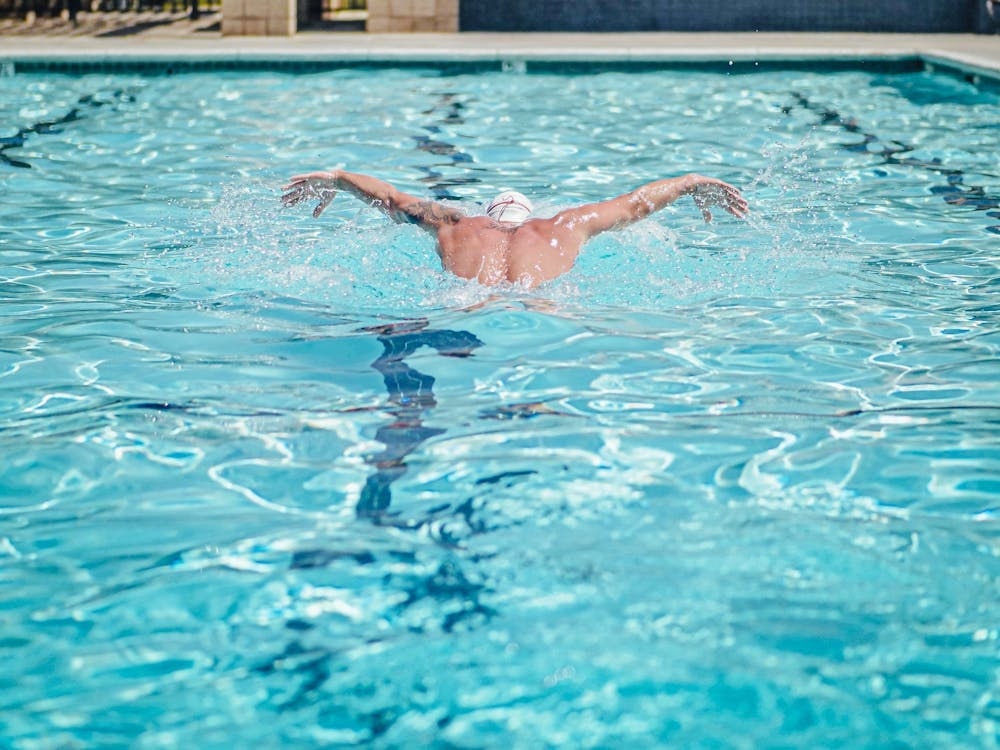
The butterfly stroke is one of the most powerful and graceful techniques in swimming, but it’s also the one most swimmers struggle with at first. If you’ve tried it before, you probably know the feeling: a few good kicks, then you’re out of breath, arms flailing, rhythm gone. It’s okay. Many swimmers, even confident ones, find butterfly challenging.
But here’s the good news: once you break it down and learn the proper mechanics, butterfly becomes not just manageable, but incredibly rewarding.
Whether you’re a beginner looking to master a new swimming stroke or someone trying to improve your form, this guide will walk you through the technique, benefits, drills, and tips to help you swim butterfly with confidence.
What Is the Butterfly Stroke?
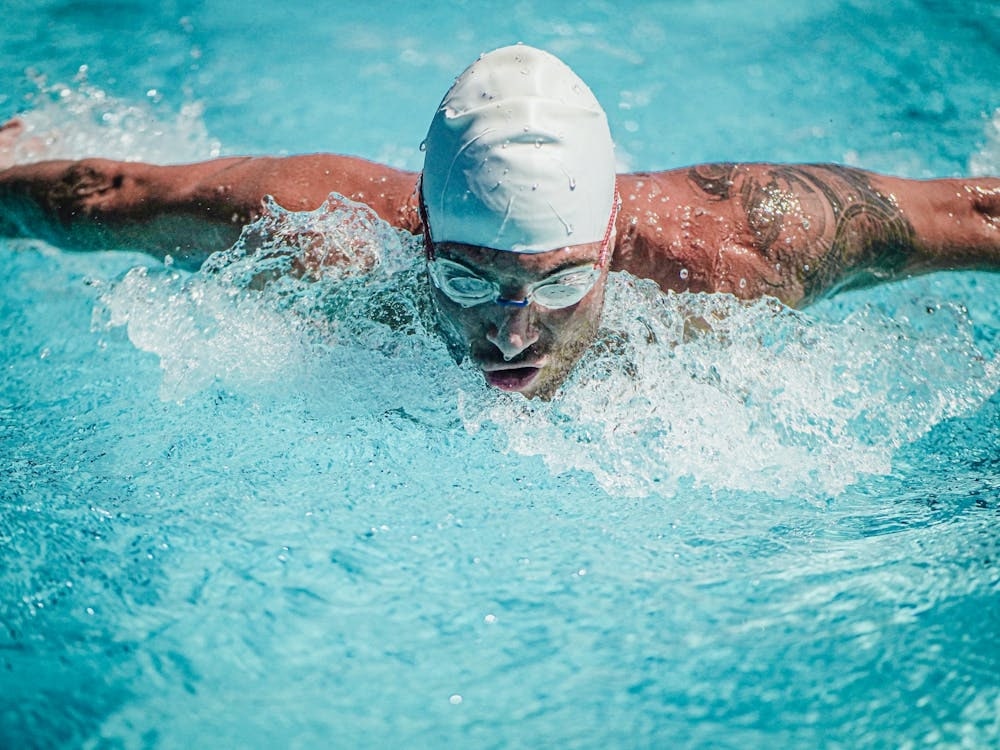
The butterfly stroke is a swimming style characterised by symmetrical arm movements and a wave-like body motion powered by the dolphin kick. Both arms move together in a circular pattern while the body flows forward with an undulating rhythm.
It became an official competitive stroke in the 1950s, developed originally as a variation of breaststroke. Today, it’s known for its speed, beauty, and difficulty. Though demanding, the butterfly stroke is one of the most effective full-body workouts you can do in the water.
Key Components of Butterfly Technique
To master butterfly, you’ll need to understand how different parts of the body work together:
1. Body Position
Keep your body flat and close to the water’s surface. The motion should be smooth and flowing, like a wave travelling from your head to your toes. Avoid too much up-and-down movement that can slow you down and waste energy.
2. Arm Movement
Both arms move together. They enter the water in front of your shoulders, sweep outward during the catch, pull down and in toward the waist, and then recover over the water in a circular motion. Try to keep your elbows high and hands soft during recovery.
3. Dolphin Kick
Your legs move in unison, powered from the hips. The kick looks like a whip or a tail flick, and it’s essential for keeping your body moving forward. Aim for two kicks per arm cycle: one during the pull and another during the recovery.
4. Breathing
Breathe by lifting your head slightly forward as your arms pull under your chest. Avoid lifting your head too high or you’ll sink. Try breathing every other stroke when starting, whatever is easier on your rhythm.
5. Timing and Rhythm
Butterfly is all about timing. The stroke becomes more efficient when the pull, kick, and breath all work in sync. Focus on one-two movement: one kick to lift, another to drive forward.
Benefits of Butterfly Stroke
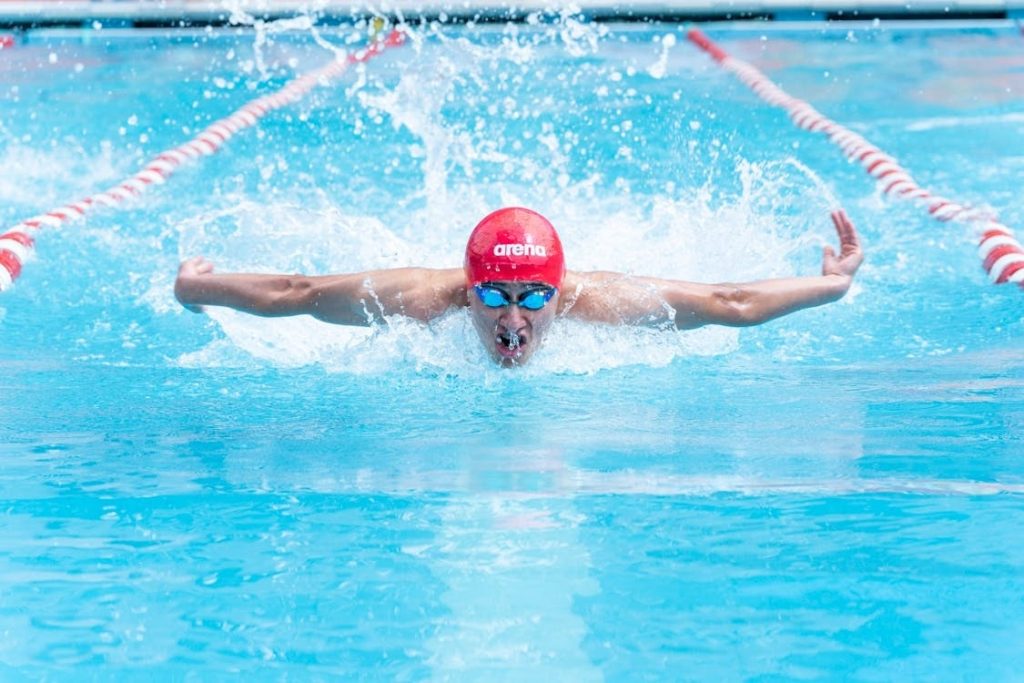
Butterfly may be tough to learn, but it comes with major benefits for swimmers of all levels:
- Full-Body Workout: This stroke works nearly every muscle group, including your core, shoulders, arms, back, glutes, and legs.
- Improves Endurance and Strength: The intense effort needed to perform the butterfly boosts cardiovascular endurance and muscular strength over time.
- Enhances Coordination: The stroke requires excellent timing and control, helping you develop better body awareness in the water.
- Burns More Calories: Among all swimming strokes, butterfly burns the most calories per minute, which is ideal for fitness and weight loss goals.
Drills to Improve Butterfly Technique
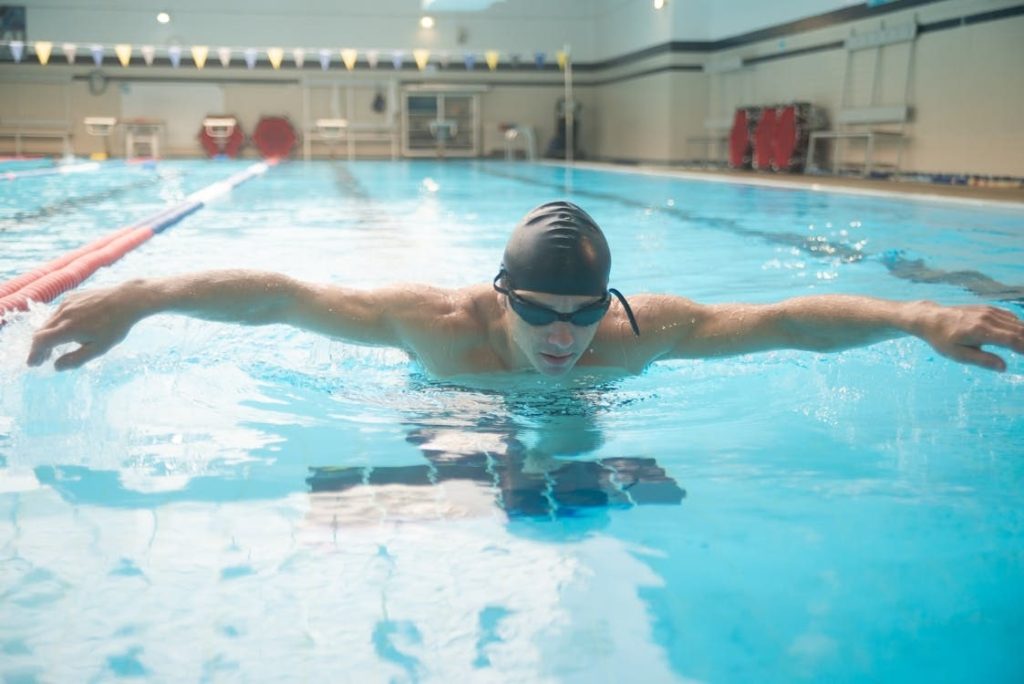
To build muscle memory and refine your form, here are five drills you can practise:
1. Body Dolphin Drill
Swim without using your arms; just focus on the dolphin kick and keeping your body flowing in a smooth wave motion. This helps reinforce proper undulation.
2. Single Arm Butterfly
Use one arm at a time while keeping the other extended in front. This allows you to isolate the pull and breathing timing without becoming overwhelmed.
3. 3-3-3 Drill
Do three strokes of freestyle, three strokes of single-arm butterfly, and three strokes of full butterfly. This builds rhythm gradually and helps you transition into full stroke form.
4. Butterfly with Fins
Fins help you feel the flow of the water and add propulsion, making it easier to focus on rhythm, breathing, and body position. Learn about the difference between short fins vs long fins for swimming.
5. Kicking on the Back
Lie on your back and do dolphin kicks. This strengthens your core and hips while improving the whip-like motion of your legs.
Tips for Beginners
If you’re learning the butterfly stroke for the first time, these swimming beginner tips will make your progress smoother and less frustrating:
- Start with Short Distances: Try 10–15 metre reps at first. Focus on quality rather than speed or distance.
- Practice Dolphin Kick Separately: Get comfortable with the kick before adding in arm movement. It’s the foundation of the stroke.
- Use a Snorkel: A snorkel allows you to keep your head down, focus on body position, and build endurance without worrying about breathing.
- Don’t Over-Breathe: Breathing every stroke can break your rhythm. Try breathing every second or third stroke instead.
- Be Patient: Butterfly is difficult at first, but gets better with consistent practice. Don’t get discouraged; it takes time to build strength and rhythm.
Conclusion on Butterfly Swimming
The butterfly stroke is powerful, elegant, and physically rewarding. Yes, it can feel tough at first, but with proper technique, the right drills, and a little patience, you can turn this challenging stroke into one of your strongest.
At SwimHub, we help swimmers of all levels build skills like butterfly with expert guidance and personalised coaching. Whether you’re just starting or fine-tuning your technique, our friendly instructors are here to support your journey every step of the way.
Visit our website to learn more about our swimming lessons in Singapore. Together, we’ll help you glide through the water with confidence.
Frequently Asked Questions About Butterfly Swimming
What Muscles Does Butterfly Stroke Use?
Butterfly works your shoulders, chest, back, core, glutes, and legs. It’s one of the most complete full-body workouts in swimming.
Is Butterfly Stroke Harder Than Freestyle?
Yes, butterfly is generally more difficult due to its demanding technique and timing. However, with regular practice, most swimmers can learn it.
How Many Kicks Are in One Butterfly Stroke?
Typically, there are two kicks for every arm cycle: one during the pull to lift the chest, and one during the recovery to drive the body forward.
How Can I Improve My Butterfly Breathing?
Practice breathing every second or third stroke, and avoid lifting your head too high. A snorkel can also help you work on rhythm without interrupting form.
Can Beginners Learn Butterfly?
Absolutely. Start with drills, short distances, and break down the stroke into parts. Many beginners find success with patience and guidance.
