

Swimming is full of interesting strokes, but one that often gets overlooked is the Trudgen stroke. Once a competitive favourite in the 19th century, it paved the way for modern freestyle. While it may not be used in today’s races, learning the Trudgen stroke gives you a glimpse into swimming history and teaches valuable skills that can improve your coordination, rhythm, and overall swimming ability.
If you’re curious about this classic stroke, you’re in the right place. This guide breaks down what the Trudgen stroke is, how it works, and how you can start learning it, even if you’re a beginner.
What Is the Trudgen Stroke?
The Trudgen stroke (pronounced trudge-en) was developed by English swimmer John Arthur Trudgen in the 1870s. It’s considered a stepping stone between sidestroke and modern front crawl. At the time, it was revolutionary for its speed and technique, helping Trudgen win races across Europe and gain international recognition.
This stroke combines a flutter or scissor kick with an alternating overarm pull, performed while lying on your side. It differs from the front crawl in that the swimmer doesn’t lie flat but instead rotates side to side, keeping one arm extended forward as the other recovers above the water.
Though it’s rarely used in modern competitions, the Trudgen stroke remains an excellent stroke for fitness, endurance training, and historical appreciation.
Key Features of the Trudgen Stroke

To understand how the stroke works, let’s break it down into its basic parts:
1. Body Position
You swim on your side, rotating from one side to the other with each arm stroke. This side-to-side motion is what makes the stroke unique and distinguishes it from freestyle.
2. Arm Movement
The arms move in an alternating overarm pattern. One arm pulls through the water while the other recovers above the water and then enters near the head. This overarm action increases speed and range, making the stroke more efficient than the sidestroke it evolved from.
3. Kick Technique
Originally, Trudgen used a scissor kick: a movement where the legs open and snap closed sideways like scissors, timed with the pulling arm. Later, swimmers adapted the kick into a flutter kick, similar to that used in front crawl.
4. Breathing
Breathing occurs during the side rotation when the head turns slightly out of the water. You can breathe with each stroke cycle or every other one, depending on your comfort and pace. Here’s how to breathe while swimming for better performance.
Benefits of Learning the Trudgen Stroke
Even if you don’t plan to use this stroke competitively, it offers several advantages for all levels of swimmers:
- Builds Coordination and Timing: The stroke requires you to coordinate your arms, legs, and breathing, improving your overall water control.
- Improves Side-to-Side Balance: Unlike freestyle, Trudgen exaggerates the side rotation, which strengthens your lateral balance and body awareness.
- Great for Cross-Training: Adding variety to your swim workouts keeps things interesting and works muscles differently than modern strokes.
- Connects You to Swimming History: Learning a historic stroke is not only fun but deepens your appreciation for how swimming evolved.
How to Learn the Trudgen Stroke: Step-by-Step
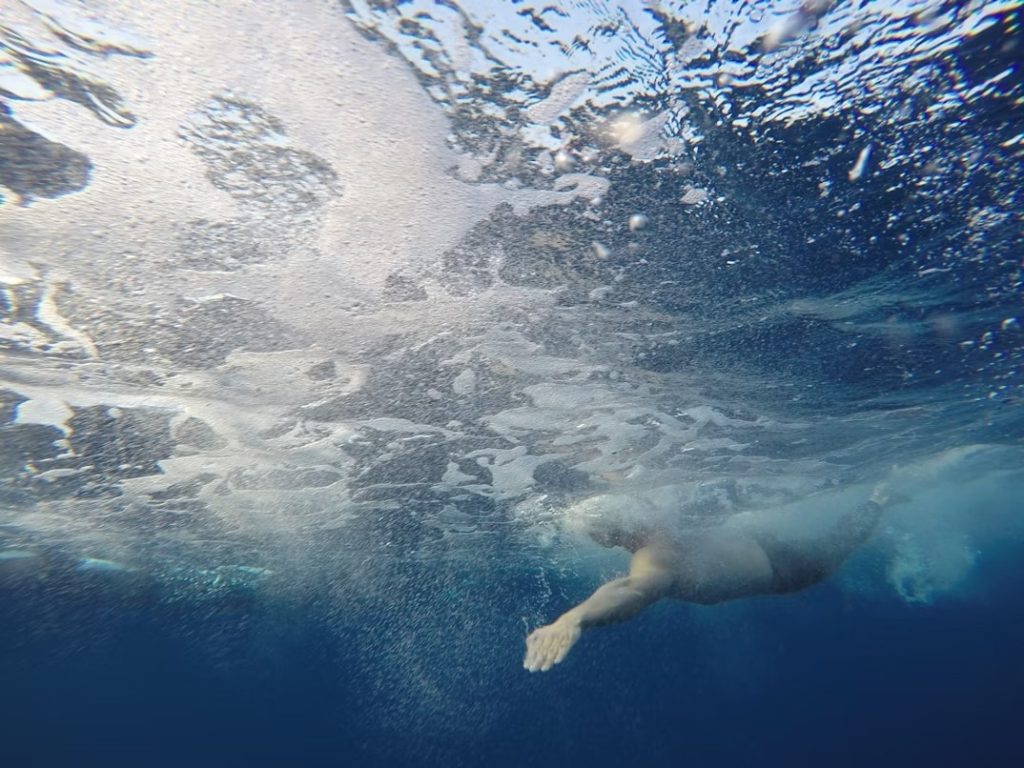
Learning Trudgen isn’t difficult, but it does require a bit of patience and body awareness. Follow these simple steps to get started:
Step 1: Practice the Scissor Kick Separately
Start by floating on your side with your bottom arm extended forward and your top arm resting on your body. Open your legs, one forward, one backwards, and snap them closed. Keep your kick compact and avoid overextending.
Step 2: Add the Arm Pull
Now, while on your side, add the pulling motion. As one arm enters and pulls through the water, begin your scissor kick. The kick should give you a burst of speed just as your pulling arm reaches the strongest part of the stroke.
Step 3: Switch Sides
After completing a full stroke with one arm, roll your body slightly to the opposite side, switching arm roles. Continue alternating in rhythm with your kicks.
Step 4: Incorporate Breathing
Time your breath during the rotation to the side, turning your head slightly out of the water. Don’t lift your head too high: just enough to inhale comfortably.
Step 5: Practice with Focus
Start slowly and concentrate on timing, just like what you do with freestyle swimming. Practice short distances (10–15 metres) at first. As you become more comfortable, increase distance and tempo.
Tips for Getting It Right
Learning a historical stroke can be fun, but it helps to keep a few things in mind:
- Start in a Shallow Pool: Practise the kick and body rotation where you feel safe and can stand if needed.
- Watch Demonstration Videos: Seeing the stroke in action helps you visualise timing and body positioning.
- Use Fins for Kick Practice: Fins can help you develop the flutter version of the kick more easily while building leg strength.
- Take Breaks Often: Don’t rush your progress. Like all techniques, the Trudgen stroke improves with slow, thoughtful repetition.
- Ask for Feedback: If you have a coach or swim instructor, ask them to check your form and timing.
Conclusion on Trudgen Stroke Swimming
The Trudgen stroke may not be as popular as freestyle or breaststroke today, but it holds a meaningful place in swimming history. By blending overarm power with a side-body rhythm and efficient kicking, it taught the swimming world that speed didn’t have to come at the cost of technique.
At SwimHub, we support swimmers of all levels, from beginners to competitive athletes through our swimming lessons in Singapore. Whether you’re refining modern strokes or exploring classic ones like Trudgen, our expert coaches can help you master every move with confidence.
Come train with us and discover new ways to grow in the water.
Frequently Asked Questions About Trudgen Stroke Swimming
What Is the Trudgen Stroke?
The Trudgen stroke is a swimming technique combining an alternating overarm pull with a scissor or flutter kick. It was developed in the 1870s and influenced the development of modern freestyle.
Is the Trudgen Stroke Still Used Today?
Not in competitive swimming, but it’s still practised recreationally and for educational purposes. It offers a great workout and can help improve body coordination in water.
How Is Trudgen Different from Freestyle?
Trudgen involves swimming more on your side and originally used a scissor kick, whereas freestyle is a flat-body stroke with a continuous flutter kick.
Can Beginners Learn the Trudgen Stroke?
Yes. It’s suitable for anyone with basic swimming skills. Beginners should start slowly, focus on timing, and practise the kick and arm movements separately.
Should I Use Scissors or Flutter Kick with Trudgen?
Traditionally, it uses a scissor kick, but many swimmers today use flutter kicks for a smoother rhythm. Try both and see which feels more natural.
