

Choosing between short fins and long fins for swimming isn’t as simple as it sounds. Whether you’re a beginner aiming to master your swimming strokes or an experienced swimmer wanting to polish your technique, the type of fin you wear can make a real difference.
In this guide, we’ll explain everything you need to know about short vs. long fins for swimming, helping you pick the best option for your needs and maybe even making your next trip to the pool a lot more fun.
Let’s get straight into it.
1. Speed And Power
Long fins are designed to help swimmers move through the water more easily. Each kick propels you further because of its extended blade, which is why they’re commonly used during drills that focus on streamlining and body position. For instance, beginners often feel more confident using long fins during freestyle stroke or dolphin kick sets as they experience instant glide.
Short fins, meanwhile, limit the assistance provided with each kick. This means your legs do more of the work, increasing resistance and effort. Over time, this develops explosive leg strength and mimics the natural pace of unassisted swimming. Sprinters often prefer short fins to train fast-twitch muscle fibres crucial for quick bursts.
2. Kick Technique

Long fins encourage a slow, wide kick. This can be helpful for beginners learning the motion, but it does not reflect the kind of quick, tight kick used in races or standard training.
Short fins, however, are brilliant for promoting the rapid, compact flutter kick you use in swimming. If you’re trying to develop muscle memory for competitive strokes like freestyle or backstroke, training with short fins keeps your body aligned with realistic race-day mechanics.
3. Muscle Engagement
Long fins tend to bypass the smaller muscles and shift the work to your hips and thighs. This gives a good overall cardio workout but doesn’t necessarily build the specific muscle groups you rely on during real swimming scenarios.
In contrast, short fins activate your calves, ankles, and foot muscles far more. The added resistance with a shorter blade means you have to maintain a faster kick rate, and this works out more precise muscle groups that improve endurance and strength.
4. Training Goals
Long fins are ideal for technique refinement or building confidence in the water. They let you focus on upper body mechanics, breathing control, and body positioning without tiring out your legs too quickly.
But if you’re focused on power, endurance, or ankle mobility, short fins are a better tool during your swimming lesson. They demand more from your body but pay off with improved strength and efficiency, which is especially useful for experienced swimmers or those in high-performance programmes.
5. Energy Levels
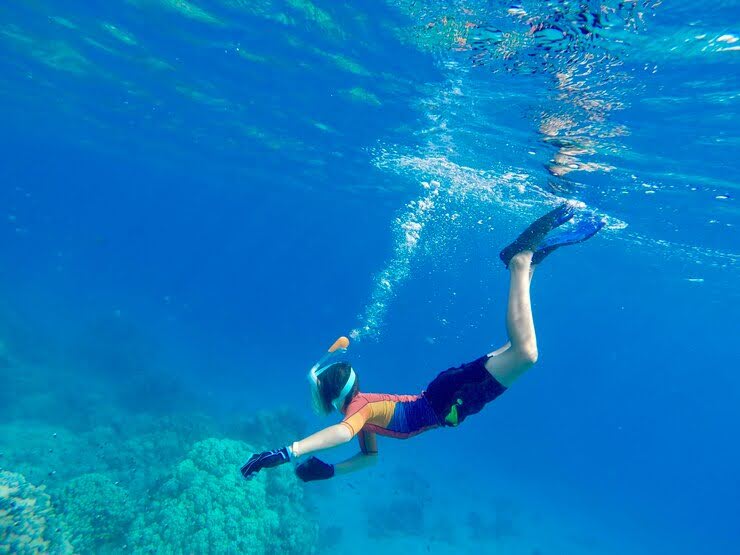
Think of long fins as a fuel-saving mode. They allow you to swim further with less effort, making them perfect for long training sessions, endurance drills, or active recovery days.
Short fins turn the intensity up. They require more energy per lap, which is great for interval sets or cardio conditioning. They’re particularly useful when you’re short on time and want a quality session in fewer laps.
6. Safety And Injury Prevention
Long fins can sometimes strain the knees or ankles if you have a limited range of motion or use them with poor form. Overkicking or using them too often may lead to discomfort, especially for swimmers with past injuries.
Short fins are gentler on the joints and improve flexibility through repetition. They’re also a good choice for rehab programmes or injury prevention because they strengthen stabilising muscles around the ankles and improve control in each movement.
7. Practicality And Travel
Short fins are unbeatable when it comes to convenience. They fit easily into a swim backpack, gym locker, or carry-on luggage, perfect for travelling swimmers or those who train at different pools.
Long fins can be bulky. They might feel like a hassle if you’re using public transport or just don’t want to carry a large swim bag. That said, they’re still a valuable tool to have at home or in your gear rotation, just less portable.
Conclusion About Short Fins Vs. Long FIns
In the end, when weighing up short fins vs long fins for swimming, it all comes down to your personal goals. Are you aiming for speed, endurance, strength, or technique? Each type of fin has its place in a swimmer’s training toolkit, and sometimes, having both in your gear bag is the smartest move.
At SwimHub, we offer the best swimming lessons in Singapore tailored to your personal goals, whether you’re looking to perfect your kick or simply enjoy the water more.
Ready to level up your swimming? Book a class with SwimHub today!
Frequently Asked Questions About Short Fins Vs. Long FIns
What Are The Main Benefits Of Using Short Fins?
Short fins help build leg strength, promote a natural kick technique, and improve endurance without placing too much strain on the joints.
Are Long Fins Better For Beginners?
Yes, long fins can help beginners build confidence by making swimming feel easier and helping them maintain good body position in the water.
Can Short Fins Improve Ankle Flexibility?
Absolutely. Short fins encourage a full range of motion at the ankle, which can help loosen stiff joints and improve overall kick efficiency.
Do Long Fins Make You Swim Faster?
Yes, long fins increase your speed in the water thanks to their larger surface area, which provides a bigger push with each kick.
Should I Train With Short Fins Or Long Fins More Often?
It depends on your goals. Short fins are better for focusing on technique and strength, while long fins are great for endurance and easier sessions.
Are Short Fins Better For Sprint Training?
Yes, short fins are excellent for sprint training because they encourage a fast kick tempo, similar to what’s needed during short, powerful swims.
