
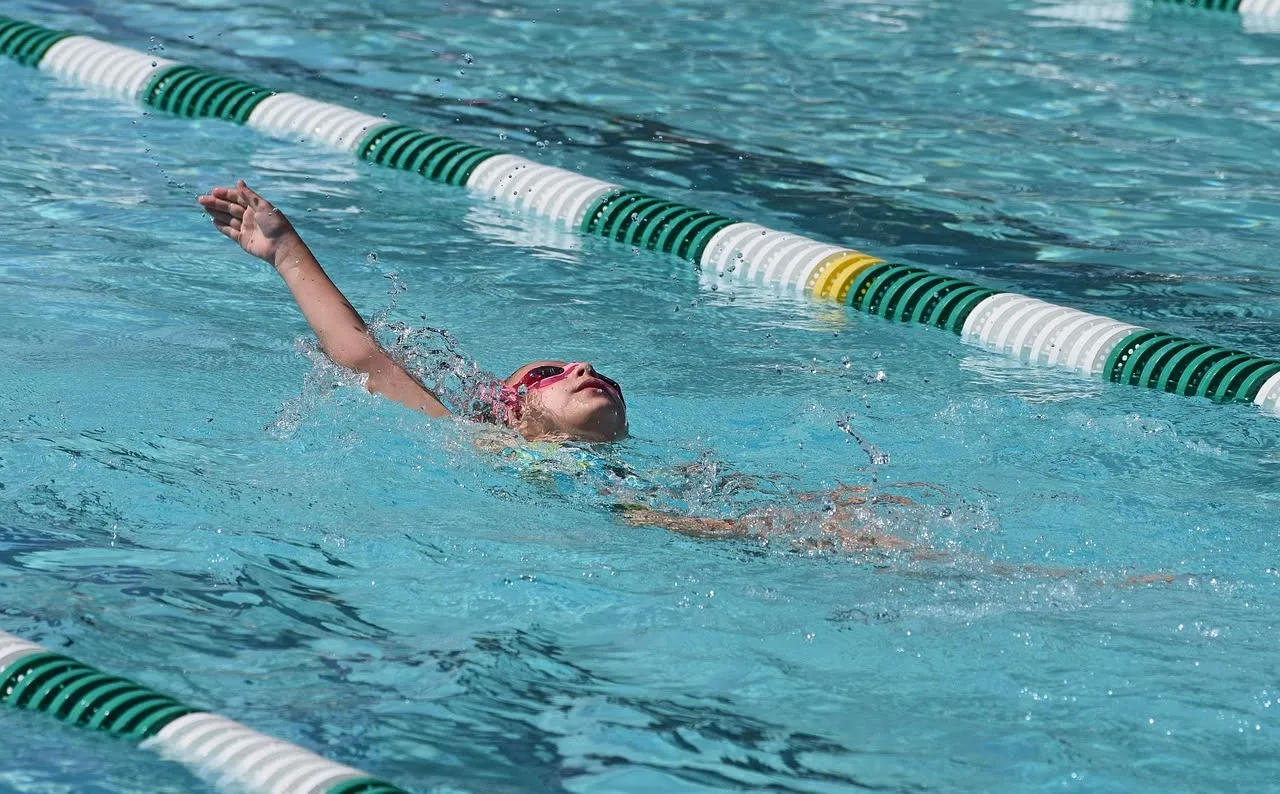
The elementary backstroke is one of the most beginner-friendly strokes in swimming. It is gentle on the body, easy to learn, and excellent for building water confidence. Unlike competitive strokes, it allows swimmers to move at a steady pace while practising coordination between arms and legs. Even experienced swimmers can benefit from refining their elementary backstroke swimming technique to improve endurance, efficiency, and overall water comfort.
This guide covers step-by-step instructions, common mistakes, drills, and tips for both beginners and seasoned swimmers. By the end, you will have a clearer understanding of how to master this stroke effectively.
Understanding The Elementary Backstroke
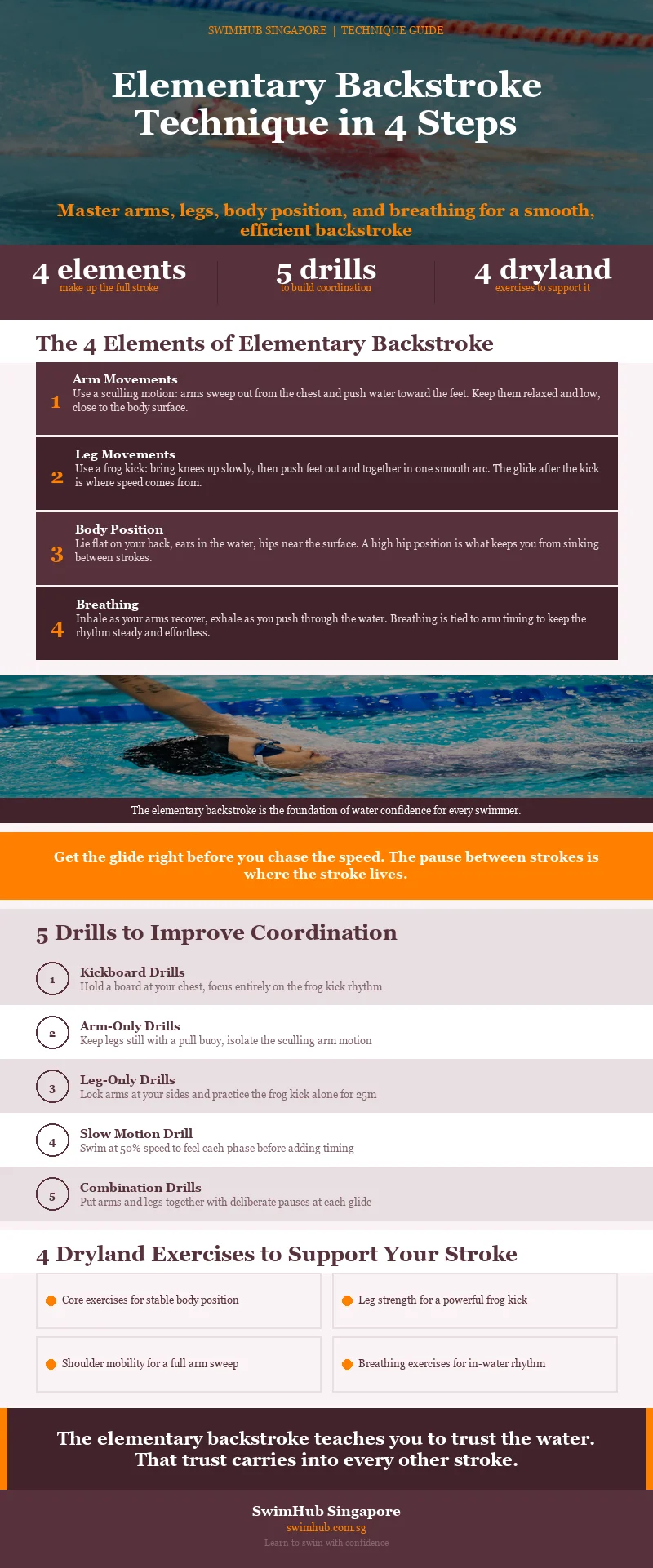
The elementary backstroke combines simple movements with steady breathing. It is performed on your back, making it easier to see your surroundings and regulate breathing. The stroke consists of four main components:
- Arm Movements – Also called the “sculling motion,” your arms move in a circular pattern under the water. The arms sweep outward, then downward, before returning to the starting position.
- Leg Movements – Known as the “frog kick,” the legs bend at the knees and then push outwards, snapping back together to provide propulsion.
- Body Position – Keep your body flat on the water, hips near the surface. Avoid letting your hips sink, as this reduces efficiency.
- Breathing – Since your face stays above water, breathing is natural. Focus on a calm, steady rhythm to maintain endurance.
Understanding these basics is key before adding drills or advanced tips. Beginners should start slowly and gradually build comfort in the water.
Step-By-Step Guide To Proper Technique
Mastering the elementary backstroke requires focus on each part of the stroke individually before combining them into a smooth, coordinated motion.
1. Correct Arm Movement
- Start with your arms extended straight above your head, keeping them close together.
- Sweep your arms outward in a wide circular motion. Keep your elbows slightly bent but relaxed.
- Pull the water downward towards your body, finishing near the chest, then return to the starting position.
- Focus on smooth, controlled motions rather than speed. The arm movement should feel like “sculling” the water, not splashing.
Beginners often try to rush the arm movement, which reduces propulsion. Practise slowly first, then gradually increase speed as coordination improves. Advanced swimmers can use arm-only drills to strengthen their stroke and refine the water feel.
2. The Frog Kick
- Bend your knees while keeping your feet together.
- Push your feet outward and backward in a circular motion, then snap them together.
- Keep the movement compact and controlled; avoid wide, forceful kicks that create unnecessary drag.
- Try practising the kick while holding a kickboard to isolate leg movements.
The frog kick is similar to the kick used in breaststroke swimming, which makes cross-practice useful. Focus on rhythm—arms and legs should move in sync.
3. Body Position
- Lie flat on your back with your head relaxed and neck neutral.
- Keep your hips near the surface. Dropping your hips increases drag and slows progress.
- Keep your body aligned, with shoulders slightly back, not hunched.
Maintaining a streamlined position reduces energy use and improves efficiency. Beginners may feel unstable at first, so practising in shallow water or with a flotation aid can help.
4. Breathing
- Keep your face above water at all times.
- Inhale smoothly, exhale steadily. Avoid holding your breath.
- Maintain a calm, steady rhythm to match your arm and leg movements.
Practising bilateral coordination—timing arms and legs with breathing—will make the stroke feel natural and comfortable. Beginners should focus on consistent breathing before attempting longer distances.
Common Elementary Backstroke Mistakes
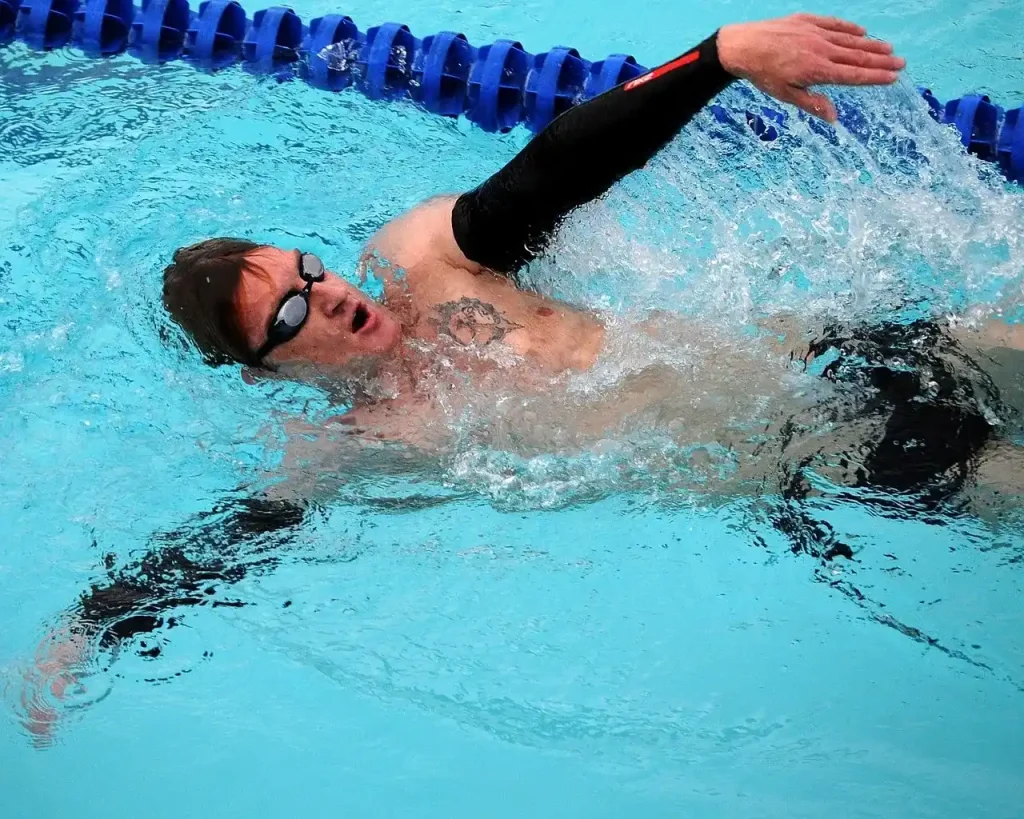
Even experienced swimmers sometimes make errors that reduce efficiency. Here are some common issues:
- Kicking Too Hard – Overkicking wastes energy and can disrupt your balance.
- Dropping Hips – Letting your hips sink increases drag and slows you down.
- Rushing Arm Movements – Quick, uncontrolled arm motions reduce propulsion.
- Tense Neck and Shoulders – Stiff muscles make the stroke less smooth.
- Ignoring Drills – Skipping kickboard drills or coordination exercises slows progress.
Watching your movements and practising slowly can help correct these errors. You can also compare your technique to that of legendary female swimming athletes who exemplify smooth, controlled strokes.
Drills To Improve Coordination And Strength
Drills are essential for building muscle memory, improving rhythm, and strengthening key muscle groups used in elementary backstroke.
- Kickboard Drills – Isolate your legs to strengthen the frog kick. Try alternating short, fast kicks with longer, slower kicks. This helps develop endurance and proper leg rhythm.
- Arm-Only Drills – Swim using only arm movements while keeping legs still. Focus on smooth sculling motions and steady propulsion. This builds shoulder and back strength.
- Leg-Only Drills – Swim using only your frog kick to reinforce leg mechanics. It helps beginners feel the water’s resistance and improves overall coordination.
- Slow Motion Drill – Swim the stroke in exaggerated slow motion. Focus on arm sweep, leg snap, and body alignment. This reinforces proper technique and rhythm.
- Combination Drills – Combine arms and legs after practising separately. Start slowly, then gradually increase speed while maintaining control.
Advanced swimmers can also incorporate resistance tools such as fins or hand paddles to improve strength and endurance. Additionally, dryland exercises like planks and resistance band workouts support muscle development for better propulsion and stability in the water.
Using Dryland Training To Enhance Your Stroke
Dryland training is often overlooked but extremely helpful for improving swimming technique. Exercises outside the pool build strength, flexibility, and body awareness.
- Core Exercises – Planks, bridges, and rotational exercises improve stability in the water.
- Leg Strength – Squats and lunges strengthen muscles for a more powerful frog kick.
- Shoulder Mobility – Arm circles and resistance band exercises increase shoulder flexibility for smoother arm movements.
- Breathing Exercises – Practising controlled breathing helps maintain rhythm during the stroke.
Integrating dryland training with pool practice accelerates improvements in your elementary backstroke swimming technique.
Tips For Smooth And Efficient Swimming
- Focus on Rhythm – The elementary backstroke relies on a steady rhythm between arms and legs. Rushing the movements reduces efficiency.
- Relax Your Neck and Shoulders – Tension slows your stroke and can cause discomfort.
- Maintain Eye Position – Look straight up and slightly forward, keeping the head stable.
- Practice Bilateral Coordination – Ensure that arms and legs move in sync.
- Build Gradually – Start with short sessions and gradually increase distance and intensity.
Even small adjustments can make a noticeable difference in stroke efficiency and comfort.
Integrating Other Swimming Strokes
Practising other strokes can enhance your elementary backstroke swimming technique. Cross-training improves coordination, muscle balance, and overall swimming efficiency.
- Breaststroke Swimming – The frog kick is very similar. Practising breaststroke helps reinforce correct leg mechanics and timing.
- Freestyle Swimming Mistakes Awareness – Understanding common freestyle swimming mistakes, such as overreaching or improper breathing, can help you avoid similar mistakes in elementary backstroke.
- Backstroke Practice – Practising standard backstroke improves body alignment, shoulder flexibility, and arm rotation, which transfers well to the elementary backstroke.
- Combination Workouts – Alternating between strokes in a single session keeps muscles engaged and helps prevent fatigue. For example, practising laps of freestyle, breaststroke, and elementary backstroke enhances endurance and coordination.
- Drills From Other Strokes – Leg kicks from freestyle or sculling drills from backstroke can be adapted to strengthen the elementary backstroke technique.
Cross-training builds strength, endurance, and rhythm. It also helps swimmers understand how different strokes influence body position and movement efficiency in water.
Starting Techniques And Entry Tips

Proper water entry sets the tone for your stroke. Knowing how to dive and start safely enhances your efficiency.
- Enter Slowly – For beginners, step or slide into shallow water.
- Controlled Push-Off – Use the pool wall to push off without splashing excessively.
- Arm Positioning – Extend arms gently overhead if diving, or keep them relaxed by your sides for a surface start.
Practising entries repeatedly ensures smooth transitions and reduces anxiety, especially for beginners learning the elementary backstroke.
Tracking Progress And Setting Goals
Tracking your progress is crucial for steady improvement in elementary backstroke. Clear goals and consistent measurement help maintain focus and motivation.
- Record Your Sessions – Track distance swum, time per lap, drills completed, and any notes on coordination or breathing. This helps identify patterns and areas for improvement.
- Set Short-Term Goals – Focus on improving a single element, like leg snap strength or arm coordination. Small, achievable goals lead to steady improvement.
- Long-Term Goals – Work toward swimming longer distances smoothly, improving endurance, or refining technique for speed.
- Video Analysis – Filming yourself can reveal subtle mistakes in body position, arm movements, or leg kicks that are hard to feel in the water.
- Recovery And Consistency – Include recovery sessions with gentle swimming or stretches to avoid fatigue. Consistent practice reinforces muscle memory and improves confidence.
- Adjust Goals Gradually – Don’t try to fix everything at once. Focus on one element per session, whether it’s arm technique, frog kick, or breathing rhythm.
Tracking progress encourages accountability and shows visible improvement over time. It also helps swimmers of all levels, from beginners to pros, stay motivated and focused on refining their elementary backstroke swimming technique.
Conclusion On Elementary Backstroke Swimming Technique
Mastering the elementary backstroke swimming technique improves confidence, efficiency, and endurance. Focusing on smooth arm movements, the frog kick, body position, and calm breathing helps beginners build a solid foundation. Experienced swimmers also benefit from refining their coordination and rhythm.
At Swimhub, we offer guidance and resources to help you improve your technique. Contact us to find the right training programs, tips, and support for your swimming goals. Our team can help you develop skill, confidence, and enjoyment in every session.
Frequently Asked Questions About Elementary Backstroke Swimming Technique
What Are The Key Steps In the Elementary Backstroke Swimming Technique?
Focus on arm movements, the frog kick, body position, and steady breathing to ensure a smooth, efficient stroke.
Can Beginners Improve Fast Using Kickboard Drills?
Yes. Kickboard drills isolate leg movements and build strength, making it easier to coordinate arms and legs later.
Does Dryland Training Help With Elementary Backstroke?
Absolutely. Core, leg, and shoulder exercises improve stability, strength, and overall technique in the water.
Is Practising Other Strokes Helpful?
Yes. Practising breaststroke swimming or backstroke can strengthen muscles and reinforce proper body position.
How Can I Avoid Common Mistakes In The Stroke?
Move slowly, focus on rhythm, keep your hips high, relax your neck, and avoid rushing arm or leg movements.
