

The survival backstroke is a simple but highly effective swimming technique. It is designed for conserving energy while staying afloat and moving in the water. Unlike competitive strokes, it focuses on safety and endurance rather than speed. Learning this stroke helps beginners and experienced swimmers feel more secure in open water or emergency situations.
In this guide, we will cover step-by-step techniques, common mistakes, drills, and tips to help you master the survival backstroke.
What is Survival Backstroke?
The survival backstroke is a relaxed swimming stroke designed to conserve energy while keeping your body afloat. Unlike competitive backstroke, it prioritises stability and safety, making it ideal for beginners and open water swimming. It is useful in both leisure and emergency situations where endurance and calm movement are more important than speed.
The stroke involves gentle arm sweeps and slow, controlled kicks while maintaining a horizontal body position. Your face stays above water at all times, allowing for easy breathing. Practising survival backstroke helps build confidence in water, teaches effective gliding, and forms a foundation for other types of swimming strokes.
Key Features of Survival Backstroke:
- Energy Conservation – Moves are slow and steady to save strength over long distances.
- Safety-Oriented – Keeps your head above water for better visibility.
- Relaxed Technique – Focuses on smooth, calm movements instead of speed.
- Endurance-Friendly – Allows swimming for longer periods without fatigue.
- Accessible for Beginners – Easy to learn, even without prior swimming experience.
Benefits of Learning Survival Backstroke
Learning the survival backstroke gives practical and physical benefits for all swimmers.
- Improved Water Confidence – Practising the stroke helps you feel comfortable in any water condition.
- Energy Efficiency – Slow, controlled movements prevent exhaustion during long swims.
Enhanced Endurance – Builds cardiovascular and muscular stamina. - Supports Safety Skills – The stroke allows observation of surroundings and proper breathing.
- Muscle Engagement – Activates core, shoulders, and legs for balanced strength.
- Transferable Skills – Techniques learned can improve other strokes such as freestyle swimming.
Step-By-Step Guide To Survival Backstroke
Mastering survival backstroke requires focus on body position, arms, legs, and breathing. Here’s a detailed step-by-step guide.
1. Body Alignment
Start by lying flat on your back with your body horizontal to the water. Keep your hips near the surface and head relaxed, facing upwards. Proper alignment reduces drag and keeps movements energy-efficient.
Maintaining a straight line from head to toes supports gliding and helps the body stay balanced. Beginners can use flotation aids to practise alignment before attempting longer swims.
2. Arm Position
Extend your arms above your head or slightly to the sides. Sweep them outward in a circular motion and pull water towards your hips. Keep elbows slightly bent and movements smooth for better propulsion.
Controlled arm sweeps maintain stability. Overly fast or wide motions waste energy and make gliding less effective.
3. Leg Movement
Use a slow flutter kick or gentle frog kick depending on comfort. Keep movements compact to conserve energy. Coordinating legs with arm movements ensures smoother propulsion.
Practising kick separately or with a kickboard drill helps improve timing and rhythm. Efficient kicks reduce fatigue during long swims.
4. Breathing
Keep your face above water and breathe calmly. Exhale steadily and inhale naturally. Avoid holding your breath, which causes tension and reduces endurance.
Breathing rhythm is key to maintaining energy for longer periods. Beginners should focus on comfort before speed.
5. Gliding Between Strokes
After each arm sweep, allow the body to glide forward briefly before starting the next stroke. Gliding reduces effort and increases efficiency.
Practising this pause helps the stroke feel smooth and controlled. Over time, gliding will naturally improve forward movement and energy conservation.
6. Starting Technique
Step or slide into the water slowly, keeping body alignment straight. Push off walls gently to practise gliding and stability.
Controlled starts prevent sudden fatigue and help maintain calm rhythm. This is especially useful for tips to get better at swimming efficiently.
7. Turns and Transitions
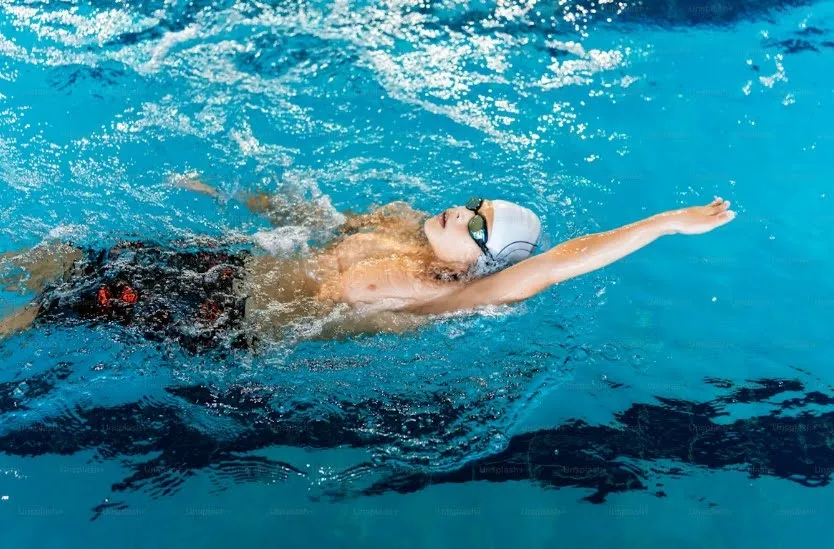
For pool practice, learn simple open-water style turns. Avoid twisting your body unnecessarily. Keep a slow, steady motion to maintain balance.
Turns practiced gradually help swimmers maintain endurance over multiple laps. Smooth transitions reduce drag and energy loss.
8. Coordination of Arms and Legs
Practice synchronising arm sweeps with leg kicks. Small, controlled movements work best for conserving energy.
Coordination exercises improve stability and help beginners feel comfortable while moving through water. Combining with other swimming tips improves overall technique.
9. Adapting to Open Water
In open water, focus on calm strokes and slow rhythm. Watch currents, waves, and other swimmers while maintaining energy-efficient movements.
Practising in pools first helps transfer technique to open water. Safety is crucial; always swim with a buddy or visible flotation device.
10. Practising Endurance
Set short, achievable distances at first and gradually increase. Focus on smooth movements, controlled kicks, and gliding between strokes.
Endurance practice builds stamina and confidence. Swimmers often notice improvements in overall water comfort, which also aids how to swim faster over time.
Common Mistakes To Avoid
Even simple strokes like survival backstroke have common pitfalls.
- Tensing Shoulders – Causes fatigue and reduces gliding efficiency. Relax arms and shoulders.
- Overkicking – Kicking too hard wastes energy without adding meaningful propulsion.
- Sinking Hips – Leads to extra drag and instability. Keep hips near the surface.
- Rapid Arm Movements – Fast strokes reduce efficiency; slow, steady motions are more effective.
- Neglecting Gliding – Skipping gliding phases wastes energy and reduces stroke smoothness.
- Holding Breath – Prevents calm rhythm and increases fatigue. Focus on steady, natural breathing.
Correcting these mistakes ensures survival backstroke remains safe and effective.
Drills To Improve Survival Backstroke
Practising targeted drills helps improve endurance, coordination, and technique.
1. Gliding Drills
Push off the wall and glide as far as possible without moving your arms or legs. Focus on keeping your body horizontal and relaxed.
Gliding drills teach balance and reduce energy use. They also help beginners feel comfortable floating efficiently.
2. Arm-Only Drills
Keep your legs still while practising arm sweeps. Move arms in small, controlled circles.
This strengthens shoulders and back muscles and helps perfect stroke coordination. Arm-only drills also teach correct water feel.
3. Leg-Only Drills
Use a slow flutter or frog kick while keeping arms still. Focus on rhythm and propulsion rather than speed.
Leg drills improve timing and strengthen lower body for longer swims. Practising separately allows better control when combining arms and legs.
4. Endurance Sessions
Swim long distances using survival backstroke at a steady pace. Focus on energy conservation, gliding, and smooth coordination.
Endurance sessions build stamina and confidence in open water. They are particularly helpful for swimmers practising multiple types of swimming strokes.
5. Combination Drills
Mix survival backstroke with short sections of freestyle swimming or backstroke. Alternate strokes to develop adaptability and overall strength.
Combination practice improves cardiovascular fitness and keeps sessions engaging. It also allows swimmers to learn transitions between strokes naturally.
Tips To Get Better At Swimming Survival Backstroke

Small adjustments can make a big difference in mastering the stroke.
- Focus On Smooth Movements – Avoid rushing; calm, controlled motions save energy and increase efficiency.
- Gliding Practice – Incorporate pauses between strokes to maintain balance and reduce fatigue.
- Strength Training – Dryland exercises support core, leg, and shoulder strength for better performance.
- Observe Skilled Swimmers – Learning from experienced swimmers or videos improves timing and coordination.
- Set Measurable Goals – Track distance, time, and technique to monitor improvement and maintain motivation.
Integrating Other Swimming Strokes
Practising other swimming strokes can help improve your survival backstroke. Different strokes work your muscles in different ways and make you more comfortable in the water. Using them together can make your survival backstroke easier and more efficient.
Freestyle Swimming helps build stamina. Swimming freestyle strengthens your lungs and heart, so you can keep moving steadily during survival backstroke without getting tired.
Backstroke improves body alignment and shoulder flexibility. Practising backstroke helps you stay balanced and float better while doing survival backstroke.
Breaststroke Swimming helps with your leg kick. The frog kick used in breaststroke is similar to survival backstroke, so it strengthens your legs and improves coordination.
Combination Training means switching between survival backstroke and other strokes during a session. This uses different muscles, improves coordination, and keeps swimming from feeling tiring or repetitive.
Practising a mix of strokes makes you stronger, more confident, and better at swimming survival backstroke in any water conditions.
Conclusion On Survival Backstroke
The survival backstroke is a practical, efficient, and safe swimming technique. Mastering proper body position, arm movements, leg kicks, and gliding helps conserve energy, improve endurance, and maintain safety in the water. Practising regularly with drills, correct posture, and controlled movements will enhance both confidence and efficiency.
At Swimhub, we provide guidance and support to help you improve your swimming skills. Contact us to learn techniques, drills, and tips for all levels. Our team can help you build confidence, endurance, and enjoyment in every session.
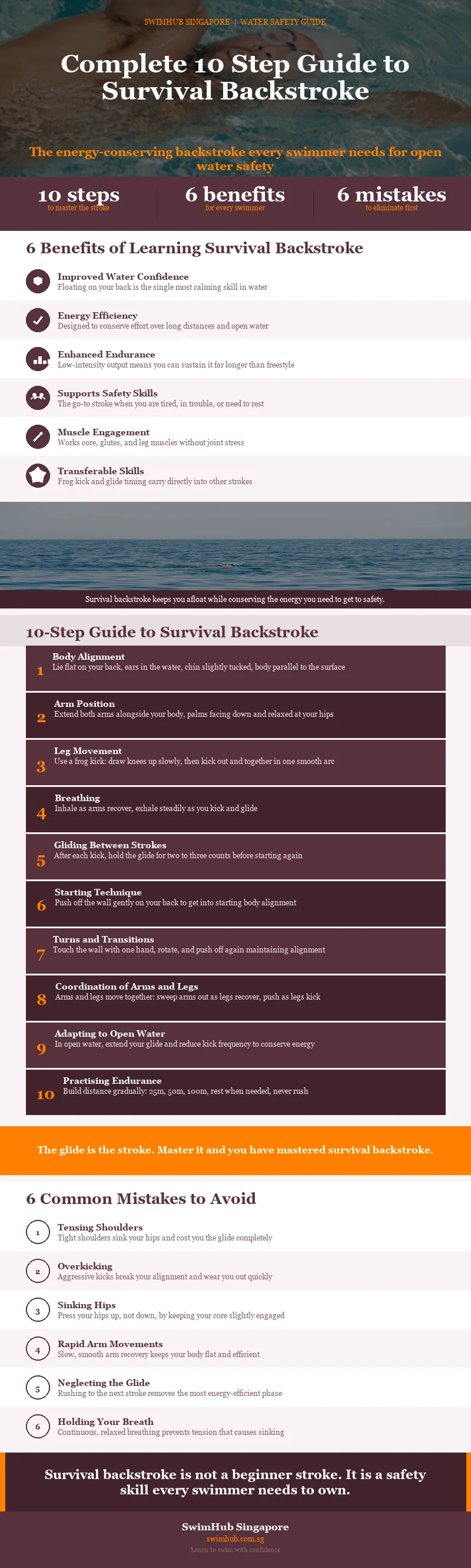
Frequently Asked Questions About Survival Backstroke
What Is Survival Backstroke?
A calm backstroke designed to conserve energy, keep your face above water, and maintain stability.
Who Can Learn Survival Backstroke?
Beginners, casual swimmers, and even experienced swimmers can benefit from the stroke.
What Are The Best Drills For Survival Backstroke?
Gliding, arm-only, leg-only, endurance, and combination drills improve coordination, strength, and confidence.
Does Practising Other Strokes Help?
Yes. Practising freestyle swimming, backstroke, and breaststroke improves endurance, coordination, and water comfort.
How Can I Swim Longer Using Survival Backstroke?
Focus on calm movements, gliding between strokes, steady breathing, and gradual endurance practice.
