
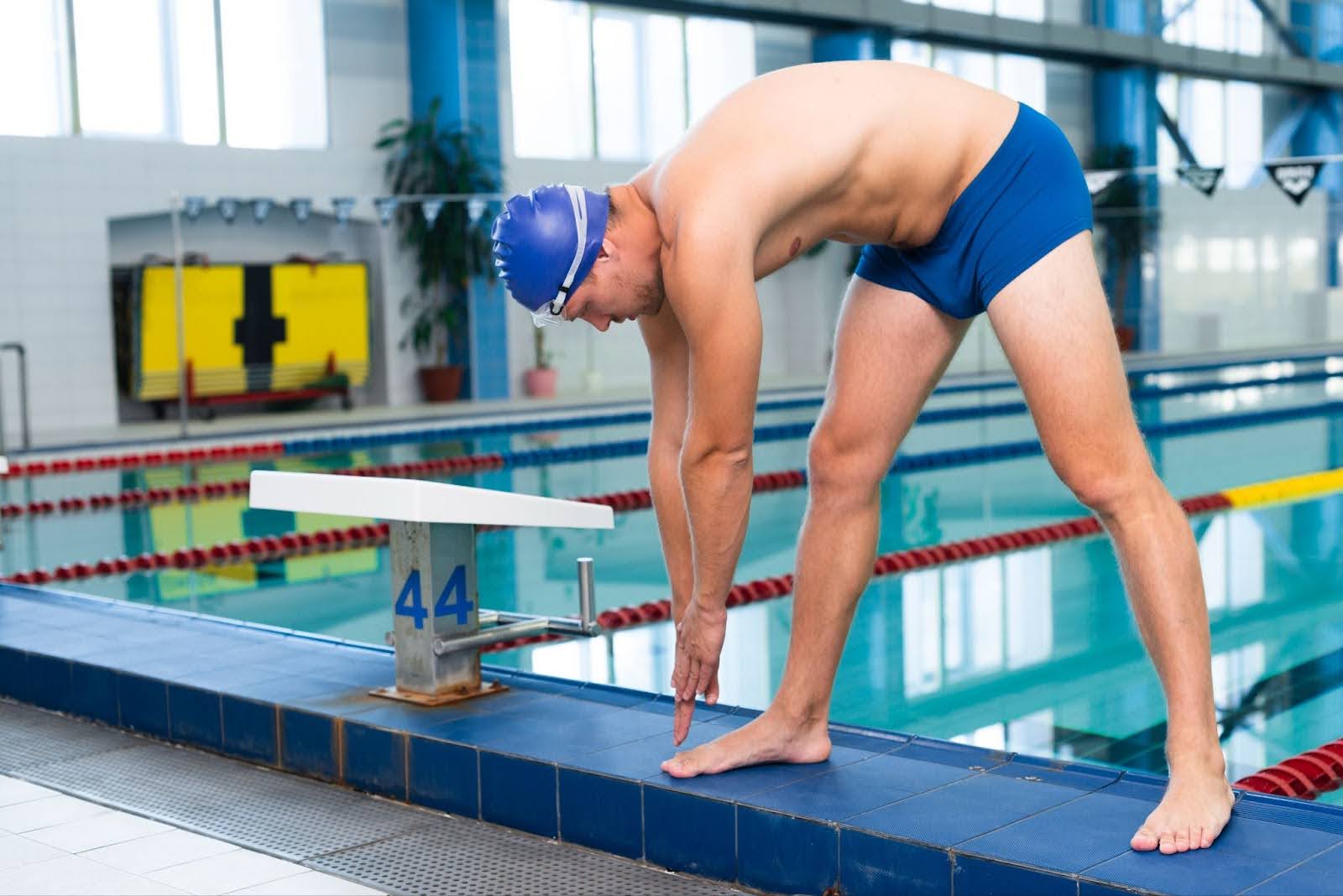
If you’ve ever watched swimmers train, chances are you’ve seen them holding a brightly colored board out in front of them as they kick across the pool. That small board, known as a kickboard, is more than just a training tool for beginners. It’s a powerful way to strengthen your legs, refine your kicking technique, and develop better control in the water.
Kickboard drills aren’t flashy, but they can make a big difference in how fast and efficiently you move.
What Are Kickboard Drills?
When you swim normally, your body coordinates the movement of both arms and legs. With a kickboard, the arms are supported at the surface, making your kicks the star of the show. This allows you to build muscle strength in your legs while also improving technique, since you can concentrate on things like ankle flexibility, kick rhythm, and propulsion.
Kickboard drills come in many forms, depending on the stroke you’re practising. You can work on flutter kicks for freestyle and backstroke, dolphin kicks for butterfly, or whip kicks for breaststroke. Whether you’re a beginner learning the basics or an advanced swimmer looking to shave seconds off your time, kickboard drills can be adapted to your needs.
Benefits of Kickboard Drills for Speed
Speed in swimming largely comes from powerful, efficient kicks. Kickboard drills target your lower body to help you generate stronger propulsion, improve technique, and sustain speed for longer distances.
- Builds Leg Strength: Stronger quadriceps, hamstrings, calves, and hip flexors all translate into more powerful kicks. Kickboard drills target these muscle groups directly, helping you push harder through the water.
- Improves Kick Efficiency: Practising with a kickboard makes it easier to focus on small details, like keeping your kicks narrow and controlled. Efficiency means you use less energy to go faster.
- Boosts Endurance: Repeated kickboard sets challenge your leg muscles and lungs. Over time, this endurance helps you maintain speed throughout a race or long-distance swim.
- Enhances Propulsion: Because the board isolates your legs, you’ll better understand how much of your speed comes from strong, well-timed kicks. This awareness helps you refine your stroke balance.
- Supports Stroke Transitions: Smooth transitions between strokes often depend on leg rhythm. Training with a kickboard makes it easier to carry speed from one stroke into another.
Benefits of Kickboard Drills for Control
Control in the water is just as important as speed. Kickboard drills teach swimmers how to maintain body alignment, balance, and breathing rhythm, all of which contribute to smoother, more controlled swimming.
- Promotes Body Alignment: By keeping your arms extended on the board, you learn to keep your body flat and streamlined, which reduces drag.
- Improves Balance: A kickboard challenges you to stabilise your hips and core while kicking. This balance carries over to all strokes.
- Develops Breathing Rhythm: Since your face can be in or out of the water during drills, it’s the perfect chance to practice how to breathe while swimming without breaking your rhythm.
- Builds Core Stability: Holding your body steady on the surface activates your abs and lower back, which are essential for maintaining control during full-stroke swimming.
- Teaches Patience and Consistency: Because kickboard drills can feel repetitive, they help you focus on consistency and form instead of rushing through laps.
How to Incorporate Kickboard Drills into Training
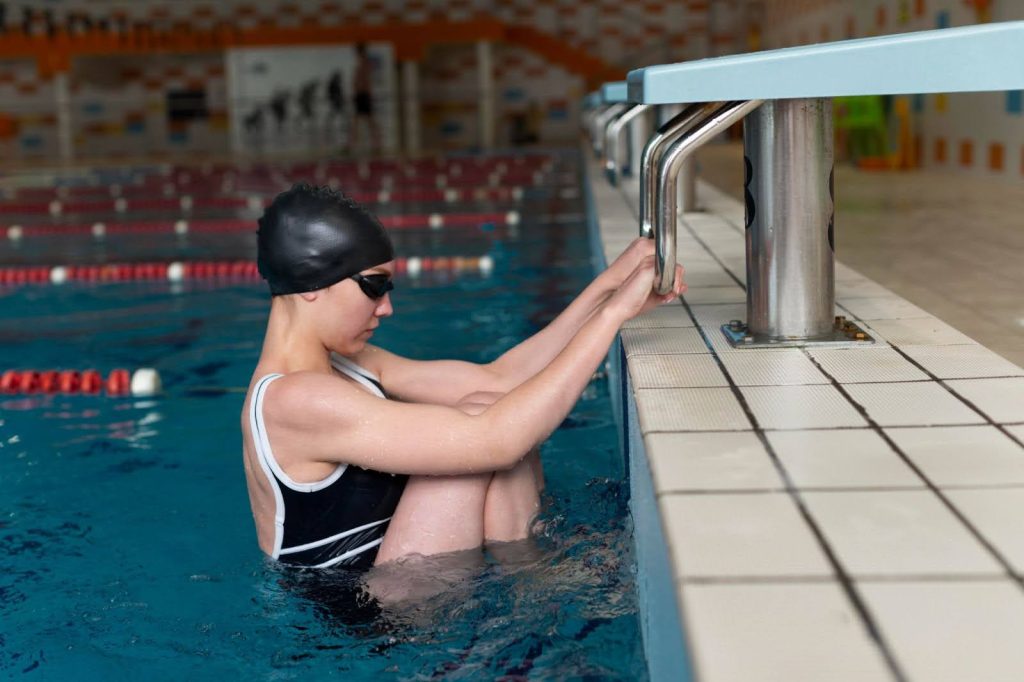
Kickboard drills can fit into almost any workout routine. The key is knowing when and how to use them so you gain strength, speed, and control without overworking your legs. Here are some effective ways to include them in your training sessions.
Warm-Up Integration
Start your workout with light kickboard drills after your warm-up exercises, before swimming. This helps loosen your ankles, get your heart rate up, and activate the muscles that drive your kick. Doing this early ensures you’re ready for more intense training later in the session.
Technique-Focused Sets
Dedicate a portion of your workout to short, controlled sets using a kickboard. Focus on details like ankle flexibility, pointed toes, and a consistent rhythm. This is especially useful if you’re working to correct common swimming mistakes that hold back your efficiency.
Endurance Training
Longer kickboard sets build stamina in your legs. Swim intervals of 100 to 200 meters while holding the board, resting briefly between sets. Over time, your muscles adapt, giving you the endurance to keep your speed steady during longer swims.
Stroke-Specific Practice
Each stroke benefits from different kickboard drills. Flutter kick sets for freestyle, dolphin kick drills for butterfly, and whip kicks for breaststroke let you strengthen stroke-specific techniques. This makes it easier to transfer improvements directly into your full-stroke swimming.
Recovery and Cool-Down
Kickboard drills can also serve as a gentle way to finish a session. Lighter, slower sets with the board help flush out lactic acid from your legs, making recovery smoother and preparing your body for the next workout.
Extra Tips to Maximise Results
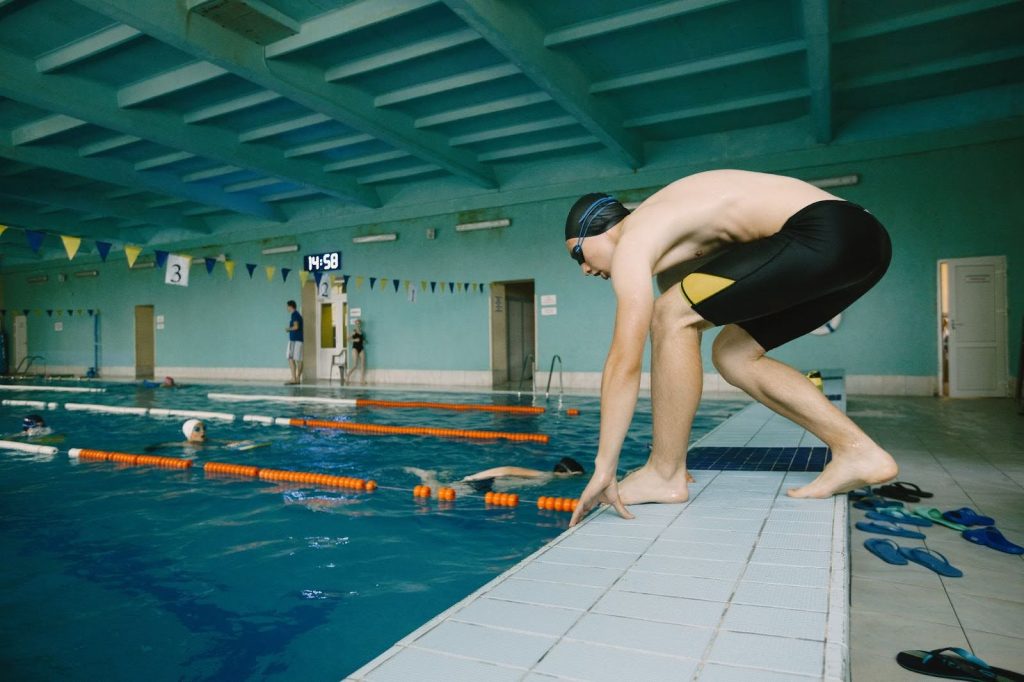
Kickboard drills are simple, but a few smart practices can help you get the most out of them.
- Use Proper Equipment: A good-quality kickboard offers stability and support without being too bulky.
- Focus on Technique: Don’t just kick harder; pay attention to body alignment and rhythm for lasting improvement.
- Vary Your Sets: Mix short sprints with longer endurance sets to challenge different aspects of speed and control.
- Track Progress: Keep notes on how far or fast you can kick over time. This helps you see measurable improvement.
- Combine with Full Strokes: After kickboard sets, practice full strokes to integrate stronger, more efficient kicks into your swimming.
Conclusion On Kickboard Drills
Kickboard drills may look simple, but their impact is huge. They help you develop speed, build endurance, and give you the control needed for smoother, more effective swimming. Whether you’re just starting out or refining your competitive edge, adding kickboard work to your routine can make a lasting difference.
At Swimhub, we’re passionate about helping swimmers at every level reach their full potential. If you’re ready to take your training further, get in touch with us today at Swimhub. We’d love to help you improve your technique, find the right gear, and answer your questions.
Contact us anytime to start your journey to faster, stronger swimming.
Frequently Asked Questions On Kickboard Drills
Do Kickboard Drills Make You Faster In Swimming?
Yes, they strengthen your legs and improve technique, which directly boosts speed.
How Often Should I Practice With A Kickboard?
Most swimmers benefit from including kickboard sets two to three times per week.
Can Beginners Use A Kickboard Effectively?
Absolutely. Kickboards are perfect for building leg strength and confidence in the water.
What Strokes Benefit Most From Kickboard Drills?
Freestyle, backstroke, butterfly, and breaststroke all improve when kickboard drills are included.
Should I Use Fins With A Kickboard For Better Results?
Yes, fins can add resistance and build strength, but they should be used in moderation.
