
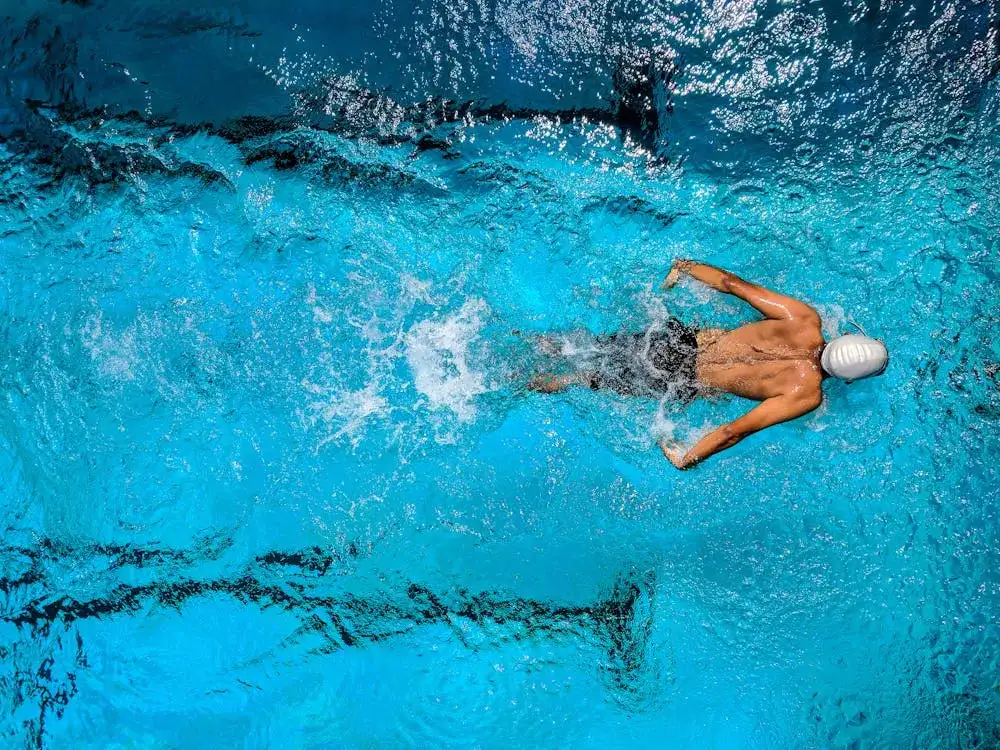
Many athletes thrash through the water with a high heart rate but barely glide forward. This frustration demands a shift in perspective from sheer effort to noticing the finer details of aquatic movement.
Swimmers solve this problem by asking what is swolf in swimming to unlock the ultimate metric for tracking true efficiency. A simple calculation of time plus strokes per lap reveals a baseline score and provides realistic benchmarks to target.
A high-tech smartwatch displays the numbers, but only an expert instructor possesses the outside eye required to identify drag-inducing mistakes. Personalised coaching guarantees that swimmers apply tiny technique improvements safely instead of risking injury through unguided trial and error.
What Exactly Is SWOLF In Swimming?
The Definition Of Swim Golf (SWOLF)
Swim golf, or SWOLF, acts as an efficiency score combining speed and stroke count. A lower number indicates that a swimmer uses less energy to cross the pool.
How To Calculate Your SWOLF Score
You calculate this metric by adding the time it takes to swim one length to the number of strokes taken. A swimmer who takes 40 seconds and 20 strokes to complete a lap earns a score of 60.
What Is A Good SWOLF In Swimming?
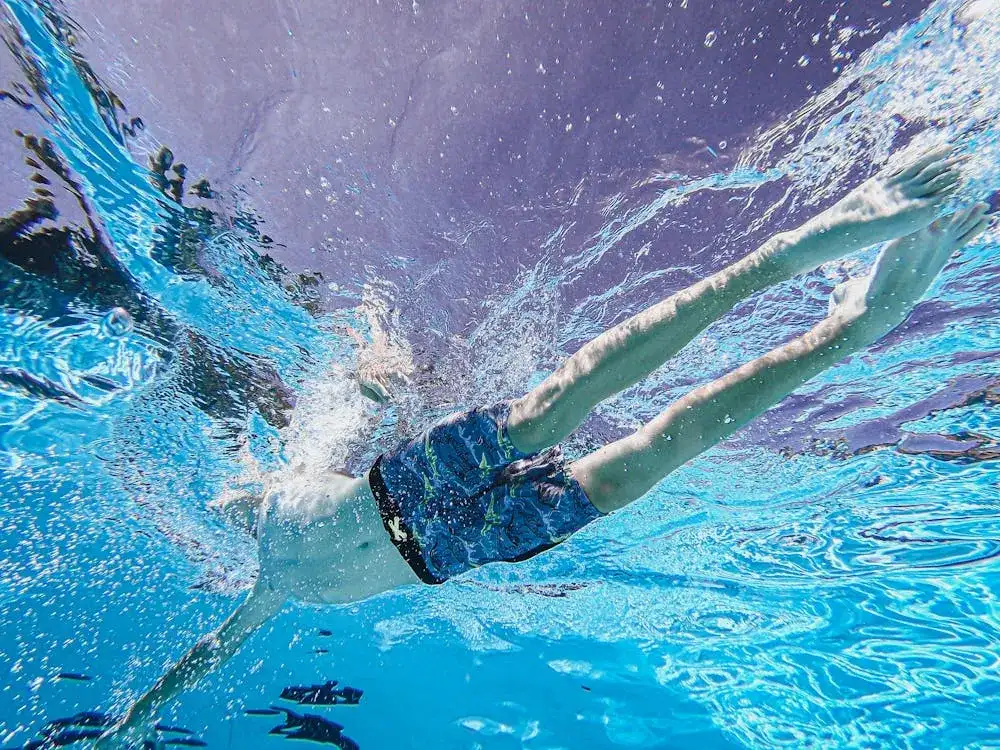
A good score depends heavily on the pool length and the swimmer’s height. People constantly ask what is a good swolf in swimming to measure their progress against standard benchmarks.
Average SWOLF Scores For Beginners
Beginners typically see scores hovering around 80 to 90 in a 25-metre pool. These higher numbers reflect a developing technique where the swimmer relies on rapid movements rather than smooth glides.
Average SWOLF Scores For Advanced Swimmers
Advanced athletes consistently achieve scores between 60 and 70. Elite competitors can even drop below 50 by mastering perfect body alignment and powerful underwater pulls.
SWOLF Benchmarks For Children And Young Swimmers
Young swimmers naturally generate higher scores due to their shorter wingspans and smaller stature. Parents tracking what is average swolf in swimming for children should look for a baseline score of around 90 to 100 as a starting point.
Why Pool Length Matters For Your SWOLF Score
Pool length completely changes the baseline math for this calculation. You cannot compare a score from a short course pool directly to a long course pool without adjustments.
Calculating SWOLF In A 25-Metre Pool
The 25-metre pool gives lower overall numbers because the distance requires less time and fewer arm rotations. Swimmers also gain a massive advantage from the initial push off the wall.
Calculating SWOLF In A 50-Metre Pool
A 50-metre pool demands significantly more endurance and yields much higher numbers. The single turn provides less momentum relief over the total distance.
7 Effective Ways To Lower Your SWOLF Score
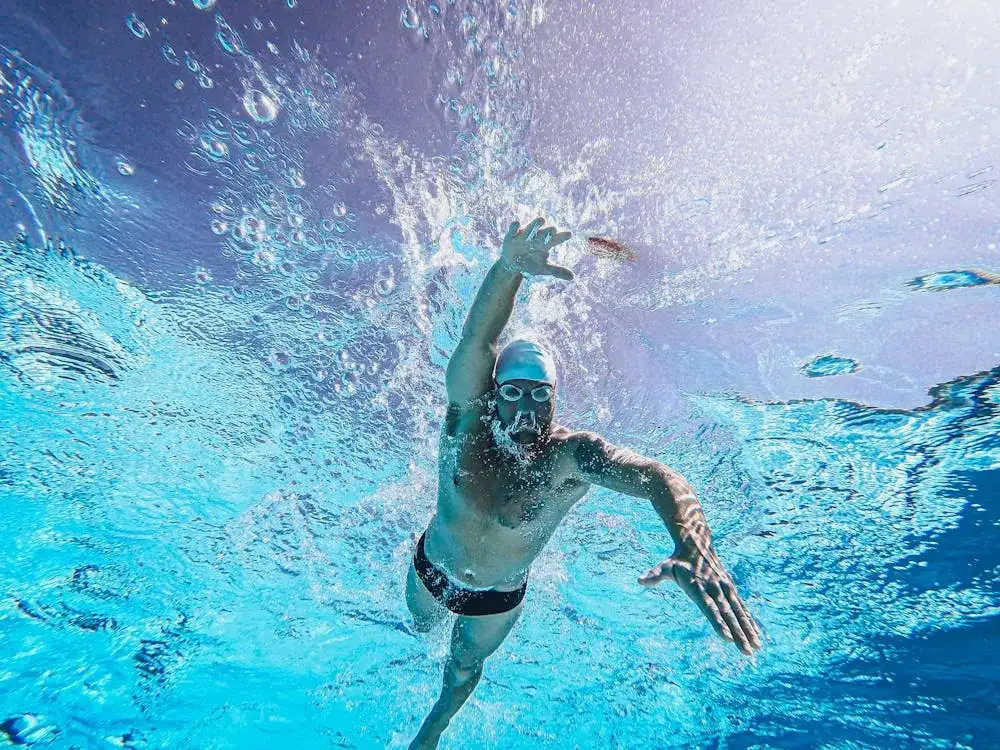
Athletes must dedicate focus to technique rather than just raw fitness to lower this score. Swimmers implement specific strategies to cover more distance with less effort.
Method 1: Maximise Your Distance Per Stroke
Swimmers must extend their reach fully on every single arm pull. A longer glide phase directly reduces the total number of strokes needed per lap.
Method 2: Optimise Your Breathing Technique
Proper air control prevents the hips from sinking and maintains a hydrodynamic body position. Swimmers must learn exactly how to breathe while swimming by rotating the head slightly rather than lifting it entirely out of the water.
Method 3: Improve Your Streamline Off The Wall
The push-off represents the fastest part of any swim. A tight, arrow-like streamline maintains this free momentum and shaves vital seconds off the clock.
Method 4: Maintain A Consistent Kick Rhythm
A steady flutter kick acts as an engine that drives the body forward between arm pulls. Swimmers must avoid excessive splashing and focus on kicking directly from the hips.
Method 5: Practise Catch-Up Drills
Catch-up motions force the athlete to leave one arm extended forward while the other completes a full rotation. These targeted swimming drills for beginners build balance and reinforce the concept of a patient, gliding stroke.
Method 6: Track Progress With A Swimming App Or Smartwatch
Modern wearable technology automatically counts strokes and tracks lap times accurately. These devices provide instant feedback so athletes can adjust their technique mid-workout.
Method 7: Focus On Smoothness Over Pure Speed
Frantic movements through the water create drag and exhaust muscles quickly. Swimmers achieve better results by staying relaxed and prioritising a smooth, continuous rhythm.
Common Mistakes To Avoid When Tracking SWOLF
Many athletes obsess over the final number and inadvertently develop bad habits to manipulate the outcome. True efficiency requires a careful balance of speed and sustainable form.
Mistake 1: Gliding Too Long Between Strokes
Excessive gliding creates a dead spot in the stroke where forward momentum completely stops. The swimmer then wastes massive amounts of energy trying to accelerate from a standstill.
Mistake 2: Sacrificing Technique For A Lower Stroke Count
Some swimmers kick frantically or contort their bodies just to take one less arm pull. This approach ruins overall efficiency and often leads to painful shoulder injuries.
Conclusion About What Is SWOLF In Swimming
The pursuit of a lower score transforms a frantic workout into an elegant display of aquatic mastery. Data empowers athletes to measure true progress and refine every single movement in the water.
SwimHub offers expert guidance to translate these metrics into real-world results through personalised instruction. Our certified coaches provide structured adult swimming lessons, engaging kids swimming lessons, and highly convenient private condo swimming lessons tailored to every unique pool and skill level.
Contact us today to schedule your first session!
Frequently Asked Questions About What Is SWOLF In Swimming
How Often Should I Test My SWOLF Score?
Swimmers should test their score once every two weeks during a structured practice session. This frequency allows enough time for technique adjustments to take effect without causing an obsession over daily numbers.
Is SWOLF Useful For Open Water Swimming?
This metric becomes less reliable outside of the pool because currents and lack of walls change the distance and stroke mechanics. Triathletes must understand the nuances of open water vs pool swimming but still use the metric indoors to build base efficiency.
Does SWOLF Apply To All Swimming Strokes?
You can apply this formula to any stroke, but it remains most popular and effective for freestyle and backstroke. Breaststroke and butterfly rely heavily on different glide mechanics that make direct comparisons difficult.
What Equipment Do I Need To Track This Metric?
A basic waterproof stopwatch and mental counting work perfectly for manual tracking. Most modern fitness watches automatically calculate the score using internal accelerometers.
Will A Faster Kick Lower My Score?
A strong flutter kick propulsion reduces reliance on the arms and can effectively lower your overall stroke count. Swimmers must ensure the extra leg effort does not cause their lap time to increase from sheer exhaustion.
Can Taller Swimmers Get Better Scores?
Taller athletes naturally possess longer wingspans that allow them to cover more distance per stroke. Shorter swimmers must compensate by maximising their streamline and maintaining a highly efficient turnover rate.
