
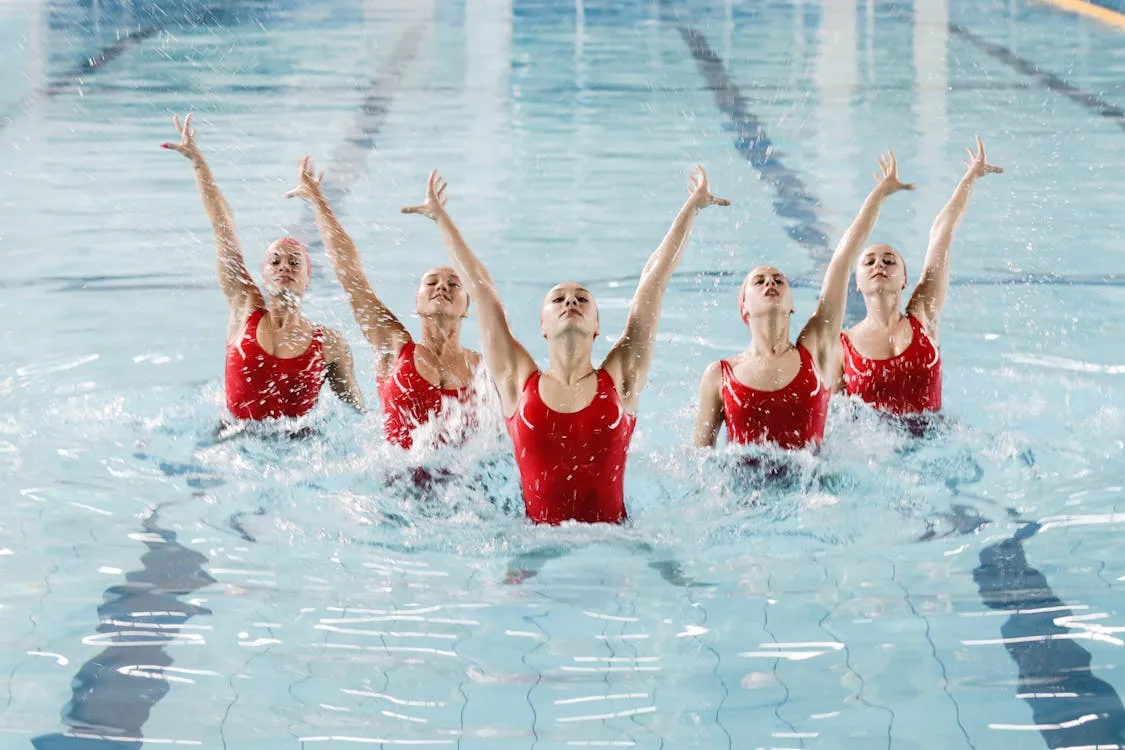
Observers watching an intricate aquatic routine discover a masterclass in the art of noticing. Precise micro-movements demand intense water awareness just to stay afloat gracefully.
Anyone wondering what is artistic swimming will discover a demanding sport that perfectly blends gymnastics, dance, and sheer endurance. Participants must build core strength and water survival skills through structured swimming lessons before attempting complex figures.
A strong mastery of these biomechanically safe techniques provides a secure foundation for any future aquatic arts. The following breakdown explores the fascinating mechanics behind the sport and the foundational steps needed to begin.
1. The Exact Definition Highlights Artistic Swimming As A Hybrid Sport
Formal Recognition Defines The Discipline
The official definition describes this discipline as an aquatic sport combining swimming, gymnastics, and dance. Athletes perform complex, synchronised routines in the water accompanied by music.
Athleticism Meets Artistic Expression
Competitors showcase immense strength and flexibility while maintaining perfect grace. The sport requires individuals to blend intense physical exertion with seamless artistic flair.
2. The Discipline Was Formerly Known As Synchronised Swimming
A Historic Name Change Occurred In 2017
The international governing body officially changed the name from synchronised swimming to artistic swimming in 2017. This decision helped modernise the global identity of the discipline.
The Title Emphasises True Artistic Merit
The new nomenclature better highlights the creative and highly expressive nature of the sport. The focus shifted beyond just timing to encompass the overall aesthetic value.
3. Basic Water Survival Sets The Foundation For These Routines

Absolute Water Confidence Comes First
Absolute water confidence acts as the ultimate prerequisite for this demanding activity. Swimmers must feel entirely secure in deep water before learning any choreographed movements.
Foundational Mechanics Precede Complex Figures
Basic swimming mastery remains a non-negotiable requirement for anyone interested in the sport. A solid grasp of standard strokes ensures the swimmer possesses the stamina needed for advanced training.
4. Performers Need Exceptional Breath Control For Underwater Sequences
Hypoxic Training Pushes Physical Limits
Swimmers use specialised hypoxic training methods to perform complex sequences while holding their breath underwater. Elite practitioners push the human body to adapt to incredibly low oxygen levels.
Long Routines Require Massive Oxygen Reserves
Extensive breath control remains necessary to safely execute routines that often last over three minutes. Athletes master how to breathe while swimming efficiently to safely maximise their lung volume.
5. Aquatic Athletes Develop Core Power Through Eggbeater Kicks

The Technique Generates Hands-Free Vertical Lift
Competitors rely heavily on the powerful eggbeater kick technique to generate upward force. This constant kicking requires massive lower body strength to propel the athlete out of the water.
Beginners Must Grasp Basic Treading First
Students must properly grasp how to tread water using this highly efficient technique before attempting any advanced lifts. The fundamental motion provides the continuous upward thrust required for upright poses.
6. Sculling Hand Movements Provide Absolute Stability During Inversions
Rapid Motions Keep The Upper Body Supported
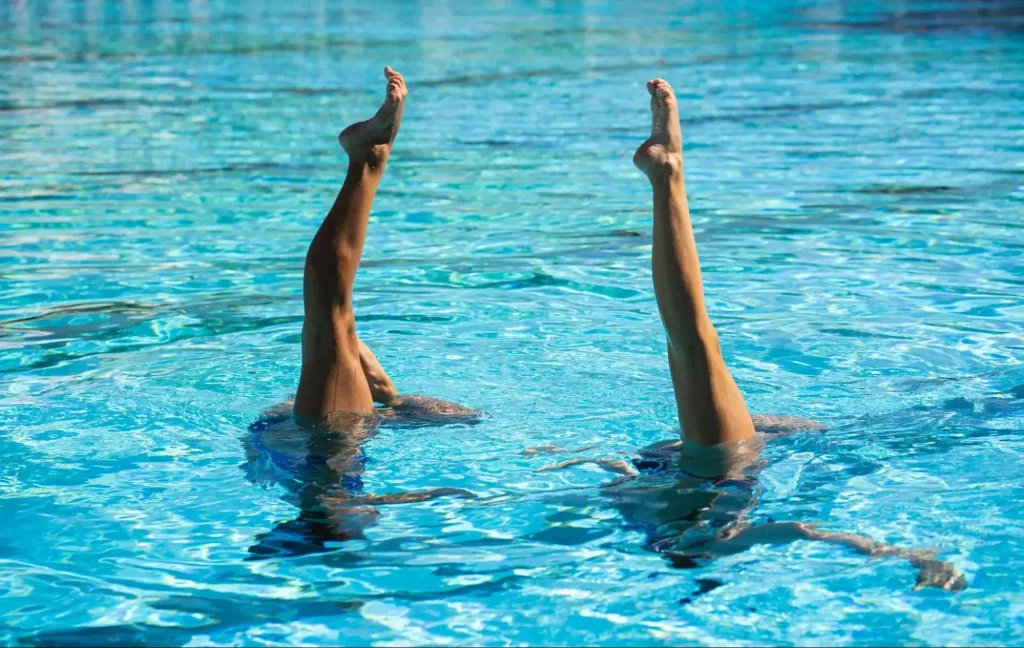
Sculling serves as the primary hand technique used to manipulate water pressure for stability. These rapid figure-eight motions keep the upper body supported while inverted.
Competitors Use Sculling To Avoid Touching The Floor
Advanced sculling techniques allow performers to stay elevated without ever touching the pool bottom. Judges penalise competitors heavily if they use the floor for assistance or leverage.
7. Synchronised Teams Use Land Drills To Perfect Routine Timing
Deck Practice Builds Essential Muscle Memory
Athletes use a common language of hand and arm movements on the pool deck before entering the water. This vital practice builds the specific muscle memory needed for the routine.
Dryland Drills Remove Aquatic Resistance
Dryland run-throughs allow teammates to master perfect synchronisation and timing. Teams remove the physical challenge of water resistance to focus entirely on visual and musical cues.
8. Gelatin Keeps Artistic Swimmers’ Hair Perfectly In Place

The Hot Mixture Acts As A Waterproof Seal
Competitors brush multiple thick coats of unflavoured gelatin into their hair before a competition. The hot water mixture hardens into a rigid, waterproof shell.
A Rigid Shell Prevents Obstructed Vision
The gelatin ensures the hair stays perfectly in place during rigorous underwater movements. Swimmers can perform complex flips without loose strands blocking their sight.
9. Nose Clips Prevent Accidental Water Inhalation During Acrobatic Figures
The Device Blocks Water During Inversions
Small plastic clips pinch the nostrils shut to block water from entering the respiratory system. This simple tool remains vital for athletes performing rapid upside-down spins.
Athletes Keep Spares Hidden In Their Swimsuits
Performers often keep extra clips hidden in their swimsuits just in case one falls off during a rigorous routine. A quick replacement ensures they can continue moving safely.
10. Choreographed Water Routines Rely On Specialised Underwater Speakers
Sound Equipment Broadcasts The Music Below
Underwater speakers transmit the routine audio directly into the pool so athletes can hear the beat below the surface. Sound travels incredibly fast in water, requiring precise speaker placement.
Auditory Cues Keep The Entire Team Synchronised
This equipment ensures the team stays perfectly synchronised regardless of their submerged position. The churning water severely limits visibility, making auditory cues absolutely essential.
11. Men And Women Now Compete Together In Mixed Aquatic Categories
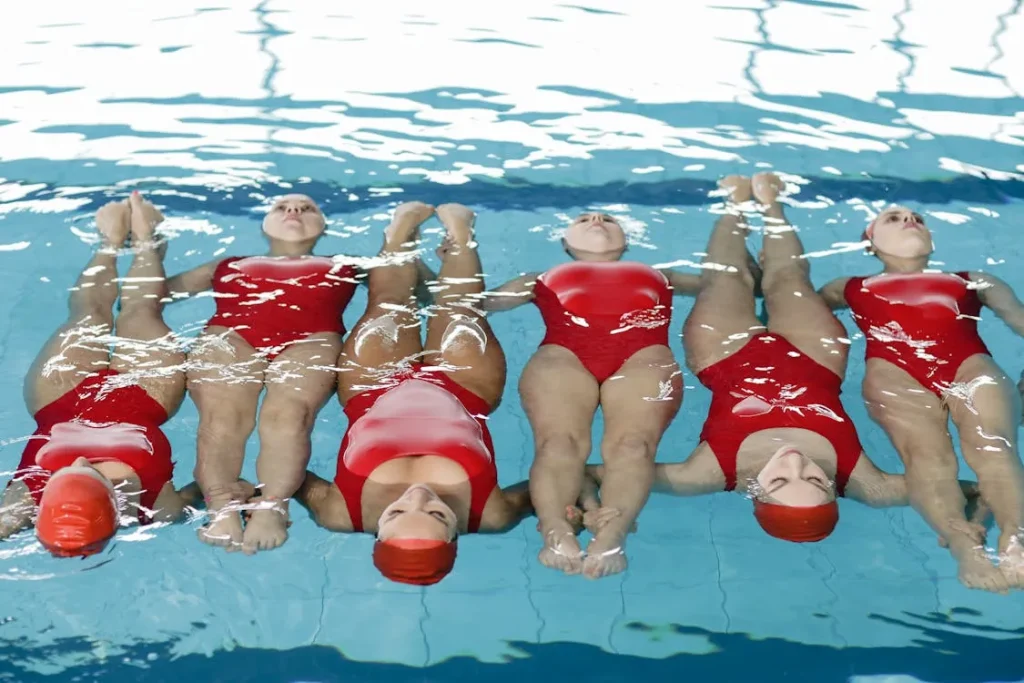
Mixed Duets Welcome Male Competitors
Historic changes in Olympic and international rules actively encourage men to compete alongside women in mixed duet events. This inclusion marks a massive shift for the traditionally female-dominated sport.
Eight-Person Teams Integrate Both Genders
Men are also fully integrated into the larger eight-person team routines at the highest levels of competition. This progression allows for dynamic new strengths and acrobatic lift combinations.
12. Athletes With Disabilities Participate In Para-Artistic Swimming
Adaptive Programmes Foster Athletic Growth
Specialised programmes provide tiered training and athletic development for athletes with cognitive and physical disabilities. These thoughtful initiatives focus heavily on long-term skill progression.
Inclusive Sports Build Massive Confidence
Para-artistic swimming promotes long-term athletic growth, social independence, and mental wellbeing. Participants build robust self-esteem and deep camaraderie through dedicated teamwork.
13. Judges Score Water Performances Based On Execution And Synchronisation
The Panel Evaluates Movement Cleanliness
Judges carefully look for clean movements, maximum height out of the water, and perfect timing between teammates. Any lack of control immediately leads to severe point deductions.
Artistic Scores Assess Musical Interpretation
Performers earn scores based on their choreography, facial expressions, and how seamlessly they match the music. The artistic impression score heavily rewards unique creativity and fluidity.
14. Modern Artistic Rules Apply A Strict Mathematical Degree Of Difficulty
Coaches Declare Routines On A Submitted Card
Modern scoring utilises specific mathematical formulas where coaches must declare the exact difficulty of their routine beforehand. Judges check every performed move against the submitted document.
Errors Receive Severe Base Mark Penalties
Mistakes or missed elements trigger a strict base mark that severely lowers the final score. This unforgiving system forces coaches to carefully calculate risk versus reward.
15. Complex Aquatic Movements Build Full-Body Muscular Strength
Rigorous Routines Isolate Core And Leg Muscles
Athletes isolate individual muscles constantly to build immense strength over time. Fitness enthusiasts wondering does swimming build muscle quickly discover that these athletes become incredibly powerful by fighting against aquatic gravity.
Dynamic Manoeuvres Improve Joint Flexibility
The sport requires extreme ranges of motion and supreme agility. These intense demands rank artistic swimmers among the most flexible and conditioned athletes in the world.
Conclusion About What Is Artistic Swimming
This comprehensive overview highlights exactly what is artistic swimming and why it demands such rigorous physical discipline. A flawless foundation ensures participants remain safe while executing these complex aquatic movements.
SwimHub swim school provides private condo swimming lessons and group classes for all ages across Singapore’s swimming complexes to build this exact foundation.
Our certified coaches deliver engaging toddler swimming lessons, structured kids swimming lessons, and comprehensive adult swimming lessons with consistent results.
Contact us today to book your first swimming lesson!
Frequently Asked Questions About What Is Artistic Swimming
Do Artistic Swimmers Touch The Bottom Of The Pool?
Athletes never touch the bottom of the pool during a competitive routine. Judges issue severe penalties if a swimmer uses the floor for assistance or leverage.
How Do Swimmers Hear The Music Underwater?
Specially designed underwater speakers broadcast the routine music beneath the surface. This equipment allows the team to maintain precise timing while completely submerged.
What Do Artistic Swimmers Put In Their Hair?
Competitors paint unflavoured food gelatin onto their hair before a competition. This natural gel hardens quickly and stops hair from covering their faces underwater.
Why Do Artistic Swimmers Wear Nose Clips?
Small plastic clips pinch the nostrils shut to block water from entering the respiratory system. This simple tool remains vital for athletes performing rapid upside-down spins.
How Long Do Swimmers Hold Their Breath?
Elite competitors regularly hold their breath for up to one minute during complex underwater sequences. They train extensively to increase their lung capacity and manage oxygen efficiently.
Can Beginners Try Artistic Swimming Immediately?
Beginners must secure strong water survival skills and stroke mechanics first. A foundational class guarantees the swimmer possesses the stamina required for this demanding sport.
