
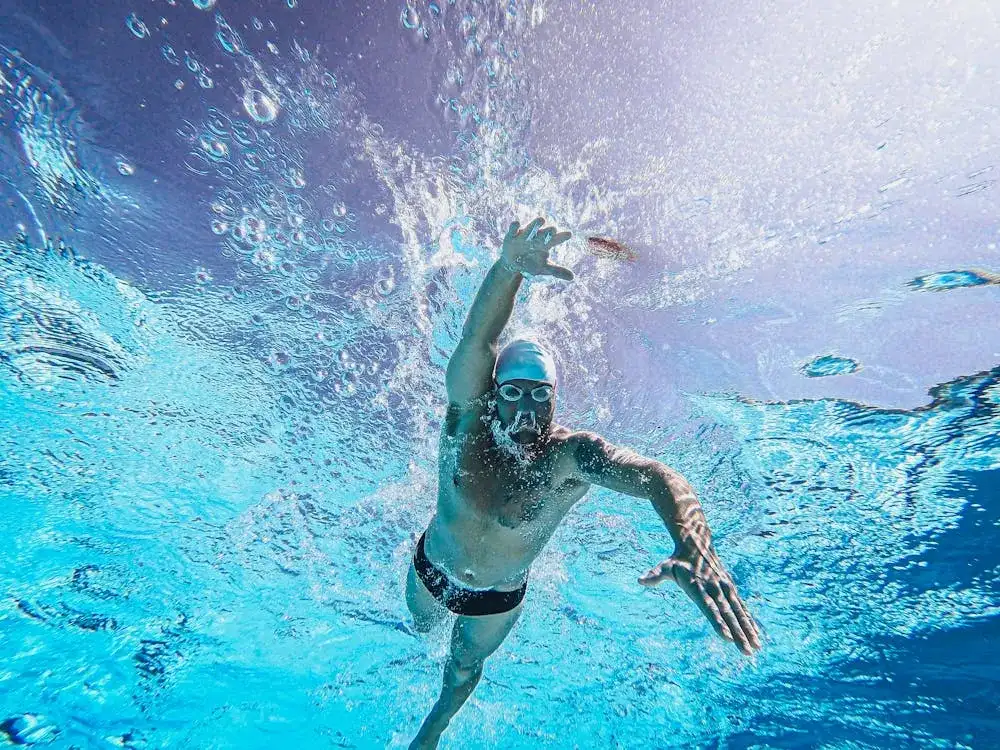
A casual swimmer often feels a sense of inadequacy when a faster athlete zips past in the adjacent lane. This comparison leads many beginners to worry that their slower speed indicates a lack of progress or poor ability.
The definition of what is a good swimming pace rests on technical efficiency and personal safety rather than pure speed. Beginners typically target a steady 2:30 to 3:00 minutes per 100 metres, whereas more experienced fitness swimmers often reach 1:45 to 2:15 minutes.
Realistic benchmarks and professional guidance help swimmers track their improvement without unnecessary pressure. This guide explains how to define success through efficiency and offers practical methods to refine water skills.
What Exactly Is A Good Swimming Pace?
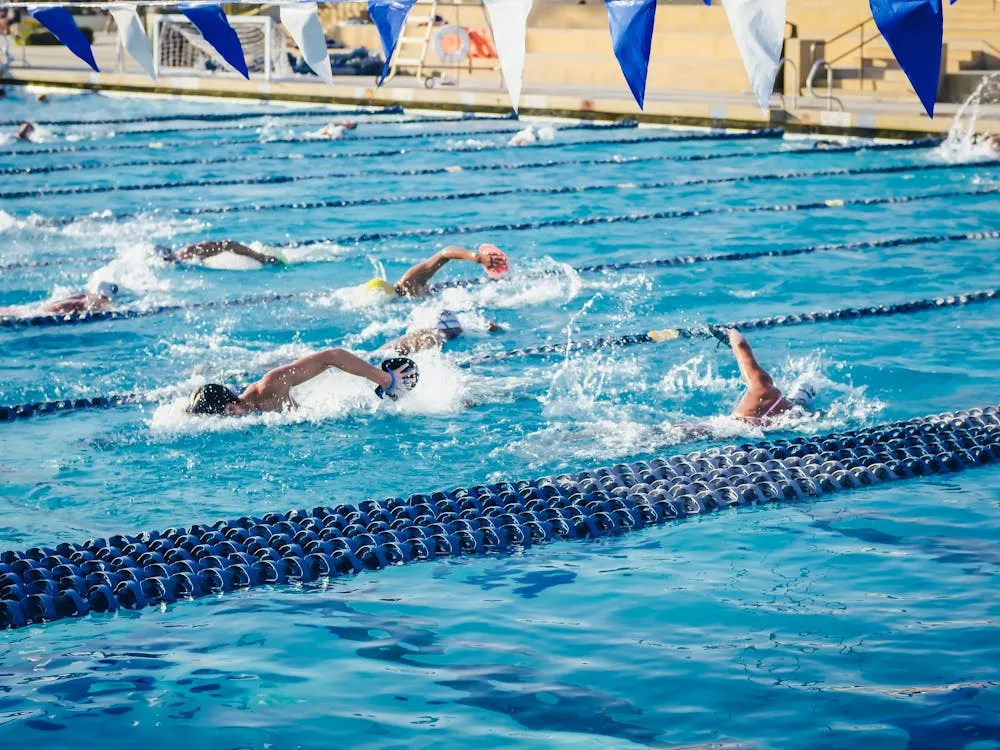
A good swimming pace serves as a benchmark for efficiency and cardiovascular health in the water. This metric represents the time taken to cover a specific distance, usually measured per 100 metres.
A Good Swimming Pace For Beginners
A good swimming pace for beginners is usually between 2:30 and 3:00 minutes for every 100 metres. This speed allows a novice to concentrate on their form without becoming overly breathless.
A Good Swimming Pace For Intermediate Swimmers
Intermediate swimmers typically maintain a pace between 1:45 and 2:15 minutes per 100 metres. This level of speed demonstrates a solid grasp of stroke mechanics and improved cardiovascular fitness.
A Good Swimming Pace For Advanced Swimmers
Advanced swimmers often achieve a pace faster than 1:30 minutes per 100 metres. These individuals possess highly refined techniques and high levels of physical conditioning.
A Good Swimming Pace For Triathletes
Triathletes often target a pace of 1:30 to 2:00 minutes per 100 metres to save energy for the cycling and running portions. Consistency over long distances is the primary goal for these endurance athletes.
A Good Swimming Pace For Open Water Swimmers
Open water swimmers usually aim for a pace that accounts for currents and waves while maintaining a steady rhythm. These conditions often require a slightly slower pace than pool swimming to manage navigation and safety.
Factors That Influence Your Swimming Pace
Several physical and environmental factors influence your swimming pace during a workout.
Your Chosen Swimming Stroke
Freestyle is generally the fastest swimming stroke for most people due to its continuous propulsion. Breaststroke and backstroke usually result in a slower pace because of their higher resistance or different muscle requirements.
Your Age And Gender
Physiological differences and age-related changes in muscle mass naturally affect the speed a person can maintain in the water. Younger swimmers and those with higher lean muscle mass often record faster times.
The Length Of The Pool
The length of the pool changes the number of turns a swimmer makes, which can significantly impact the overall pace. Short course pools allow for more push-offs from the wall, often leading to slightly faster times compared to long course Olympic pools.
Your Overall Fitness Level
A high level of cardiovascular fitness allows the body to transport oxygen to the muscles more efficiently during a swim. Swimmers with better heart and lung health can maintain a brisk pace for longer periods.
Your Stroke Efficiency And Technique
Good stroke efficiency means a swimmer moves further through the water with each movement. Better technique reduces wasted energy and directly leads to a faster pace.
Your Use Of Swimming Equipment
Swim tools like fins or hand paddles alter the amount of power a swimmer generates in each stroke. These items can temporarily increase pace and help build specific muscle strength.
Ways To Measure Your Current Swimming Pace
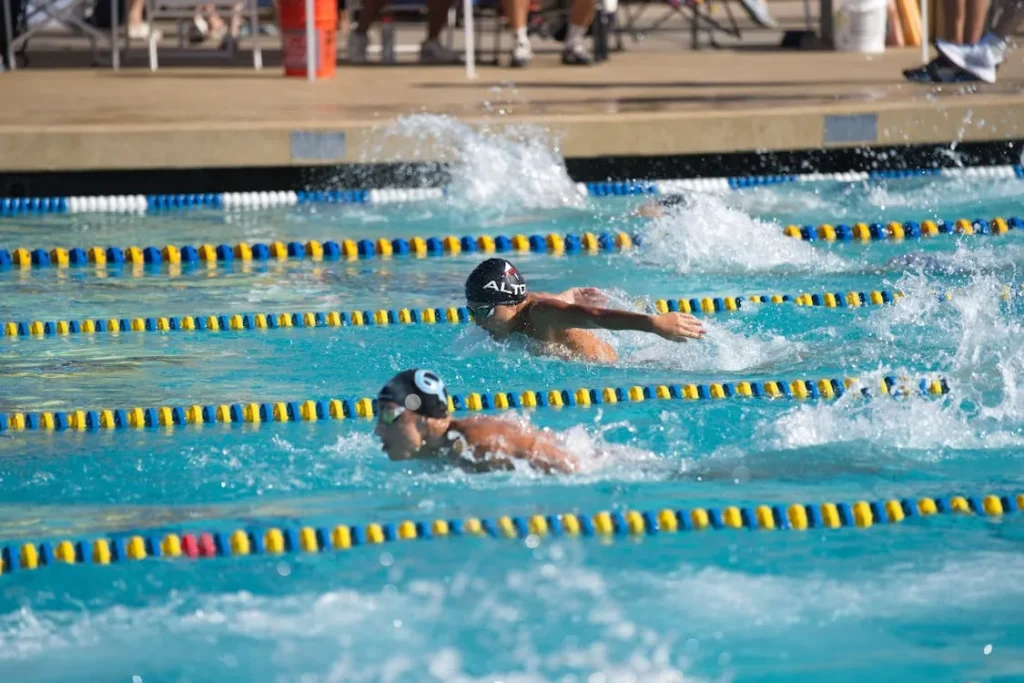
Swimmers use several reliable ways to measure their current swimming pace and track their progress over time.
Using A Waterproof Smartwatch
These devices provide instant feedback on lap times and stroke rates directly on the wrist. This technology automatically records data to allow for long-term analysis of speed improvements.
Calculating Your Critical Swim Speed
This measurement represents the theoretical pace a swimmer can maintain indefinitely without exhaustion. The determination involves a simple timed test over two different distances.
Using The Pool Pace Clock
The large clock at the pool side is a traditional tool for manual time tracking. Swimmers note their start and finish times for each set to determine their split speeds.
Gauging Your Rate Of Perceived Exertion
This subjective scale measures how hard a swimmer feels they are working on a scale of one to ten. This method is effective for those who prefer to train by feel rather than relying on digital devices.
Tracking Your Stroke Count Per Length
The count of individual movements helps determine how efficiently the body moves through each lap. A lower stroke count usually indicates higher efficiency and a better overall pace.
Why Pacing Is Important For Swimming Without Getting Tired
Correct pacing is important for swimming without getting tired because it prevents the premature accumulation of lactic acid.
Prevents Early Exhaustion
A steady rhythm ensures the body does not burn through its energy stores too quickly. This balance allows a person to complete their planned distance without needing frequent breaks.
Builds Cardiovascular Endurance
Paced swimming keeps the heart rate within a target zone that strengthens the heart and lungs over time. Consistent effort at a manageable speed is the most effective way to improve long-term stamina.
Ensures Safe And Manageable Workouts
The maintenance of a controlled pace reduces the risk of overexertion and physical injury. Safe speeds ensure that the swimmer remains in control of their movements and environment.
Reduces Performance Anxiety In The Water
A focus on a personal pace instead of competing with others builds confidence and reduces stress. This approach makes the experience more relaxing for beginners and fitness enthusiasts.
Allows You To Focus On Proper Technique
A slower, controlled pace gives the mind time to process the details of stroke mechanics. Swimmers can consciously adjust their hand entry or kick when they are not struggling for breath.
Makes Swimming More Enjoyable And Sustainable
A comfortable pace transforms a workout from a chore into a pleasant activity. People are more likely to return to the pool regularly when they do not finish every session feeling completely drained.
How To Improve Your Swimming Pace Safely
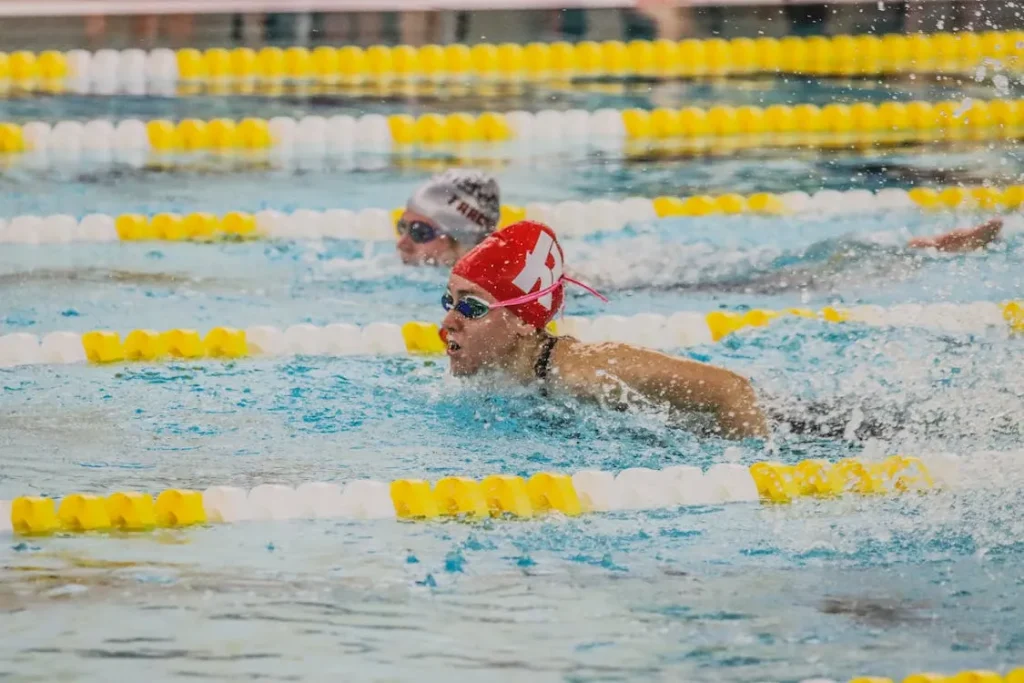
Swimmers can improve their swimming pace safely by focusing on technical refinements and structured training.
Focus On Breathing Technique
Efficient breath control ensures the muscles receive enough oxygen for sustained movement. Proper exhalation underwater prevents CO2 build-up and reduces the feeling of panic or fatigue. Success in learning how to breathe while swimming is a fundamental skill that underpins every fast lap.
Reduce Your Drag In The Water
A streamlined body position allows a swimmer to move through the water with minimal resistance. This alignment is one of the most effective swimming tips for beginners who want to see immediate results.
Maintain Consistent Training Sessions
Regular pool visits build the specific muscle memory and fitness required for a better pace. Progress is most noticeable when a person sticks to a weekly schedule.
Practise Specific Swimming Drills
Targeted drills isolate different parts of the stroke to fix technical weaknesses. These exercises help swimmers master the components of a fast and efficient pull.
Pace Yourself For Different Goals
The speed for a sprint workout should differ significantly from the speed for a long-distance endurance session. Swimmers achieve better results when they match their pace to the specific objectives of their training.
Avoid Starting Too Fast
The temptation to sprint at the start of a session often leads to rapid fatigue. A gradual build-up in intensity allows the body to warm up properly and maintain speed for longer.
Use A Pull Buoy For Targeted Training
This floatation device keeps the legs buoyant so the swimmer can concentrate entirely on their arm stroke. This tool supports swimming safety by allowing the swimmer to focus on form without worrying about sinking.
Count Your Strokes Per Length
The reduction of the number of strokes taken to cross the pool indicates an increase in power and efficiency. This metric is a clear indicator that the swimming pace is improving.
Invest In Professional Swimming Lessons
Certified instructors provide the objective feedback necessary to identify and correct stroke flaws. Expert guidance ensures that students learn the most efficient paths to their speed goals.
Incorporate Interval Training Sets
Interval training involves short bursts of speed followed by brief rest periods. This method challenges the heart and lungs to adapt to higher speeds over time.
Improve Your Turn And Push-Off Speed
The push-off from the wall is the fastest part of any pool lap. Strong kicks and tight streamline positions during the turn can shave seconds off the total time.
Conclusion About What Is A Good Swimming Pace
Success in the water is measured by consistency and comfort rather than just the numbers on a stopwatch. This guide provides the benchmarks and methods needed to track progress and build confidence at every skill level.
Swimhub swim school provides adult swimming lessons, kids swimming lessons, and toddler swimming lessons across Singapore. Their specialized team of instructors ensures that students of all ages learn to swim efficiently, safely, and joyfully in private or public pools.
Contact us today to book your swimming lessons in Singapore!
Frequently Asked Questions About What Is A Good Swimming Pace
What Is A Good 100m Swim Time For A Beginner?
A good 100m time for a beginner is typically between 2:30 and 3:00 minutes. This range shows that the swimmer is moving comfortably and safely through the water.
How Long Should It Take To Swim 1 Mile?
An average swimmer usually takes between 35 and 45 minutes to swim one mile. More experienced athletes might complete this distance in under 30 minutes.
Does Swimming Faster Burn More Calories?
Yes, swimming at a faster pace increases the heart rate and energy expenditure. The body requires more fuel to overcome water resistance at higher speeds.
How Do I Stop Getting Out Of Breath While Swimming?
The best way to stop getting out of breath is to maintain a slower, more controlled pace. The maintenance of a steady exhalation into the water keeps the breathing cycle calm.
Is Breaststroke Slower Than Freestyle?
Breaststroke is generally slower than freestyle because the recovery phase happens under the water, creating more drag. This stroke requires more energy to maintain the same speed as a freestyle crawl.
