
Anyone wondering what is individual medley swimming soon discovers it is the ultimate aquatic achievement, functioning as a seamless system of well-practised routines rather than a test of pure exhaustion. Observers often mistake this flawless execution for raw talent instead of meticulous technical mastery.
Many adults hit frustrating fitness plateaus, and parents frequently worry about their children stalling in aquatic progression. This atomic habit approach shifts the focus from an intimidating challenge to the manageable process of mastering one safe movement at a time.
Readers will uncover the exact mechanics required to safely conquer this routine through biomechanical form corrections and daily improvements. The following sections break down the necessary transitions and breath control strategies to elevate any swimmer’s confidence.
What Is Medley Swimming?
The Definition Of A Swimming Medley
A swimming medley combines four entirely different swimming techniques into a single, continuous race or training routine. Swimmers must rely on versatility and adaptability to transition smoothly between each unique style.
The Exact Stroke Order
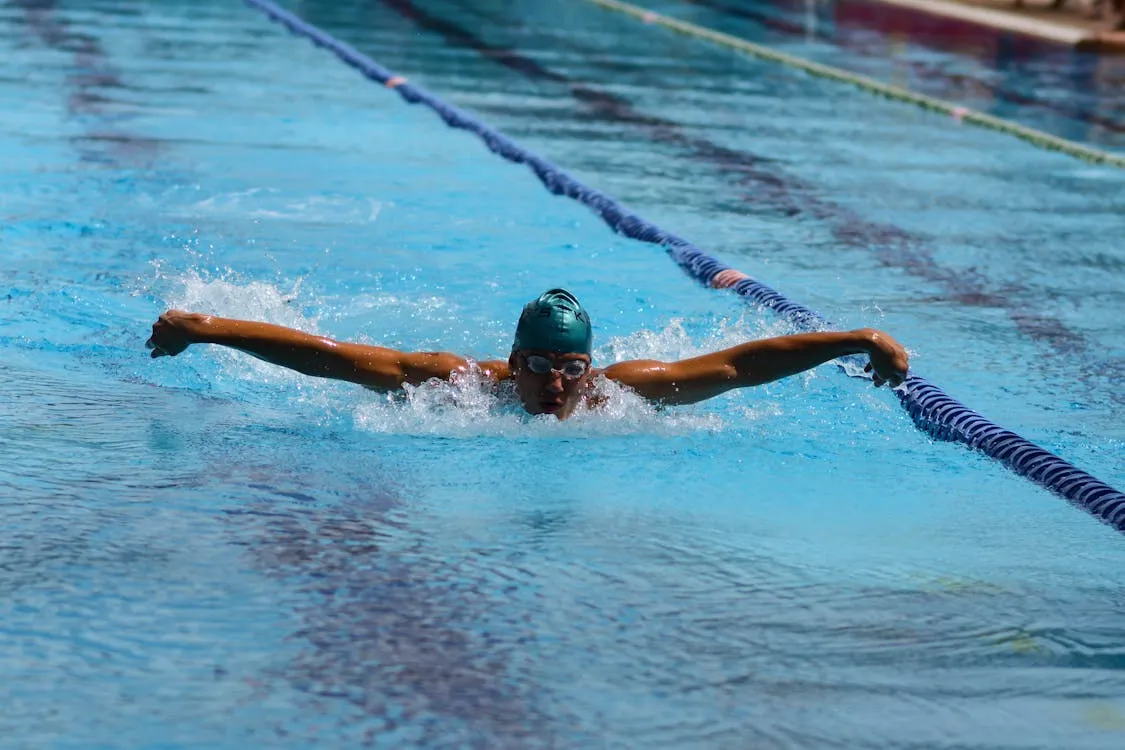
Athletes follow a strict progression starting with the butterfly, followed by the backstroke, the breaststroke, and finally the freestyle. This specific arrangement ensures swimmers do not lose momentum while switching muscle groups. Proper sequencing remains the foundation of the medley swimming style.
How To Perform The Medley Swimming Style
Perfecting The Butterfly Start
Swimmers begin the race with the butterfly stroke, which demands significant upper body strength and precise timing. Instructors focus on building a rhythmic dolphin kick to propel the body forward efficiently. Swimmers can learn more about mastering this specific technique in our guide on butterfly swimming.
Transitioning To The Backstroke
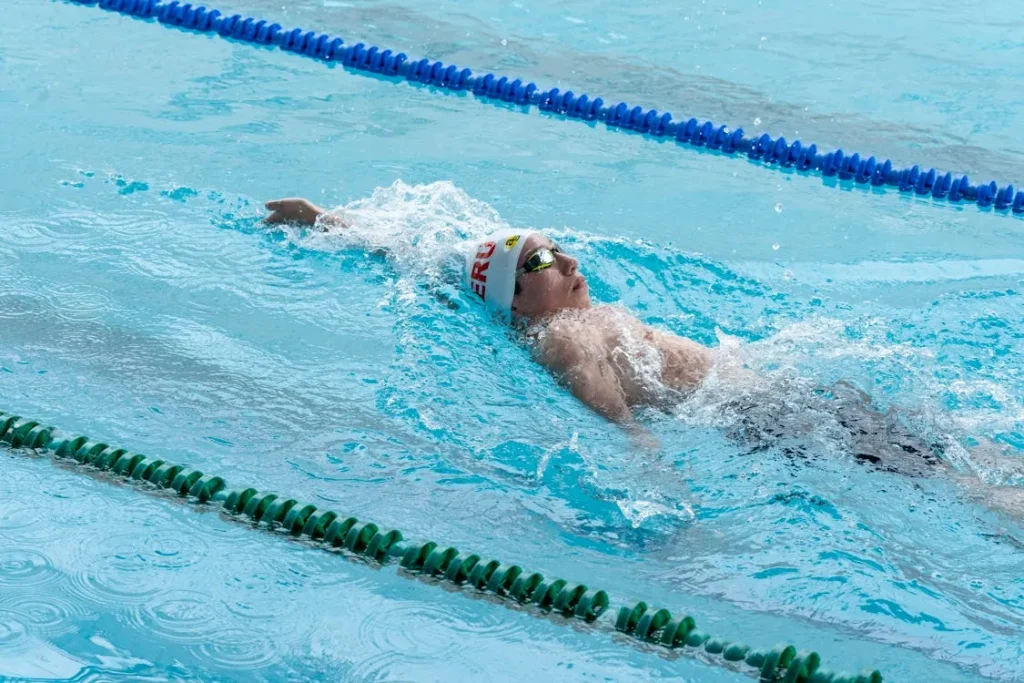
The first major transition requires the swimmer to flip onto their back immediately after touching the wall. Athletes must pull water forcefully while maintaining a streamlined posture to avoid drag.
Mastering The Breaststroke Leg
The third segment introduces the breaststroke, giving the swimmer a slight recovery period while relying heavily on a powerful frog kick. Correct biomechanics ensure the knees and ankles move safely without strain. Athletes can greatly improve this phase by reading about dedicated breaststroke swimming techniques.
Finishing With The Freestyle Sprint
Competitors close the race by executing a high-speed freestyle sprint to the finish line. Swimmers use their remaining energy reserves to maintain a rapid flutter kick and a consistent breathing pattern. Proper execution of flip turn swimming keeps momentum high during the final laps.
Why You Should Try A Swimming Medley
Breaking Through Fitness Plateaus
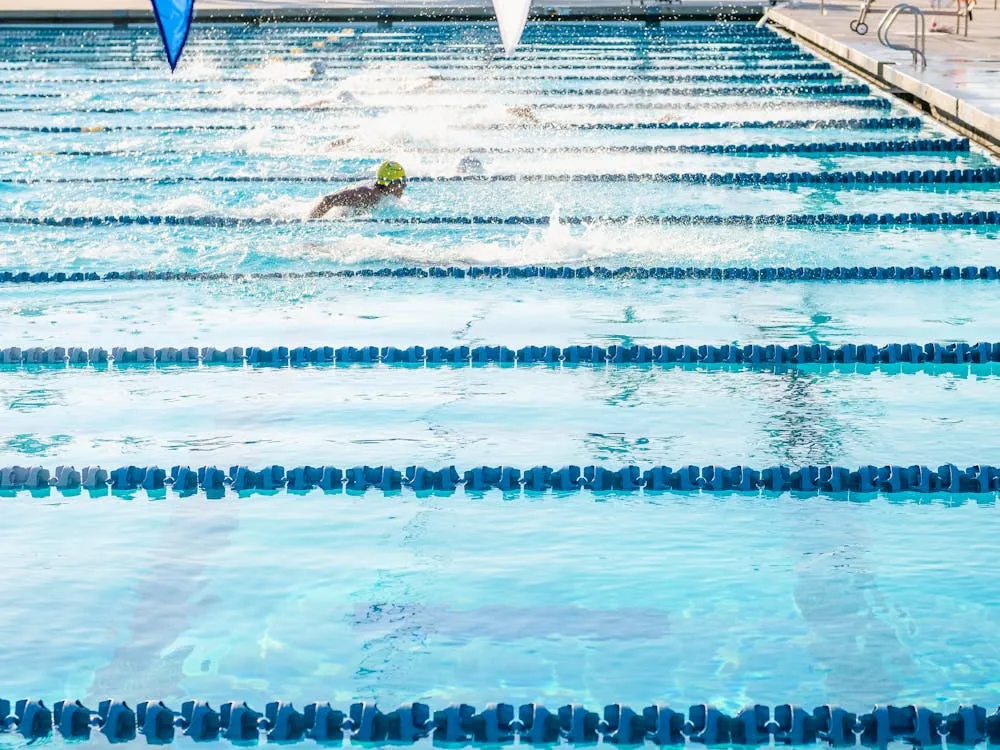
Adults who swim the same routine every week often experience stalled fitness results. A medley routine forces the body to adapt to changing demands, which rapidly improves cardiovascular endurance.
Building Well-Rounded Muscle Groups
Athletes ensure balanced muscle development by practising different types of swimming strokes rather than overworking a single area. This variety targets the core, shoulders, legs, and back equally.
Preventing Overuse Swimming Injuries
Swimmers reduce their risk of repetitive strain by constantly shifting the physical load between different muscle groups. Proper instruction helps athletes avoid the most common swimming injuries associated with poor form. Safety remains the highest priority when combining multiple techniques.
Conclusion About Medley Swimming
Medley swimming transforms standard pool routines into a comprehensive test of endurance and technique. Consistent practice builds atomic habits that ensure safe and efficient transitions across all four strokes.
SwimHub provides private lessons and group classes for all ages in private and public pools across Singapore. Our specialised team of instructors offers kids swimming lessons, toddler swimming lessons, and adult swimming lessons to ensure everyone learns safely.
Contact us today via our contact page to book your first class and master every stroke!
Frequently Asked Questions About Medley Swimming
What Does Medley Mean In Swimming?
A medley refers to a single event where a swimmer or a team swims a combination of four different strokes. This format tests overall aquatic versatility rather than specialisation in just one technique.
What Is The Difference Between Individual Medley And Medley Relay?
An individual medley features one swimmer executing all four strokes in sequence. A medley relay involves a team of four swimmers, with each member swimming a different designated stroke.
How Long Is A Standard Medley Race?
Competitive individual medleys usually cover distances of 100, 200, or 400 metres. The race distance determines how many lengths of the pool each specific stroke requires.
Can Beginners Try Medley Swimming?
Beginners can attempt a medley once they learn the basic mechanics of all four major strokes. Structured coaching helps novices link these movements safely without causing excessive fatigue.
Which Stroke Is The Hardest In A Medley?
Many athletes consider the butterfly the most difficult portion due to the intense upper body strength required at the start. The transition from backstroke to breaststroke also presents a significant technical challenge.
How Can Swimmers Improve Their Medley Transitions?
Swimmers improve their transitions by practising precise wall touches and open turns for each specific stroke change. Focused drill work allows athletes to switch muscle groups smoothly without losing speed.
