
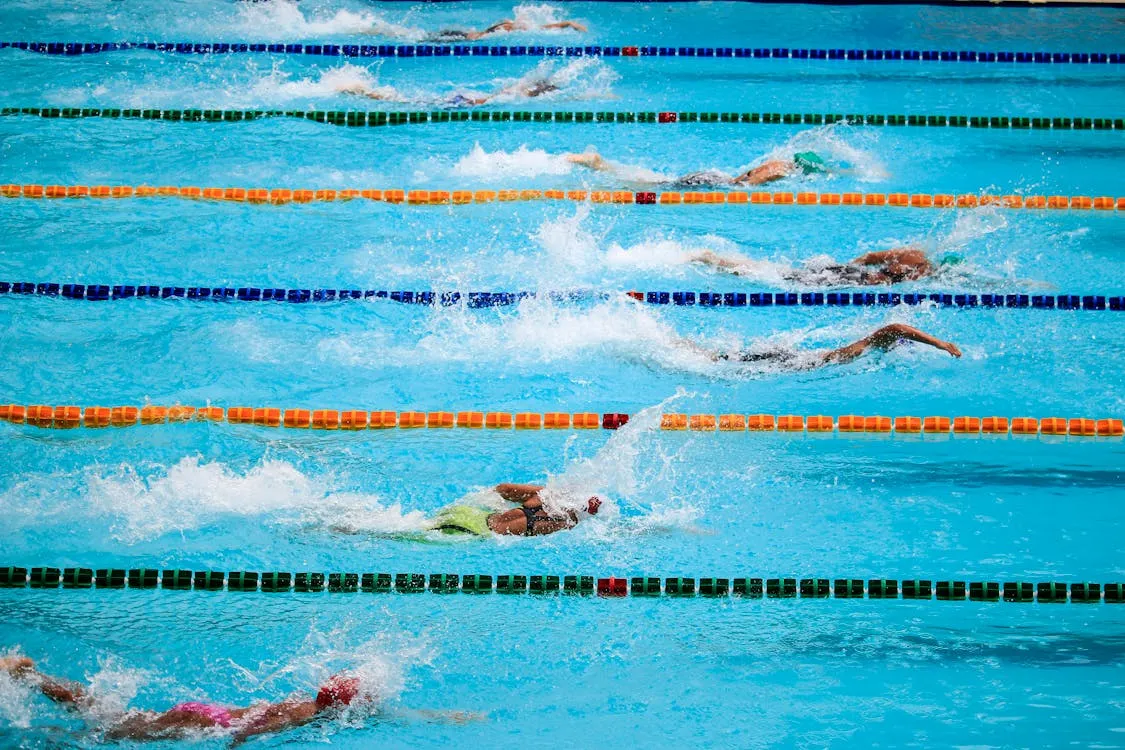
Athletes display phenomenal skill when they seamlessly switch their swimming styles mid-lap. Swimmers often master a single technique flawlessly but struggle immensely when attempting to string four entirely different biomechanical movements together in one race.
A clear grasp of exactly what is individual medley swimming unlocks the ultimate blueprint for complete water mastery and aquatic safety. This demanding event requires a strict sequence of the butterfly, backstroke, breaststroke, and freestyle, which athletes learn through highly supervised drills focusing on transitions and breath control.
Dedicated instructors provide the watchful eyes necessary to ensure every movement is executed with biomechanically safe form. Professional guidance prevents the injuries and bad habits that frequently develop when people try to teach themselves these complex sequences.
What Is Individual Medley In Swimming?
The individual medley is a competitive swimming event where a single athlete swims four different strokes in one continuous race. Athletes must demonstrate exceptional versatility and stamina to complete this rigorous aquatic challenge.
The Definition Of The Individual Medley
A clear definition of what is individual medley in swimming means looking at the ultimate test of an athlete’s technical ability. Swimmers transition through four unique styles without stopping, which proves their comprehensive water mastery.
The Standard Stroke Order For The Event
The mandatory sequence requires athletes to perform four different types of swimming strokes in a specific order: butterfly, backstroke, breaststroke, and freestyle. Competitors face immediate disqualification if they alter this exact order during a race.
The Distances Swum In Competitions
Competitions typically feature this event in distances of 100, 200, and 400 metres. Short course pools host the 100-metre sprint, while both short and long course venues host the gruelling 200 and 400-metre races.
Why Should Swimmers Train For The Individual Medley?
Swimmers train for the individual medley because it builds balanced muscular strength and prevents the physical burnout associated with practising only one technique. This comprehensive training approach creates a much stronger, more adaptable athlete.
Improves Overall Swimming Versatility
Regular practice across all four disciplines forces the body to adapt to varied movements and breathing patterns in the water. Versatile athletes can easily switch between events and handle unexpected challenges during competitive meets.
Prevents Overuse Injuries By Balancing Muscle Groups
A routine of multiple techniques distributes physical stress evenly across the shoulders, back, and legs. This balanced approach actively prevents the most common swimming injuries that occur when athletes repeatedly strain the exact same muscles.
Builds Better Aerobic Capacity And Endurance
The act of switching between different muscle demands mid-swim forces the cardiovascular system to work significantly harder. Athletes develop superior lung capacity and stamina that translates to better performance in any aquatic event.
Develops Stronger Core Stability And Technique
Every transition and stroke change requires immense core engagement to keep the body aligned and streamlined. A strong core directly improves propulsion and reduces drag in the water.
Keeps Training Fun And Engaging For Young Swimmers
Frequent changes to routines prevent boredom and keep younger athletes mentally stimulated during long practice sessions. Variety in the pool encourages consistent attendance and a lifelong passion for the sport.
How Has The Individual Medley Evolved Over Time

The individual medley has evolved from a simple three-stroke race into a highly regulated, four-stroke showcase of modern athletic technique. Historical changes to the rules have continuously pushed swimmers to swim faster and train harder.
Early Origins And The Three-Stroke Era
Early versions of this event only included the backstroke, breaststroke, and freestyle disciplines. Competitors swam these three styles sequentially before the governing bodies recognised the need for a more challenging format.
The Introduction Of The Butterfly Stroke
Officials officially added the butterfly swimming technique to the medley in the early 1950s after it became an independent competitive stroke. This addition transformed the event into the gruelling four-part race we recognise today.
Modern Changes To Rules And Turns
Recent decades have seen strict updates to the rules governing how athletes transition at the wall. Judges now closely monitor the specific touch requirements for each stroke to ensure absolute fairness.
How Can You Improve Your Individual Medley Performance?
You can improve your individual medley performance by isolating your weakest stroke and drilling the complex transitions between each unique style. Focused, strategic practice yields faster times than simply swimming laps mindlessly.
Master The Individual Medley Turns And Transitions
Efficient transitions shave critical seconds off a race time. Swimmers must practice the specific open turns and flip turn swimming techniques required to switch legally from one stroke to the next.
Pace Your Energy Across All Four Strokes
Energy management dictates success in this gruelling event. Athletes need a calculated strategy to push hard on their strongest legs while conserving enough breath to finish the final freestyle sprint.
Focus On Your Weakest Stroke During Practice
Races are frequently lost during an athlete’s least proficient discipline. Dedicated practice time to correct biomechanical flaws in that specific stroke prevents opponents from gaining a massive lead.
Incorporate Specific Individual Medley Swim Workouts
Structured workouts that break the race into smaller segments help build the specific endurance required. Coaches often prescribe broken medleys and reversed-order sets to challenge the body in new ways.
What Are The Common Mistakes In Individual Medley Swimming?
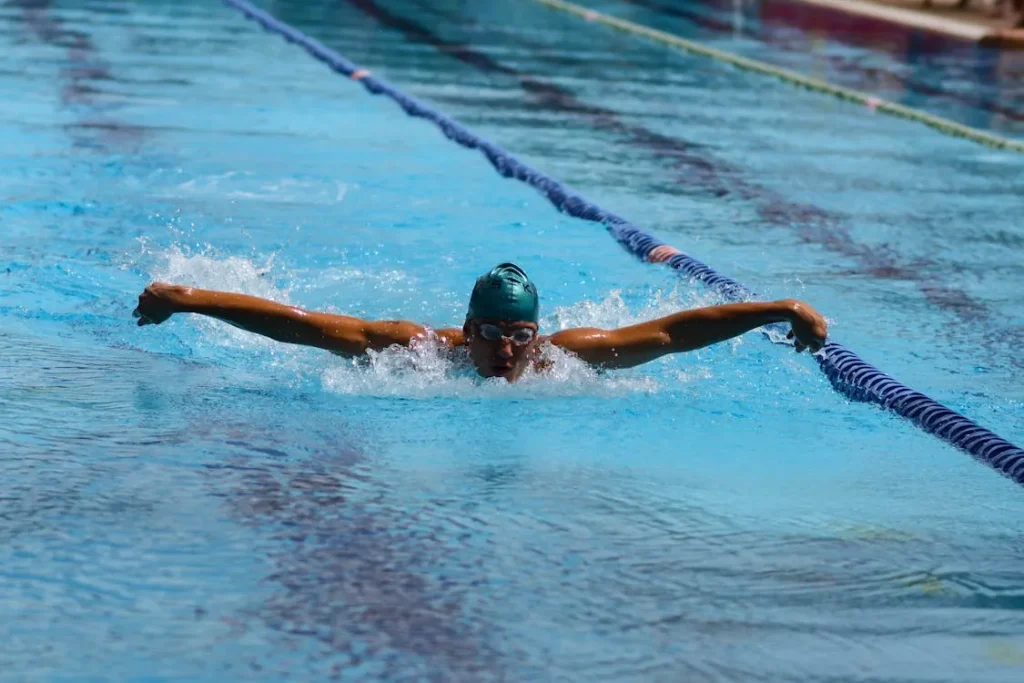
Common mistakes in individual medley swimming include mismanaging energy early in the race and executing illegal touches during the transitions. These errors frequently result in exhaustion or immediate disqualification from the event.
Rushing The Butterfly Leg And Burning Out
Sprinters often attack the initial butterfly leg with far too much aggression. This strategic error floods the muscles with lactic acid and destroys the athlete’s pace for the remaining three strokes.
Performing Illegal Turns Or Finishes
Swimmers frequently face disqualification for failing to touch the wall with two hands during the butterfly or breaststroke segments. Judges watch these technical details closely during every transition.
Neglecting The Backstroke To Breaststroke Transition
The switch from backstroke to breaststroke is biomechanically awkward and requires a very specific crossover or bucket turn. Many athletes lose valuable time here because they fail to practice this specific manoeuvre.
Losing Momentum On The Final Freestyle Leg
Fatigue easily sets in by the time a swimmer reaches the final freestyle segment. Competitors who neglect their aerobic conditioning will visibly slow down and sacrifice their lead in the final metres.
Conclusion About What Is Individual Medley Swimming
Mastery of what is individual medley swimming transforms an average swimmer into a highly versatile and resilient aquatic athlete. This rigorous four-stroke discipline demands technical precision, strategic pacing, and unwavering dedication to continuous improvement.
SwimHub provides comprehensive aquatic education through tailored kids swimming lessons, comprehensive adult swimming lessons, and convenient private condo swimming lessons. Certified instructors deliver structured guidance to ensure every student learns efficient and safe techniques across all stroke disciplines.
Contact us today to book a lesson and elevate your swimming journey!
Frequently Asked Questions About What Is Individual Medley Swimming
What Is The Hardest Stroke In The Individual Medley?
The butterfly is widely considered the most difficult stroke due to the massive upper body strength and precise timing required. It intentionally appears first in the sequence when the athlete has the most energy.
Can You Swim Any Stroke During The Freestyle Leg?
Competitors can technically swim any style during the freestyle leg, provided it is not the butterfly, backstroke, or breaststroke. Athletes universally choose the front crawl because it is the fastest and most efficient option.
How Long Does It Take To Learn The Individual Medley?
Dedicated beginners might take several months to a year to learn the basic mechanics of all four individual strokes safely. True mastery and competitive speed require years of consistent practice and professional technical correction.
Is The Individual Medley Good For Beginners?
The full sequence is generally too physically demanding for absolute beginners to attempt all at once. Novices should focus on mastering each stroke individually before combining them into a continuous medley.
What Is The Difference Between The Individual Medley And A Medley Relay?
The individual event requires a single person to swim all four strokes, whereas a medley relay involves four different athletes swimming one stroke each. The required stroke order also changes depending on which specific event is being contested.
Can You Be Disqualified For Using The Wrong Stroke Order?
Officials will immediately disqualify any athlete who deviates from the mandatory butterfly, backstroke, breaststroke, and freestyle sequence. Strict adherence to this rule guarantees a fair comparison of versatility among all competitors.
