

Swimming is a fantastic skill and an enjoyable way to stay active. But not all swimming experiences are the same.
While some love the predictability of a pool, others thrive in the ever-changing conditions of open water. If you’re wondering what is the difference between swimming in a pool and swimming in open water, this guide breaks it all down.
Controlled Environment vs. Natural Conditions
The most obvious contrast is the setting. A swimming pool offers a controlled environment, calm waters, marked lanes, and clear visibility. Open water, on the other hand, includes lakes, rivers, and the ocean, where conditions shift constantly due to currents, tides, wind, and even water temperature.
Temperature And Water Conditions
Pool Swimming: Swimming pools maintain a consistent temperature, typically ranging from 25 to 28°C, making the water comfortable throughout the year. This controlled warmth helps swimmers focus on technique and endurance without sudden temperature shocks.
Open Water Swimming: In contrast, open water temperatures fluctuate based on location, time of year, and even weather conditions on the day. Unlike pools, open water can also be affected by external elements such as wind, rain, or seasonal changes, making each swim a unique experience.
Visibility And Safety
Pool Swimming: Pool water is generally crystal clear, allowing swimmers to see the bottom, lane markings, and walls at all times. This visibility provides a sense of security, as it helps swimmers track their movements and gauge distances more accurately. Additionally, lifeguards or instructors are usually on duty, offering an added layer of safety, particularly for beginners or children learning to swim.
Open Water Swimming: The clarity of open water varies significantly depending on the type of water body and environmental factors. Lakes may have murky water due to sediment, while the ocean can be affected by waves, currents, or marine life, reducing visibility. Without lane ropes or pool walls to guide direction, swimmers must rely on sighting techniques to stay on course.
Technique And Adaptation
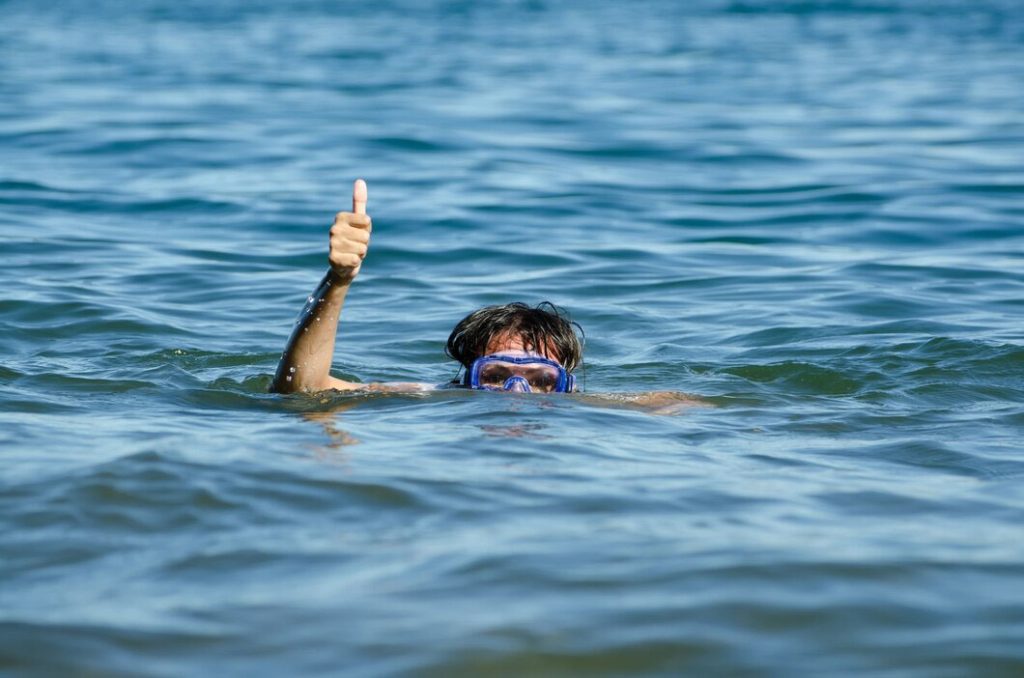
Swimming in a pool and swimming in open water may use the same strokes, but the way they are executed can be quite different.
Turns And Breaks
Pool Swimming: In a pool, every lap ends with a push off the wall, providing a momentary boost and a chance to regain energy. Competitive swimmers often use flip turns to maintain speed and efficiency, keeping the momentum going without interruption.
Open Water Swimming: Unlike pool swimming, open water swimmers do not have the luxury of a wall to turn against, meaning they must maintain a steady pace without any external propulsion. Instead of turns, open water swimmers rely on sighting, lifting their heads periodically to check direction since there are no lane markers to keep them on track.
Breathing Adjustments
Pool Swimming: Calm water and a predictable environment allow pool swimmers to stick to a regular breathing pattern, usually inhaling on one side every few strokes. Since there are no external disturbances, they can focus on technique without needing to make adjustments.
Open Water Swimming: Natural conditions such as waves, wind, or choppy water can disrupt a swimmer’s breathing pattern, making it necessary to adapt. The ability to adjust breathing and stay calm under changing conditions is an important skill, particularly in the ocean or large lakes where water movement is unpredictable.
Physical and Mental Challenges
Swimming in a controlled pool environment and tackling open water require different levels of physical exertion and mental resilience.
Endurance And Energy Use
Pool Swimming: With regular wall push-offs, pool swimmers get brief moments of rest and added propulsion, which helps conserve energy. This allows for controlled pacing, making it easier to manage fatigue across multiple laps.
Open Water Swimming: Without the advantage of walls, open water swimmers must maintain a steady output of energy throughout the swim. Fighting against currents, waves, or sudden temperature changes can drain energy faster than expected, requiring efficient stroke technique and controlled breathing.
Mental Focus
Pool Swimming: The clear structure of a pool such as marked lanes, walls, and a predictable course makes it easier to stay focused. Swimmers can count laps, follow a set routine, and maintain a steady rhythm without distractions.
Open Water Swimming: The lack of lane markers and changing water conditions can make it difficult to stay on course, requiring constant awareness and confidence. Some swimmers may also experience disorientation or anxiety in deep, murky waters, making mental resilience just as important as physical endurance.
Training And Skill Development
While both pool and open water swimming help improve fitness and technique, the way training is approached varies between the two.
Pool Training: Training in a pool allows swimmers to concentrate on stroke efficiency, breathing control, and overall speed without external distractions. The controlled environment makes it easier to measure progress, as factors like distance, time, and effort remain consistent across sessions.
Open Water Training: Swimming in open water builds the ability to adjust to changing conditions, such as waves, currents, and varying temperatures. For those training for triathlons or open water races, it is an essential part of preparation, helping swimmers get comfortable with sighting, navigation, and swimming in a group.
Competitive And Recreational Differences
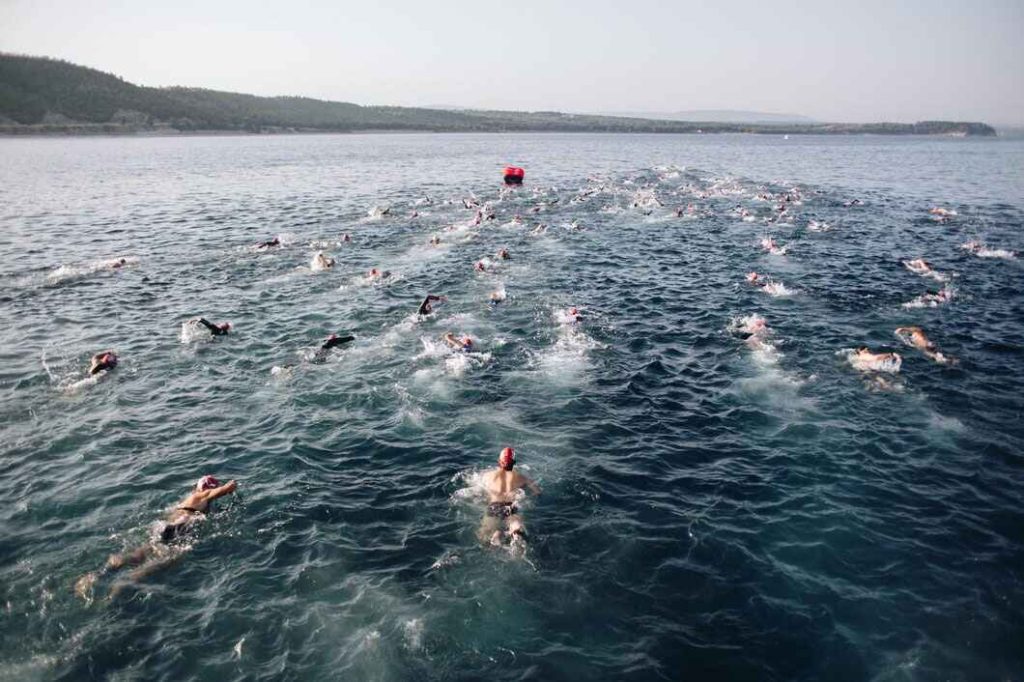
Swimming serves different purposes depending on the environment, whether it is for competition or leisure.
Competitive Swimming
Pool Races: Pool competitions follow set distances, typically ranging from 50 metres to 1500 metres, with strict timing and structured lane assignments. Swimmers rely on turns, push-offs, and consistent pacing to gain an advantage.
Open Water Races: Open water races cover longer distances, often ranging from 1.5 km to 10 km or more, requiring swimmers to manage their energy carefully. Unlike in a pool, there are no walls to push off, making endurance and navigation just as important as speed. Conditions can change at any moment, with factors like waves, wind, and water temperature adding an extra challenge to race strategy.
Recreational Swimming
Pools: The cool waters provide a safe and controlled space for people of all ages to enjoy swimming, whether for relaxation, exercise, or skill development. Families with children often prefer pools due to their clear visibility, shallow areas, and lifeguard supervision.
Open Water: For those who enjoy adventure and the outdoors, open water swimming offers an exciting alternative to pool training. Lakes, rivers, and the ocean provide a sense of freedom, but they also require confidence and awareness of changing conditions.
Conclusion On Open Water Vs Pool Swimming
Both open water and pool swimming offer unique benefits. Pool swimming provides a controlled environment for refining technique and tracking progress, while open water swimming builds endurance and adaptability in natural conditions.
At Swimhub, our expert-led swimming lessons in Singapore help swimmers of all levels improve technique, endurance, and confidence. Whether for fitness, competition, or leisure, our structured programmes ensure effective training in a safe and supportive setting.
Join Swimhub today and take your swimming to the next level with professional coaching!
Frequently Asked Questions About Open Water Vs Pool Swimming
Is Open Water Swimming Harder Than Pool Swimming?
Many swimmers find open water more challenging due to factors like unpredictable water movement, changing temperatures, and the lack of walls for rest. However, with proper training and adaptation, it can become just as enjoyable as pool swimming.
Should Beginners Start With Pool Or Open Water Swimming?
Beginners should start in a pool, as it offers a controlled environment with clear visibility and easy exits. Once confident in basic techniques, they can transition to open water with proper supervision.
Are There Specific Breathing Techniques For Open Water Swimming?
Yes. Swimmers often use bilateral breathing (breathing on both sides) to adapt to waves and avoid inhaling water. Looking forward occasionally, known as “sighting,” helps stay on course without disrupting breathing rhythm.
What Are The Risks Of Swimming In Open Water?
Risks include strong currents, sudden temperature changes, limited visibility, and marine life encounters. It’s important to be aware of local water conditions and swim with a buddy for safety.
Should You Use A Different Stroke In Open Water Compared To A Pool?
Freestyle is the most common stroke in both, but open water swimmers often modify their stroke to be higher in the water and reduce drag. Some may also use breaststroke briefly to sight or recover energy.
How Do You Stay Safe While Swimming In Open Water?
Wearing a safety buoy, swimming with a group, and knowing emergency exits are key safety measures. Checking weather conditions and avoiding unknown waters without proper experience also help prevent risks.
