
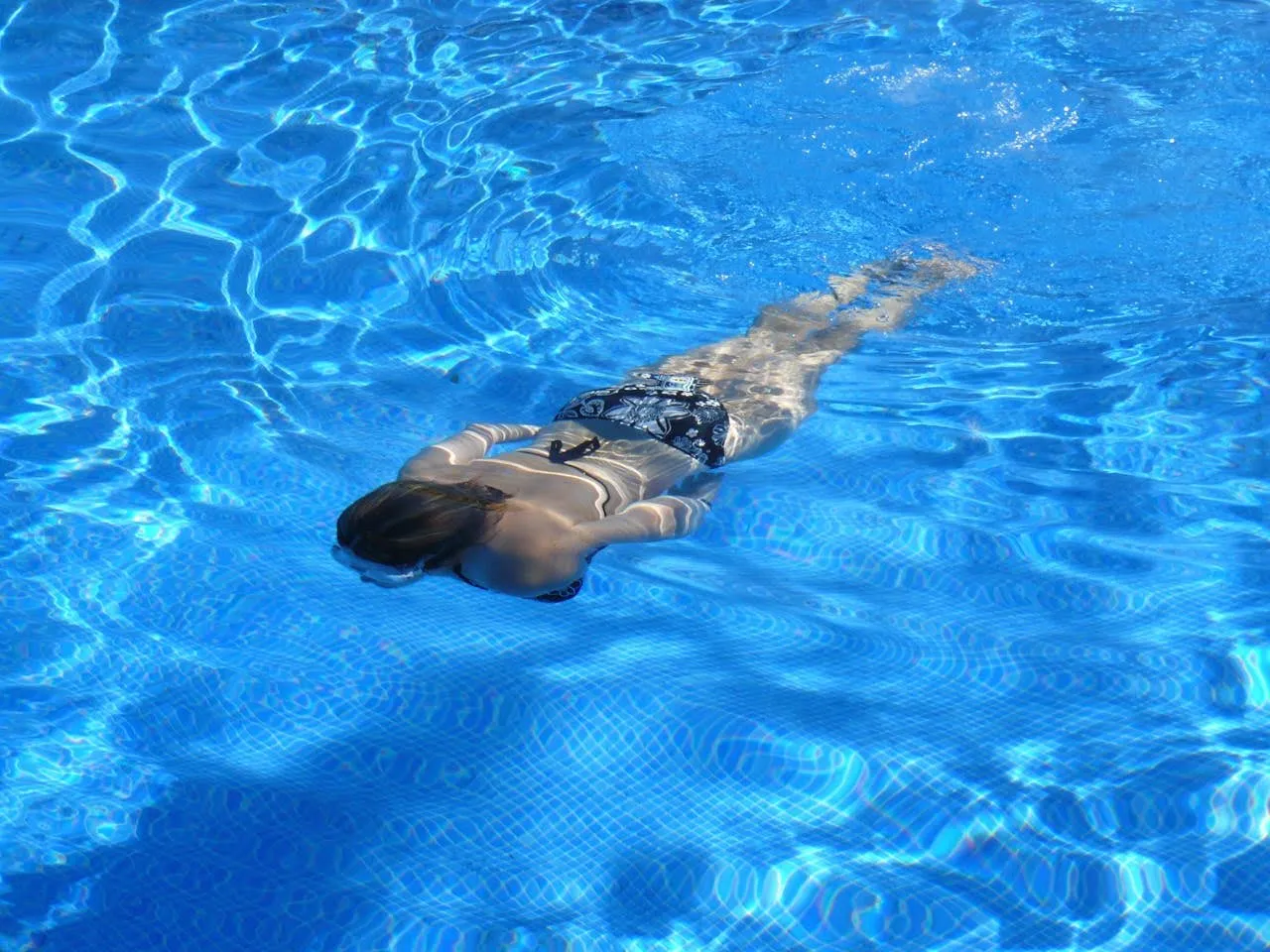
A person effortlessly lying back on the water often causes immense frustration for those who struggle to stay on the surface. The common myth blames dense bones for this problem, but the truth relies entirely on basic physics and manageable mechanics.
The real answer to why do some people float and some sink involves water displacement, lung capacity, and physical relaxation. The human body acts much like a seesaw in the pool, where dense legs pull downwards while an air-filled chest rises.
Anyone can master this balance point by adjusting their technique rather than worrying about their body type. This guide explains the exact mechanics of buoyancy and provides actionable steps to help you find total water confidence.
11 Reasons Why Some People Float And Some Sink In Water
Muscle Mass And Body Density Differences
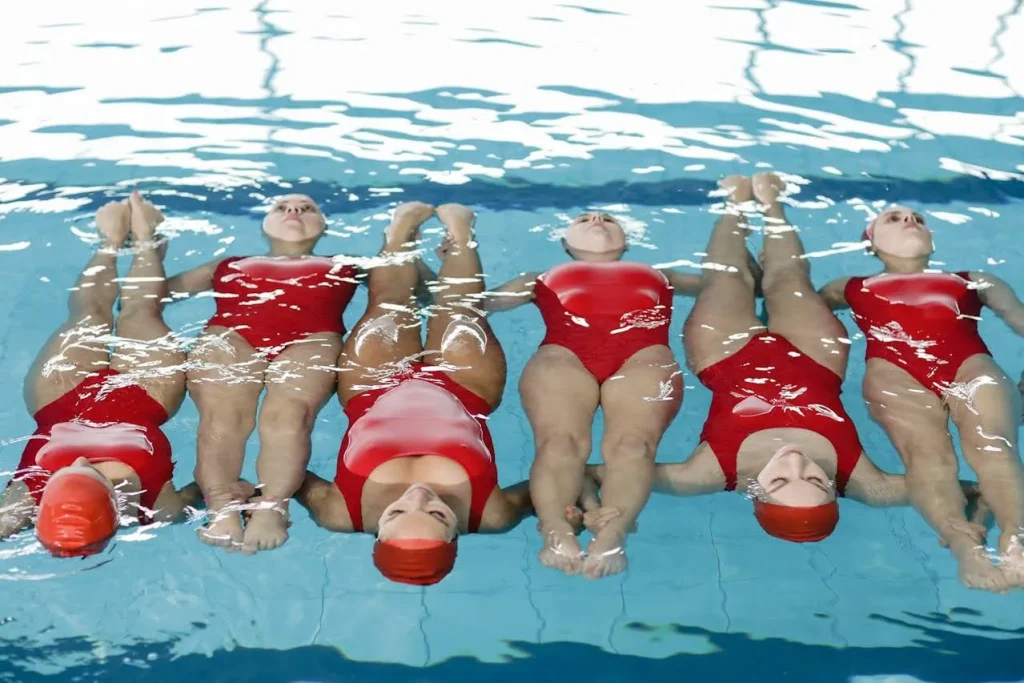
Dense muscle tissue pulls a person downwards because it weighs more than the water it displaces. Individuals with high muscle mass naturally experience a stronger downward pull in the pool, which explains why do some people sink in water more easily than others.
Body Fat Percentage And Natural Buoyancy
Higher body fat percentages create a natural advantage for staying on the surface. Fat tissue remains lighter than water and acts as an internal life jacket for the swimmer.
Lung Capacity And Breath Volume
Large lungs hold more air to act as built-in flotation devices. Swimmers who take deep breaths and hold them gently maintain a higher position on the water’s surface.
Bone Density And Overall Weight
Heavy, dense bones contribute to an overall increase in physical mass. A skeleton with high bone density adds extra weight that makes staying afloat slightly more challenging.
Natural Body Shape And Weight Distribution
Longer legs and narrower torsos shift the physical balance point towards the lower half of the body. This specific weight distribution drags the lower body down while the chest stays up.
Muscle Tension And Relaxation Levels
A relaxed body spreads its weight evenly across the surface of the pool. Stiff, tense muscles compress the body and drastically reduce its ability to displace water effectively.
Water Environment (Salt Water Versus Fresh Water)
Salt water holds more density than fresh water, which provides extra upward push against objects. Swimmers float much higher in the ocean than they do in a standard chlorinated swimming pool.
Age And Changing Body Composition
Bodies naturally shift in muscle and fat ratios as individuals grow older. These biological changes directly alter the overall density of an individual over time.
Gender Differences In Body Shape
Women generally hold a higher percentage of body fat distributed around the hips and thighs. This biological difference often makes it easier for women to maintain a horizontal position compared to men.
Lung Deflation From Talking Or Sighing
A rapid exhalation of air removes the internal buoyancy that keeps the chest elevated. A swimmer who talks or sighs heavily will immediately feel their upper body drop below the surface.
Joint Flexibility And Posture In The Water
Flexible joints allow a person to stretch their limbs out flat and wide. Poor flexibility forces the body into a bent shape that breaks the water’s surface tension.
How Fear And Tension Make You Sink
Triggering The Panic And Tensing Reflex
Fear causes the brain to send immediate signals that lock the joints and tighten the muscles. This stiff posture turns the body into a compact, heavy object that drops straight down.
Breathing Shallowly And Losing Internal Air
Anxious individuals take short, rapid breaths instead of filling their lungs completely. This lack of deep oxygen strips the body of its primary source of internal buoyancy.
Thrashing Movements That Break Surface Tension
Sudden, frantic movements disrupt the calm water needed to support physical weight. Smooth, controlled motions are necessary to maintain a stable position on the surface.
Tucking The Chin Downwards Out Of Fear
Scared swimmers instinctively pull their chin to their chest to protect their face. This simple head movement pushes the hips down and forces the legs to drop immediately.
Clenching Muscles And Increasing Body Density
A tight core and clenched limbs physically compress the body into a smaller surface area. Less surface area means less water displaced, which guarantees a faster descent.
Why Do Some People Sink In Water Even When Trying To Float?

A Misaligned Centre Of Gravity Versus Centre Of Buoyancy
The chest holds the centre of buoyancy, while the hips hold the centre of gravity. A misalignment between these two points creates a seesaw effect that forces the legs downwards.
The Heavy Legs Phenomenon Pulling You Down
Legs contain thick muscles and heavy bones without any air pockets to lift them. This solid mass naturally drops towards the floor of the pool regardless of upper body positioning.
Incorrect Head Positioning And Looking Forward
A raised head looking at the toes throws the entire spinal alignment off balance. The body follows the head, meaning a raised head is one of the most common swimming mistakes that guarantees sinking hips.
Bending At The Waist And Breaking The Flat Line
A bent waist pushes the buttocks down and ruins the horizontal plane required for buoyancy. Swimmers must maintain a completely straight line from their neck to their ankles.
Holding Breath In The Stomach Instead Of The Lungs
Air pushed down into the stomach does not create the necessary lift in the chest cavity. Effective buoyancy requires expanding the ribcage to displace maximum water volume.
How To Improve Your Natural Floating Ability

Tilt Your Head Backwards Completely
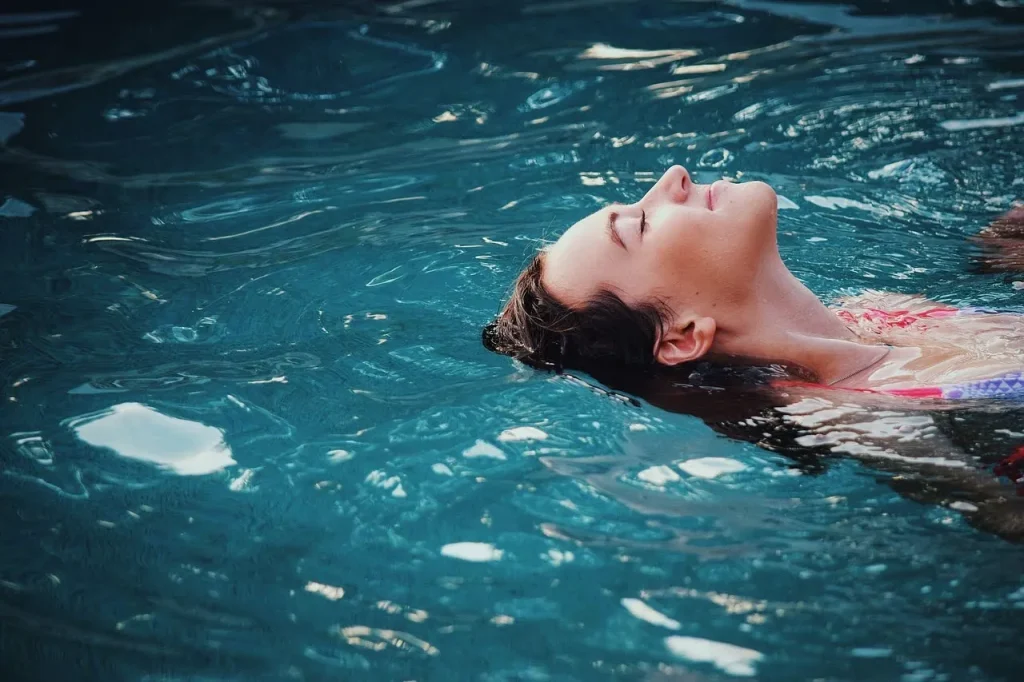
Swimmers must rest the back of their head directly into the water so their ears submerge. This action lifts the hips naturally and aligns the spine for optimal balance when learning how to float on the back.
Push Your Chest Upwards Towards The Sky
A slight arch in the upper back forces the chest cavity up and out of the water. A proud, elevated chest maximises the lift provided by the lungs.
Take Deep Breaths And Hold Them Gently
Maximum oxygen capacity in the lungs creates an immediate, noticeable lift. Swimmers should release only small amounts of air before quickly inhaling again.
Spread Your Arms And Legs Wide Like A Star
An outward extension of the limbs distributes physical weight over a much larger surface area. This wide stance mimics a boat hull and prevents rolling or sinking.
Point Your Toes Slightly To Streamline Your Body
A gentle point of the toes removes drag and helps the legs align with the hips to form a proper streamline position in swimming. This small adjustment stops the feet from acting like heavy anchors.
Relax Your Neck And Shoulder Muscles
A lack of tension in the upper body allows the water to support the head properly. A loose neck prevents the chin from tucking forward and ruining the posture.
Practise With A Buoyancy Aid First
A piece of buoyancy equipment offers the physical support needed to learn how to build water confidence safely. Learners can focus entirely on their posture without the stress of going under.
Conclusion About Why Do Some People Float And Some Sink
Buoyancy relies on a combination of body composition, lung capacity, and physical relaxation rather than uncontrollable physical traits. Anyone can overcome sinking tendencies by applying proper floating swimming techniques, like adjusting head positioning and managing breath volume.
SwimHub swim school provides adult swimming lessons, private condo swimming lessons, kids swimming lessons, an toddler swimming lessons to help individuals master these techniques safely. Certified instructors provide undivided attention to ensure learners of all ages build total water confidence at their own pace.
Contact us today to schedule your first lesson!
Frequently Asked Questions About Why Do Some People Float And Some Sink
Does Sinking Mean I Cannot Learn To Swim?
The act of sinking simply means you need to adjust your body position and learn proper breathing techniques in swimming. Every individual can learn efficient swimming strokes regardless of their natural buoyancy.
Why Do Some People Float And Other Sink As They Get Older?
Bodies naturally change over time through muscle loss, fat accumulation, and bone density reduction. These physical shifts alter the overall density of an individual and change how they rest in the water.
Can Wearing A Wetsuit Help Me Float Better?
A neoprene wetsuit traps tiny bubbles of air against the skin to create artificial buoyancy. This extra layer lifts the hips and legs, making it much easier to stay horizontal.
Are Certain Body Types Naturally Better At Floating?
Individuals with higher body fat percentages and longer torsos naturally displace more water with less effort. People with heavily muscled, dense frames must rely more on technique and air volume to stay up.
How Do I Stop My Legs From Sinking When I Float?
You must tilt your head completely back and push your chest up to leverage the seesaw effect. A wide spread of your arms above your head also shifts your centre of gravity to counterbalance heavy legs.
Is Floating Necessary To Be A Good Swimmer?
A motionless rest on the surface acts as an important safety and recovery skill for all swimmers. However, forward momentum during active swimming naturally creates lift, meaning you do not need perfect stationary buoyancy to swim fast.
Why Do Some People Sink And Some Float Depending On What They Eat?
A heavy meal increases temporary physical mass and redirects blood flow to the stomach for digestion. A bloated stomach also restricts the diaphragm, preventing the deep breaths necessary for maximum lung buoyancy.
