
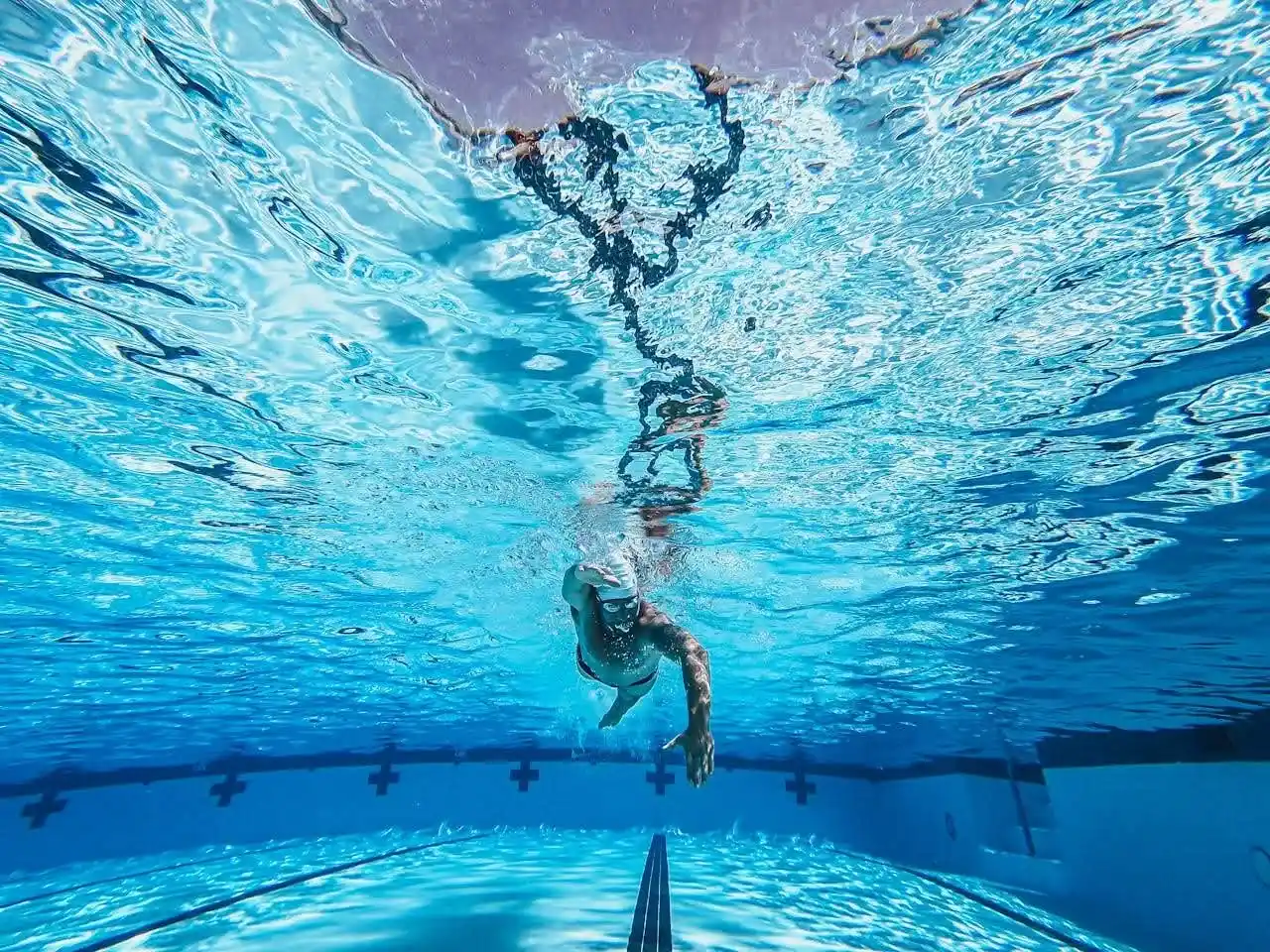
Stop fighting the water and start observing the precise physics at play during every lap. The most effortless swimmers rarely rely on brute strength, but they understand how to manipulate drag and propulsion instead.
The biomechanics of swimming acts as the ultimate secret to unlocking endurance and speed without adding extra physical exertion. A swimmer can study the precise angles of a freestyle pull or spinal alignment, but self-correcting blind spots while submerged remains nearly impossible.
Professional one-on-one coaching serves as an indispensable diagnostic tool for perfecting these complex aquatic movements. An expert instructor instantly corrects biomechanical inefficiencies to ensure the safest path to mastering the water and preventing repetitive strain injuries.
What Is The Biomechanics Of Swimming?
The Study Of Human Movement In The Water
The biomechanics of swimming refers to the scientific analysis of how the human body moves through an aquatic environment. Researchers and coaches evaluate joint angles, muscle activation, and body positioning to understand athletic performance.
The Science Of Stroke Efficiency And Speed
Stroke efficiency relies entirely on applying the correct biomechanical principles to every single movement. Swimmers achieve greater speed when they learn to expend less energy while covering more distance per stroke.
The Balance Of Natural Physical Forces
Swimming biomechanics requires a constant negotiation with gravity, buoyancy, drag, and propulsion. Athletes must align their bodies perfectly to let these natural forces work for them rather than against them.
The Interaction Of Anatomy And Fluid Dynamics
Fluid dynamics dictate how water flows around a solid object. A human body must adapt its anatomical shape to become as streamlined as possible to slip through the water with minimal disruption.
How Do Core Physical Forces Affect Swimming Biomechanics?
By Minimising Water Resistance And Form Drag
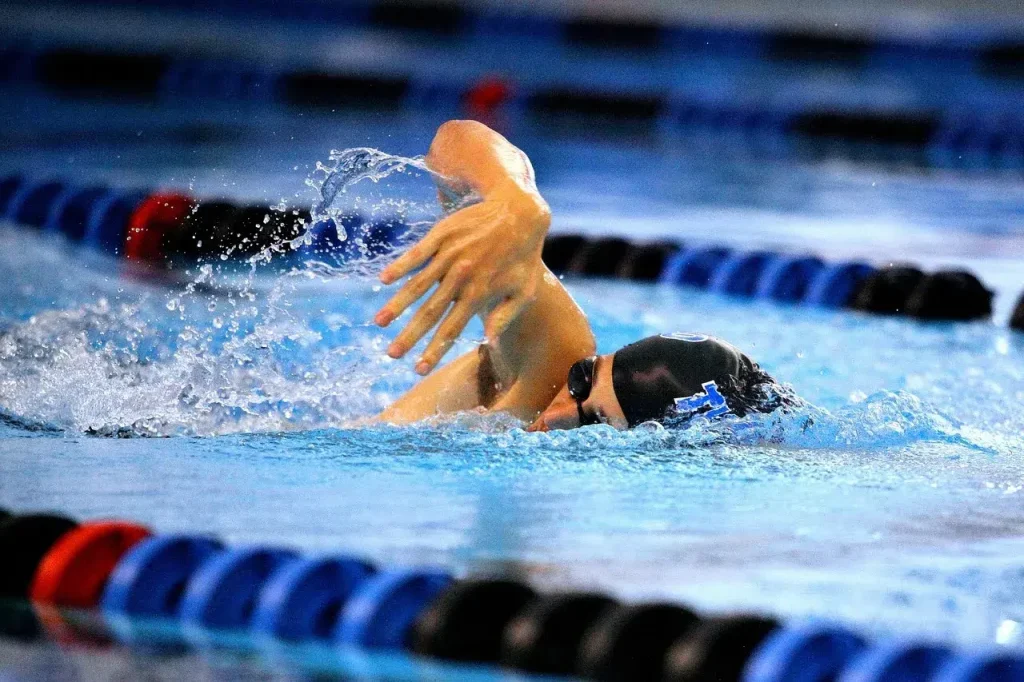
Core physical forces directly influence how much water resistance a swimmer faces during a lap. Swimmers must maintain a horizontal body position to decrease form drag and slide smoothly across the surface.
By Maximising Forward Propulsion From The Arms
Propulsion serves as the primary force that drives a swimmer forward. Proper arm mechanics allow the hands and forearms to anchor into the water and pull the body past that anchor point.
By Leveraging Your Natural Buoyancy For Flotation
Buoyancy acts as the upward force that counteracts gravity and keeps the swimmer afloat. The lungs act like two balloons inside the chest, which means proper breath control directly improves body elevation.
By Utilising Lift Forces For Upward Support
Lift forces occur when water travels over the curved surfaces of the hands and body. Swimmers use precise hand pitches to generate this lift, which supports their weight and aids in forward movement.
What Are The Biomechanics Of Freestyle Swimming Phases?
The Entry And Extension Phase
Freestyle swimming begins with the entry and extension phase of the arm cycle. The hand must pierce the water cleanly in line with the shoulder to reduce wave drag and set up a powerful stroke.
The Catch Phase
The catch phase initiates the propulsive portion of the freestyle stroke. Swimmers must bend their wrists and elbows to grab the water early, creating a large surface area for pulling.
The Power Pull Phase
The power pull phase generates the vast majority of forward momentum in the water. The athlete accelerates their hand backwards beneath their torso to push the water towards their feet.
The Exit And Recovery Phase
The exit and recovery phase allows the arm to rest briefly before the next stroke cycle begins. The elbow exits the water first, and the arm swings forward in a relaxed motion to prepare for the next entry.
The Role Of The Flutter Kick In Stabilisation
The flutter kick acts primarily as a stabilising mechanism rather than a main source of propulsion. A consistent, narrow kick prevents the hips from dropping and stops the legs from swaying side to side.
How To Avoid Common Biomechanical Mistakes In Swimming?
By Correcting Poor Head Positioning
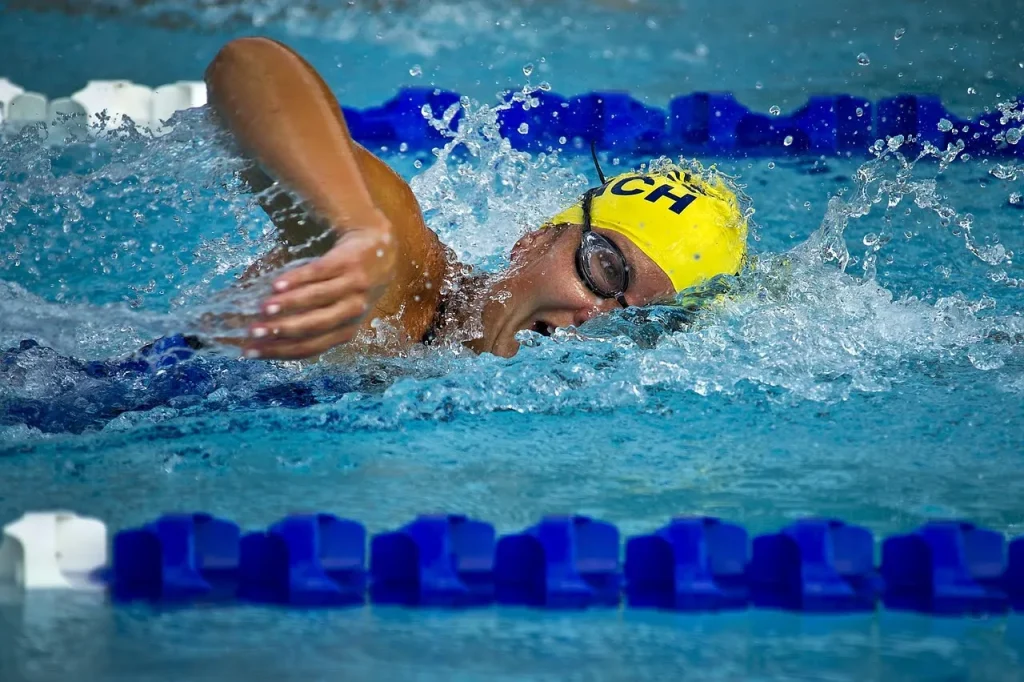
Correcting poor head positioning immediately lifts the hips and legs towards the surface. Swimmers should look directly down at the pool floor rather than forward to maintain a neutral spine and fix common swimming mistakes.
By Fixing Dropped Elbows During The Catch
A dropped elbow causes the hand to slip through the water without generating any meaningful power. Swimmers must keep their elbows high near the surface to properly anchor their forearms against the water resistance.
By Aligning The Hips To Reduce Form Drag
Hip alignment plays a massive role in maintaining a streamlined body profile. Athletes need to engage their core muscles slightly to keep their hips riding high on the water’s surface.
By Preventing Over-Rotation Of The Torso
Over-rotation forces the body out of alignment and wastes valuable lateral energy. Swimmers should limit their torso rotation to a maximum of forty-five degrees on each side during the freestyle stroke.
By Eliminating Scissor Kicks For Better Streamlining
Scissor kicks completely destroy a swimmer’s streamline by pushing the legs outside the body’s slipstream. Swimmers must focus on kicking from the hips with slightly bent knees to keep the legs tightly together.
Which Tools Help Improve Biomechanics In Swimming?
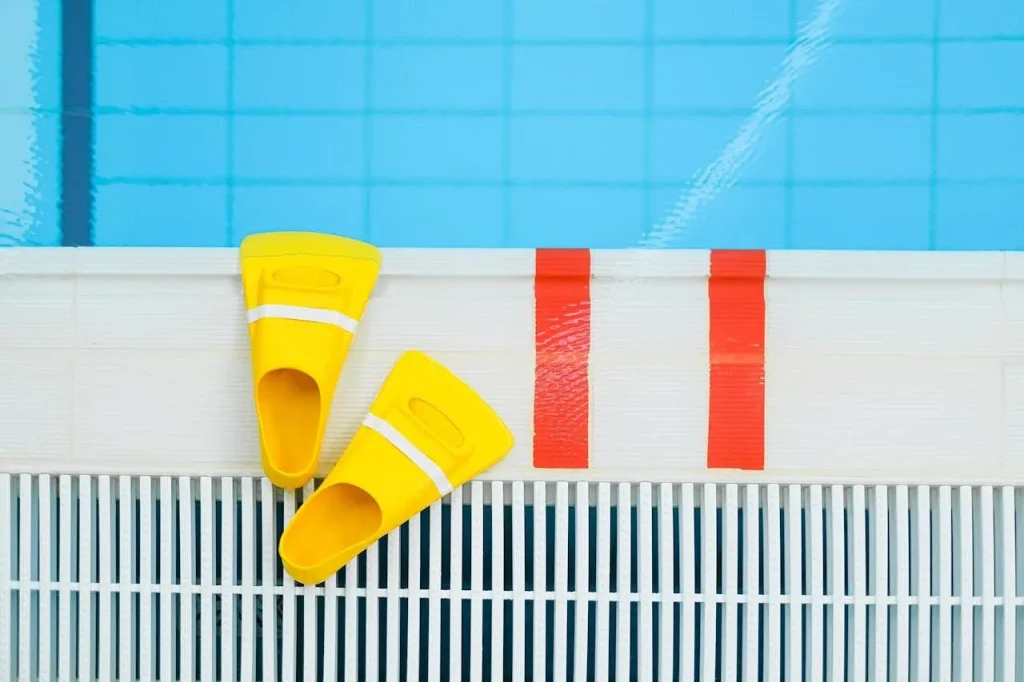
Swim Fins For Leg And Kick Mechanics
Swimming essentials like fins provide extra surface area to help swimmers feel the correct kicking motion. They force the legs into a more efficient, undulating rhythm while adding a boost of speed.
Pull Buoys For Elevated Body Positioning
Pull buoys isolate the upper body by immobilising the legs and artificially elevating the hips. This tool allows the swimmer to focus entirely on their catch and pull mechanics without worrying about sinking.
Hand Paddles For Catch And Pull Efficiency
Hand paddles exaggerate the resistance felt during the propulsive phases of the stroke. They provide instant physical feedback if the hand enters the water at the wrong angle or slips during the pull.
Front Snorkels For Consistent Head Alignment
A front snorkel removes the need to turn the head for breathing. Swimmers can keep their spine perfectly aligned and concentrate solely on their rotational mechanics and arm movements.
How Can Good Biomechanics Prevent Swimming Injuries?
By Reducing Overuse Strain On The Shoulders
Proper biomechanics in swimming distributes the physical workload evenly across the back and chest muscles. This balanced muscle engagement drastically reduces the friction in the shoulder joint that leads to swimmer’s shoulder.
By Minimising Unnecessary Lower Back Arching
A neutral spine prevents the lower back from taking on excessive stress during long swim sessions. Swimmers must keep their core braced to support the lumbar region and stop the back from hyper-extending.
By Protecting The Knees During Complex Kicks
Correct kicking techniques protect the delicate ligaments around the knee joints. Swimmers prevent knee pain by generating power from their hips rather than heavily bending and snapping their knees.
By Alleviating Neck Tension Through Proper Breathing
Proper breathing mechanics require the swimmer to rotate their entire body rather than twisting only their neck. This smooth rotation allows the mouth to find the natural pocket of air behind the head wave without straining the cervical spine.
Conclusion About The Biomechanics Of Swimming
The biomechanics of swimming dictates how efficiently a person moves through the water by balancing natural forces. Proper technique transforms raw effort into smooth speed while keeping the joints safe from repetitive athletic injuries.
SwimHub brings certified instructors directly to your private condo pool or local public complex to help refine these precise techniques. We offer specialised toddler swimming lessons, structured kids swimming lesson programmes, and targeted adult swimming lesson classes to ensure everyone learns efficiently and safely.
Contact us today to book your next lesson and perfect your aquatic form!
Frequently Asked Questions About The Biomechanics Of Swimming
Why Is Biomechanics Important For Beginner Swimmers?
Biomechanics teaches beginners how to work with the water rather than fighting against it. A basic understanding of physics helps new swimmers achieve proper body positioning and avoid rapid exhaustion.
Does Biomechanics Apply Differently To Other Swimming Strokes?
Every swimming stroke utilises the same core principles of drag and propulsion in slightly different ways. Breaststroke and butterfly simply apply these biomechanical laws to simultaneous arm and leg movements.
Can Improving My Swimming Biomechanics Make Me Less Tired?
Excellent biomechanics drastically reduces the amount of energy wasted on creating splashes and fighting water resistance. Swimmers with perfect form can glide further on every stroke and conserve massive amounts of cardiovascular energy.
How Does Body Composition Affect Swimming Mechanics?
Body composition directly influences a person’s natural buoyancy and centre of mass in the water. Swimmers adjust their posture and stroke timing based on where their body naturally wants to sink or float.
What Is The Most Common Biomechanical Error In Freestyle?
Lifting the head to look forward easily ranks as the most common and destructive biomechanical error. This single mistake forces the hips down, creates massive frontal drag, and slows the swimmer to a halt.
How Long Does It Take To Change Biomechanical Habits In Swimming?
Changing deeply ingrained muscle memory requires consistent, deliberate practice under the watchful eye of a professional coach. Most swimmers notice significant improvements in their stroke efficiency within a few weeks of targeted technical drills.
