
Traditional gym culture often leaves fitness enthusiasts with aching joints and severe workout plateaus. Countless hours on the treadmill quickly drain motivation instead of building actual strength.
The coveted swimmers body offers a low-impact, highly effective alternative to these exhausting land-based routines. Fitness through flawless form proves that this physique results from perfect biomechanical technique rather than frantic splashing.
Different strokes sculpt specific muscle groups safely when executed with proper alignment. Professional one-on-one adult coaching provides the meticulous correction needed to build lean muscle and prevent debilitating shoulder injuries.
How To Get A Swimmer’s Body?
1. Commit To A Consistent Swimming Schedule
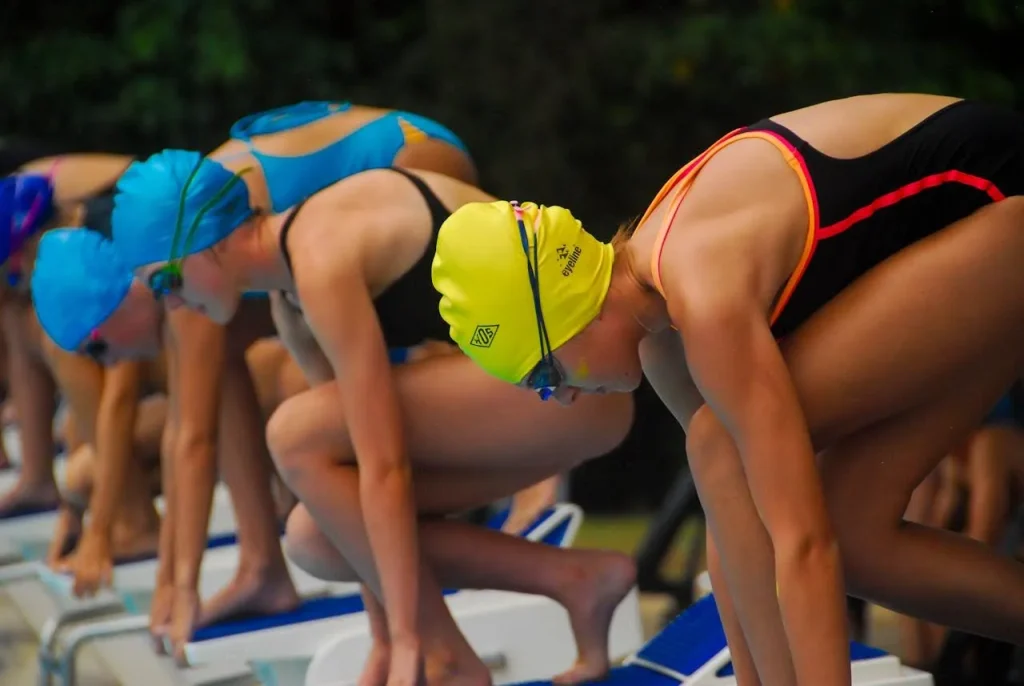
Consistency in the pool dictates how quickly someone develops a lean physique. Aquatic workouts require at least three structured sessions per week to stimulate continuous muscle growth. Regular practice builds the necessary cardiovascular endurance to sustain proper form over longer distances.
2. Master The Butterfly Stroke For Shoulder Development
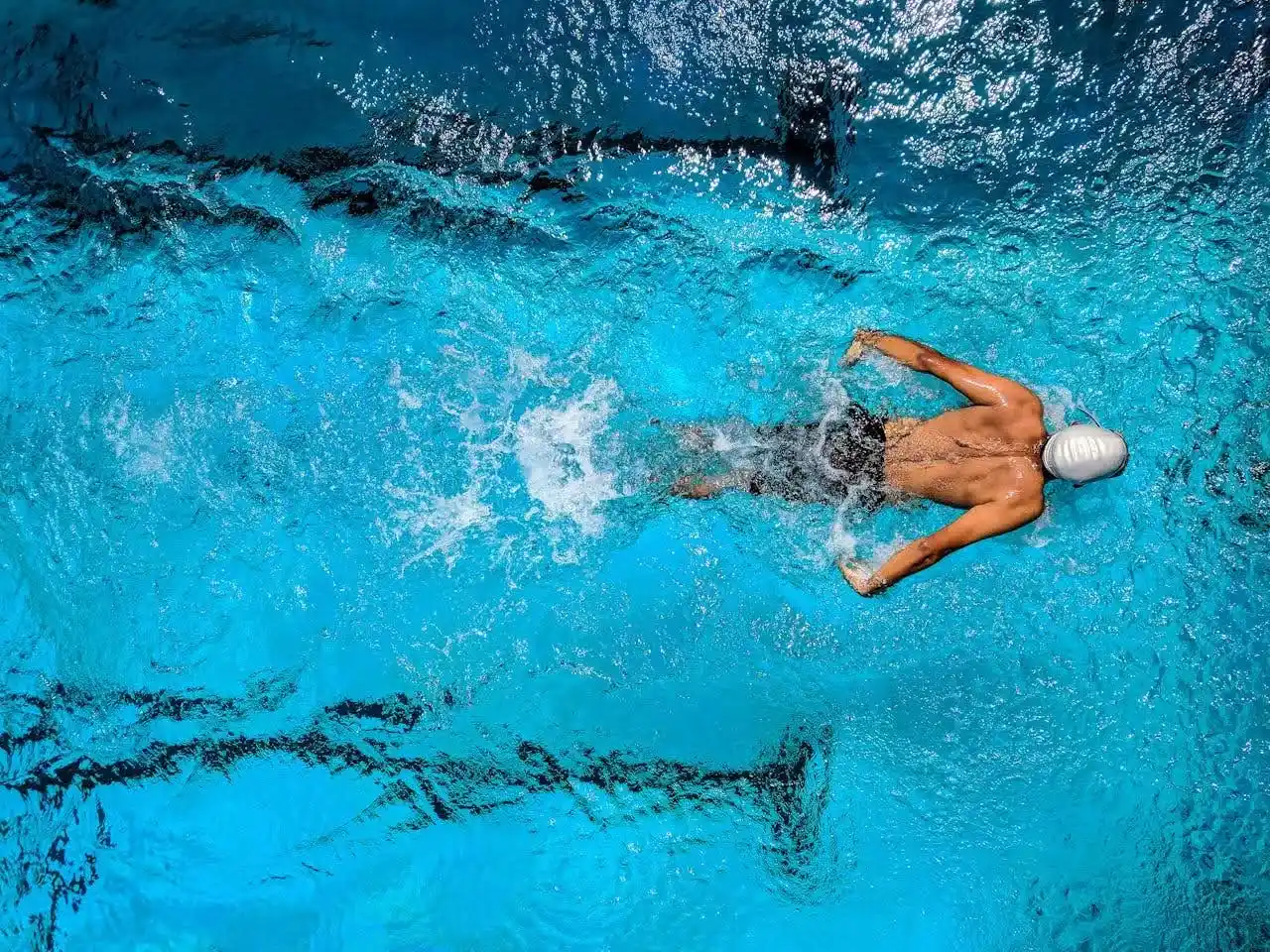
The butterfly stroke builds massive upper body strength and creates a broad aesthetic. This movement forces the deltoids and back muscles to pull the entire body weight out of the water. Swimmers must rely on expert guidance to learn this complex stroke without straining their rotator cuffs.
3. Utilise Freestyle For Core Strength And Toning
Freestyle swimming heavily engages the abdominal muscles to maintain balance in the water. The rotational movement of the torso during each pull requires continuous core stabilisation. A strong midsection naturally develops as the body fights against water resistance to stay streamlined.
4. Incorporate Breaststroke For Lower Body Conditioning
Breaststroke targets the glutes, quadriceps, and hamstrings through its powerful kick mechanics. The wide leg sweep provides excellent resistance training for the entire lower body. This specific stroke balances the upper-body dominance of other swimming styles.
5. Perform High-Intensity Interval Training (HIIT) In The Water
High-intensity interval training accelerates fat loss while preserving lean muscle mass. Short bursts of maximum effort followed by brief rest periods force the body to adapt quickly. This method dramatically increases caloric burn compared to slow, steady-state laps.
6. Add Dryland Resistance Exercises To Your Routine
Dryland resistance exercises reinforce the specific muscle groups used during water workouts. Bodyweight movements like push-ups and planks build the baseline strength required for swimming drills for beginners. A comprehensive fitness approach combines pool time with targeted land-based conditioning.
7. Practise Proper Breathing Techniques For Better Endurance
Proper breathing techniques supply the muscles with the oxygen needed for sustained athletic output. Rhythmic inhalation prevents premature fatigue and helps maintain flawless stroke mechanics. Better lung capacity directly translates to longer, more effective training sessions.
8. Focus On Pull Buoy Drills For Upper Body Isolation
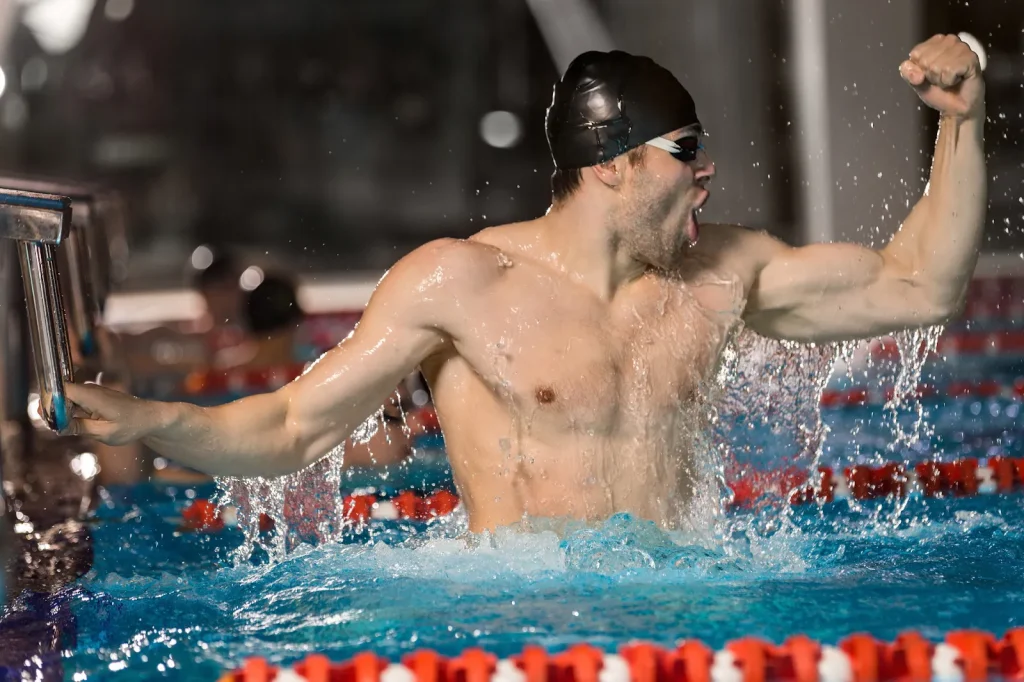
The pull buoy immobilises the legs and shifts all the workload to the upper back and arms. This tool forces the latissimus dorsi to pull harder against the water resistance. Dedicated upper body drills rapidly enhance muscle definition in the shoulders and chest.
9. Optimise Your Diet For Lean Muscle Growth
A nutrient-dense diet fuels intense pool sessions and repairs damaged muscle tissue. Protein consumption supports the physical recovery needed to build a toned physique. People often ask how to get a swimmers body, and the answer involves strict nutritional discipline alongside rigorous exercise.
10. Prioritise Post-Swim Recovery And Stretching
Post-swim recovery prevents muscle stiffness and maintains the flexibility required for efficient strokes. Dynamic stretching routines protect the shoulder joints from overuse injuries. Adequate rest ensures the body adapts to the physical stress of water resistance training.
11. Track Your Progress And Adjust Your Routine Regularly
Progress tracking highlights areas of improvement and keeps workout motivation high. Routine adjustments prevent the body from adapting to the exact same physical stimulus. Small changes in speed, distance, or stroke type guarantee continuous physical transformation.
Defining The Physique: What Exactly Is A Swimmers Body?

Broad Shoulders And A V-Shaped Back
Broad shoulders and a V-shaped back define the classic aquatic athlete aesthetic. The repetitive pulling motion of the arms naturally expands the upper back muscles. This anatomical development creates the illusion of a much narrower waist.
Highly Defined Core And Abdominals
A highly defined core results from the constant need to stabilise the body horizontally in the water. Strong abdominals transfer power smoothly between the upper and lower body during every stroke. The sheer effort of fighting water drag naturally carves out visible abdominal muscles.
Lean Muscle Mass With Low Body Fat
Lean muscle mass develops because water provides continuous, low-impact resistance from every angle. Low body fat levels reveal this underlying muscle definition clearly. The massive caloric expenditure of aquatic workouts naturally sheds excess adipose tissue.
Swimmers Body Male Vs Female Swimmers Body
Characteristics Of A Male Swimmers Body
A swimmers body male profile showcases heavily developed chest muscles and an extreme V-taper. The upper body carries the majority of the muscle mass due to the physics of water propulsion. This physique heavily favours raw shoulder width and back thickness.
Characteristics Of A Female Swimmers Body
The female swimmers body highlights toned arms and a powerful core without excessive bulk. The physical development remains sleek and proportional throughout the entire frame. This aesthetic combines elegant posture with highly functional, lean muscle definition.
Swimmers Body Vs Runners Body: Key Differences
Upper Body Dominance In Swimming
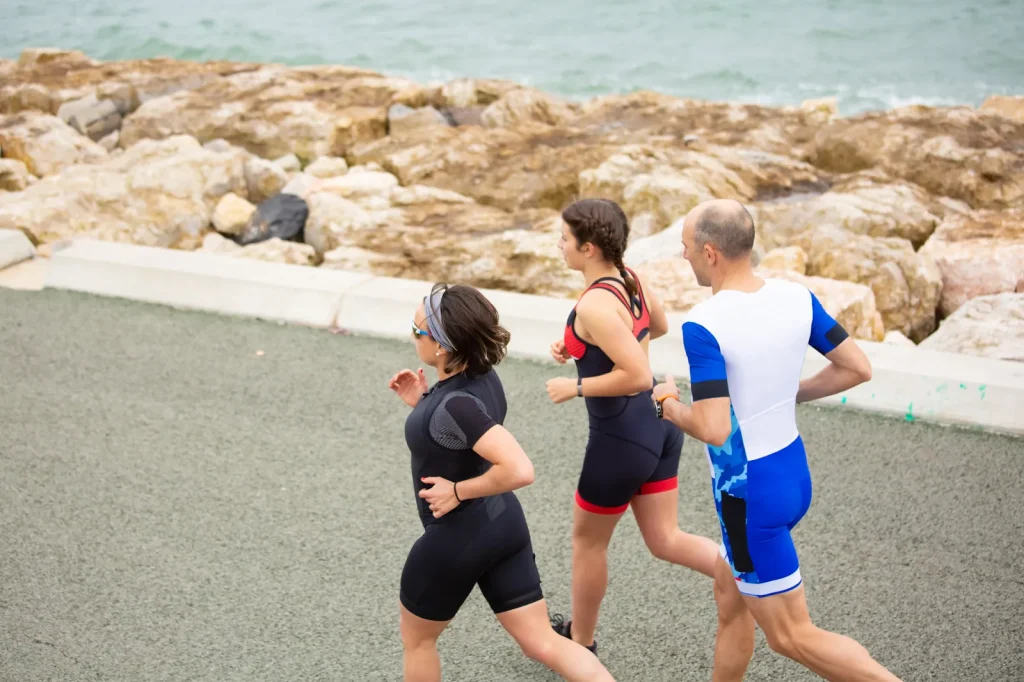
Upper body dominance occurs because the arms and back generate the primary forward momentum in the water. The chest and shoulders bear the brunt of the physical workload during most stroke types. This creates a distinct visual contrast to athletes who train exclusively on land.
Lower Body Dominance In Running
Runners build dense, powerful leg muscles to absorb the constant impact of striking the pavement. The upper body remains relatively slight to reduce unnecessary weight during long distances. This activity prioritises cardiovascular endurance over total-body muscle hypertrophy.
Overcoming The Genetics Myth: Can Anyone Get A Swimmers Body?
The Role Of Natural Bone Structure
Natural bone structure dictates the starting point for an individual’s physical proportions. Genetics influence baseline height and the natural width of the clavicle bones. Dedicated practice can still build impressive muscle definition regardless of these initial skeletal measurements.
The Impact Of Dedicated Training
Dedicated training sculpts the body through the principle of progressive overload in the water. Hard work completely overrides average genetics when proper technique is applied consistently. Any individual can drastically alter their physical shape through disciplined aquatic routines.
Setting Realistic Timelines For Everyday Adults
Everyday adults must understand that noticeable physical changes require several months of consistent effort. Patience allows the body to safely adapt to new movement patterns without sustaining injuries. A structured approach guarantees steady progress towards aesthetic and functional goals.
Conclusion About The Swimmers Body
The swimmers body represents a perfect balance of strength, endurance, and flawless technique. Consistent practice and proper form transform the physique safely and effectively.
SwimHub provides the expert guidance needed to achieve these fitness goals through comprehensive adult swimming lessons. Professional coaches also deliver engaging toddler swimming lessons and tailored kids swimming lessons in private condo pools across Singapore to ensure perfect water biomechanics for the entire family.
Contact us today to schedule your first expert-led swimming lesson!
Frequently Asked Questions About The Swimmers Body
How Long Does It Take To Get A Swimmers Body?
Visible physical changes typically appear after three to six months of consistent aquatic training. A structured routine of three sessions per week yields the fastest aesthetic results.
Can You Get A Swimmers Body By Just Swimming?
A strict water-based routine builds impressive lean muscle and burns significant body fat. Supplemental dryland exercises accelerate this process by reinforcing overall functional strength.
Does Swimming Reduce Belly Fat?
The high caloric expenditure of aquatic workouts naturally creates the energy deficit needed to shed body fat. Consistent sessions burn fat across the entire body, including the abdominal region.
Which Swimming Stroke Is Best For Toning?
The butterfly stroke provides the most intense muscle engagement for the entire upper body. Freestyle swimming offers the best overall cardiovascular workout for full-body toning.
Do You Need To Swim Every Day To See Results?
Three to four quality sessions per week provide ample stimulus for muscle growth and fat loss. Rest days give the body the necessary time to repair tissues and build strength.
Is A Swimmers Body Achievable For Older Adults?
Older adults can absolutely build a lean aquatic physique through safe, low-impact water workouts. The buoyancy of the water protects ageing joints while still offering excellent resistance training.
