
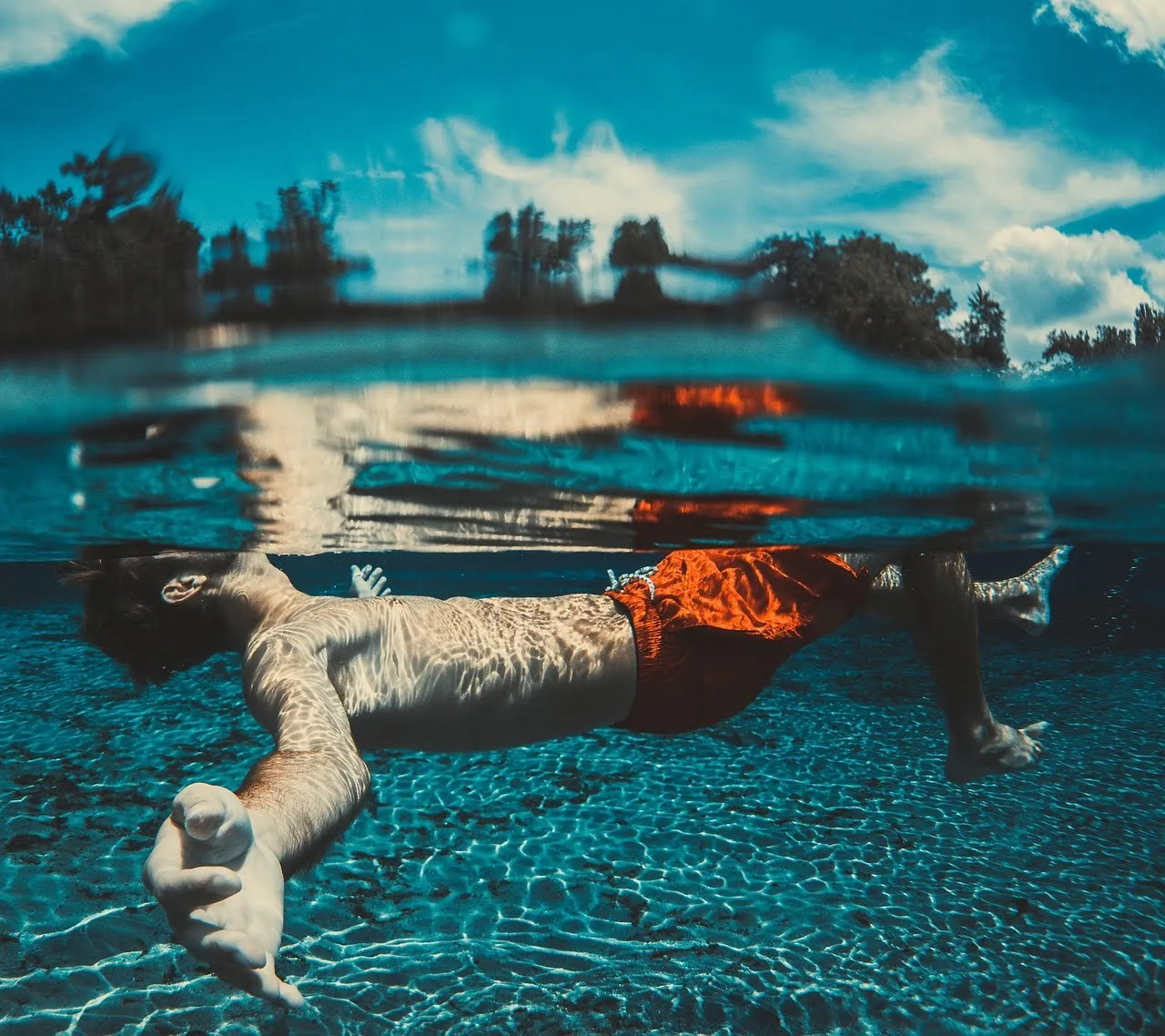
Swimming is not just about speed. How you move through water depends on your body’s ability to float and glide. Buoyancy swimming focuses on staying afloat efficiently while using the least energy. Learning this skill improves water confidence, endurance, and overall swimming technique.
Whether you are a beginner or a seasoned swimmer, understanding buoyancy is essential for safe and effective swimming. In this guide, we’ll talk about how to stay afloat and swim efficiently.
Understanding Buoyancy and Body Position
Buoyancy is your body’s natural ability to float. Different parts of the body have different densities, which affects how easily you float. Learning buoyancy swimming starts with understanding your body in water. Relaxation is key. When your muscles are tense, you sink more and waste energy trying to stay afloat.
Floating on your back is the easiest way to feel buoyant. Lie flat with your arms and legs slightly spread. Keep your head in line with your spine and breathe slowly. Relaxing your neck and shoulders allows water to support your body naturally.
Floating on your stomach is slightly more challenging. Keep your face in the water and focus on keeping your chest, hips, and legs close to the surface. Small, steady movements keep you balanced. Beginners often use flotation devices to practice until they are comfortable.
Tips to improve body position:
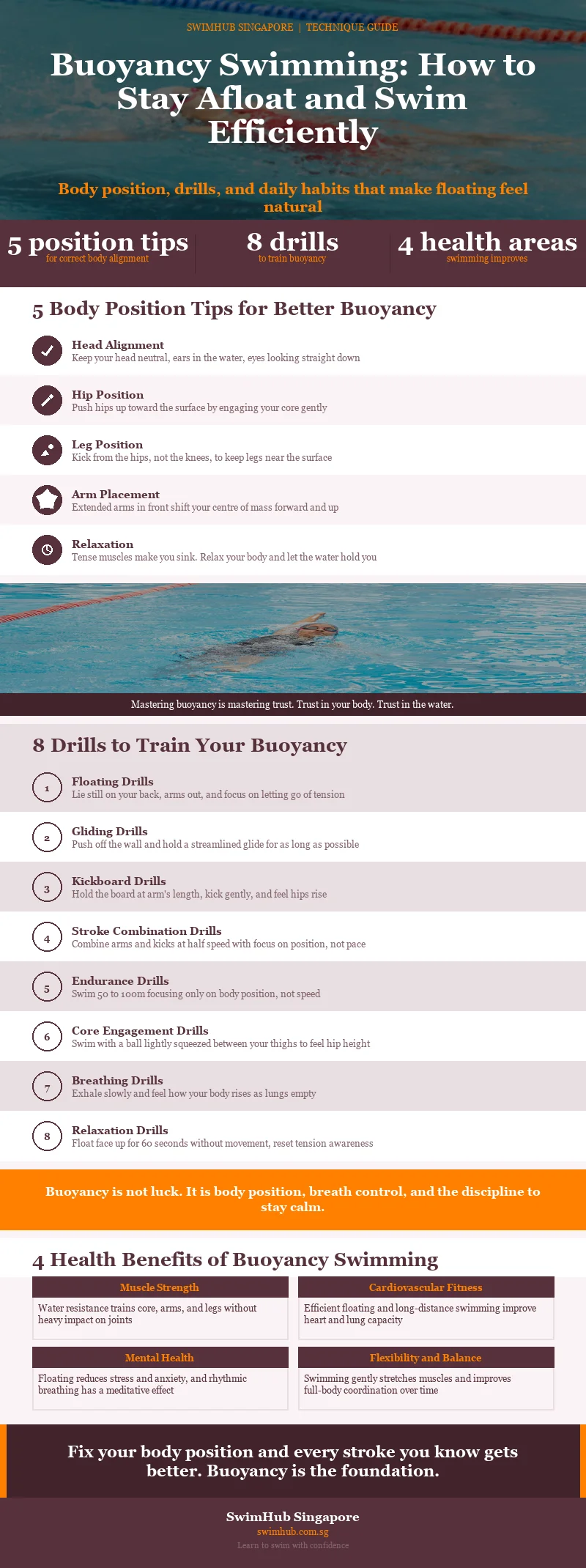
- Head Alignment: Keep your head in line with your spine. Avoid lifting it too high.
- Hip Position: Keep hips near the water surface. Sinking hips create drag.
- Leg Position: Kick lightly from the hips, not the knees.
- Arm Placement: Extend arms slightly to improve balance and streamline the body.
- Relaxation: Tension makes floating harder. Take deep breaths and loosen muscles.
Understanding body position also helps with how to float on back effectively. Once you master this, strokes like freestyle, backstroke, or the dolphin kick become easier and more energy-efficient.
Techniques and Drills for Buoyancy Swimming
Practising specific techniques and drills is essential to master buoyancy swimming. Learning to float, glide, and coordinate your arms and legs allows you to move efficiently through water. Drills help beginners and experienced swimmers alike build muscle memory, improve body alignment, and conserve energy. Starting with simple exercises like floating on your back or stomach teaches relaxation, which is the key to staying buoyant.
Once you are comfortable floating, you can integrate movements like kicking and arm strokes while focusing on smooth, controlled motions. Practising in short, repetitive sessions allows your body to adapt to water resistance without getting tired. Drills also make it easier to transition into other swimming techniques, such as freestyle swimming or the dolphin kick, by reinforcing the importance of a stable, horizontal body position.
Recommended drills for buoyancy swimming:
- Floating Drills: Spend several minutes floating on your back or stomach. Focus on keeping your hips, chest, and legs at the surface. Relax your neck and shoulders to let the water support you naturally.
- Gliding Drills: Push off the pool wall and glide forward without moving your arms or legs. Concentrate on maintaining a straight, horizontal body position to reduce drag.
- Kickboard Drills: Use a kickboard to isolate your legs. Practice kickboard drills like flutter kicks or frog kicks while keeping your upper body relaxed. This strengthens your legs and improves balance in water.
- Stroke Combination Drills: Alternate between floating, gliding, and light strokes like backstroke or freestyle. This helps coordinate arm and leg movements while keeping your body buoyant.
- Endurance Drills: Swim longer distances at a calm, steady pace. Focus on smooth kicks, controlled arm movements, and rhythmic breathing to maintain flotation over time.
- Core Engagement Drills: Perform exercises that engage the abdominal and lower back muscles while floating. This helps maintain a stable, horizontal position and improves energy efficiency.
- Breathing Drills: Practice inhaling and exhaling steadily while floating or gliding. Controlled breathing helps maintain buoyancy and supports longer swim sessions without fatigue.
- Relaxation Drills: Focus on releasing tension in shoulders, neck, and legs while in water. A relaxed body naturally floats better and reduces energy expenditure.
These drills, practiced consistently, improve confidence, make swimming more comfortable, and ensure that your buoyancy swimming technique becomes second nature.
Integrating Buoyancy into Different Strokes
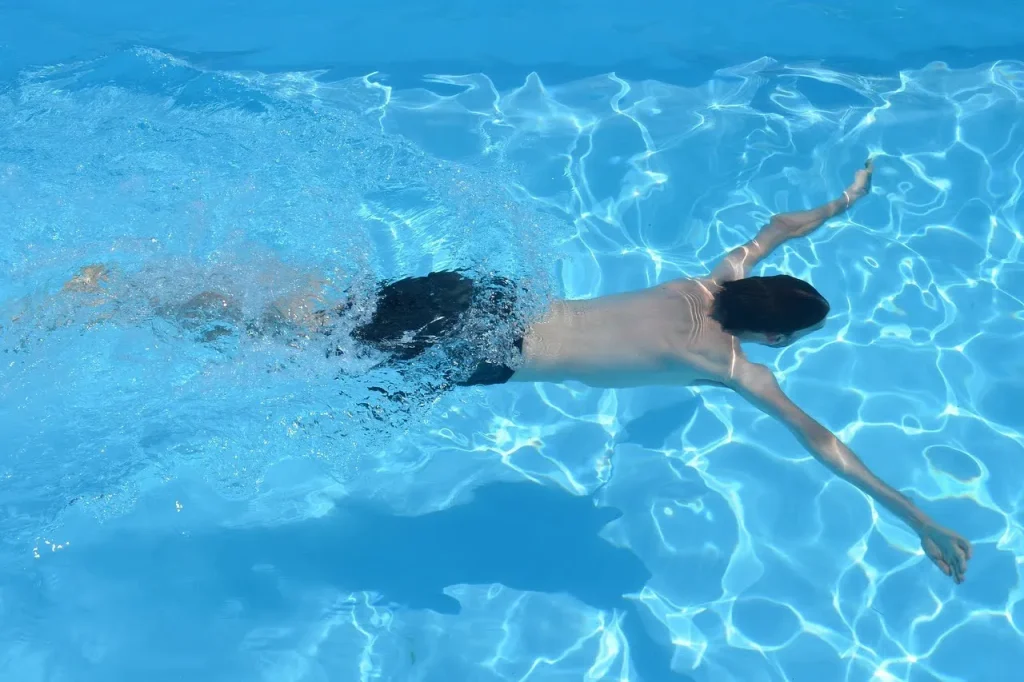
Understanding buoyancy swimming can improve your performance across all types of swimming strokes. Practising buoyancy helps you maintain a stable, horizontal body position, which reduces drag and increases efficiency. By applying the principles of floating, gliding, and controlled movement, you can make every stroke more energy-efficient. Swimmers who master buoyancy often find it easier to swim longer distances without tiring quickly.
Freestyle Swimming
Buoyancy is particularly important in freestyle swimming, where maintaining a streamlined position reduces drag and saves energy. Practising floating and gliding allows you to keep your hips high and your body aligned while performing long, efficient strokes. Controlled arm movements combined with steady kicks improve propulsion without sinking or overexertion.
Incorporating buoyancy drills into freestyle sessions also helps improve breathing technique. Learning to rotate your head for smooth inhales while keeping your body aligned prevents sinking and allows longer continuous swimming. These skills are essential for endurance swimming and help swimmers focus on technique rather than energy conservation.
Backstroke
The backstroke benefits greatly from buoyancy practice because it relies on horizontal alignment and body rotation. Floating exercises help you maintain a steady position on your back while moving your arms in a consistent rhythm. This improves both shoulder flexibility and core stability.
Practising buoyancy while performing backstroke also enhances stroke efficiency. By keeping your hips high and controlling leg kicks, you reduce drag and allow smoother gliding through water. This makes swimming easier over longer distances and supports a more relaxed, energy-efficient approach.
Breaststroke Swimming
Buoyancy principles are particularly useful in breaststroke swimming, where the frog kick and arm sweep need precise timing and alignment. Floating and gliding exercises help keep your body in the correct position as you perform the kick. This ensures that your legs generate propulsion efficiently without causing your hips to sink.
Incorporating buoyancy into breaststroke practice also improves rhythm and coordination. Controlling your breathing and timing the arm pull in sync with the kick allows for smoother movement. This reduces energy expenditure and makes the stroke feel more effortless, especially during longer sessions.
Combination Training
Alternating between strokes during a single session reinforces buoyancy awareness and develops different muscle groups. Switching from freestyle to backstroke or breaststroke challenges your balance, core engagement, and coordination. This variety strengthens overall swimming technique and builds confidence in the water.
Combination training also prepares you for real-life swimming scenarios, such as open-water conditions, where adaptability is essential. Practising buoyancy with multiple strokes helps you conserve energy while staying efficient and safe. Over time, you develop a more natural feel for water and a smoother, more controlled swimming style.
Key points to remember:
- Maintaining proper body position is more important than speed.
- Controlled movements help conserve energy.
- Practising multiple strokes makes buoyancy feel natural in all water conditions.
Health Benefits and Everyday Tips
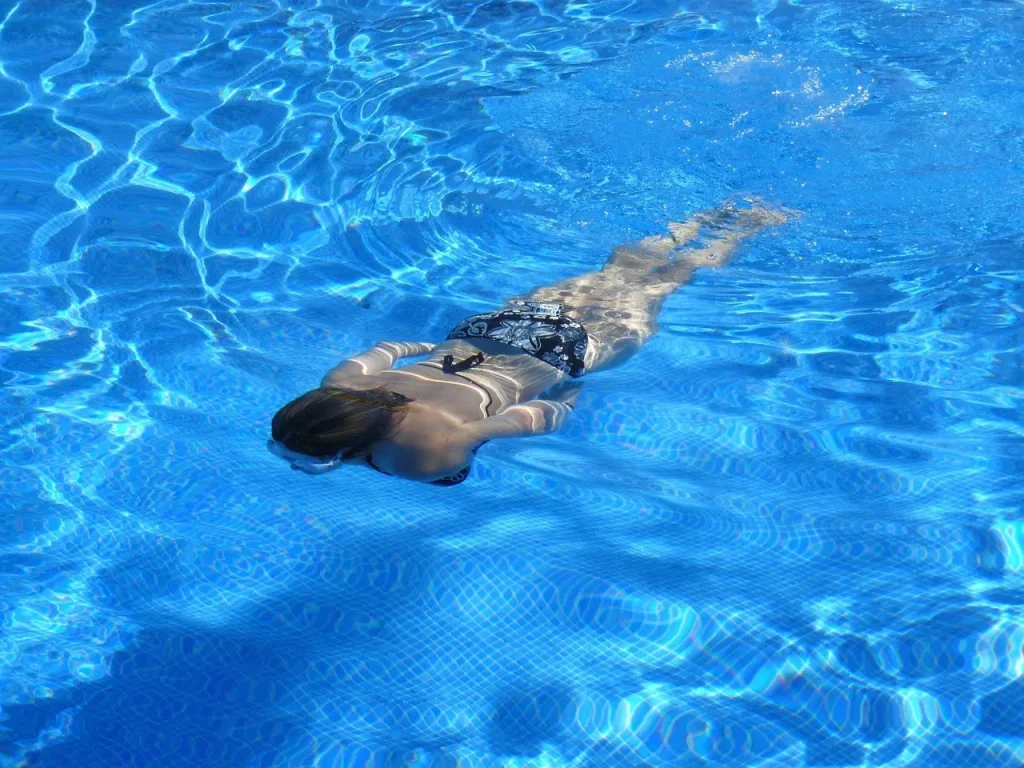
Practising buoyancy swimming improves more than swimming skills. It strengthens your body, improves mental health, and increases endurance.
Muscle Strength
- Water resistance works the core, arms, and legs.
- Helps maintain a toned and balanced physique.
Cardiovascular Fitness
- Efficient floating and gliding keeps your heart and lungs strong.
- Long-distance swims improve stamina naturally.
Mental Health
- Floating calmly reduces stress and anxiety.
- Rhythmic movements and breathing are meditative.
Flexibility and Balance
- Swimming stretches muscles gently.
- Improves coordination and body awareness.
Practical Swimming Tips
- Always do warm-up exercises before swimming.
- Track progress by measuring distance, time, and comfort in the water.
- Wash a swimming costume thoroughly after each session.
- Light kicks and controlled arm movements reduce fatigue.
- Swimming while on your period is possible with the right buoyancy technique and comfort measures.
Buoyancy swimming also complements advanced techniques like dolphin kick or competitive training. Even the world’s fastest swimmer relies on efficient floating and glide to conserve energy during races.
Conclusion on Buoyancy Swimming
Buoyancy swimming is the foundation of efficient and safe swimming. Mastering body alignment, controlled leg and arm movements, and calm breathing improves endurance, confidence, and overall swimming performance. Practising drills and integrating different strokes enhances skill and comfort in water.
At Swimhub, we provide guidance and support to help you improve your swimming skills. Contact us to learn techniques, drills, and tips for all levels. Our team can help you build confidence, endurance, and enjoyment in every session.
Frequently Asked Questions About Buoyancy Swimming
What Is Buoyancy Swimming?
It is a technique that helps swimmers float naturally and swim efficiently with minimal effort.
How Can Beginners Improve Buoyancy?
Focus on body position, relaxation, and controlled movements. Using flotation aids can help build confidence.
Does Buoyancy Swimming Improve Endurance?
Yes. Efficient floating and gliding allow swimmers to swim longer without tiring quickly.
Can Buoyancy Swimming Help With Other Strokes?
Yes. Practising buoyancy supports freestyle, backstroke, breaststroke, and other strokes by improving balance and efficiency.
Is Equipment Useful for Buoyancy Practice?
Yes. Kickboards, fins, and flotation belts help beginners practise proper technique and gain confidence in water.
