
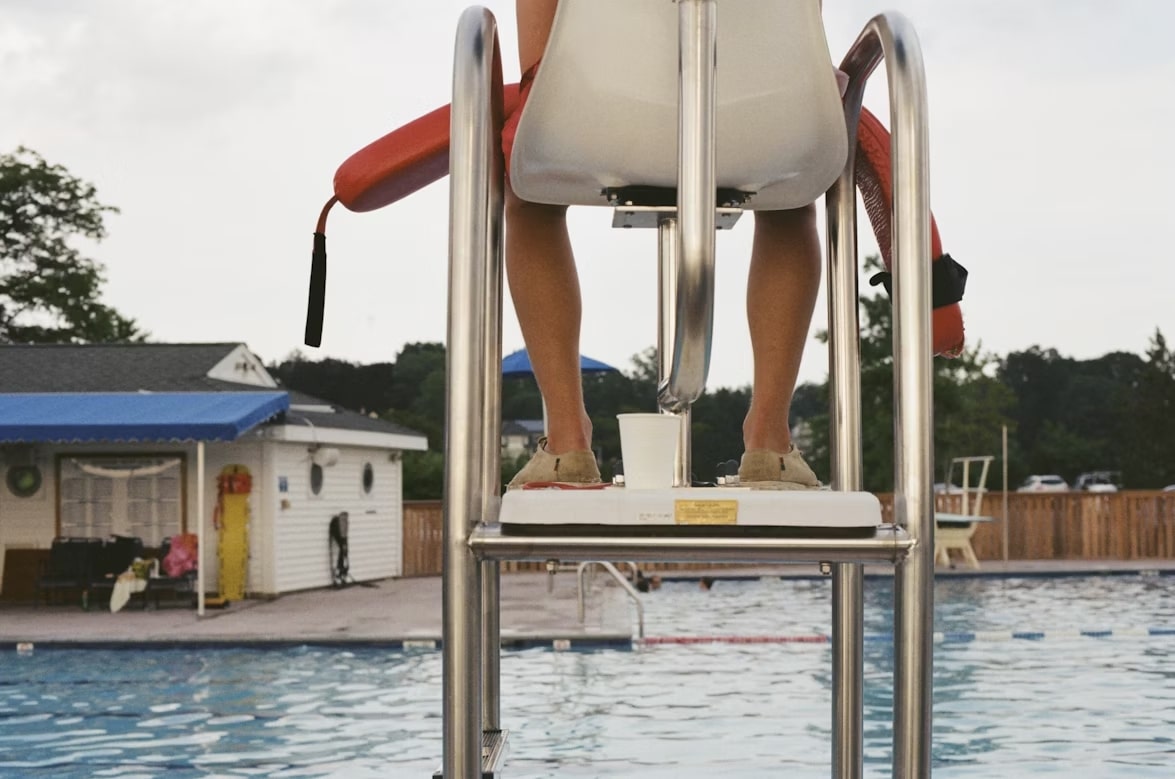
Want a job that’s active, meaningful, and way cooler than sitting behind a desk all day? Lifeguarding might be your thing.
You get to work near the water. You learn legit life-saving skills. And yes, you probably get a great tan; just don’t skip the sunscreen.
But how do you actually become a lifeguard? It’s not just about looking good in red. You need real training, strong swimming skills, and a clear head under pressure. Here’s a step-by-step guide that breaks it all down: simple, real, and no fluff.
1. Make Sure You Can Swim Like a Pro
Let’s start with the obvious. Lifeguards need to swim and not just the chill, Sunday-afternoon float kind.
You’ll need to swim laps confidently, tread water for minutes without rest, and master floating in swimming without freaking out when things get real. It’s not about being an Olympic athlete, but you need stamina and solid technique.
Most courses will test you before training even starts. You may have to:
- Swim 300 to 500 meters without stopping
- Tread water for 2 minutes using only your legs
- Retrieve a brick or dive for a weight from deep water
Can’t do that yet? No stress. Train first. Build your endurance at your local pool. Practice breathing, treading, and turning. Don’t forget your swimming cap, especially if your hair has a mind of its own.
2. Sign Up for a Lifeguard Certification Course
Once your swimming skills are solid, it’s time to register for a course. This is where the serious stuff begins.
Most recognised courses include:
- CPR and First Aid
- Water rescue techniques
- Spinal injury response
- Using rescue equipment
- Team communication and emergency action plans
Expect a mix of classroom learning and in-pool practice. It’s not just about technique, either. You’ll learn how to stay calm, lead rescues, and spot trouble before it becomes a full-blown emergency.
Pro tip: Double-check that your course is approved in your country. In Singapore, make sure it’s recognised by the Singapore Lifesaving Society (SLSS) or a similar legitimate body.
3. Learn the Rules, Not Just the Rescues
Lifeguards aren’t just jumping in and saving lives. A big part of the job? Watching. Warning. Preventing.
This is where swimming pool etiquette rules come in. You’ll be expected to enforce them, not just follow them. No running on deck. No diving in the shallow end. No horseplay.
Sometimes it feels like being the fun police, sure. But those “boring” rules? They’re there for a reason. Lifeguards are trained to notice tiny risks before they turn into big problems.
It helps if you’re observant, confident, and not afraid to speak up when someone’s pushing the rules.
4. Pass the Tests
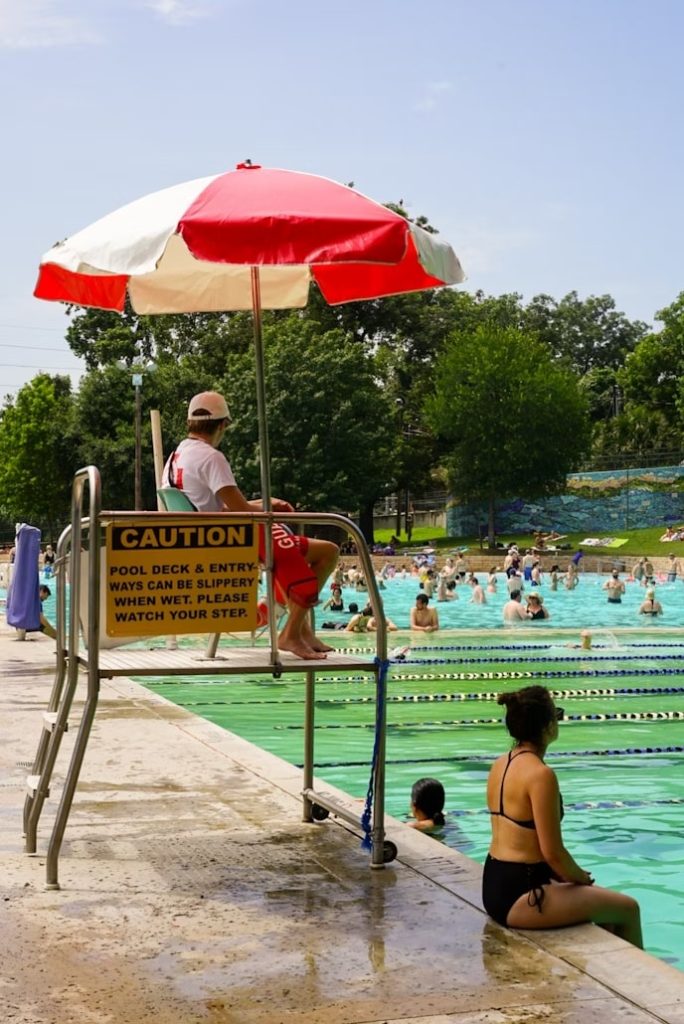
At the end of your course, you’ll take both a written and a practical exam. Don’t stress, they’re totally doable if you’ve been paying attention.
The practical side usually includes:
- Timed swims and rescues
- Proper use of a rescue tube
- Spinal injury rescues with a backboard
- CPR performance on an adult, child, and infant dummy
Yes, it’s a lot. But by this point, you’ll be more prepared than you think. And passing feels awesome. Like, real-world-superpower awesome.
5. Get Certified and Apply for Jobs
Congrats! You’ve passed. You’re now a certified lifeguard.
You can start applying for jobs at:
- Public pools
- Swim schools
- Resorts
- Beaches (additional training may be needed)
- Water parks
Most places will also check that you have proper swimming pool attire. This usually means a uniform that includes a rash guard or shirt, suitable swim shorts, and yes, probably a whistle.
You may also need a swimming cap, depending on your hair length or facility rules. The goal is to look sharp and stay professional while being rescue-ready.
6. Keep Your Certification Updated
Lifeguard certs don’t last forever. In most places, they expire every 1 to 3 years.
That means regular recertification. Some workplaces offer refreshers in-house. Others expect you to sign up on your own. Either way, staying current is a must.
CPR guidelines change. Rescue methods evolve. Skills fade if you don’t use them. Staying sharp means staying ready.
7. Stay Fit and Ready Year-Round
Lifeguarding isn’t a once-and-done skill. You’ve got to stay physically ready.
Swimming takes strength and stamina, especially during rescues. So even after you’re certified, make regular swim sessions part of your routine. Keep your endurance up, sharpen your strokes, and practice floating in swimming positions often. Some lifeguards even cross-train with running or bodyweight workouts to stay in shape.
Think of it this way: when someone’s safety is on the line, your fitness is your lifeline.
Conclusion On How To Become A Lifeguard
Becoming a lifeguard takes work, but it’s worth it. It’s one of those jobs that builds real confidence, teaches real responsibility, and actually saves lives. You’ll learn discipline, quick thinking, and how to stay cool when things get chaotic.
And the best part? You get to do all that while working around water.
Ready to build strong swimming skills before lifeguard training? SwimHub offers expert swimming lessons in Singapore. From stroke technique to water safety, they’ll help you level up your confidence in the pool.
Contact them today.
Frequently Asked Questions About How To Become A Lifeguard
What Swimming Skills Are Required for Lifeguard Training?
You should be able to swim laps smoothly, tread water using only your legs, and perform basic diving. Strong breathing control and floating in swimming are also key.
Can You Be a Lifeguard Without CPR Certification?
Nope. CPR and First Aid certification are must-haves. Lifeguards need to know how to respond quickly in emergencies, both in and out of the water.
What Is Considered Proper Swimming Pool Attire for Lifeguards?
This usually includes a lifeguard uniform with a shirt or rash guard, swim shorts, and sometimes a swimming cap. It depends on the pool’s dress code.
Do Lifeguards Need to Know Swimming Pool Etiquette Rules?
Absolutely. Enforcing swimming pool etiquette rules is a big part of the job. Lifeguards help keep the pool safe by making sure everyone follows them.
Is Being a Lifeguard a Good First Job?
Yes. It teaches responsibility, teamwork, and how to stay calm in high-pressure situations. Plus, it looks great on resumes and builds real confidence.
