

A swimming pool is a shared public space. Whether you’re there for a serious lap workout, a family splash, or just to cool off, everyone deserves a safe and pleasant experience.
But what is swimming pool etiquette?
Think of it as the unwritten social contract for swimmers. It’s a collection of common-sense guidelines and swimming pool rules that ensure the water stays clean, the environment stays safe, and everyone can share the space without conflict. Following proper pool etiquette is the best way to show respect for your fellow swimmers and the facility staff.
Here are 13 essential rules for a respectful pool time.
1. Respect Personal Space
One of the most important aspects of pool etiquette is respecting others’ personal space. Whether swimming laps or just relaxing in the pool, be mindful of your proximity to other swimmers.
Avoid swimming too close to others, and try not to splash excessively, as this can disrupt their experience. If you’re using the pool to relax, pick a quieter spot away from lap swimmers.
For lap swimmers, always choose the correct lane for your speed. Pools usually have designated lanes for slow, medium, and fast swimmers, allowing everyone to swim at their own pace without interfering with others.
2. Shower Before Entering The Pool

A basic but often overlooked rule of swimming pool etiquette is to shower before entering. This helps remove dirt, oils, and lotions from your body, ensuring that the water stays cleaner for everyone.
Many public pools have shower facilities nearby, and taking a quick rinse before getting into the water is a courtesy. It’s a hygienic practice that helps maintain the pool’s cleanliness.
3. Keep The Noise Level In Check
Pools are often places of relaxation or exercise, so it’s important to keep noise levels under control. Excessive splashing, loud conversations, or music playing can disrupt others who are trying to enjoy the space quietly.
As part of good swimming pool etiquette, keep noise to a minimum. If you’re with friends or family, try to have quiet conversations or avoid shouting, especially in quieter areas like lap lanes.
4. Follow Pool Safety Rules
Pool etiquette is inseparable from pool safety. Always adhere to the pool’s rules, which are there for the safety of all users.
This includes guidelines about diving, the use of inflatables, and the number of people allowed in the pool at one time. For example, diving is often prohibited in shallow areas, and inflatable devices may only be permitted in certain pool parts.
Additionally, familiarise yourself with the location of lifeguards and first aid kits. If you’re with children, always supervise them closely to ensure their safety.
5. Don’t Hog The Pool Equipment
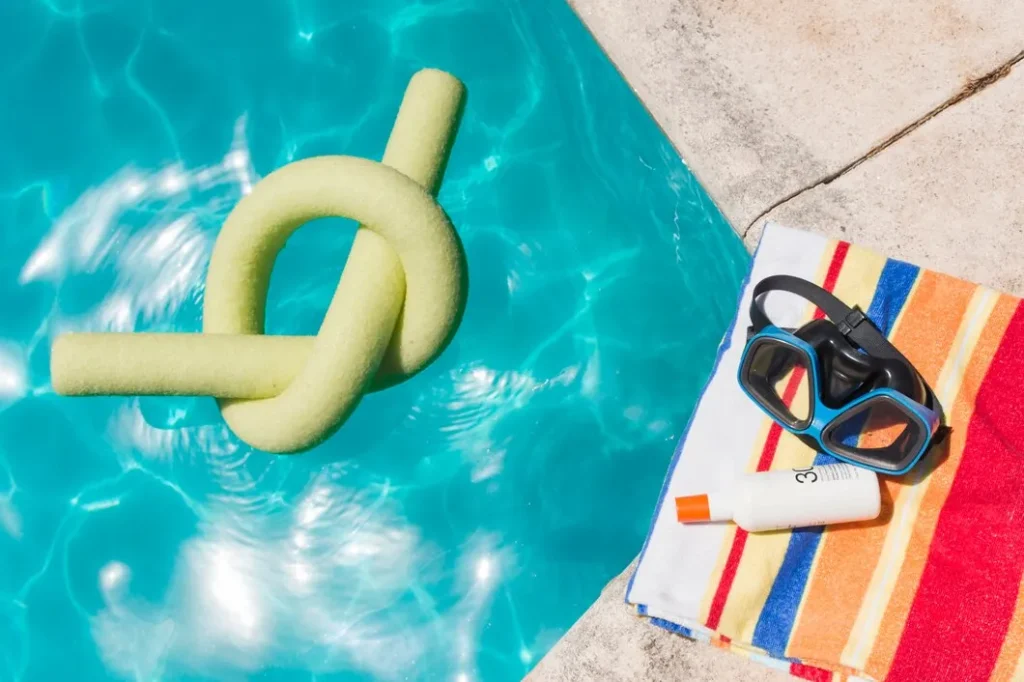
Many public pools provide equipment like kickboards, pool noodles, and floating devices. Be considerate of others by sharing the equipment and not monopolising it for extended periods.
If you borrow a piece of equipment, return it to the designated area so someone else can use it. This simple act of consideration is vital to swimming pool etiquette and ensures that all swimmers have equal access to the resources available.
6. Stay Within The Pool’s Designated Areas
Each pool is divided into sections for specific activities, such as lap swimming, water play, and relaxation. When practising good swimming pool etiquette, it is important to stay within these designated areas to avoid disturbing others.
Lap swimmers should stick to the swimming lanes, and those looking to relax should stay in the shallow areas or designated leisure sections. This helps avoid overcrowding in any location and ensures that all swimmers enjoy their chosen activity.
7. Respect The Pool’s Opening Hours
Respecting the pool’s rules and closing times is key to good swimming pool etiquette. If you’re visiting a public pool, arrive during open hours and leave when the pool closes.
Avoid lingering after hours, as it can inconvenience the staff and prevent others from enjoying their pool time.
If you’re hosting a pool party in your private pool, ensure that noise levels are reasonable and that guests leave at an appropriate time, especially if you live in a residential area.
8. Keep The Pool Clean
A well-maintained pool is a pleasure for everyone, so always ensure you leave the area clean after swimming. This includes picking up any litter you might have created, such as water bottles or wrappers, and disposing of them in the appropriate bins.
Swimming pool etiquette also involves avoiding bringing in items that could pollute the water, such as food or glass bottles, which can cause accidents.
For those hosting pool parties in private pools, ensure that the pool is cleaned before your guests arrive, and encourage everyone to leave the area tidy once they’ve finished swimming.
9. Be Considerate Of Others’ Time
It’s important to be mindful of how long you spend in the pool. For instance, if you’re using the pool for exercise or swimming laps, avoid spending long periods in the same spot, especially during busy hours.
If you’re relaxing in a public pool, don’t occupy a large area. Others might want to use them for a specific purpose. Consider rotating areas if the pool is busy or taking breaks if you’re not actively swimming for now.
10. Wear Appropriate Swim Attire
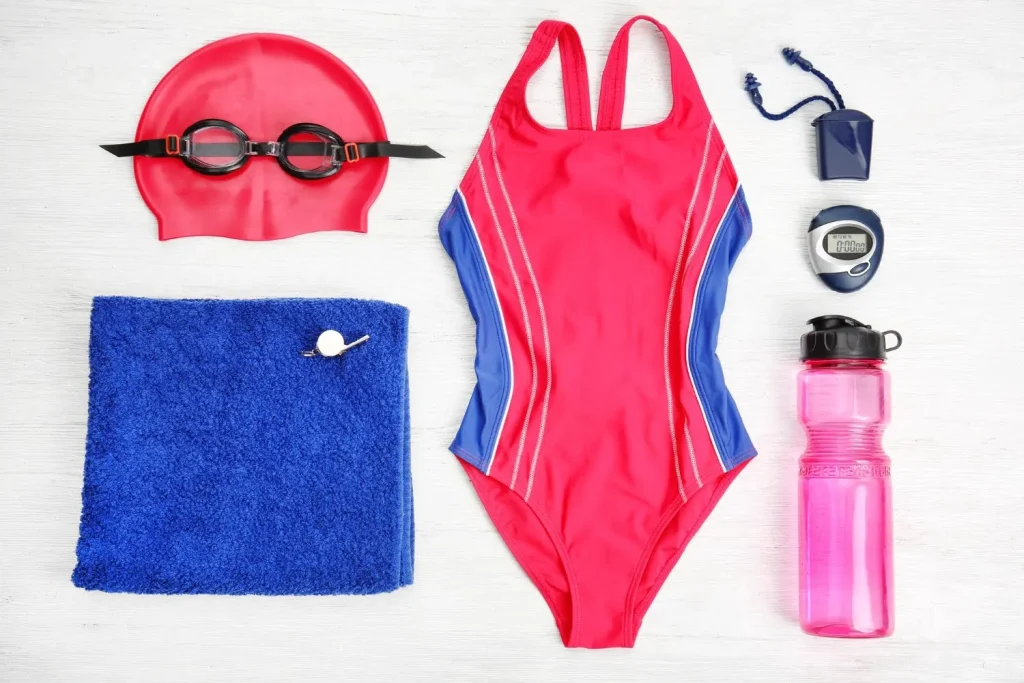
Street clothes, gym shorts, and cotton T-shirts are not designed for the pool. They can shed fibres that clog the pool’s filter system and can also absorb and introduce contaminants into the water. Proper swimwear (made from materials like nylon or Lycra) is essential.
11. Choose the Correct Lane
This is the most important rule of lap pool etiquette. Lanes are almost always designated by speed (Slow, Medium, Fast).
Before getting in, watch the swimmers in each lane for a minute. Choose the lane that best matches your own swimming pace, not the one that is simply the most empty.
12. Know How to Pass and Be Passed
You will eventually need to pass someone, or someone will need to pass you.
- How to pass: A gentle but distinct tap on the feet of the swimmer in front of you is the universal signal that you wish to overtake. They should then pause at the end of the lane to let you pass.
- How to be passed: If someone taps your feet, simply stop at the next wall, move to the corner of the lane, and let them swim past.
- What is circle swimming? In a busy lane (3+ swimmers), you must “circle swim.” This means everyone swims counter-clockwise, staying to the right side of the black line (in Singapore, we swim on the left, so this is like driving).
13. Keep the Pool Deck Clean
Tidy up after yourself. Throw away any rubbish, put your bag in a locker or neatly on a bench, and don’t leave used plasters or tissues lying around.
Why Is Swimming Pool Etiquette Important?
Minor issues can escalate into bigger problems in crowded public pools if proper swimming pool etiquette isn’t followed. Whether visiting a local leisure centre or enjoying a private pool, good etiquette helps maintain a safe and respectful environment.
By adhering to the rules of pool etiquette, you help ensure that the swimming pool remains a welcoming space for everyone, regardless of their swimming abilities or personal preferences.
Understanding how to behave in a shared pool space is crucial for fostering a positive experience. This is especially important when the pool is busy, and everyone needs to work together to keep things running smoothly.
How To Maintain Swimming Pool Etiquette In Private Pools
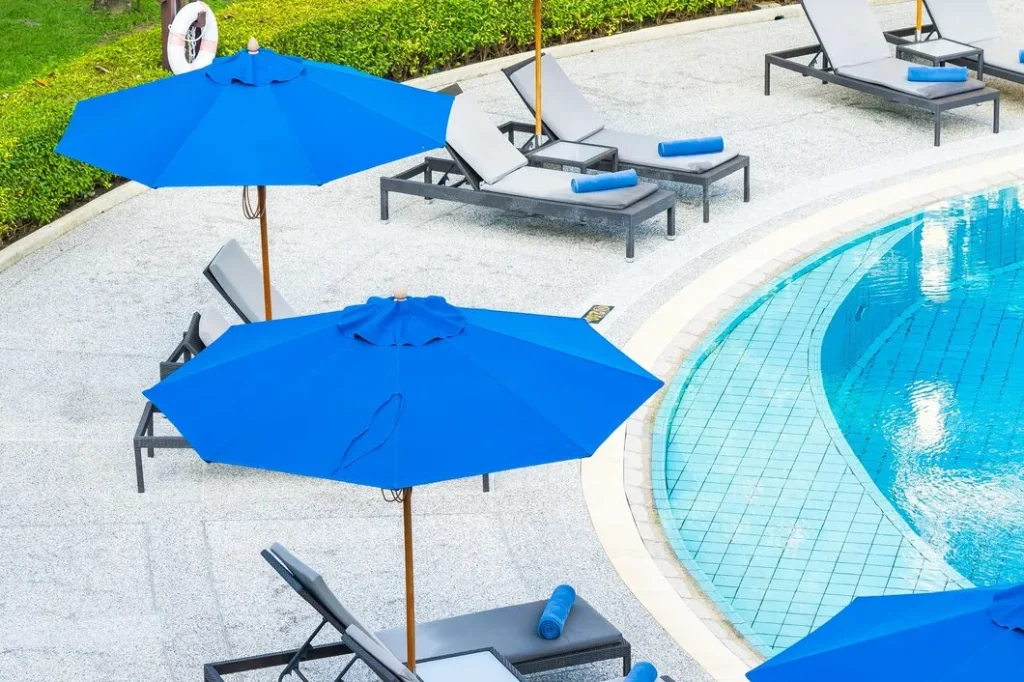
While most of the swimming pool etiquette discussed above applies to public pools, there are still a few important considerations for those lucky enough to own a private pool. Whether you’re hosting a pool party or simply relaxing with friends, it’s important to consider your guests’ needs.
Here are some tips for maintaining good etiquette in a private pool:
- Clean the pool Regularly: Maintaining a clean and safe pool environment is essential. Regular cleaning ensures hygiene and shows respect for your guests’ comfort.
- Respect Quiet Times: If your pool is in a residential area, try to keep noise levels in check during late hours to avoid disturbing neighbours.
- Set Ground Rules: Before inviting guests to your pool, establish basic rules, such as no glass near the water, proper swimwear, and appropriate behaviour.
- Provide Adequate Seating: Make sure there are enough seats around the pool. Don’t leave people standing or sitting on the floor when enjoying a pool day.
Conclusion About Swimming Pool Etiquette
A good pool experience is always about following proper etiquette, whether you’re at a public pool or enjoying a private pool party.
When swimming pool etiquette is practised, hygiene and safety improve, and everyone feels more comfortable. Remembering these 13 tips is the first step to ensuring a fun and relaxed swim for all.
But knowing the rules is only half the battle. The best way to feel truly confident, whether you’re in a crowded leisure pool or navigating the rules of lap pool etiquette, is to have strong, capable swimming skills.
If you or your child is ready to build that confidence and master the water, SwimHub offers kids swimming lessons and adult swim classes tailored to your exact goals. Our certified instructors can take you from feeling anxious to swimming capably and safely.
Don’t just be a polite swimmer; be a confident one. Contact us today and take the most important step in your swimming journey.
Frequently Asked Questions About Swimming Pool Etiquette
Is It Okay To Swim Right After Eating?
While it’s a common myth that you should wait 30 minutes after eating before swimming, mild discomfort may occur if you swim vigorously right after a large meal.
However, swimming leisurely or doing gentle water exercises is generally fine. Just listen to your body and avoid intense physical activity if you’ve just eaten.
Can I Use The Pool If I Have A Cold or Feel Sick?
It’s best to avoid swimming if you’re feeling unwell, especially if you have symptoms like a cold, cough, or fever. This not only protects your health but also prevents spreading germs to others. Many public pools have rules that discourage entry if you’re visibly ill, particularly if you have contagious symptoms.
What Should I Do If Someone Is Violating Pool Etiquette?
If someone is being disruptive or not following pool etiquette, such as splashing excessively or not respecting personal space, it’s best to approach them politely and kindly. If the issue continues, notify a lifeguard or pool staff member who can handle the situation professionally.
Can I Bring Food Or Drinks Into The Pool Area?
Many pools have strict rules about food and drinks near the water. Generally, it’s advisable to avoid bringing food into the pool area, as it can create messes or attract insects. If you’re allowed to bring drinks, ensure they’re in spill-proof containers, and avoid glass bottles for safety reasons.
Is It Acceptable To Wear Jewellery Or Accessories In The Pool?
It’s best to avoid wearing jewellery in the pool, as it can become lost, damaged, or cause discomfort while swimming. Some pools also have rules about wearing accessories that might interfere with safety (e.g., hoop earrings, watches) or clog pool filters.
