High-performance athletes view food as fuel rather than just a daily necessity. A strategic approach to nutrition ensures the body has the exact resources needed for intense physical exertion.
A sudden stomach cramp halfway through a paid session turns a valuable learning experience into a painful ordeal. The fear of nausea or sudden sluggishness often ruins the enjoyment of the water.
Proper knowledge of what to eat before swimming helps prevent these disruptive issues and ensures high energy levels. Readers will discover the best snacks and timing strategies to ensure every moment in the water is highly productive.
1. Fresh Bananas
Bananas provide easily digestible carbohydrates and natural sugars for immediate energy. The high potassium content also helps to prevent cramps while swimming during intense physical exertion.
2. White Toast With Jam
White bread digests much faster than whole wheat options because it lacks heavy fibre. A light layer of jam adds a quick source of simple carbohydrates for sudden bursts of speed.
3. Plain Oatmeal
Plain oatmeal delivers a slow release of energy to keep swimmers active for longer periods. Swimmers should consume this complex carbohydrate at least two hours prior to getting wet.
4. Sweet Potatoes
Sweet potatoes act as an excellent source of sustained fuel for demanding aquatic routines. The natural sugars provide a steady stream of power without causing an unwanted energy crash.
5. Handful Of Mixed Berries
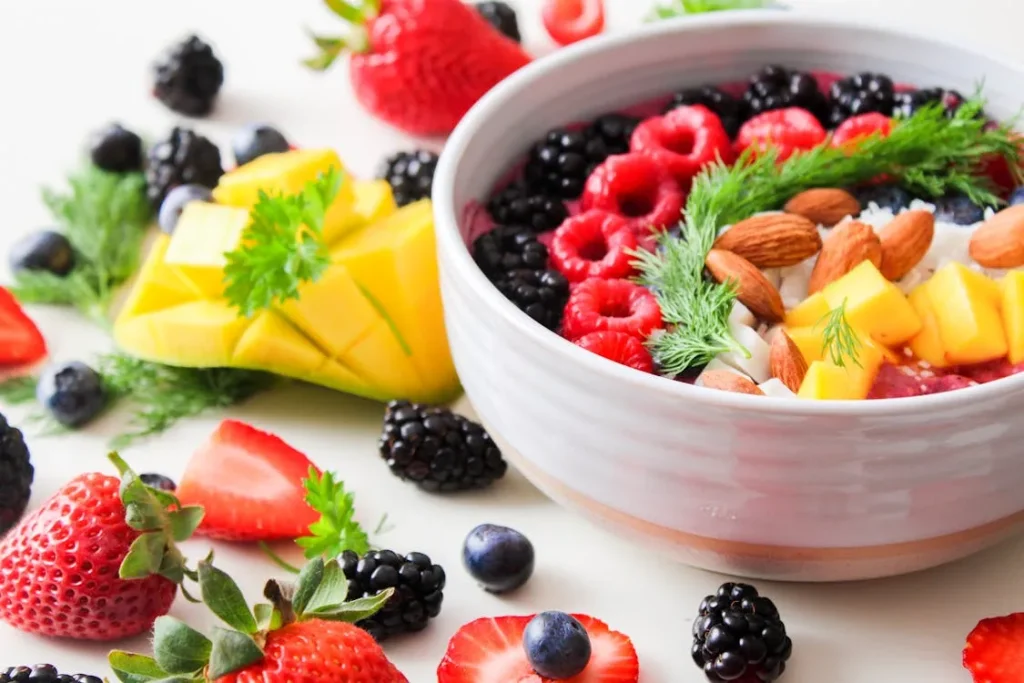
Mixed berries offer a light and refreshing option that will not sit heavily in the stomach. Antioxidants in the fruit also aid in quick muscle recovery post-exercise.
6. Light Greek Yoghurt
A small portion of light Greek yoghurt supplies easily processed proteins to protect muscles. Swimmers should select plain varieties to avoid the artificial sugars found in flavoured options.
7. Plain Rice Cakes
Plain rice cakes digest rapidly and provide a completely blank canvas for sensitive stomachs. This simple snack prevents any feelings of bloating or nausea during rigorous strokes.
8. Apple Slices With A Tiny Bit Of Honey
Apple slices paired with honey create a perfect balance of natural sweetness and rapid energy. The honey acts as a quick-acting carbohydrate that muscles can use almost instantly.
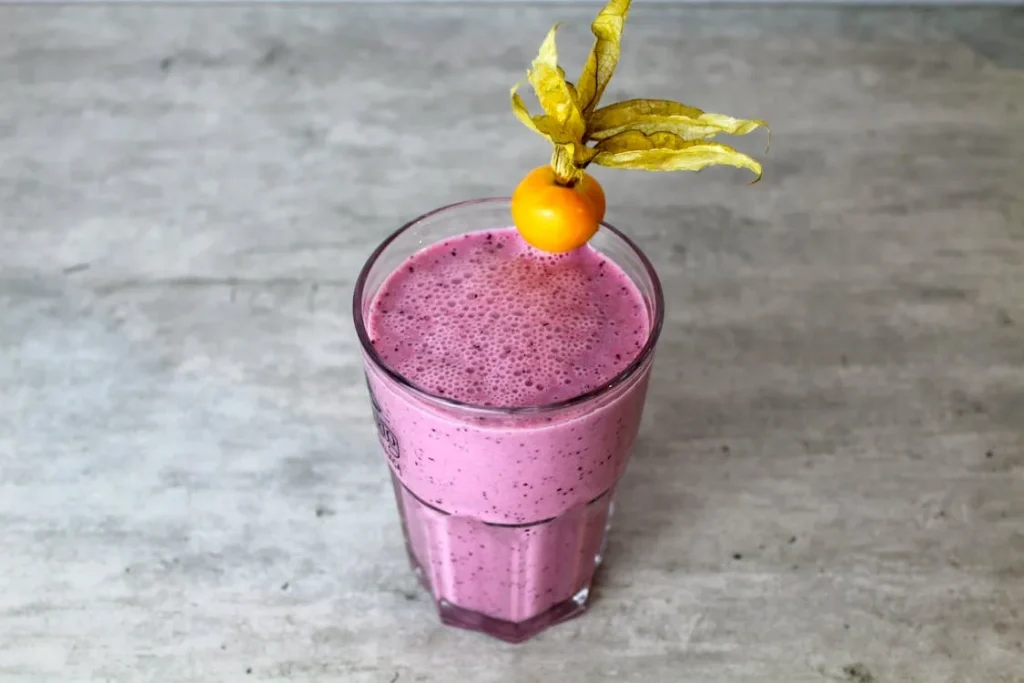
9. Simple Fruit Smoothies
Fruit smoothies offer a liquid energy source that the body processes much faster than solid meals. A blend of water and light fruits guarantees hydration alongside a helpful calorie boost.
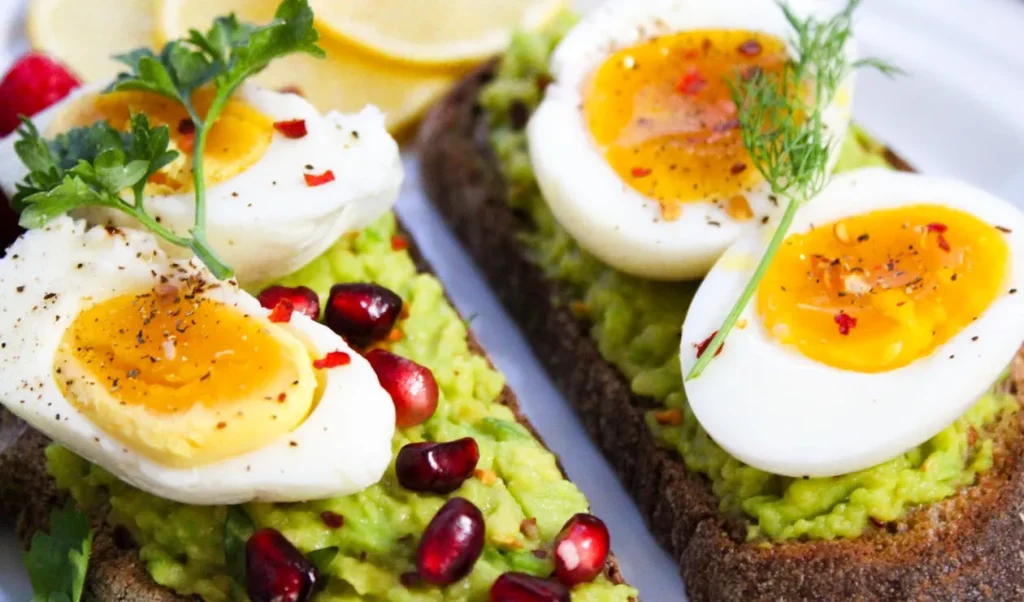
10. Hard-Boiled Eggs
Hard-boiled eggs provide a compact source of high-quality protein to support muscle endurance. One single egg offers enough fuel to sustain a moderate session without causing fullness.
11. Small Handful Of Almonds
Almonds pack a dense amount of natural energy into a very small and convenient serving size. A strict limit to just a handful ensures the healthy fats do not slow down the digestive process.
What To Eat Before Swimming In The Morning
The challenge of finding what to eat before swimming in the morning requires a focus on speed and stomach comfort. Quick options save valuable time during a rushed sunrise departure.
Quick Liquid Carbohydrates
Liquid meals bypass the usual digestive delays to deliver instant fuel. Options like natural fruit juices prepare the body for immediate physical exertion.
Easily Digestible Fruits
Soft fruits process quickly and will not cause discomfort during early dawn routines. Melons and bananas act as the perfect grab-and-go options for busy mornings.
Light Grab-And-Go Snack Bars
Snack bars provide measured portions of carbohydrates for tight schedules. Buyers must select bars with minimal artificial ingredients to ensure clean energy delivery.
Dry Breakfast Cereals
A small bowl of dry cereal offers a crunchy and light carbohydrate source. A dry bowl of cereal prevents heavy dairy from upsetting the stomach.
Overnight Chia Seed Puddings
Chia puddings prepared the night before eliminate morning stress and save valuable time. These seeds retain water well and keep the body hydrated throughout the early workout.
What To Eat Before Swimming Practice
The process of selecting what to eat before swimming practice involves choosing foods that sustain effort for a full hour. Proper fuel guarantees the body can handle repetitive drills without failing.
Sustained Energy Carbohydrates
Complex carbohydrates form the foundation of a highly productive training block. Foods like brown rice or wholemeal pasta consumed hours prior build a solid energy reserve.
Light Lean Proteins
Lean proteins repair muscle tissue during long and demanding stroke drills. Small amounts of chicken or turkey provide this support without causing a heavy feeling.
Hydrating Pre-Lesson Snacks
Snacks with high water content serve a dual purpose of providing fuel and preventing dehydration. Cucumber slices and watermelon chunks work perfectly to maintain fluid balances.
Homemade Trail Mixes
A custom mix of pretzels and dried fruits allows for exact control over nutrient intake. This combination delivers both quick sugar bursts and longer-lasting complex carbohydrates.
Electrolyte-Rich Natural Drinks
Coconut water replaces the natural salts lost through intense physical exertion. This clear liquid keeps the body balanced and wards off sudden muscle fatigue.
What To Eat Before A Swimming Competition
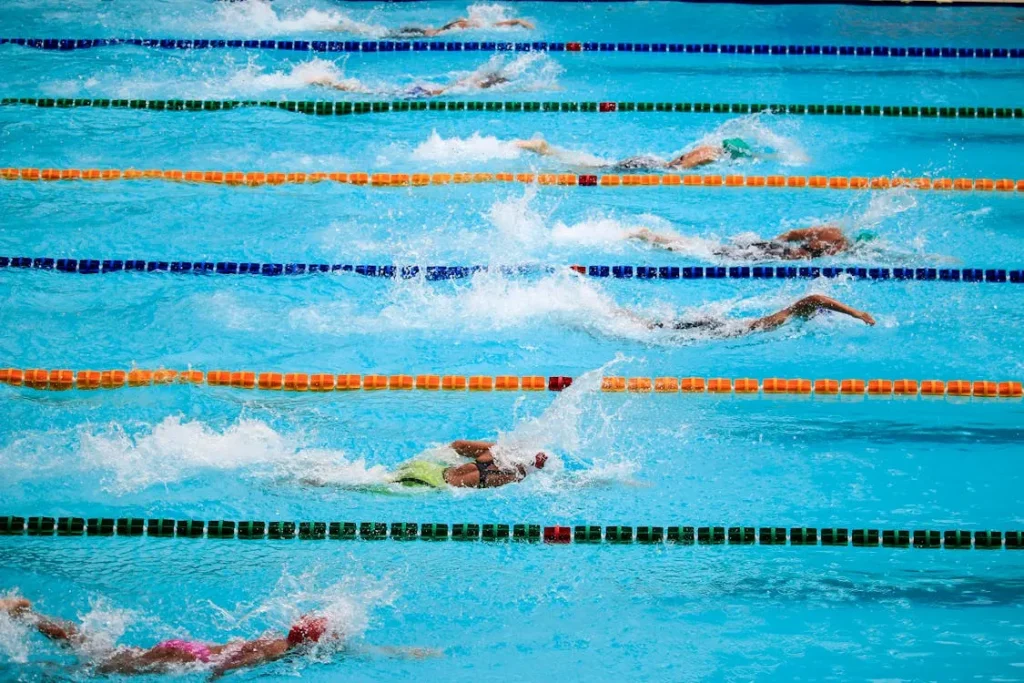
Preparation for what to eat before a swimming competition requires a strict adherence to familiar and tested food choices. High-stakes events demand reliable energy sources to increase stamina in swimming across multiple intense heats.
Familiar Pre-Race Meals
Swimmers must never experiment with new foods on the day of a major event. Sticking to trusted meals guarantees the digestive system will handle the stress smoothly.
Phased Energy Snacks
Small portions of fruit eaten every hour keep blood sugar levels completely stable across multiple events. This method ensures a constant drip of energy without overwhelming the stomach.
Quick Between-Heat Bites
Fast-digesting items provide the necessary boost when only minutes separate two races. A few jelly sweets or a small piece of a banana serve this exact rapid purpose.
Easy-To-Drink Protein Shakes
Liquid protein repairs minor muscle tears between intense sprint events. A water-based shake digests much easier than trying to chew solid food while nervous.
Bite-Sized Energy Chews
Energy chews deliver highly concentrated carbohydrates directly into the bloodstream. These small gummies bypass heavy digestion and fuel the muscles almost instantly.
What Not To Eat Before Swimming
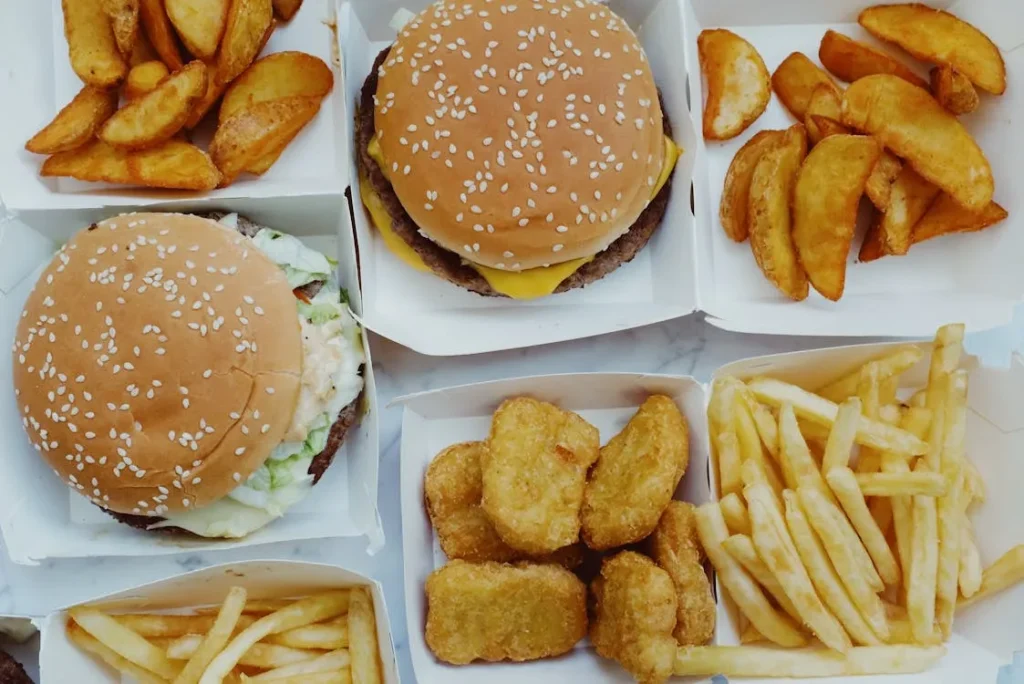
A clear list of what not to eat before swimming is the best way to prevent nausea and painful cramps. Certain ingredients destroy performance and ruin the overall pool experience.
Heavy Dairy Products
Milk and cheese take a very long time to break down in the human stomach. These dense items often cause severe bloating and discomfort once physical activity begins.
Spicy And Acidic Meals
Spicy ingredients aggravate the stomach lining and trigger intense acid reflux during horizontal movements. Citrus fruits and hot sauces lead to a very uncomfortable burning sensation in the throat.
Fried Or Greasy Foods
Foods saturated in cooking oils sit like heavy stones in the digestive tract. The body diverts blood away from muscles to process these fats, which causes immediate sluggishness.
High-Fibre Vegetables
Raw broccoli and beans produce excess gas during the digestive process. This internal trapped air causes sharp pains that will ruin a highly anticipated pool session.
Carbonated Sugary Drinks
Fizzy sodas fill the stomach with unnecessary air and promote immediate burping. The sharp sugar crash that follows leaves the body feeling completely drained of power.
Heavy Red Meat And Protein
Steaks and thick burgers require immense bodily energy to digest properly. A heavy meat meal too close to a session guarantees a slow and highly lethargic performance.
Sugary Processed Sweets
Artificial candies provide a very brief spike in energy, followed by a massive deficit. This sudden drop ruins concentration and limits overall physical endurance.
Heavy Bean And Legume Dishes
Lentils and legumes contain complex sugars that humans struggle to break down quickly. The resulting gastrointestinal distress forces many people to abandon their aquatic routines early.
How To Time Your Meals For Maximum Pool Performance

Correct meal timing dictates how efficiently the body uses the consumed calories. Strategic schedules prevent food from lingering in the stomach during strenuous strokes.
Applying The Two-Hour Rule For Large Meals
A full two-hour window allows the stomach to clear out heavy lunches or dinners. This strict gap ensures all blood flow returns from the digestive tract back to the muscles.
Applying The 30-Minute Rule For Light Snacks
Small carbohydrate portions require only thirty minutes to enter the bloodstream. This short gap perfectly suits a quick banana or rice cake right before leaving the house.
Applying The Immediate Pre-Swim Hydration Strategy
A few sips of clear water right up to the edge of the pool maintain peak hydration. Swimmers must avoid gulping large amounts to prevent water from sloshing around in the stomach.
Adjusting Timing For Early Morning Wakes
Dawn sessions require an immediate intake of liquid energy right after waking up. A quick fruit smoothie bypasses the need for the two-hour rule entirely.
Planning Around Multiple Swim Heats
Long event days demand constant grazing rather than sitting down for three large meals. Small bites every forty-five minutes keep energy high without taxing the digestive system.
How Professional Instructors Ensure Safety And Monitor Energy Levels
Professional instructors actively monitor energy levels to guarantee optimal swimming safety and a highly productive session. Constant supervision ensures no student ever pushes past their physical limits.
Spotting Early Fatigue Signs
Trained coaches watch for sluggish strokes and sudden changes in breathing patterns. Identification of these drops in energy allows for immediate intervention before a student struggles.
Adjusting Drill Intensity
Instructors adapt the difficulty of a session based on the fuel levels of the individual. A student will focus on slow technique work rather than exhausting speed sprints when their energy dips.
Encouraging Timed Water Breaks
Scheduled pauses force individuals to rehydrate and catch their breath. These frequent rests prevent sudden exhaustion and keep the heart rate in a safe zone.
Modifying Lesson Plans For Low-Energy Days
Coaches easily pivot to floatation exercises if a student skipped their pre-workout snack. Adults also benefit from modified plans on low-energy days to ensure safety.
Communicating Cramp Risks To Parents
Open dialogue between the instructor and the family prevents future dietary mistakes. A dedicated female coach or male instructor will always provide clear feedback to help caregivers adjust the meal schedule.
Conclusion About What To Eat Before Swimming
The correct choice of pre-workout foods eliminates the risk of painful cramps and wasted sessions, just as knowing what to eat after a swim accelerates recovery. A strategic mix of simple carbohydrates and smart timing guarantees peak performance in the water. SwimHub provides a structured environment where proper nutritional preparation perfectly complements high-quality instruction. The academy offers highly tailored toddler swimming lessons, engaging kids swimming lesson programmes, and comprehensive adult swimming lesson options to suit every schedule.
Contact us today to schedule your preferred class and experience the difference!
Frequently Asked Questions About What To Eat Before Swimming
How Long Should A Person Wait To Swim After Eating?
A person should wait a full two hours after a heavy meal before entering the water. Light snacks require only a brief thirty-minute digestion period.
Does Eating Before Swimming Cause Stomach Cramps?
Large meals or heavy dairy right before a session force the digestive system to work overtime. This internal stress directly causes painful muscle spasms and sharp stomach cramps.
Are Bananas A Good Pre-Swim Snack?
Bananas act as an excellent source of rapid carbohydrates and natural energy. The high potassium levels also actively prevent muscle cramps during intense water exercises.
Should Swimmers Drink Water Before A Session?
Proper hydration remains absolutely mandatory before any aquatic physical activity. Individuals must drink moderate amounts of plain water to prevent sudden dehydration and fatigue.
Is Coffee Safe To Drink Before Swimming?
Small amounts of black coffee provide a helpful energy boost for early dawn routines. Swimmers must avoid heavy milk and sugary syrups to prevent severe stomach upset.
Can Swimmers Eat Eggs Before Practice?
Hard-boiled eggs offer a highly compact and easily digestible source of protein. One single egg provides sustained muscle support without causing uncomfortable bloating.
