
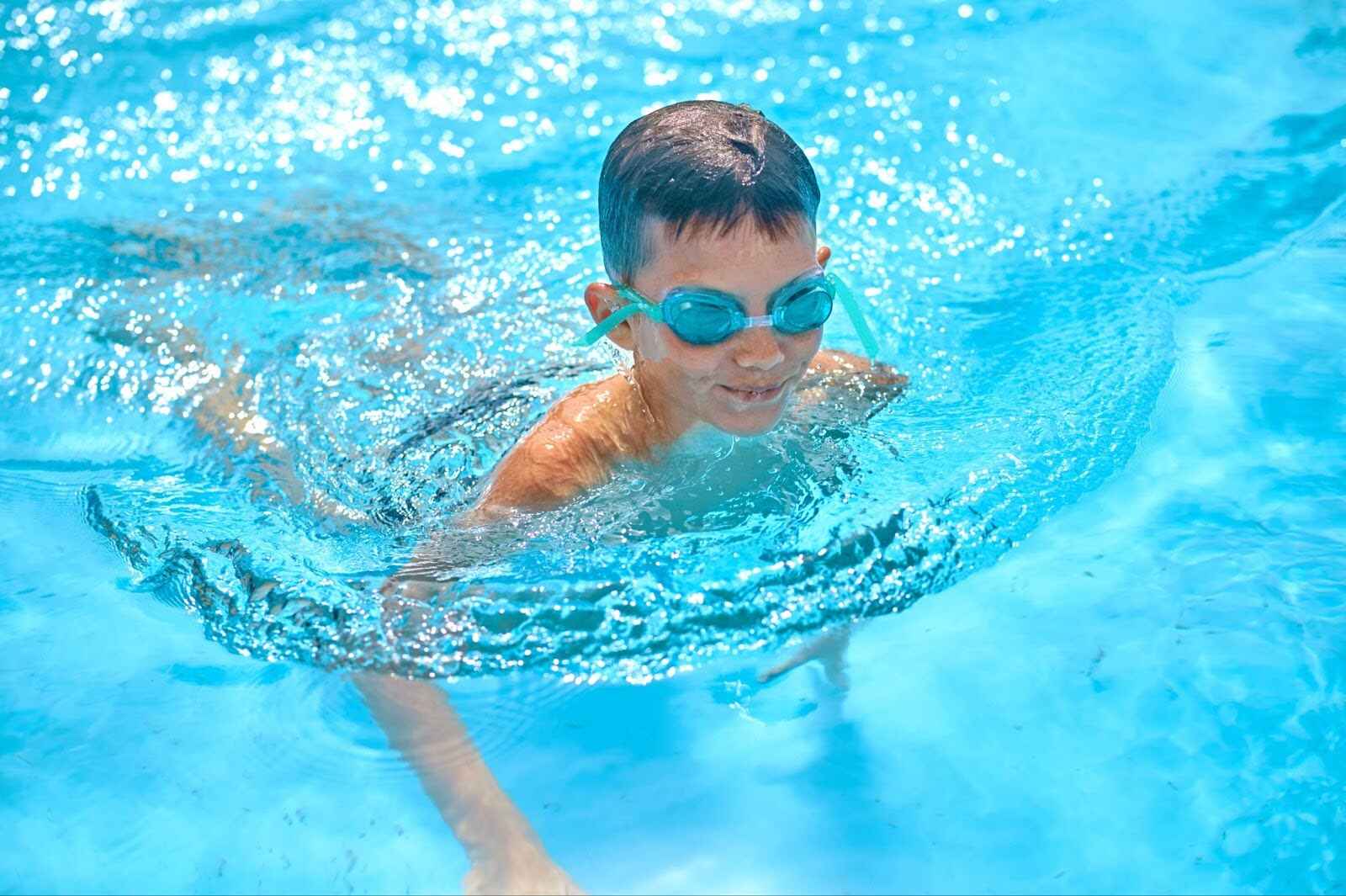
If you have ever seen a video of a baby happily splashing around in the water, you might wonder… can babies really swim naturally? Many parents are surprised by how comfortable infants seem in the water. Some even appear to paddle their arms and kick their legs like little pros.
But is this genuine swimming, or is it something else? Understanding what babies can and cannot do in the water is important for their safety and development.
In this article, we will explore what natural instincts babies are born with, how water can benefit them, when swimming lessons should begin, and what you, as a parent, should know before taking your little one to the pool.
Do Babies Have Natural Swimming Abilities?
Babies are born with reflexes that make them look like they can swim. One of the most fascinating is the “diving reflex,” also known as the bradycardic response. When infants are submerged, they instinctively hold their breath, slow their heart rate, and open their eyes. This is a survival mechanism, not an actual skill.
Alongside this, many babies perform movements similar to a dog paddle. They kick and wave their arms, giving the impression they are propelling themselves. However, this is not coordinated swimming. Without proper training and supervision, babies cannot keep themselves safe in the water.
So while it may look as though babies can swim naturally, what you are seeing is a mix of reflexes and instinctive movement… not true swimming ability.
The Benefits of Introducing Babies to Water
Even though babies cannot technically swim on their own, introducing them to water has many benefits:
- Confidence building: Babies who are gently exposed to water early often feel more comfortable and relaxed in the pool later in life.
- Physical development: Splashing, kicking, and reaching in the water help improve muscle strength and coordination.
- Bonding time: Swimming with your baby is a wonderful way to connect and enjoy play together.
- Water Safety Foundation: Early exposure to water can make children less fearful, preparing them for structured lessons later.
Just remember, these benefits only come when babies are always supervised and supported.
When to Start Swimming Lessons
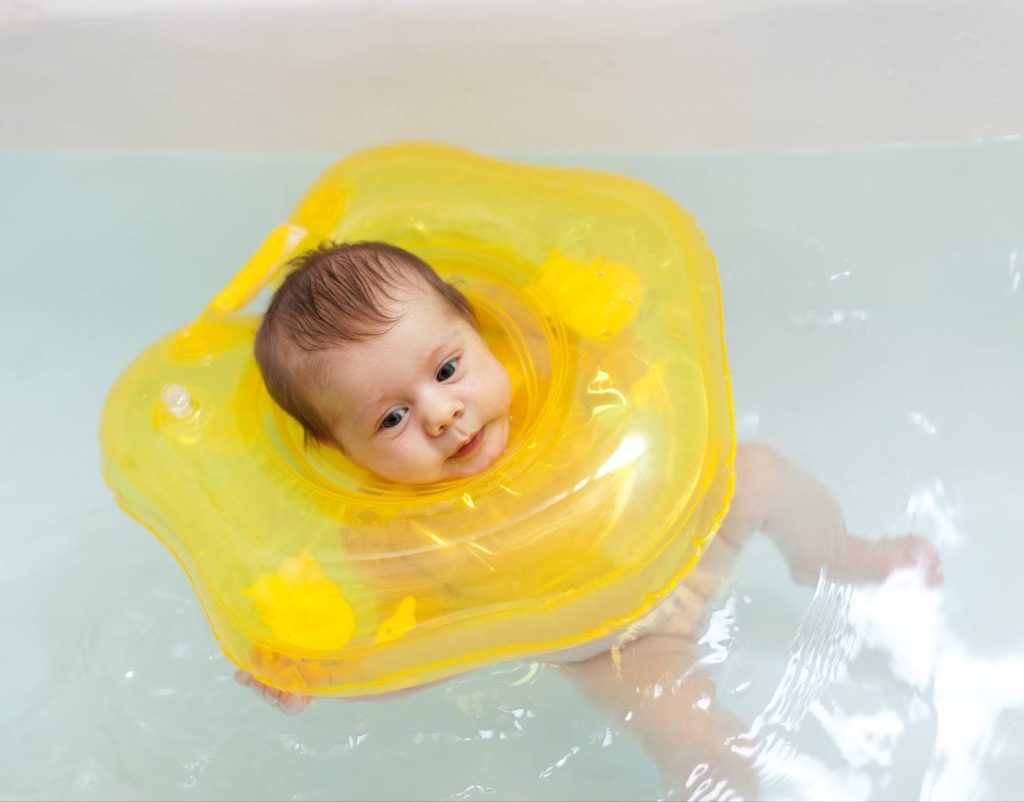
Parents often ask: When is the right time to begin formal swimming lessons? The general advice is to start baby swim classes from around six months of age. At this point, babies have better head control, can sit with support, and enjoy interactive play in the water.
Starting too early does not make your baby a faster learner, but it can help them feel at ease around water. On the other hand, waiting until toddlerhood is also fine. What matters most is creating a positive, safe experience.
If you decide to enrol your child, find a qualified instructor who knows how to teach someone how to swim in age-appropriate ways. Lessons should always focus on fun, gentle movement, and safety rather than performance.
Common Myths About Babies and Swimming
Myth 1: Babies can survive in water without help
This is not true. Babies cannot lift their heads to breathe or control their movements to stay afloat. The reflexes they show are temporary and disappear as they grow.
Myth 2: Early swimming lessons prevent drowning
While water familiarity is helpful, no class can make a baby drown-proof. Constant supervision and pool safety measures are always essential.
Myth 3: Babies need to learn advanced strokes early
Young children don’t need to master complicated techniques. Splashing, kicking, and practising floating are the building blocks that prepare them for more structured lessons later.
Safety Tips for Parents
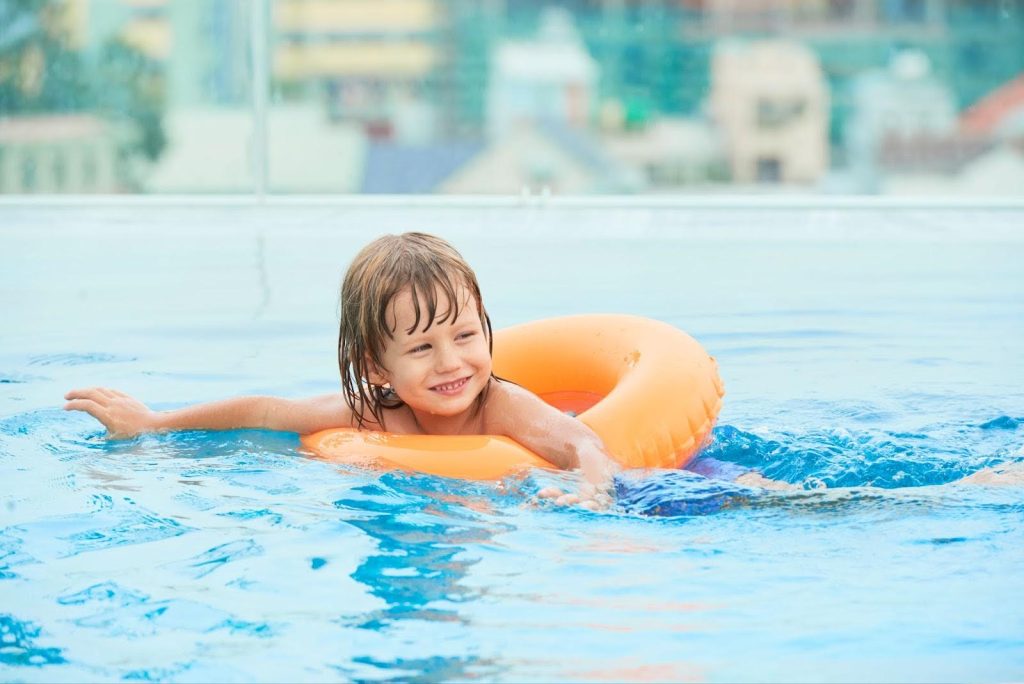
Water can be enjoyable for babies, but it also comes with risks. Here are some important tips to keep in mind:
- Always supervise closely: Never leave a baby unattended, even for a moment.
- Choose a suitable pool: Warm, clean water is best for infants, as they lose body heat quickly.
- Support your baby physically: Keep your hands on them, especially when they are practising floating.
- Start slow: Allow your baby to get used to the water gradually. Don’t rush them into submersion or new movements.
- Know what to bring for baby swimming lessons: Essentials include swim nappies, a towel, warm clothes for after, and comfort items like a favourite toy.
How Parents Can Encourage Water Confidence
If you would like your baby to enjoy the water, focus on building positive experiences rather than rushing skill development. You can:
- Play gentle splash games.
- Hold your baby close so they feel secure.
- Let them float on their back with your hands supporting their head.
- Encourage kicking and arm movement in shallow water.
Over time, these activities create comfort and readiness for formal lessons.
Floating and Water Survival Skills
One of the most important skills for children in the water is floating. Babies can practise floating with your full support. This helps them understand buoyancy and builds the foundation for future swimming techniques.
As they grow, instructors will gradually teach controlled floating and movement. Think of it as building blocks: first comfort, then confidence, then skills.
Preparing for the Future
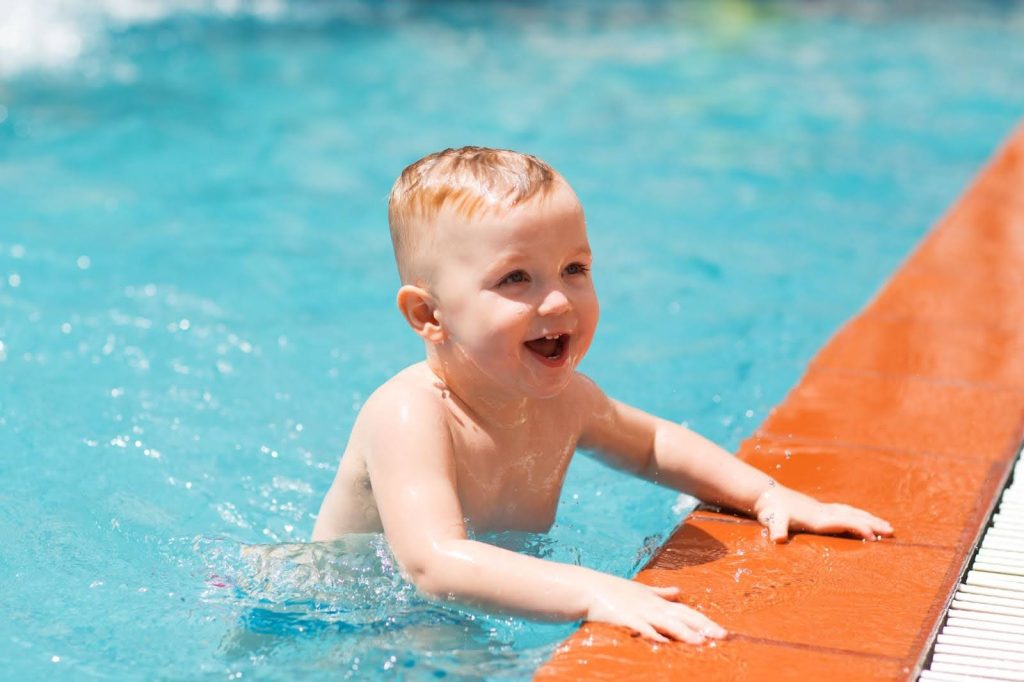
The good news is that children who are introduced to water early often transition smoothly into proper swimming lessons. When they reach the age where structured learning begins, they are less fearful and more curious. With guidance, they can go from splashing happily to learning strokes, breathing techniques, and safety habits that will serve them for life.
So while babies may not swim naturally, your early efforts can help them grow into strong, confident swimmers.
Conclusion on Can Babies Swim Naturally
Babies cannot truly swim on their own, but they are born with reflexes that make it seem like they can. What matters most is how you guide them through safe, positive water experiences. By introducing your baby gently, supporting them in the water, and eventually starting lessons at the right age, you give them a healthy relationship with swimming that lasts a lifetime.
If you’re ready to take the next step and explore lessons for your little one, Swimhub offers programmes designed for every stage of your child’s water journey. Visit Swimhub to learn more and get started today.
Frequently Asked Questions About Can Babies Swim Naturally
Can babies actually swim at birth?
No. Babies only have reflexes that make them appear as if they can swim, but they cannot survive in water without adult support.
When should my baby start swimming lessons?
Around six months is a good time to begin. This is when babies develop enough strength and coordination to enjoy the water more actively.
Is it safe to dunk my baby underwater?
It is best to avoid submersion unless guided by a trained instructor. Babies may reflexively hold their breath, but this should never be relied on for safety.
How can I help my baby feel comfortable in the pool?
Start with gentle play, hold them securely, and make water fun. Avoid forcing or rushing any activity.
What if my baby cries during swimming?
Crying often means your baby feels cold, tired, or overstimulated. Try shorter sessions, use warmer water, and keep the experience playful.
