
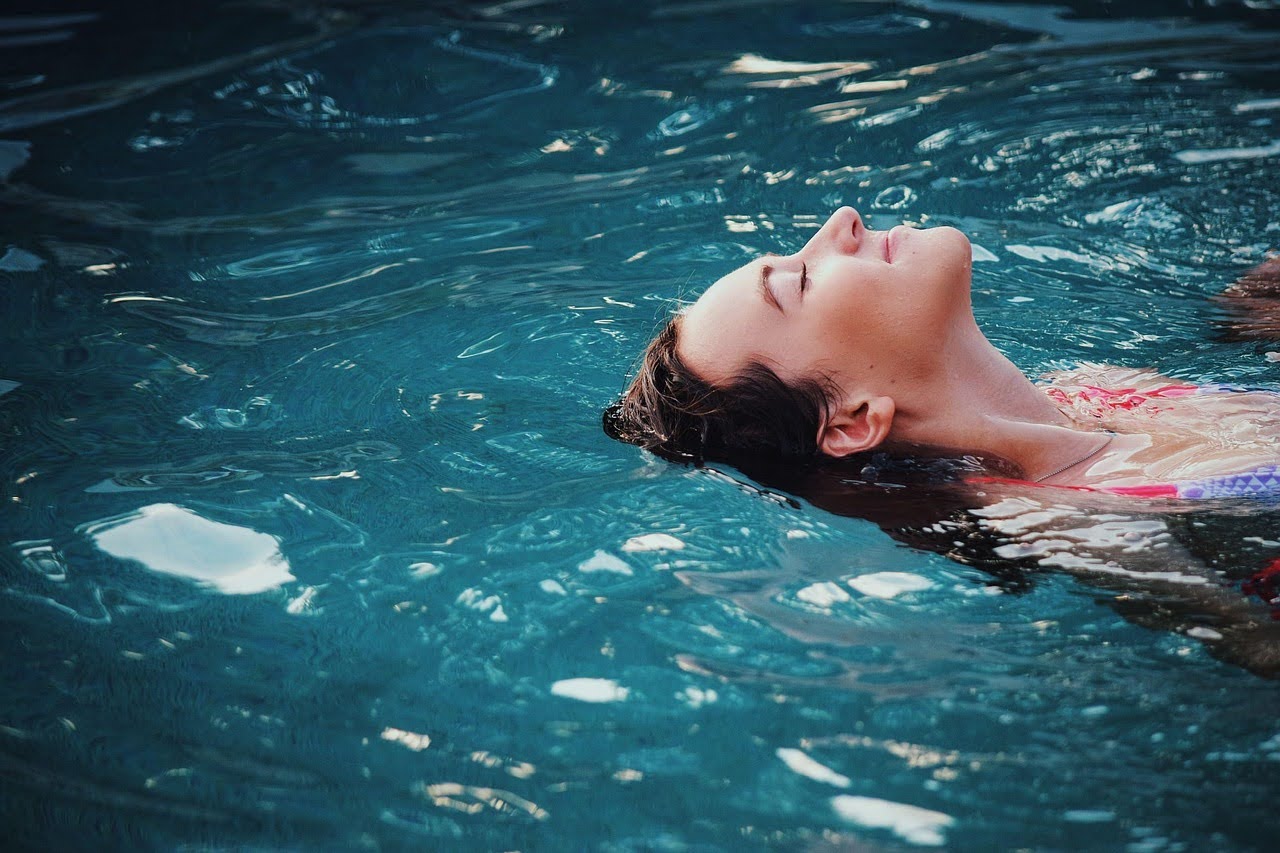
Having your period can already be uncomfortable, and if it happens to line up with a pool day, it can feel even more awkward. Many people still wonder if it’s okay to swim on their period, or if it’s unhygienic, risky, or just plain embarrassing. The truth is, there’s nothing to worry about. Swimming while menstruating is perfectly safe, and with the right prep, it can even help ease cramps and lift your mood.
If you’re someone who loves swimming or it’s part of your regular workout routine, skipping it every month isn’t practical. Plus, moving in the water helps your body relax and reduces bloating. You just need to know how to stay clean, confident, and comfortable. Whether you swim for fun or for training, your period shouldn’t stop you from enjoying it.
Let’s get started!
Is It Safe To Swim On Your Period?
Yes, it’s completely safe. Your period doesn’t make the water dirty, and it doesn’t put you at any health risk. Some people worry that menstrual blood will leak out or attract bacteria, but that’s not how it works. The water pressure helps slow your flow, and most pools are treated with chlorine, which keeps everything clean.
If you’re swimming in the ocean, it’s still fine. The amount of blood released is tiny compared to the volume of water, and it disperses quickly. You can even ask your female coach or instructor; most will tell you it’s totally normal.
What To Use While Swimming
Pads don’t work in water. They absorb everything, including pool water, and will quickly become heavy and useless. Here’s what works better:
- Tampons: The most common and reliable option. They absorb blood internally and prevent leaks. Change them before and after swimming to stay fresh.
- Menstrual Cups: Reusable, eco-friendly, and great for longer swims. They can stay in for up to 8 hours and won’t move around like a pad.
- Period Swimwear: Some brands now make swimsuits with built-in absorbent layers. They’re best for light flow days, or as backup with a tampon or cup.
If it’s your first time, test what works for you at home or during practice before jumping into a long swim session.
How To Stay Comfortable In The Water
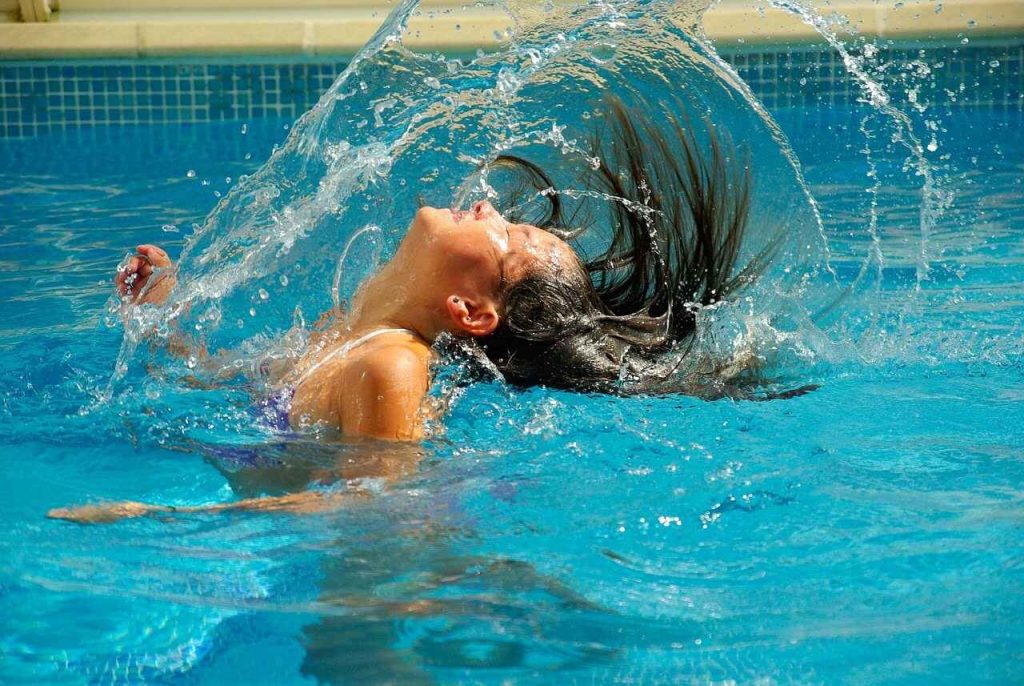
Once you’ve handled protection, focus on comfort. A few small habits make a big difference:
1. Warm Up Before You Swim
Do a few gentle stretches or light movements before getting in. This helps ease cramps and loosen tight muscles.
2. Stay Hydrated
Even when you’re surrounded by water, your body still loses fluids. Drink water before and after swimming to avoid fatigue and bloating.
3. Choose Dark-Colored Swimwear
Wearing darker shades can help you feel more confident. They hide any small leaks and make you less self-conscious.
4. Move at Your Own Pace
If you start feeling cramps or heaviness, slow down or take a short break. You can rest by the pool edge or practice how to float on your back to relax your body.
5. Keep a Positive Mindset
Most people in the pool won’t notice you’re on your period. Focus on enjoying the water instead of worrying. You’re doing nothing wrong.
Tips To Build Confidence
Getting into the pool while on your period can make you self-conscious, especially if it’s your first time. Here’s how to ease that:
- Practice at home first. Try your tampon or cup in the shower. Move around and see how it feels.
- Talk to someone experienced. It could be a friend or your female coach. Chances are, they’ve gone through the same thing.
- Don’t rush. Start with a short swim. As you get used to it, you’ll realise it’s not a big deal.
- Stretch after swimming. It relaxes your muscles and keeps cramps from getting worse later.
Swimming Techniques That Help
Light movement in water can reduce cramps and make you feel more in control. If you’re feeling heavy or tired, try these:
- Gentle laps: Slow freestyle or backstroke to keep your body moving without strain.
- How to tread on water: A simple trick on how to tread on water: use a relaxed scissor kick and slow arm movements to stay afloat while resting.
- Float on your back: This helps you relax, stretch your abdomen, and ease lower back pain.
- Bilateral breathing: Switching sides while breathing during freestyle keeps your body balanced and prevents neck tension.
Moving in water helps blood circulation and releases endorphins; both can make you feel better during your period.
After-Swim Care
When you’re done swimming, rinse off right away. Take a quick shower, change your tampon or empty your cup, and put on dry clothes. This helps avoid irritation and keeps you feeling fresh. Drink water or an electrolyte drink to rehydrate. If you feel cramps later, a warm shower or a heating pad can help.
Also, eat something light after, like fruit, yoghurt, or eggs. Your body just worked out, and you’ll need the energy.
Conclusion On Swimming On Period
Swimming on your period isn’t something to stress over. It’s safe, healthy, and can actually make you feel better. With the right protection, a bit of prep, and a calm mindset, you can stay comfortable and confident in the water any day of the month.
Your period doesn’t control what you can do; you do.
At SwimHub, we’re here to help you build confidence in the pool: from swimming lessons to expert guidance.
Visit our website or contact us to learn more about our programs.
Frequently Asked Questions About Swimming On Your Period
Can You Swim Without a Tampon on Your Period?
You can, but it’s not recommended. Without protection, there’s a higher chance of leaks and discomfort. Using a tampon, cup, or period swimwear helps you stay secure.
Does Water Stop Your Period Flow?
Water pressure can slow your flow, but it doesn’t stop it completely. That’s why using internal protection like a tampon or menstrual cup is still important.
Is It Normal to Feel Tired Swimming on Your Period?
Yes. Your energy levels can drop due to hormonal changes. Swim at a relaxed pace, rest when needed, and don’t push too hard.
Can Swimming Help With Period Cramps?
It can. Gentle movement in water improves circulation, eases muscle tension, and can reduce pain or bloating.
What Should I Eat After Swimming on My Period?
Go for something light but nourishing: fruits, yoghurt, or protein-rich snacks like eggs or chicken help your body recover and maintain energy.
