
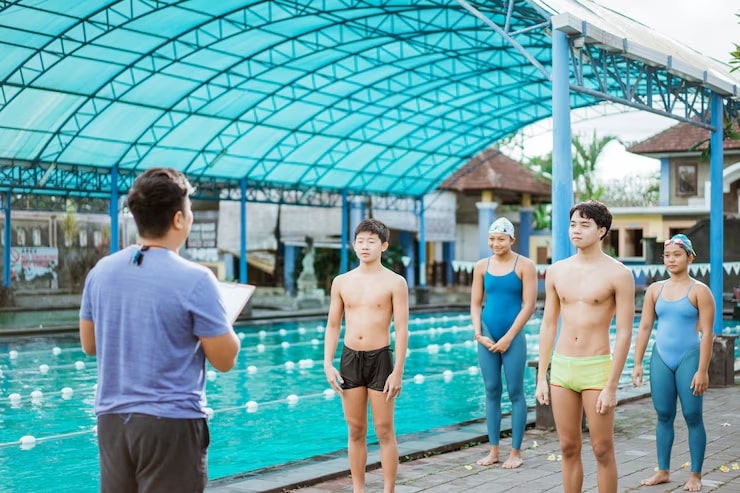
If you’re passionate about swimming and love helping others gain confidence in the water, starting your own swim school might be the perfect business for you. Singapore, with its year-round warm climate and strong emphasis on water safety, offers a great environment to launch a swimming school.
Whether you’re a certified swim coach or someone looking to turn a hobby into a career, this guide will walk you through the key steps to start your swim school in Singapore: from permits and location choices to staff and equipment.
Step 1: Understand What You Want to Offer
Before diving into logistics, think about your vision. What kind of swim school do you want to run?
- Will you focus on children, adults, or both?
- Do you plan to offer private lessons, group classes, or competitive training?
- Will you teach at public pools, condominiums, or your own facility?
Knowing your niche will help shape everything else: pricing, branding, and even staff hiring.
Step 2: Get the Necessary Certifications
In Singapore, instructors must have certified qualifications. Make sure you or your staff are trained in:
- SwimSafer programme (widely recognised for beginners)
- Lifesaving and first aid certification (often required by pool operators)
- Coaching licences from organisations like the Singapore Swimming Association (SSA)
If you plan to teach someone how to swim, having official credentials not only adds credibility but also ensures your students are in safe hands.
Step 3: Register Your Swim School
To operate legally, register your swim school as a business. You’ll need to:
- Choose a business structure (sole proprietorship, partnership, or private limited)
- Register with ACRA (Accounting and Corporate Regulatory Authority)
- Apply for any relevant permits from agencies such as Sport Singapore or town councils (if you’re using public facilities)
It’s also smart to open a separate business bank account to keep finances clean and transparent.
Step 4: Secure a Pool or Location
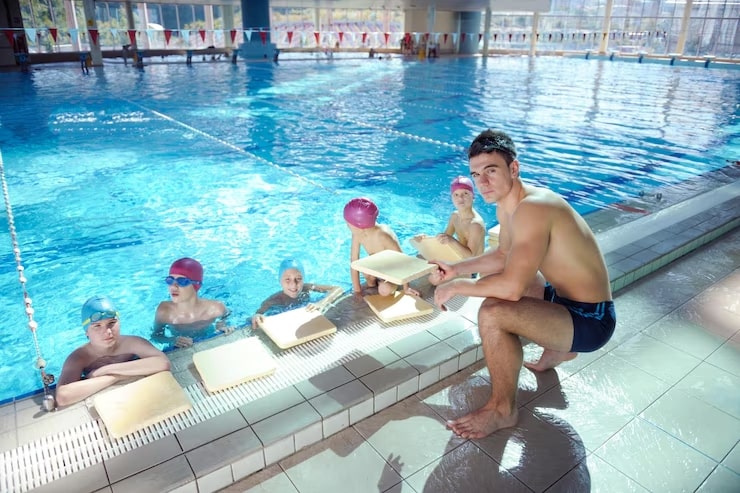
Your location can make or break your swim school. In Singapore, you have several options:
- Public swimming pools (renting lanes during off-peak hours)
- Private condominium pools (with permission from management)
- Build or lease your own pool facility (costly, but gives you full control)
Each option has pros and cons. Renting from public pools may be more affordable, but you’ll have to follow strict scheduling. Having your own space gives you more flexibility but requires higher upfront costs and maintenance.
Wherever you teach, always follow swimming pool etiquette rules, such as keeping the lanes clear, respecting other swimmers, and maintaining safety at all times.
Step 5: Buy the Right Equipment
To run effective classes, you’ll need more than just a pool. Make sure your swim school is stocked with:
- Kickboards
- Swim noodles
- Floating devices
- Lane ropes
- Teaching platforms (for young kids)
Don’t forget swimming essentials like clean towels, extra goggles, swim caps, and poolside first aid kits. Having these ready shows professionalism and care.
Step 6: Hire Qualified Coaches and Admin Staff
As your school grows, you’ll need support. Look for coaches who are not only qualified but also good with people, especially kids. You’ll also need admin staff to help with scheduling, parent communication, and payments.
If possible, run a trial class with your instructors to see how they handle different age groups and situations.
Step 7: Decide on Your Class Structure and Pricing
Design your classes based on skill levels, age, and goals. A typical structure might include:
- Beginner group (ages 4–6)
- Intermediate group (ages 7–12)
- Adult beginners
- Competitive stroke training
- Private sessions
Keep class sizes small for personal attention. As for pricing, research your competition. Most swim schools in Singapore charge $25–$50 per session, depending on group size and location.
Step 8: Market Your Swim School
To attract your first students, get the word out using both online and offline methods:
- Set up a simple website
- Create a social media presence (Facebook and Instagram are key)
- Offer trial classes
- Partner with schools, condos, and community centres
- Ask for referrals and reviews from happy parents
Also, include helpful content like articles on types of swimwear for men and women or water safety tips; this builds trust and authority in your brand.
Step 9: Maintain Quality and Grow
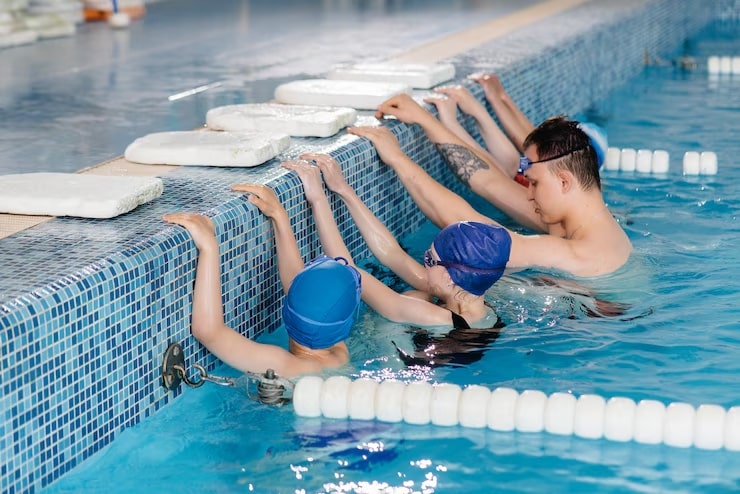
Once your school is running, focus on delivering great swimming lessons in Singapore. Build a reputation for safety, quality coaching, and personalised support. Ask for feedback often, and adjust your programmes to match your students’ needs.
As you gain more clients, consider expanding your team, offering advanced training, or even opening a second location.
Step 10: Ensure Legal and Insurance Coverage
Running a swim school means being responsible for the safety of your students and staff. Accidents can happen, even in well-managed environments. That’s why having the right legal and insurance protection is crucial.
Make sure to:
- Purchase liability insurance to cover injuries or property damage
- Clearly outline terms and conditions for students and parents
- Create consent forms for lessons and photo/video usage
- Stay updated with safety regulations and comply with NEA and Sport Singapore guidelines
This step protects your business and gives peace of mind to families who trust you to teach their children.
Conclusion on How to Start a Swim School in Singapore
Starting a swim school in Singapore is a rewarding journey. With the right planning, people, and passion, you can build something that helps others learn, grow, and feel safe in the water.
At SwimHub, we’ve helped countless swimmers of all ages discover confidence and joy through the water. If you’re thinking of starting your school, we’d be happy to support you along the way.
Frequently Asked Questions About How to Start a Swim School in Singapore
Do I Need a Licence to Start a Swim School in Singapore?
Yes, you need to register your business with ACRA and get any necessary permits, especially if you’re using public pools or hiring coaches.
What Qualifications Should Swim Instructors Have?
They should hold recognised swim coaching certifications, lifesaving training, and first aid knowledge. Certification from SwimSafer or SSA is highly recommended.
How Much Does It Cost to Start a Swim School?
It depends on location and size. Starting small at public pools can cost under $5,000, but having your own facility could go well beyond $50,000.
Can I Teach at Condo Pools?
Yes, but you must get permission from the condo’s management. Some may require proof of insurance or specific instructor qualifications.
What Should I Provide for My Students?
You should supply basic training tools and recommend swimming essentials like goggles, swim caps, and proper swimwear. Always encourage good pool etiquette, too.
