

Trying to find the perfect suit among the many different types of swimwear can feel overwhelming. You’re met with endless racks and webpages, but how do you know which style is right for you?
The perfect fit for you isn’t always about fashion; it’s about comfort, confidence, and function. The suit you need for lap swimming is completely different from the one you’d wear for lounging.
This guide will break down the most popular styles for men, women, and kids. We’ll explore cuts, fabrics, and activity-based choices to help you find the perfect match for your body and your next water adventure.
Types Of Swimwear For Women
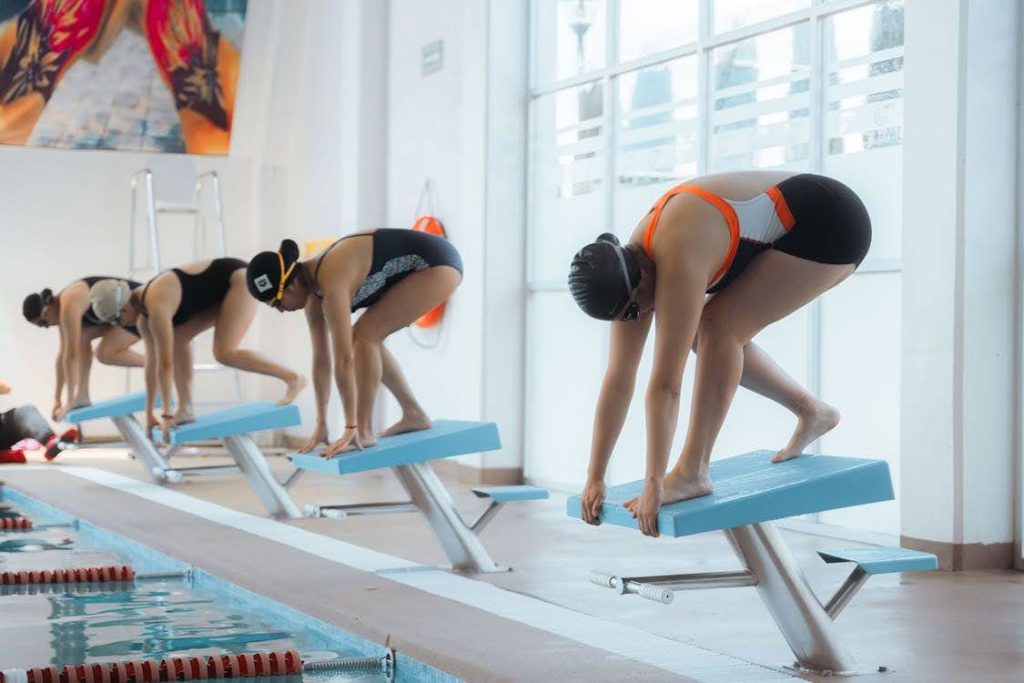
Women’s swimwear has evolved significantly, offering various options for different preferences, body types, and activities.
1. Bikinis
The classic two-piece, a bikini consists of a separate top and bottom. This is the most popular style for tanning and lounging, offering the most variety for a custom fit.
Common Bikini Top Styles
- Triangle: The classic, minimal-coverage top with string ties.
- Halter: Provides more support than a triangle top by tying around the neck.
- Bandeau: A strapless top, ideal for avoiding tan lines.
- Underwire: Offers bra-like support and shaping, perfect for larger cup sizes.
- Scoop Neck: A sporty, simple cut that offers secure coverage.
Common Bikini Bottom Styles
- String: Minimal side coverage, ties at the hips.
- Cheeky: Offers less coverage than a traditional brief to show a bit of cheek.
- High-Waist: Sits at or above the navel, offering tummy coverage and a retro look.
- High-Leg: Cut high on the thigh to elongate the legs.
2. One-Piece Swimsuits
One-piece swimsuits are a timeless and practical option for women who prefer more coverage. They are often chosen for their support and are popular among recreational swimmers and professional athletes. Some designs feature tummy-control panels or built-in bras for added comfort.
3. Tankinis
The perfect middle-ground. A tankini pairs a tank-style top with a bikini-style bottom. It offers the coverage and support of a one-piece but with the convenience of a two-piece (especially for restroom breaks!).
4. The Monokini
A hybrid between a one-piece and a bikini. A monokini is technically a one-piece suit but features large, strategic cut-outs on the sides, front, or back, giving the appearance of a two-piece from certain angles.
5. The Swimdress
This style features a one-piece suit with a built-in skirted bottom. It provides extra coverage for the hips, thighs, and upper legs, offering a modest and flattering silhouette.
6. Rash Guards
Once just for surfers, rash guards are now a mainstream type of women’s swimwear. These athletic tops (available in long-sleeve and short-sleeve) offer superior UV protection (UPF 50+), prevent chafing from a surfboard, and are perfect for long days in the sun.
7. The Burkini (Modest Swimwear)
A burkini is a full-body swimsuit designed to provide maximum coverage, typically including a top, pants, and a head covering. It respects religious or personal preferences for modesty while being made from lightweight, water-safe fabrics.
Types Of Swimwear For Men

Men’s swimwear is designed with functionality and comfort, catering to different swimming activities and personal styles.
8. Swim Trunks
The most common and versatile option. Trunks are loose-fitting shorts, typically made from quick-drying nylon or polyester, and feature a comfortable mesh lining inside. Their length usually falls at the mid-thigh, making them a perfect all-rounder for casual swimming and lounging.
9. Boardshorts
As the name implies, these were designed for board sports like surfing. They are longer than trunks (usually hitting at or just below the knee) and are made of a durable, quick-drying material without a mesh lining. This lack of lining is intentional, as it prevents chafing when sitting on a surfboard for long periods.
10. Swim Briefs (Speedos)
These are the classic, form-fitting swimwear type favored by competitive swimmers and lap swimmers. Their minimal, V-shaped design provides maximum range of motion and creates the least amount of drag in the water.
11. Jammers
A competitive alternative to briefs. Jammers are form-fitting, knee-length shorts made of high-tech, chlorine-resistant material like polyester.
They offer more coverage than briefs while still providing compression and a hydrodynamic advantage for racing.
12. Square-Cut Shorts
A stylish, retro hybrid between briefs and trunks. These form-fitting, low-rise shorts offer more coverage than a brief but are much shorter and more tapered than a trunk, ending at the very top of the thigh with a “square” silhouette.
Swimwear Types For Kids And Teens

Swimwear for kids and teens focuses on comfort, safety, and fun. Children need styles that let them move freely while offering protection from the sun and water.
The right swimwear helps young swimmers build confidence and enjoy every splash, whether they are at the beach or attending a kids’ swimming lesson.
Boys’ Swimwear
- Swim Shorts: Lightweight and easy to wear, swim shorts are a practical option for boys.
- Rash Guards: These tops protect young swimmers from harmful UV rays of the sunlight and are perfect for other outdoor activities.
Girls’ Swimwear
- One-Piece Swimsuits: Offering coverage and security, one-piece swimsuits are ideal for active swimming.
- Tankinis and Two-Piece Sets: Stylish yet functional, these options are great for recreational swimming.
How To Choose Swimwear By Activity
The type of swimwear you need changes dramatically based on what you plan to do.
For Competitive Swimming & Training
The primary goal for this activity is to reduce drag in the water and maximize speed. The fit must be snug (like a second skin), and the fabric should be 100% polyester or a high-tech, chlorine-resistant blend for durability.
- For Men: Jammers or swim briefs.
- For Women: Athletic, high-cut one-piece suits.
For Recreational Swimming & Fitness
Here, the goals are comfort, proper support, and durability for frequent use.
- For Women: A comfortable one-piece or a secure tankini.
- For Men: Classic swim trunks are the perfect, versatile all-rounder.
For Lounging, Tanning & Beach Wear
Style, minimizing tan lines, and pure comfort are the main priorities for lounging.
- For Women: Bikinis and monokinis are popular choices to maximize sun exposure.
- For Men: Shorter-length swim trunks or stylish square-cut shorts.
How To Choose Swimwear For Your Body Type
Finding a flattering suit can boost your confidence. Here are a few tips:
For Women
- Pear-Shaped (Wider Hips): Look for bottoms with solid colors and tops with bright patterns or ruffles to draw the eye upward. A-line swimdresses are also a great option.
- Apple-Shaped (Wider Midsection): High-waisted bottoms and one-pieces with ruching or tummy-control panels can offer support and create a defined waist.
- Athletic (Straight Build): Monokinis with side cut-outs or suits with ruffles and padding can help create the illusion of curves.
- Hourglass (Curvy with a Defined Waist): Highlight your curves with supportive underwire tops and high-waisted bottoms.
For Men
- Slim/Slender Build: Avoid overly long or baggy boardshorts, which can look overwhelming. Shorter trunks or square-cut shorts will look more proportional.
- Athletic Build: Most styles work well. Jammers or briefs can highlight an athletic physique, while trunks offer a classic, casual look.
- Larger Build: Opt for swim trunks in a solid, dark color or a simple, larger-scale pattern. A well-fitting trunk that hits at the mid-thigh is often the most comfortable and flattering.
A Quick Guide To Swimwear Fabrics
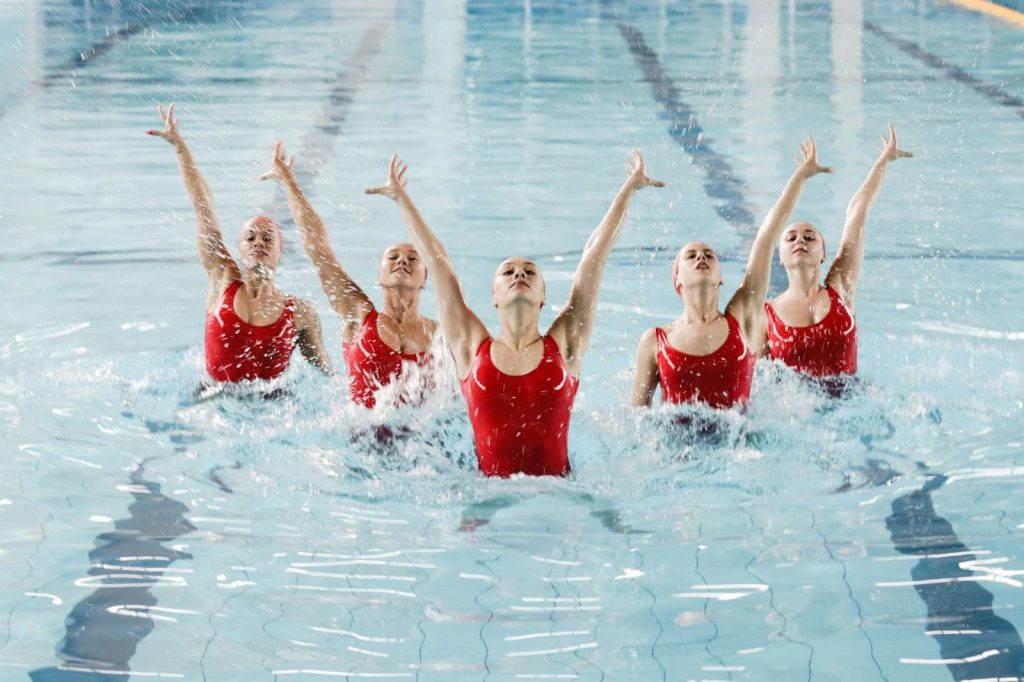
Nylon (Polyamide)
Nylon is one of the most common materials used in swimwear due to its soft feel and smooth fit. It’s a lightweight polyamide fabric that stretches easily, making it comfortable for casual wear.
- Pros: Very common, lightweight, soft, and has a great “stretch.”
- Cons: Not chlorine-resistant. It will fade and degrade quickly with heavy pool use.
Polyester (PBT)
Polyester is the go-to fabric for competitive and frequent swimmers due to its exceptional durability. This material is built to withstand chlorine and UV rays, preventing fading and stretching.
- Pros: The king of durability. It is highly resistant to chlorine, holds its color, and lasts much longer.
- Cons: Less stretchy and soft than nylon. This is the top choice for frequent pool swimmers.
Spandex
Spandex, also known as Lycra or elastane, is the fiber that gives swimwear its incredible stretch and form-fitting quality. It is never used on its own but is blended with other fabrics like nylon or polyester to provide flexibility.
- Pros: Provides excellent stretch, flexibility, and a snug, form-fitting shape.
- Cons: Never used alone. It degrades over time from chlorine and sun, causing the suit to lose its elasticity.
Eco-Friendly
Eco-friendly fabrics are a growing trend, often made from recycled materials like plastic bottles and old fishing nets. Brands like ECONYL® create a regenerated nylon that has the same high-quality feel of virgin nylon while being sustainable.
- Pros: Sustainable, reduces landfill/ocean waste, and is high-quality and durable.
- Cons: Can be more expensive than traditional nylon.
Common Mistakes When Choosing Swimwear
Ignoring Fit
Ill-fitting swimwear can cause discomfort and limit movement. Always choose a size that fits well and allows free mobility.
Overlooking Fabric Quality
Cheap materials may wear out quickly or become see-through when wet. Investing in high-quality swimwear ensures durability and confidence.
Skipping the Try-On Test
Trying on your swimwear before buying helps you check how it fits, supports, and feels. Move around, lift your arms, and bend to make sure it stays in place.
Choosing Style Over Function
Trendy designs may look great, but they are not always practical. Think about where and how you plan to swim before deciding on a style.
Conclusion About The Different Types Of Swimwear
With so many types of swimwear available, you can easily find a style that makes you feel comfortable, confident, and ready for the water. The best suit is the one that fits your body and your activity.
Whether you’re looking for a performance suit for adult swimming lessons or a comfortable, sun-safe option for your child’s first class, SwimHub can help. Our expert instructors can recommend the right gear for every level, from toddler swimming lessons to competitive adults.
Don’t let the wall of options stop you from diving in. Contact us today to find the perfect swimming program and get started!
Frequently Asked Questions About The Different Types Of Swimwear
What Is The Best Swimwear For Beginners?
For beginners, choose swimwear that offers comfort and support, such as one-piece swimsuits for women or swim trunks for men. Ensure the fit is snug but not restrictive.
How Do I Choose The Right Size?
Refer to the brand’s size chart and try the swimwear to ensure a proper fit. Avoid selecting sizes based on your regular clothing size, as swimwear often differs.
How Often Should I Replace Swimwear?
Swimwear should be replaced once it loses elasticity or shows signs of wear, such as thinning fabric or fading colours. Chlorine-resistant swimwear may last longer.
Is There Specific Swimwear For Open Water Swimming?
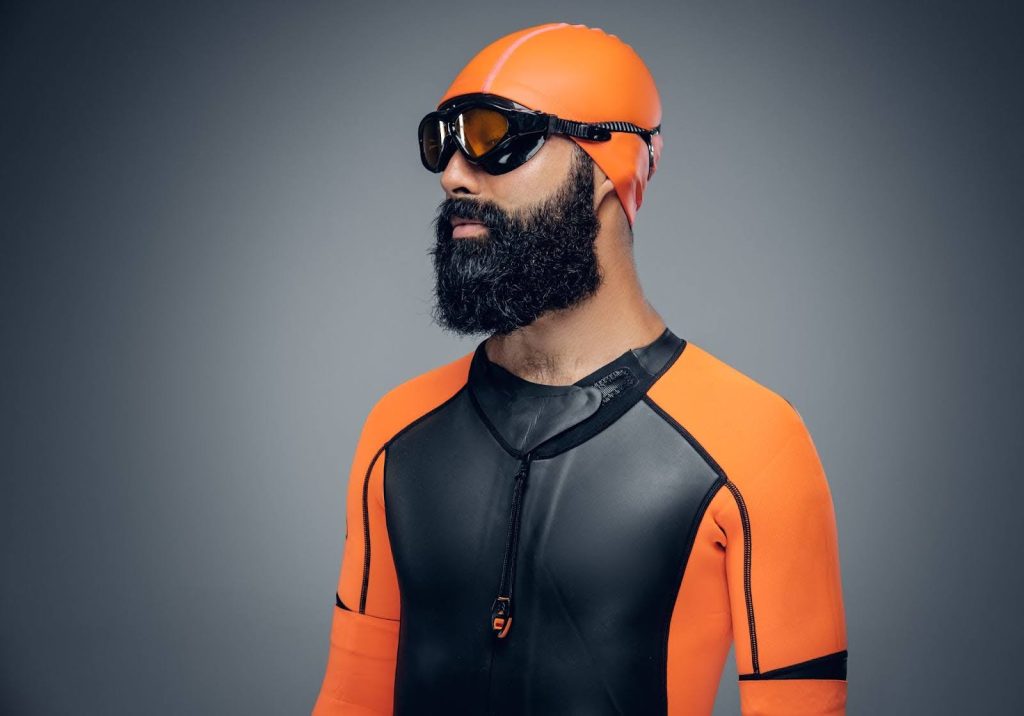
Yes, swim tights or wetsuits are commonly used for open-water swimming as they provide warmth, sun protection, and reduced drag.
