

Let’s be honest- most of us have, at some point, skipped the pre-swim shower or rushed out of the pool without rinsing off. After all, you’re just going to get wet anyway, right? And chlorine kills everything… doesn’t it?
Well, not exactly.
Taking a shower before and after swimming may feel like an extra step, but it actually plays a huge role in your health, your skin, and the overall cleanliness of the pool. Whether you’re heading to swim lessons, doing laps, or just having fun, here’s why that quick rinse matters more than you might think.
Why You Should Shower Before Swimming

You might think hopping into the pool is enough to wash off the day, but actually, it’s better to shower before you swim. It might feel like an extra step, but that quick rinse plays a big role in keeping the water clean, your skin happy, and everyone around you safe.
Here’s why you should always hit the shower first:
- Keeps the pool cleaner: When you shower before swimming, you rinse off sweat, dirt, deodorant, lotion, and other stuff your body collects during the day. Without a shower, all of that ends up in the water, and nobody wants to swim in that. Cleaner swimmers mean cleaner pools.
- Reduces harmful chemical reactions: The chlorine in pool water doesn’t just float around doing nothing. It reacts with all the stuff we bring in, like sweat, urine, and body products, and that creates chemical by-products. These can irritate your eyes, skin, and lungs. Showering first helps reduce these reactions.
- Helps protect your skin: Believe it or not, your skin handles chlorine better when it’s already wet with fresh water. A quick rinse before jumping in helps prevent swimmer’s itch or the chlorine from soaking into your skin as deeply, which can help reduce dryness and irritation.
- Good Etiquette: Most public pools and swim schools ask swimmers to shower before entering the water. It’s a simple way to show respect for the people you’re sharing the pool with. When everyone showers, the water stays fresher, and everyone has a better experience.
Why You Should Shower After Swimming
Here’s why that post-swim shower should be part of your routine:
- Washes off chlorine and chemicals: Even though chlorine keeps the pool clean, it can stick to your skin and hair after swimming. If you don’t rinse it off, it can dry out your skin, irritate your eyes, and make your hair feel rough or brittle. Showering helps remove these chemicals so you feel fresh and comfortable.
- Helps prevent skin irritation: Chlorine and other pool chemicals can cause itchiness, redness, or even rashes if left on your skin too long. Showering with soap after swimming helps soothe your skin and lowers the chances of irritation or dryness.
- Removes germs and bacteria: pools are shared by many people, and sometimes germs like bacteria and fungi can stick to your skin or swimwear. Showering after swimming helps wash these off and lowers the risk of infections or unpleasant smells.
- Keeps your hair healthy: Swimming can be tough on your hair. Chlorine strips natural oils, leaving your hair dry and damaged over time. Rinsing with shampoo and conditioner after your swim protects your hair, keeps it soft, and prevents breakage.
Best Shower Practices Before and After You Swim
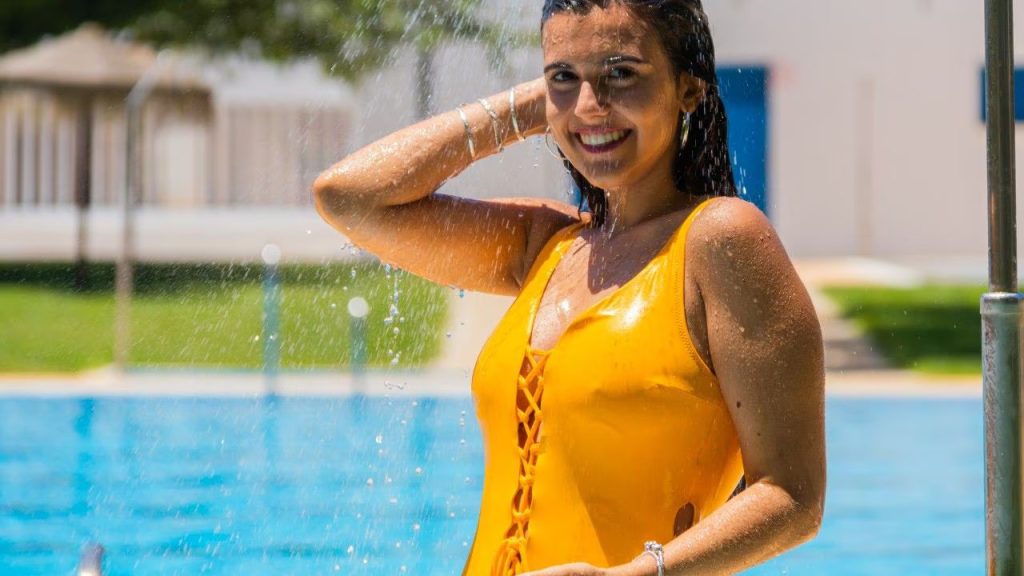
Taking a quick shower before and after swimming might sound simple, but doing it right can make a big difference for your skin, hair, and the pool’s cleanliness. Here are some easy tips to get the most out of your shower routine around swim time.
Before You Swim
Start with a warm rinse to wet your whole body. This helps open your pores and wash away sweat, dirt, and any lotions or deodorants you might have on. If the pool has shower soap available, use a mild body wash to clean your skin gently- just enough to feel fresh, no need to scrub hard. Don’t forget to rinse off shampoo or conditioner if you’ve already washed your hair earlier in the day.
Wetting your hair before swimming is also a smart move. Hair soaks up less chlorinated water when it’s already wet, which helps protect it from drying out. If you’re a regular swimmer, you might want to use a swim cap or a leave-in conditioner to shield your hair even more.
After You Swim
Once you’re out of the pool, it’s time for a more thorough shower. Use a gentle soap or body wash to remove chlorine and any other chemicals left on your skin. Take extra care around your face, neck, and behind your ears, where chlorine can hide.
For your hair, use a swimmer-friendly shampoo that’s designed to wash out chlorine without stripping your hair’s natural oils. Follow up with a moisturizing conditioner to keep your hair soft and healthy.
After your shower, dry off gently with a towel- rubbing too hard can irritate your skin. If you notice your skin feels dry or itchy, applying a light, fragrance-free moisturizer can help keep it hydrated and comfortable.
Pool Rules and Good Etiquette
Most public pools and swim schools require a pre-swim shower, and for good reason. It’s a basic part of pool etiquette and helps make the experience better for everyone in the water. Following this simple rule shows that you care about your fellow swimmers and respect the pool space.
At many pools, you’ll see signs asking people to shower before entering the water. It’s there to keep the water clean and reduce the number of chemical adjustments needed throughout the day. Check out these swimming essentials you need for every swim session.
Good to know: Some swim coaches even make pre-swim showers part of their lesson routine, especially for kids. It’s a great habit to build early.
Conclusion On Why Shower Before And After Swimming Lessons
So, should you shower before and after swimming? Absolutely. It’s one of the easiest ways to protect your health, keep your skin and hair in good shape, and do your part in keeping pool water clean and safe for everyone.
It doesn’t take long, it doesn’t require fancy products, and it makes a big difference. Whether you’re hitting the pool for lessons, exercise, or fun, just take that extra minute to rinse off. Your skin, hair, and fellow swimmers will thank you for it.
Ready to dive in with confidence? Visit Swimhub for expert tips, swimming lessons in Singapore, and all the support you need to make your swim sessions healthier and more enjoyable.
Frequently Asked Questions On Why Shower Before And After Swimming Lessons
Is Rinsing Off Enough, Or Do I Need Soap Too?
A rinse is better than nothing, but soap helps remove oils, sweat, and lotions more effectively. Especially after swimming, use soap and shampoo.
Do Kids Really Need To Shower Before Swim Lessons?
Yes! Kids tend to carry sunscreen, lotion, and other products that react with chlorine. A quick rinse helps protect them and others in the class.
Can I Shower At Home Instead Of The Pool?
You can, but it’s best to rinse before entering the water, not after you get home. This keeps the pool cleaner while you’re using it.
What If The Pool Doesn’t Have Showers?
Many gyms and swim schools do, but if not, come freshly showered from home and rinse off after your swim as soon as you can.
