
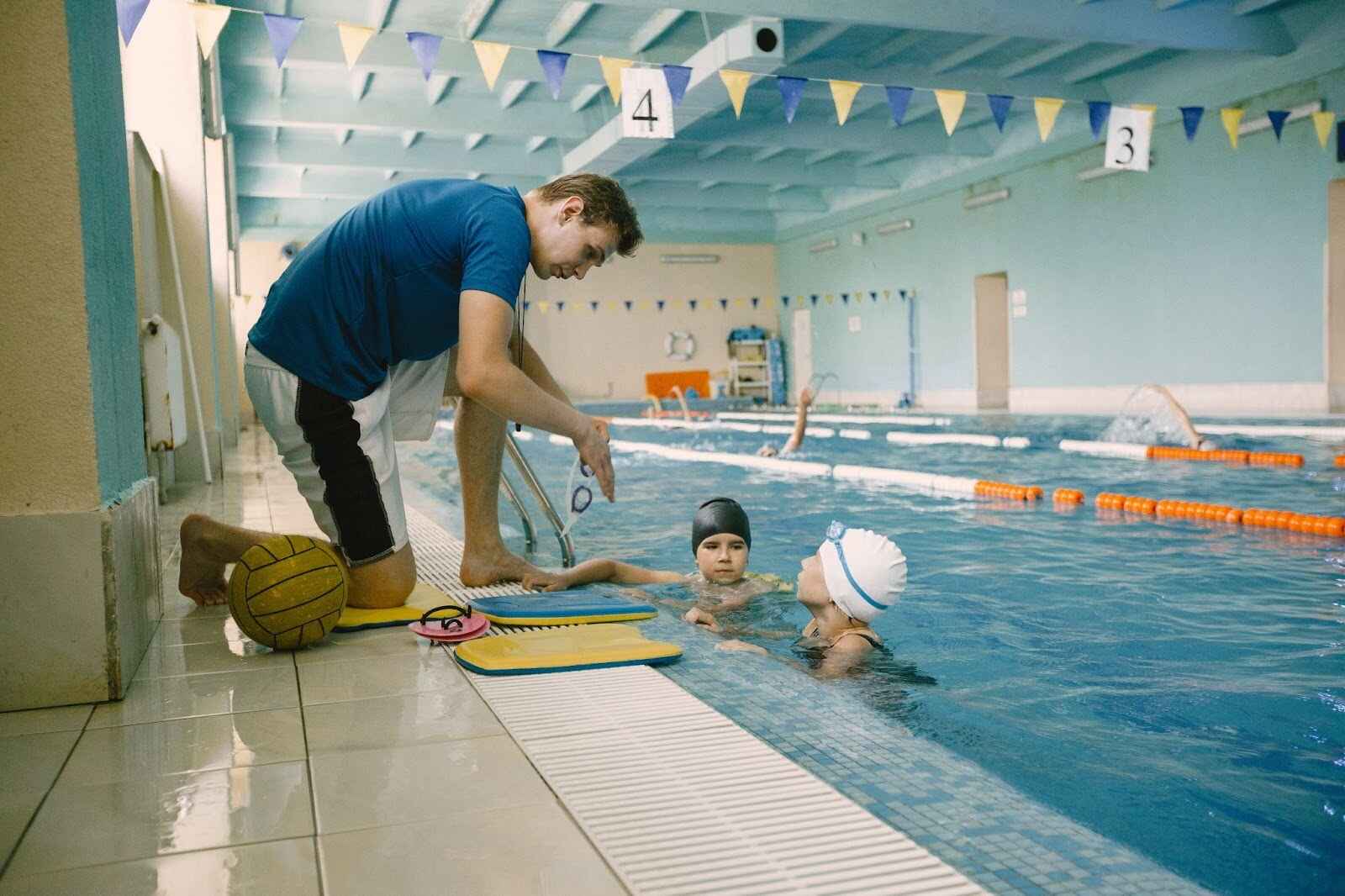
Swimming is more than just a sport in Singapore. It’s a skill many parents want their kids to learn and a growing field for those passionate about the water. Becoming a swimming coach is a great way to turn that passion into a career. But it takes more than just knowing how to swim fast. You need the right skills, certifications, and patience to teach others.
This guide walks you through everything you need to know about becoming a swimming coach in Singapore. From training requirements to real-world tips, here’s how to get started and build a meaningful career in the pool.
Step 1: Understand What a Swimming Coach Does
Being a coach isn’t only about teaching strokes. It’s about helping swimmers build confidence, discipline, and endurance. You’ll be working with people of all ages, from kids learning to float to adults improving their technique.
A good coach also understands water safety, proper swimming pool etiquette, and how to manage groups in the pool. You’ll need to stay patient, observant, and encouraging, especially with beginners who may fear the water.
Step 2: Get Certified
In Singapore, you need proper certification before you can teach professionally. The main body offering these qualifications is the Singapore Swimming Association (SSA).
Here’s what you’ll usually need:
- SwimSafer Certificate: Basic certification for water safety and lifesaving skills.
- Austswim or Swim Australia Certification: Recognised internationally and accepted by many swim schools in Singapore.
- First Aid and CPR Certification: Essential for safety and required by most employers.
- Coaching License (Level 1 or higher): Teaches lesson planning, swimmer development, and class management.
Once certified, you’ll be able to coach at community centres, private clubs, or start your own classes.
Step 3: Gain Coaching Experience
You don’t have to start as a head coach. Most people begin as assistant coaches to observe, learn, and practice teaching under supervision. This helps you understand real challenges like handling group lessons, managing young swimmers, and adjusting techniques for different skill levels.
Volunteering or interning with established instructors is also a smart move. It helps you build confidence and a teaching style that works for you.
Step 4: Develop Strong Teaching Skills
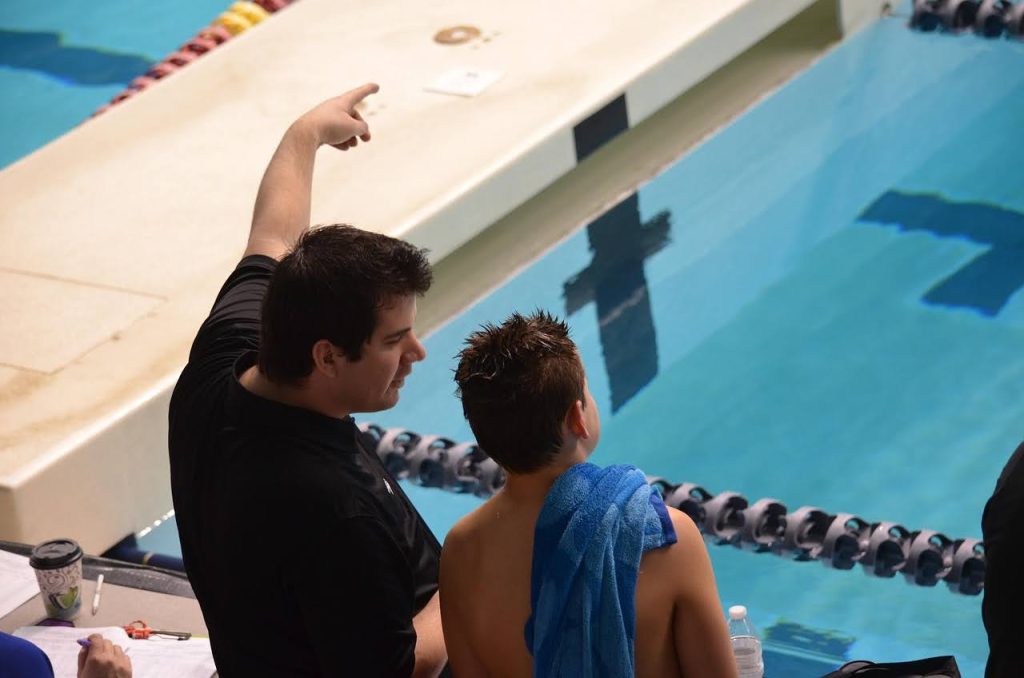
A great coach knows how to simplify complex movements. You’ll need to understand how the body moves in water and how to correct common swimming mistakes like improper breathing, weak kicks, or poor body alignment.
Use clear, simple language and demonstrate often. Every swimmer learns differently, so patience and creativity go a long way. Encourage progress rather than perfection.
Step 5: Learn and Use Swimming Drills
Good coaches don’t rely only on theory. They create structured swimming drills that help swimmers improve step by step. For example:
- Kickboard Drills: Strengthen leg movement and balance.
- Breathing Drills: Improve rhythm and lung control.
- Endurance Drills: Build stamina for longer swims.
- Stroke Correction Drills: Focus on technique and body position.
Vary your drills to keep lessons interesting. This not only helps your swimmers learn faster but also helps you grow as a coach.
Step 6: Build Fitness and Stamina
Coaching requires energy. You’ll spend hours standing by the pool, demonstrating strokes, and guiding swimmers. Staying fit helps you perform better and set an example for your students.
Find ways to increase your stamina through regular exercise, proper nutrition, and recovery. Many successful coaches still swim on their own time to keep their strength and form.
Step 7: Create a Safe and Positive Environment
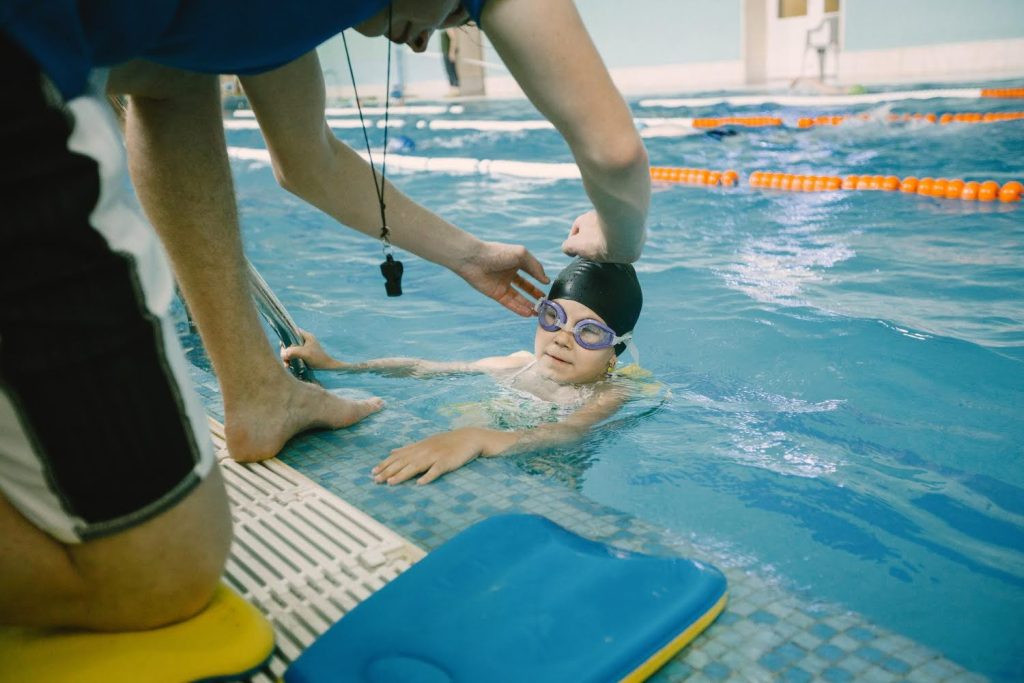
Safety comes first in swimming. Always check the pool conditions, ensure lifeguards are present, and remind students of rules before starting. Establishing a safe space helps students feel comfortable learning new skills.
Encourage teamwork and celebrate small wins. A positive environment keeps swimmers motivated and reduces fear, especially among children and beginners.
Step 8: Build Connections and Grow Your Career
Networking helps you find coaching opportunities. Join associations, attend workshops, and connect with other coaches. Continuous learning also matters. Keep up with new teaching methods, stroke techniques, and swim technology.
If you want to go further, you can even learn how to start a swimming school in Singapore. This gives you the freedom to build your own programs, hire coaches, and create a personalised learning environment.
Step 9: Keep Learning and Adapting
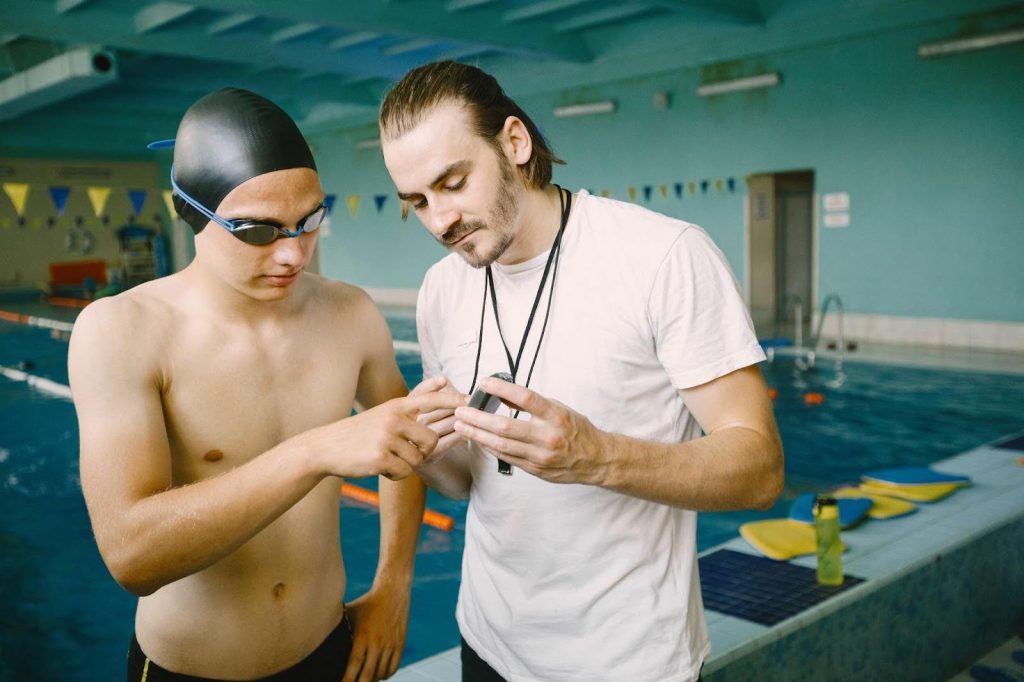
Swimming techniques and training tools keep evolving. The best coaches never stop learning. Take advanced coaching courses, attend seminars, or observe competitive swimmers. The more knowledge you gain, the better you can guide your students toward success.
Always seek feedback from your swimmers, too. Understanding their progress helps you adapt your teaching approach and keep improving as a coach.
Conclusion On How To Be A Swimming Coach In Singapore
Becoming a swimming coach in Singapore is rewarding if you love the water and enjoy teaching others. It takes effort, consistency, and care for your students’ growth. But every lesson, every skill learned, and every swimmer who gains confidence makes it all worth it.
At SwimHub, we’re passionate about helping both learners and aspiring coaches grow. Whether you’re taking lessons or aiming to teach, our programs are designed to help you succeed.
Get in touch with us to find out how we can support your journey in swimming.
Frequently Asked Questions About Becoming A Swimming Coach In Singapore
How Long Does It Take To Become a Swimming Coach in Singapore?
It usually takes a few months to complete basic certifications and get licensed, depending on how quickly you train and pass your courses.
Do I Need To Be a Competitive Swimmer To Coach?
No. You just need strong swimming skills, proper certification, and a passion for teaching.
Can I Coach Part-Time?
Yes, many coaches in Singapore teach part-time at schools, community pools, or private facilities.
What’s the Average Salary of a Swimming Coach in Singapore?
It varies, but most earn between SGD 2,000 to 4,000 per month, depending on experience and class size.
Is Coaching Suitable for Older Adults?
Yes. As long as you’re healthy, active, and certified, age doesn’t limit your ability to coach effectively.
