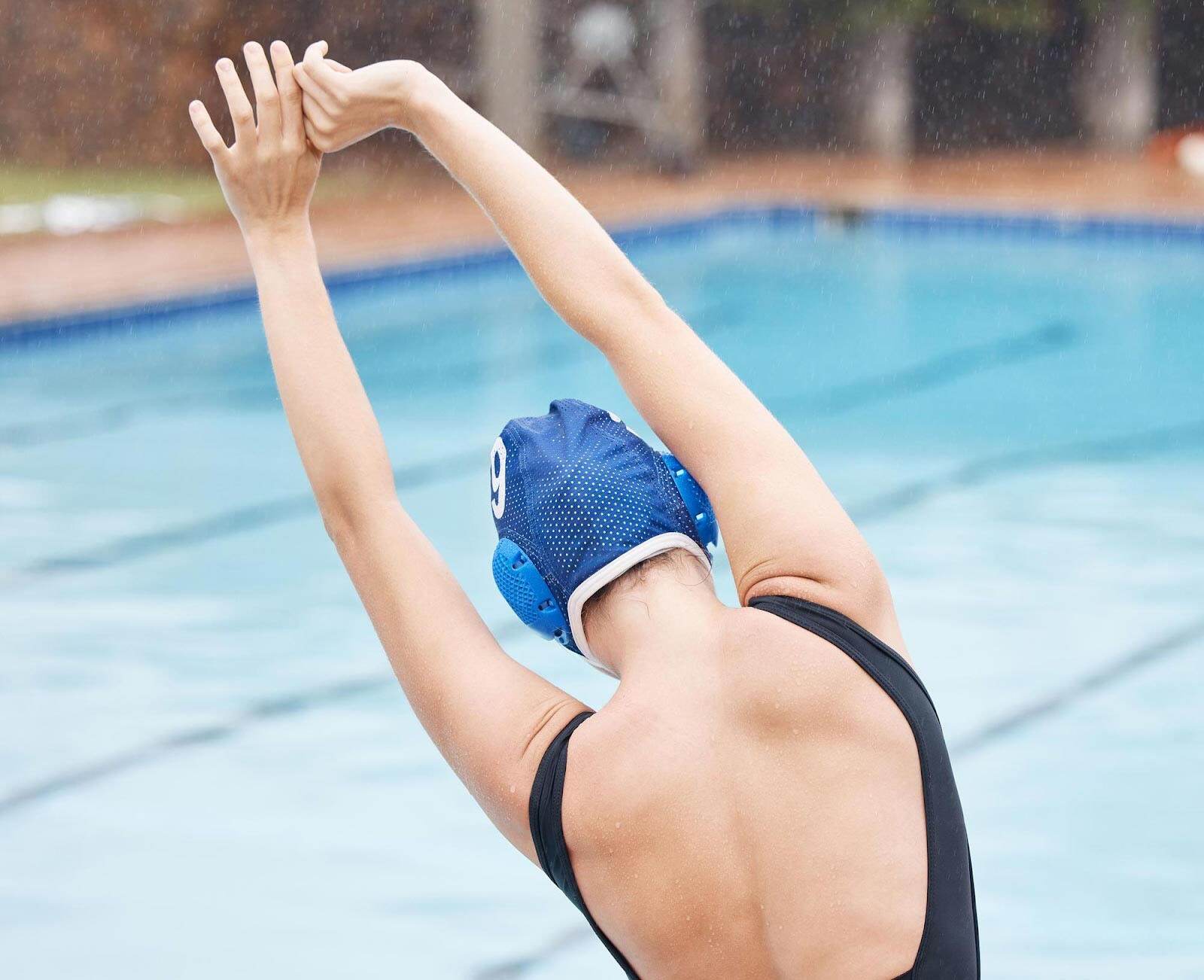
You’ve just wrapped up a good swim. Your muscles feel worked, your energy is high, and you’re ready to rinse off and relax. But before you call it a day, there’s one simple step that can make a big difference- a proper cool down.
Cooling down helps your body shift out of workout mode, reduces muscle stiffness, and gives your heart rate a chance to settle. It doesn’t have to be long or complicated. A few easy stretches and light movements can go a long way.
We’ve compiled simple cool-down exercises that are perfect after a swim. They’re quick, beginner-friendly, and help you feel better after every swimming lesson in Singapore.
Why Cool Down Exercises Matter

Cooling down after swimming might seem like something you can skip, especially when you’re tired and just want to hit the showers. But those few minutes of light movement and stretching can do a lot for your body.
When you swim, your heart rate goes up and your muscles work hard. A cool down helps bring everything back to a resting state more smoothly. It lowers your heart rate gradually, prevents dizziness, and helps your body get rid of any built-up tension or lactic acid.
Cool downs also reduce the chances of feeling stiff or sore the next day. Stretching while your muscles are still warm can improve flexibility and make your next swim feel even better.
In short, a cool down gives your body the time it needs to recover properly. It’s a small habit that can lead to better performance, fewer aches, and a stronger, more relaxed you.
6 Cool Down Exercises
Here are six easy and fun swim workouts for beginners you should try:
1. Arm Circles
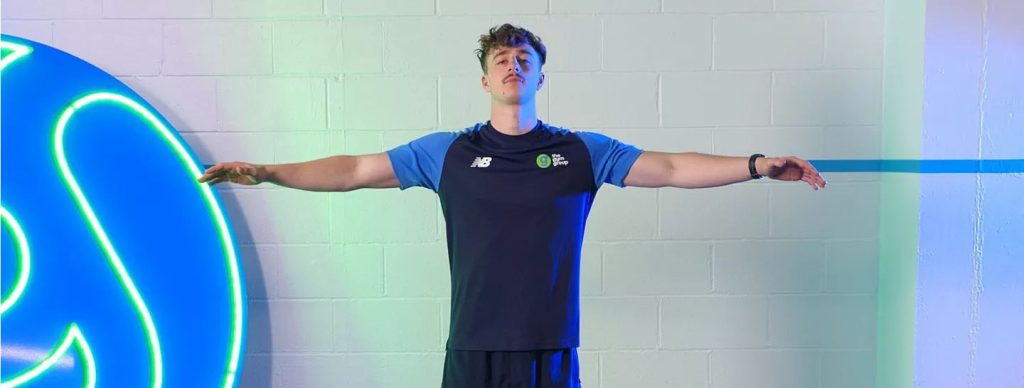
Arm circles are great for loosening up your shoulders and upper back after all that swimming. They help reduce tightness and improve shoulder mobility.
How to:
- Stand tall with your arms stretched straight out to the sides.
- Start making small circles forward with both arms.
- Gradually make the circles a bit bigger.
- Do this for 15 seconds, then reverse and circle backwards for another 15 seconds.
Benefits:
- Relieves shoulder tension
- Boosts flexibility
- Encourages blood flow to tired muscles
2. Standing Forward Fold
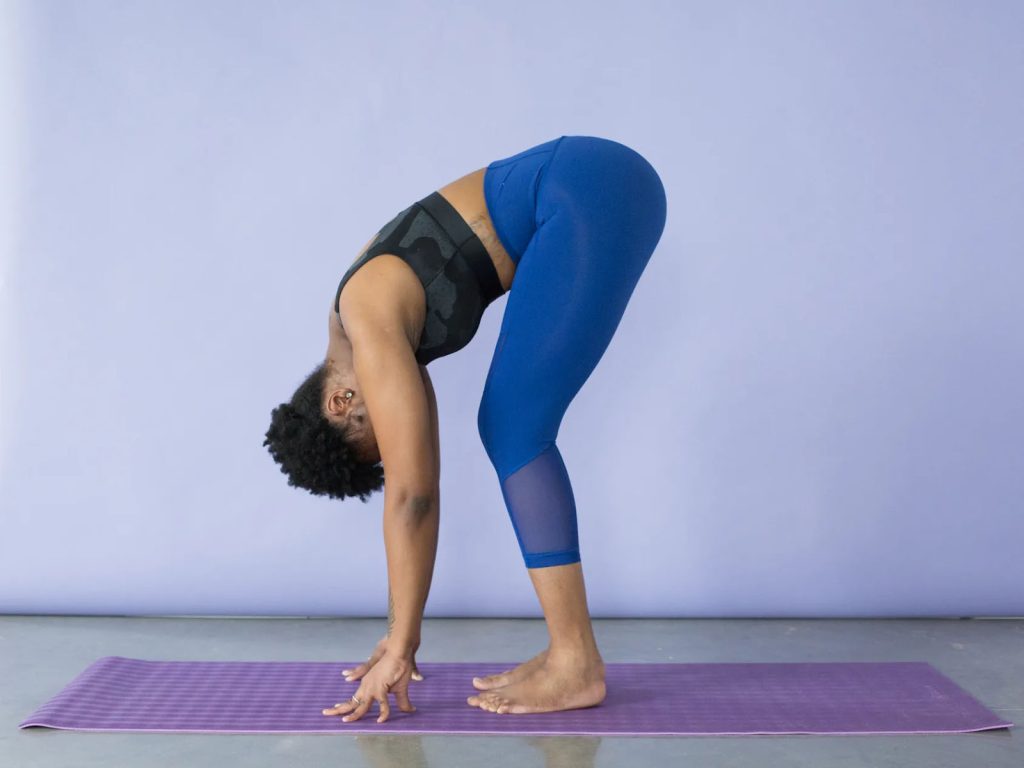
This stretch targets your hamstrings and lower back, which often get tight during swimming. It’s calming and helps lengthen your muscles.
How to:
- Stand with your feet about hip-width apart.
- Slowly bend forward at the hips, letting your arms hang down toward your feet.
- Relax your neck and keep your knees slightly bent if needed.
- Hold for 20 to 30 seconds while breathing deeply.
Benefits:
- Stretches hamstrings and spine
- Helps release tension in the back
- Encourages deep, calming breaths
3. Standing Quad Stretch
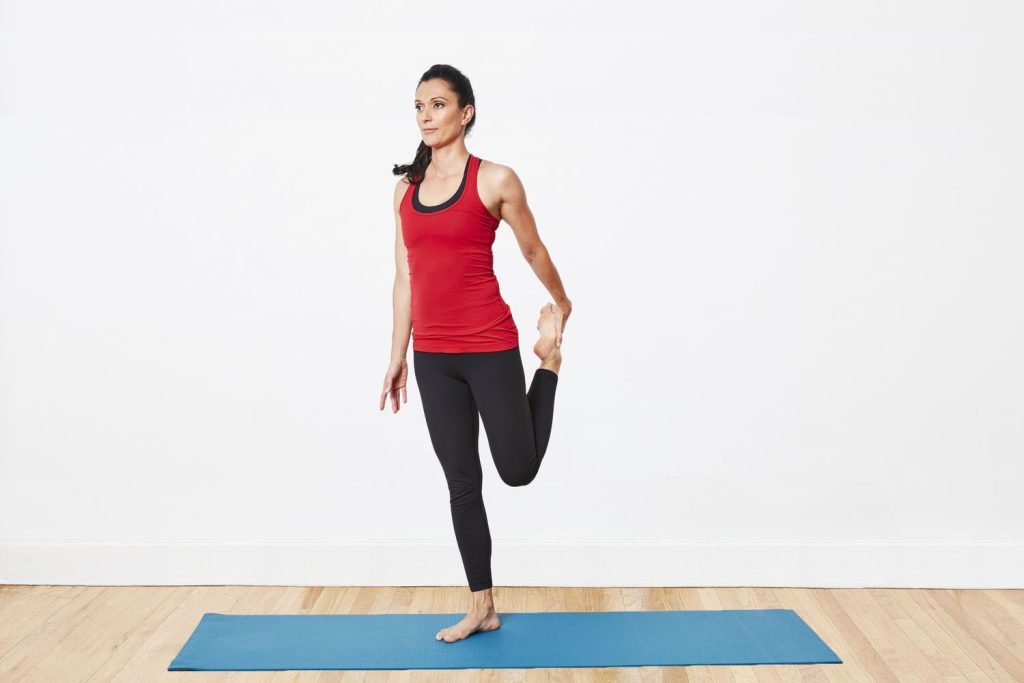
Your legs do a lot of kicking in the pool. This stretch helps loosen the front of your thighs and improve hip flexibility.
How to:
- Stand on one foot and grab the opposite ankle behind you.
- Keep your knees close together and stand tall.
- Hold for 20 to 30 seconds, then switch sides.
- Use a wall or chair for balance if needed.
Benefits:
- Relieves tight quads
- Improves balance and posture
- Increases flexibility in the hips
4. Child’s Pose
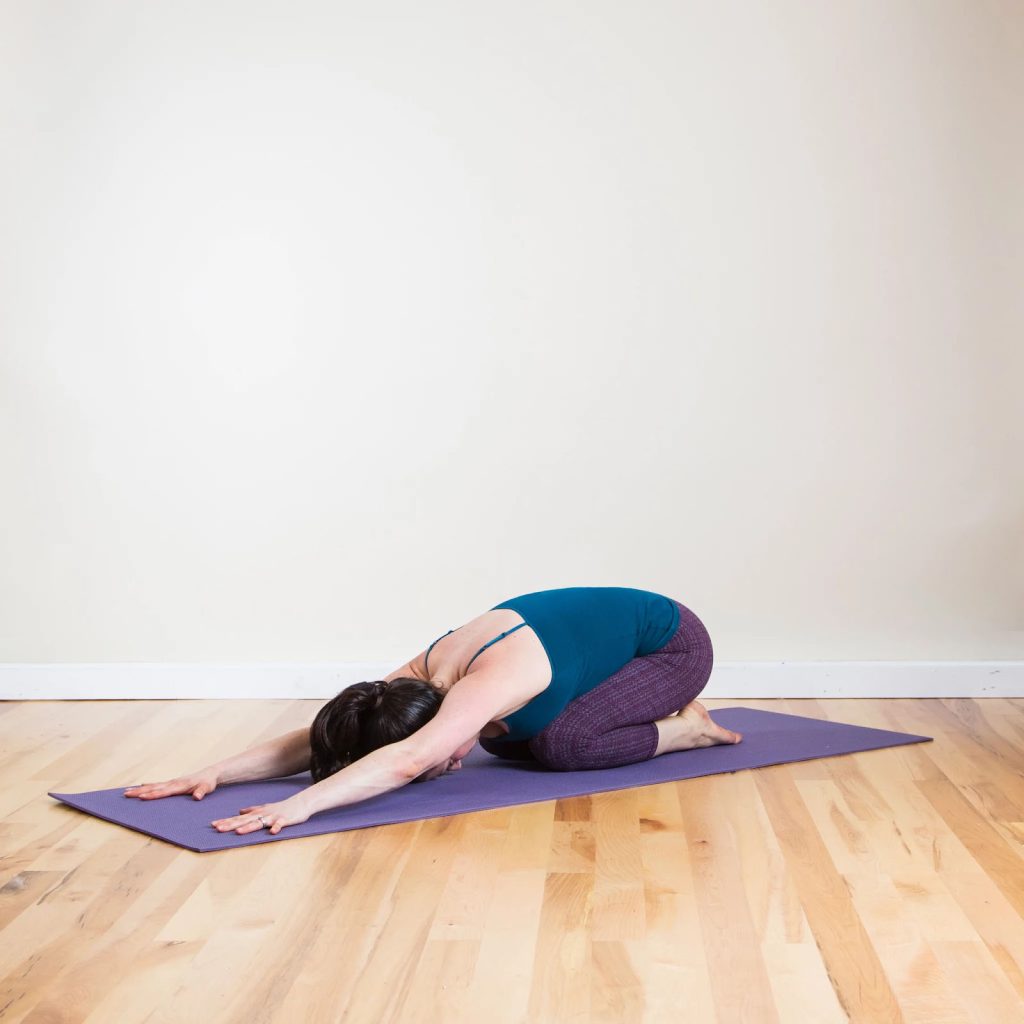
A relaxing yoga pose that gently stretches the back, hips, and shoulders. Perfect for winding down after your swim.
How to:
- Kneel on the ground with your big toes touching and knees apart.
- Sit back on your heels and reach your arms forward on the ground.
- Lower your forehead to the floor and breathe deeply.
- Hold for 30 to 60 seconds.
Benefits:
- Eases tension in the lower back
- Gently stretches hips and shoulders
- Helps calm the mind and body
5. Chest Opener Stretch
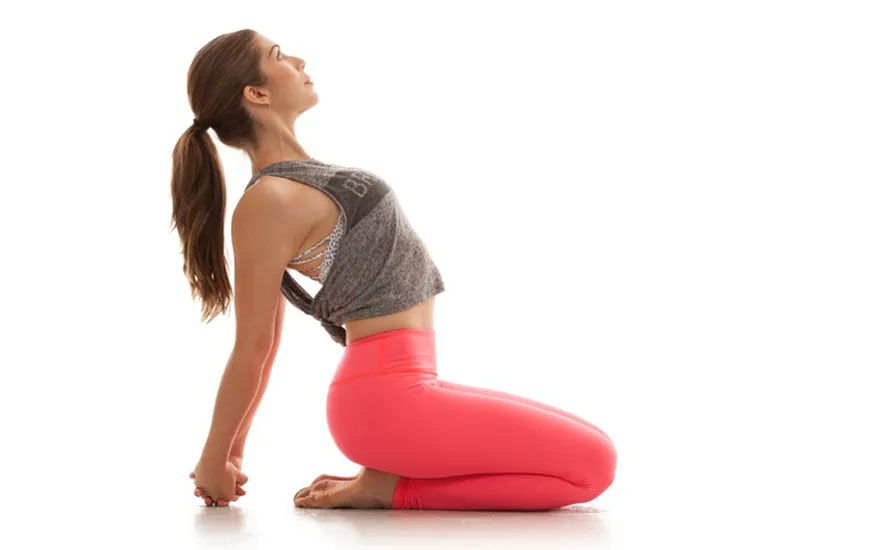
Swimming can tighten your chest and shoulders. This stretch helps open things up and improves posture.
How to:
- Stand or kneel and clasp your hands behind your back.
- Gently pull your hands downward while lifting your chest.
- Keep your shoulders down and away from your ears.
- Hold for 20 to 30 seconds.
Benefits:
- Stretches the chest and front of the shoulders
- Helps with posture correction
- Relieves upper body tension
6. Calf Stretch Against the Wall
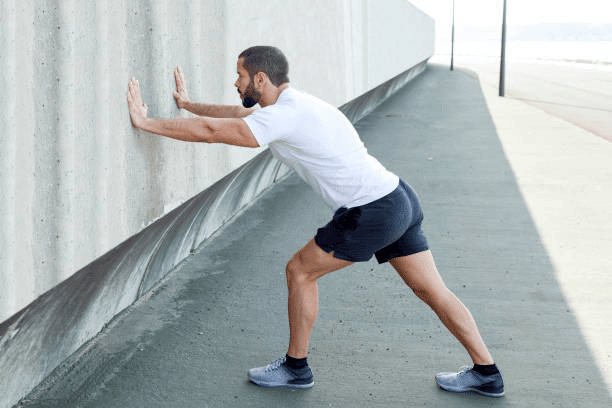
Your calves work hard during push-offs and kicking. This stretch targets the lower legs to help them recover.
Steps:
- Stand facing a wall and place your hands on it.
- Step one foot back, keeping that heel flat on the ground.
- Bend your front knee and press your back heel into the floor.
- Hold for 20 to 30 seconds, then switch sides.
Benefits:
- Loosens tight calves and Achilles tendons
- Improves ankle flexibility
- Reduces lower leg stiffness
Tips for a Great Cool Down Routine
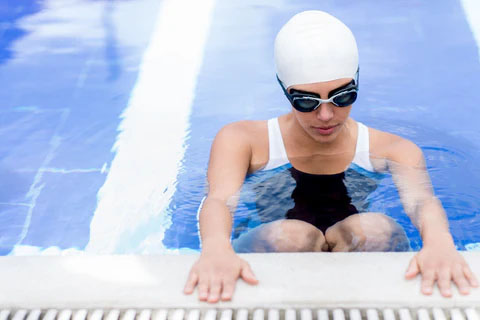
Here are some tips to remember when doing your recovery swim workouts:
- Take your time: Don’t rush through your cool down. Spend at least 5 to 10 minutes focusing on gentle movement and stretches so your body can fully relax.
- Focus on breathing: Slow, steady breaths help calm your nervous system and make your stretches more effective. Try to inhale deeply through your nose and exhale slowly through your mouth.
- Stretch while your muscles are warm: Right after swimming is the best time to stretch. Your muscles are still warm and flexible, which helps improve your range of motion and reduces stiffness.
- Listen to your body: Pay attention to how your body feels. If a stretch feels too intense or uncomfortable, ease up. Cooling down should feel good, not painful. Swimming also offers mental health benefits, especially when paired with gentle movement and deep breathing during your cool-down.
- Be consistent: Making cool downs part of your regular swim routine helps your body recover faster and can improve your performance over time.
Conclusion On Cool Down Exercises After Swimming
Cooling down after swimming may feel like a small step, but it plays a big role in how your body feels and performs. A few minutes of gentle movement and stretching can help reduce soreness, improve flexibility, and support faster recovery.
Looking for a fun and safe way to get your child comfortable in the water? Swimhub offers expert-led kids’ swimming lessons in Singapore to build confidence and skills at every level.
Contact us today!
Frequently Asked Questions About Cool Down Exercises After Swimming
Why Should I Cool Down After Swimming?
Cooling down helps your body transition from exercise to rest. It lowers your heart rate gradually, reduces the chance of muscle soreness, and helps improve flexibility. It’s also a great way to mentally wind down after a swim.
How Long Should A Cool-Down Last?
A good cool down only takes about 5 to 10 minutes. This can include light swimming or walking in the water, followed by a few simple stretches to target the muscles you’ve just used.
Can Kids Do Cool-Down Exercises Too?
Yes! Cool-down exercises are great for swimmers of all ages, including kids. Just keep the movements simple and gentle. It’s a great habit to start early to help prevent soreness and support flexibility.
Is It Okay To Skip The Cool Down If I’m In A Hurry?
While it might be tempting to skip, even a quick 3–5 minute cool down can make a big difference in recovery. Skipping it regularly can lead to tight muscles, increased soreness, and slower progress over time.
Do Cool-Downs Help Prevent Injury?
Yes, they can. Cooling down properly helps flush out lactic acid buildup and maintains muscle elasticity, which reduces the risk of strains and injuries over time, especially with frequent swimming.
