

Swimming is already an incredible workout, but what if you could get more out of every lap? That’s exactly what swimming with fins offers. Whether you’re new to the pool or a seasoned swimmer chasing new goals, the benefits of swimming with fins are far too good to miss.
From improving your speed to strengthening your muscles and technique, fins bring a new level of fun and effectiveness to your training.
In this blog, we’ll explore exactly why slipping on a pair of fins might just be the smartest move you make for your swimming lessons in Singapore.
1. Builds Leg Strength Faster
One of the major benefits of swimming with fins is how quickly it builds your lower body strength. The extra resistance challenges your muscles, particularly your calves, quads, and glutes, without putting too much strain on your joints.
Over time, your legs become stronger and more toned, helping you swim more powerfully without feeling as much fatigue. It’s an excellent way to prepare for longer swims or improve your sprinting ability in the pool.
2. Improves Kick Technique
Wondering about the purpose of swimming fins? They encourage proper ankle flexibility and reinforce the correct flutter kick motion. With fins on, you’re naturally guided into making smaller, quicker kicks rather than big, energy-wasting ones. Practising this regularly improves your muscle memory, so your kick stays sharp and efficient even when you swim without fins.
3. Boosts Swimming Speed
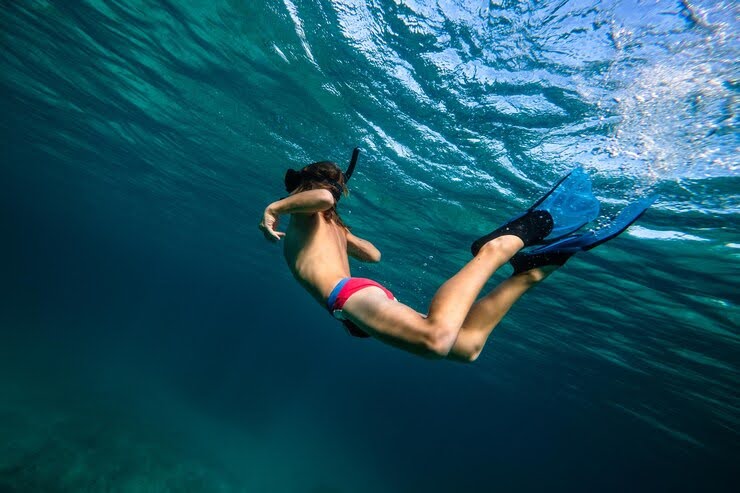
Fins are your secret weapon if you want to experience what it feels like to glide through the water with ease. They add surface area to your feet, helping you swim faster and giving you the sensation of high-speed swimming. This speed boost lets you complete more laps in less time, making every training session more productive. It’s also a fantastic way to feel more confident during sprints or competitive events.
4. Enhances Endurance
Using fins in training allows you to swim longer distances without getting exhausted too quickly. This helps you build your cardiovascular endurance, allowing you to handle longer swim lessons without feeling worn out. The extra push from the fins means you can sustain a steady pace over time, helping to condition both your heart and lungs for better performance in the water.
5. Teaches Proper Body Position
A big purpose of fins in swimming is to help swimmers achieve the right body position in the water. Fins naturally lift your legs, helping you find that smooth, horizontal line needed for efficient swimming. A good body position reduces drag, helping you glide through the water more easily and saving valuable energy on every stroke you take.
6. Reduces Shoulder Strain
Fins can be a lifesaver if you work on upper body technique or recover from a shoulder injury. They take some load off your shoulders, letting you focus on technique without risking overuse injuries. Because the propulsion comes more from your legs, your arms and shoulders can move more freely and recover properly. At the same time, you maintain a strong swimming rhythm.
7. Perfect Breathing Rhythm
Fins give you that extra speed and stability needed to practise steady breathing techniques. You can focus more on timing your breaths rather than struggling with body position or speed. This is especially helpful for beginners or anyone working on bilateral breathing, making it easier to develop a natural breathing rhythm that can be maintained even when you swim without fins.
8. Builds Core Stability
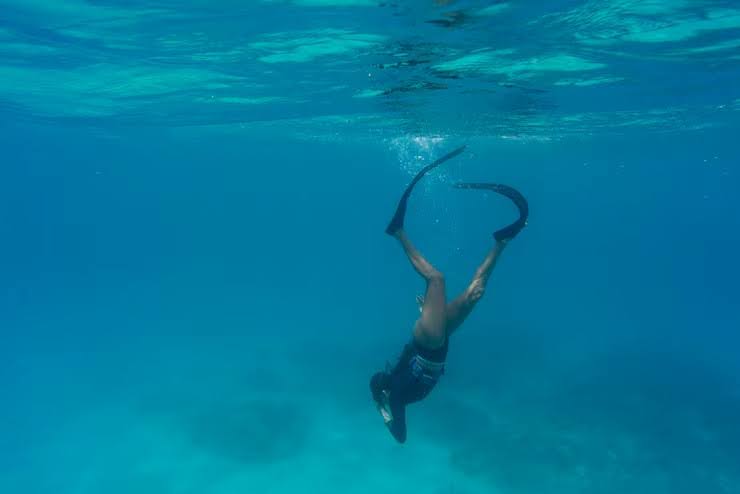
Swimming with fins demands more from your core. Keeping your body streamlined while pushing against the added resistance forces your abs and lower back muscles to engage more consistently. Over time, this strengthens your entire core, improving your swimming efficiency and benefiting your overall posture and balance outside the pool.
9. Helps Master Butterfly And Breaststroke
Ever wondered how fins help in swimming for strokes like butterfly and breaststroke? They add propulsion and make learning these more demanding techniques easier without feeling overwhelmed. By giving you extra lift and speed, fins let you focus on the arm movements and breathing timing that are essential for mastering these challenging strokes.
10. Provides A Fun Challenge
Training with fins isn’t just productive, it’s fun. You get to experience the thrill of moving faster and feeling more powerful in the water, which keeps motivation high. Adding fins can refresh your usual swimming routine, making practices something you genuinely look forward to instead of a chore.
11. Aids In Injury Recovery
When coming back from injuries, fins let swimmers continue training with less strain. They help maintain fitness levels while protecting sensitive joints and muscles. The reduced need for strong upper body effort means that you can stay active without risking further injury, allowing for a safer and smoother recovery journey.
12. Sharpens Competitive Edge
For competitive swimmers, swimming with fins includes better speed and finer-tuned technique. Training with them helps shave precious seconds off your race times. Fins allow swimmers to simulate race conditions and refine skills at faster speeds, preparing them mentally and physically for competitions.
13. Encourages Consistency In Kicking
If you tend to neglect kicking during practice, fins instantly fix that. Their design rewards a consistent, strong kick, making it a natural part of your swimming routine. This improves propulsion and builds leg endurance, ensuring your kick remains strong throughout your entire race or workout session.
14. Boosts Confidence In Beginners
Beginners can sometimes feel frustrated with their progress. Fins offer a boost by making it easier to stay afloat and move confidently through the water, building a positive swimming experience. They help reduce feelings of anxiety and encourage beginners to focus on developing good technique rather than simply trying to stay above water.
15. Versatile Training Tool
Whether it’s sprint sets, technique drills, or endurance work, fins fit into any workout. They support every goal you might have in the pool, showing that the swimming fins’ purpose goes beyond just one or two uses. Having a pair of fins in your swim bag means you’re ready for a variety of training styles, keeping your swimming routine fresh, challenging, and rewarding.
Conclusion About Swimming With Fins
From stronger legs, better breathing rhythm, faster lap times, and improved technique, the benefits of swimming with fins go far beyond what most swimmers expect. Whether you’re working on performance, recovery, or just building confidence in the water, fins can give you that extra edge you’ve been looking for. They’re not just accessories but a smart, versatile part of smarter swim training.
Ready to unlock your full potential in the pool? Join SwimHub, where we offer the best swimming lessons in Singapore designed to help swimmers of all levels move better, train smarter, and enjoy every moment in the water.
Contact us and let’s take your swimming skills to the next level.
Frequently Asked Questions About Swimming With Fins
How Do Fins Help In Swimming Technique?
Fins encourage a strong, consistent kick, promote better ankle flexibility, and help swimmers achieve proper body position.
Is It Safe For Beginners To Use Fins In Swimming?
Yes, fins are great for beginners. They offer extra propulsion and buoyancy, making swimming feel easier and more enjoyable.
What Is The Purpose Of Fins In Swimming Training?
Fins in swimming training enhance speed, strength, endurance, and technical skill without overstressing the body
Can Swimming With Fins Help With Recovery After An Injury?
Absolutely. Fins reduce strain on the shoulders and joints, allowing injured swimmers to maintain fitness while protecting sensitive areas.
How Often Should You Train With Fins?
It’s recommended to incorporate fins into training 1–2 times per week to get the benefits without becoming overly reliant on them.
Are There Different Types Of Swimming Fins?
Yes, short-blade fins are for technique work, and long-blade fins are for strength and endurance. Each type serves a different training purpose.
