
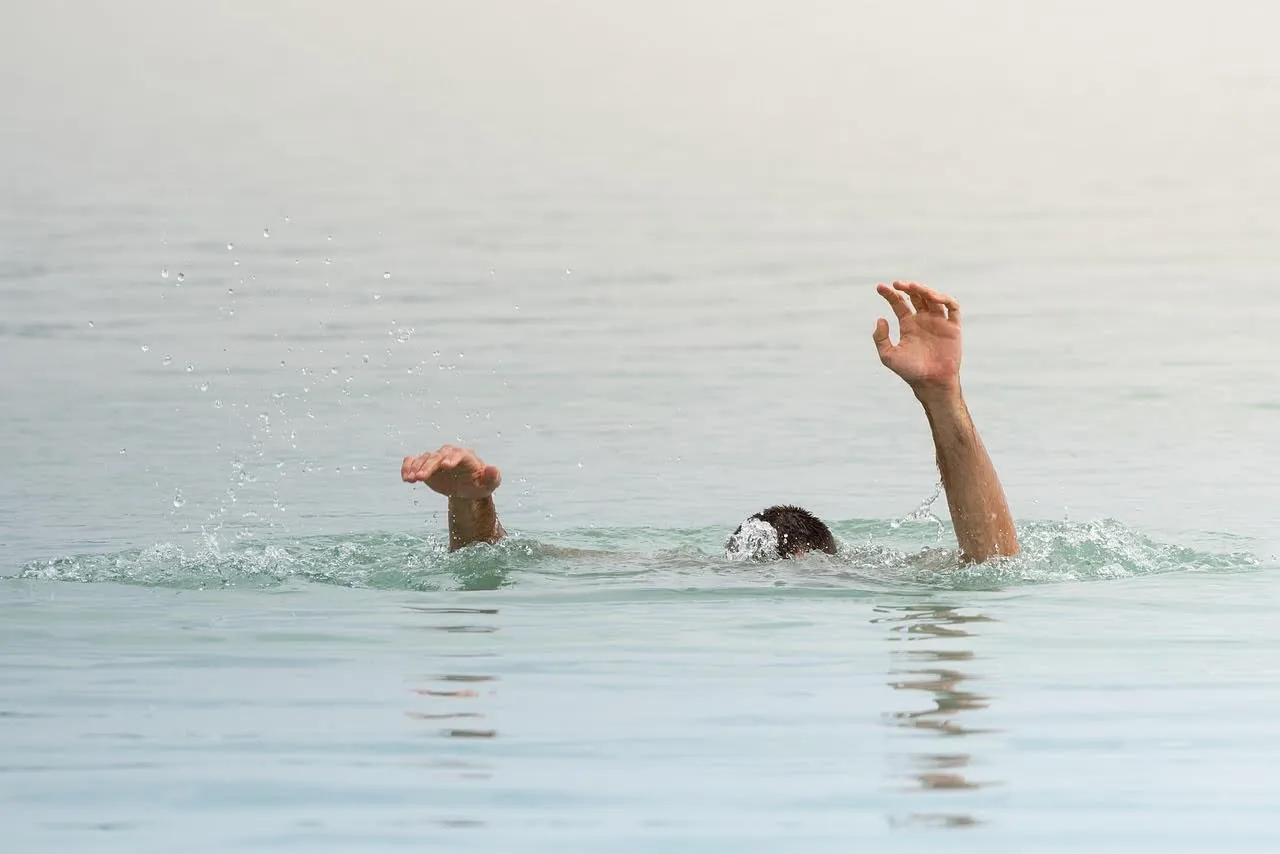
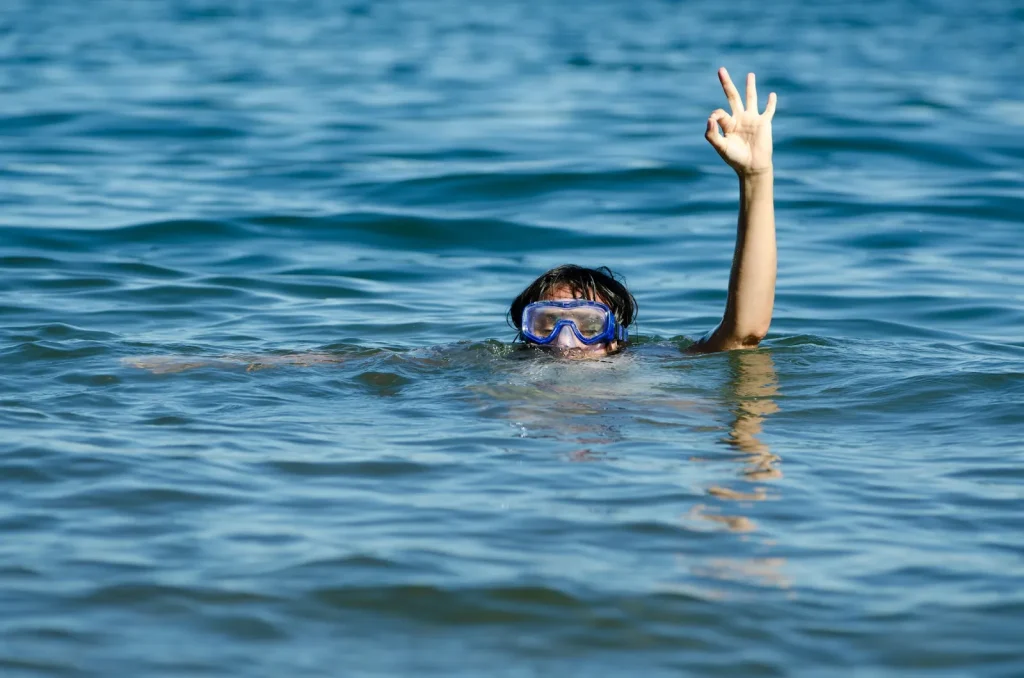
Water emergencies rarely look like the loud panic shown in movies, as they are often completely silent and can happen hours after everyone has left the pool. Parents must practise the art of noticing subtle signs, such as a slight cough or unusual lethargy, to catch delayed complications early.
A proactive two-step system of vigilant supervision and real water survival skills teaches families how to prevent drowning effectively. This guide defines the medical differences between delayed water emergencies, lists the exact symptoms parents must watch for, and provides a concrete checklist for pool safety.
Professional instruction stands as the strongest preventative measure a parent can take. Good coaches prioritise fundamental water survival skills first, such as independent floating, treading water, and safe pool exits.
15 Essential Rules On How To Prevent Drowning Accidents
Designate An Undistracted Water Watcher
A designated water watcher directly supervises children without the distraction of mobile phones or conversations. This dedicated adult keeps their eyes on the pool at all times to spot any signs of distress immediately.
Install A Four-Sided Isolation Pool Fence
A four-sided isolation fence blocks direct access to the water from the house and garden. Families secure the pool area with a gate that is self-closing and self-latching to stop toddlers from wandering into danger.
Enrol Children In Professional Swimming Lessons
Professional instruction replaces a false sense of security with actual water survival abilities. Certified coaches teach young swimmers in a structured kids swimming lesson how to float independently and navigate back to the pool edge safely.
Learn Basic First Aid And CPR Techniques
First aid and CPR techniques provide parents with the tools to save a life during those critical minutes before paramedics arrive. Caregivers practise chest compressions and review swimming safety regularly to remain calm and effective during an emergency.
Wear Approved Life Jackets In Open Water
Approved life jackets keep non-swimmers afloat regardless of their physical condition or panic level. Parents discard inflatable armbands and opt for certified safety gear whenever their family visits the beach or a lake.
Choose Brightly Coloured Neon Swimwear For Visibility
Brightly coloured neon swimwear creates a sharp contrast against blue pool water, making a submerged child instantly visible. Caregivers dress their children in bright orange, pink, or yellow swimsuits to speed up rescue efforts.
Empty Bathtubs And Buckets Immediately After Use
Immediate drainage of bathtubs and buckets removes hidden hazards that pose severe risks to curious toddlers. Adults drain all standing water inside the house to ensure the environment remains entirely safe.
Avoid Alcohol Consumption Around Water Environments

Sobriety ensures adults maintain the quick reflexes and sharp judgment needed to supervise young swimmers. Caregivers abstain from alcoholic beverages until everyone is safely out of the water for the day.
Implement A Post-Swimming Health Checklist
A post-swimming health checklist helps parents catch delayed symptoms on the car ride home and right before bedtime. Caregivers look for subtle physical changes to identify internal complications early.
Secure Pool Covers And Remove Enticing Toys
The removal of floating toys eliminates the temptation for a child to reach into the water unsupervised. Owners secure sturdy pool covers tightly over the surface to create a physical barrier against accidental falls.
Teach Children Safe Water Boundaries Early
Clear water boundaries establish strict rules about never entering the pool area without an adult present. Parents have calm conversations with their children to foster respect for the water without instilling deep phobias.
Recognise And Avoid Dangerous Ocean Rip Currents
Early identification of rip currents keeps beachgoers away from powerful channels of water that pull swimmers out to sea. Families swim only in designated areas supervised by trained lifeguards.
Monitor Breathing After Accidental Submersions
Close observation of breathing patterns after a slip or fall into the water highlights potential internal distress. Parents watch for shallow breaths or persistent coughing that signal fluid trapped in the lungs.
Establish Strict Rules For Boating Safety
Strict boating safety rules require every passenger to wear a life jacket before the vessel leaves the dock. Captains explain emergency procedures clearly so everyone knows exactly what to do if the boat capsizes.
Create A Family Water Emergency Action Plan
A family water emergency action plan outlines exact steps for everyone to follow if someone goes missing near the water. Parents assign specific roles, such as calling emergency services or throwing rescue equipment, to minimise panic.
How To Prevent Child Drowning At Home And On Holiday
Secure Bathroom And Utility Room Doors
Childproof locks on bathroom and utility room doors keep wandering toddlers away from filled tubs and washing machines. Parents install handles high out of reach to maintain a secure perimeter inside the house.
Empty Temporary Paddling Pools Daily
Daily drainage of small paddling pools removes the risk of a young child falling in unnoticed. Families flip these plastic pools upside down to prevent rainwater from accumulating inside them.
Cover Garden Ponds And Water Features
Rigid meshes or sturdy grates placed over garden ponds stop toddlers from falling into decorative backyard water features. Homeowners build low fences around fountains to add an extra layer of security.
Lock Hot Tubs And Spas When Not In Use
Heavy, lockable covers block access to hot tubs and spas while adults are not actively supervising the area. Families secure these lids with durable straps that a child cannot manipulate or break.
Drain Sinks And Basins Immediately After Washing
Immediate drainage of sinks after washing dishes eliminates small pools of water that pose a threat to infants. Parents form strict habits around immediate drainage to ensure home safety.
Supervise Bath Time Without Any Distractions
Undivided attention during bath time guarantees an adult is always within arm’s reach of a slippery infant. Caregivers gather all towels and soaps beforehand so they never have to leave the bathroom.
How To Prevent Secondary Drowning And Dry Drowning
Monitor For A Persistent Or Uncontrollable Cough
A persistent cough indicates that water may have entered the lungs and is causing severe irritation. Parents track this symptom closely because it often serves as the very first warning sign of internal trouble.
Watch Out For Sudden Extreme Fatigue Or Lethargy
Sudden lethargy after a swim suggests the body is struggling to oxygenate the blood properly. Caregivers take note if a normally energetic child desperately wants to go to sleep at an unusual time.
Observe For Rapid Or Shallow Breathing Patterns
Rapid or shallow breathing signals that the respiratory system is working overtime to compensate for trapped fluid. Adults count the number of breaths per minute to detect any abnormal distress.
Check For Uncharacteristic Changes In Behaviour
Unusual irritability or confusion points to a lack of oxygen reaching the brain. Parents step in quickly if their child becomes suddenly forgetful or acts completely out of character.
Look For Pale Skin Or Blue Lips
Pale skin or a bluish tint around the lips highlights a dangerous drop in blood oxygen levels. Families treat this physical change as a medical emergency requiring immediate professional intervention.
Seek Immediate Emergency Medical Attention
A fast trip to the accident and emergency department allows doctors to administer oxygen and clear the airways safely. Medical professionals run chest X-rays to accurately assess the lungs and prevent further complications.
How To Prevent Drowning In Swimming Pools
Install Anti-Entrapment Drain Covers
Anti-entrapment drain covers prevent powerful suction forces from trapping a swimmer underwater. Pool owners replace flat grates with these domed covers to eliminate the risk of hair or limb entanglement.
Enforce A Strict No-Running Rule On The Pool Deck
A strict no-running rule stops children from slipping on wet concrete and falling headfirst into the water. Adults remind everyone to walk slowly and safely around the perimeter of the pool.
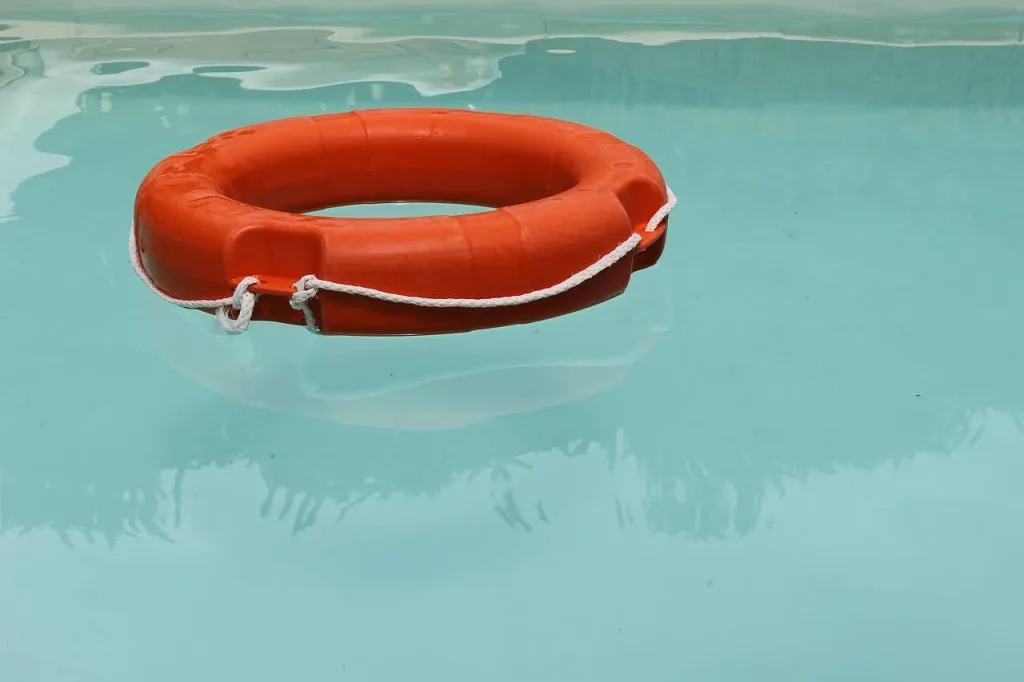
Keep Dedicated Rescue Equipment Easily Accessible
Dedicated rescue equipment, such as a life ring or a reaching pole, sits openly on the deck for instant access. Supervisors use these tools to pull a struggling swimmer to safety without putting themselves at risk.
Maintain Clear Pool Water For Maximum Visibility
Clear, chemically balanced water allows the designated watcher to see all the way to the bottom of the deep end. Pool owners run the filtration system regularly to prevent cloudy conditions from hiding a submerged child.
Remove Pool Steps And Ladders After Swimming
The removal of steps and ladders from above-ground pools creates a physical barrier that stops toddlers from climbing into the water. Homeowners store these steps securely in a locked shed.
Store Chemicals Safely Away From The Pool Area
Locked cabinets keep harsh pool cleaning chemicals out of the hands of curious children. Adults store chlorine and acid in well-ventilated, secure areas to prevent toxic accidents near the water.
Conclusion About How To Prevent Drowning
Education and vigilant supervision form the absolute best defence against unexpected water emergencies. Parents secure their peace of mind when they actively practise these safety rules and prioritise real survival skills over temporary flotation devices.
SwimHub provides comprehensive water safety education through specialised toddler swimming lessons, engaging kids swimming lessons, and comprehensive adult swimming lesson programmes.
Expert coaches conduct these highly personalised private condo swimming lessons across Singapore to ensure every family member masters critical survival techniques in a familiar, comfortable environment.
Contact us today to schedule a trial class and secure your child’s safety in the water!
Frequently Asked Questions About How To Prevent Drowning
What Is The Difference Between Dry And Secondary Drowning?
Dry drowning occurs when water causes the vocal cords to spasm and close the airway immediately, while secondary drowning happens hours later when trapped fluid inflames the lungs. Both conditions are severe medical emergencies that require immediate hospital treatment.
Can Floaties Actually Help Prevent Drowning?
Inflatable armbands create a dangerous false sense of security and can easily slip off a child’s arms or deflate unexpectedly. Certified life jackets provide a much safer alternative because they are rigidly tested and approved to keep a child’s head above the surface.
At What Age Should A Child Start Swimming Lessons?
Experts highly recommend starting formal swimming lessons as early as one year old to build fundamental water familiarity and basic survival reflexes. Early exposure helps toddlers learn to float independently and reduces their natural panic responses if they fall into a pool.
How Long After Swimming Should I Watch For Secondary Drowning Symptoms?
Parents must observe their children closely for at least 24 hours after an accidental water submersion or intense splashing incident. The delayed symptoms, such as extreme fatigue and a persistent cough, often develop slowly throughout the day or night.
What Should I Do If I Spot Someone Drowning?
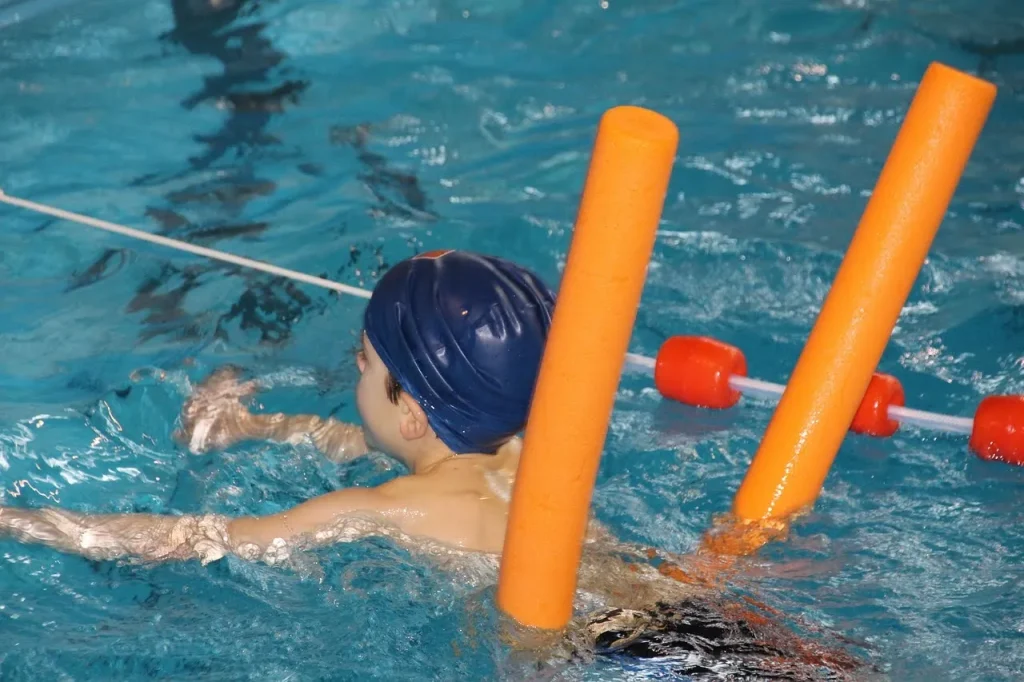
Bystanders must throw a life ring, pool noodle, or reaching pole to the victim instead of jumping into the water themselves. Observers call emergency services immediately to ensure professional paramedics arrive as quickly as possible.
Are Bright Swimsuits Really Better For Water Safety?
Neon colours like bright pink, orange, and yellow contrast sharply with the natural blue hues of the water. This strong visual contrast helps a designated supervisor spot a submerged child instantly, drastically reducing rescue times.
Is It Safe To Swim In The Ocean With A Child?
Families can swim safely in the ocean only if they stay within designated zones actively monitored by professional lifeguards. Caregivers must keep young children within arm’s reach at all times due to unpredictable waves and hidden rip currents.
How Often Should I Refresh My CPR Certification?
Adults should renew their formal CPR and first aid certifications every two years to ensure their rescue techniques remain sharp and up-to-date. Frequent practice helps parents maintain the calm confidence needed to act quickly during a sudden water emergency.
