
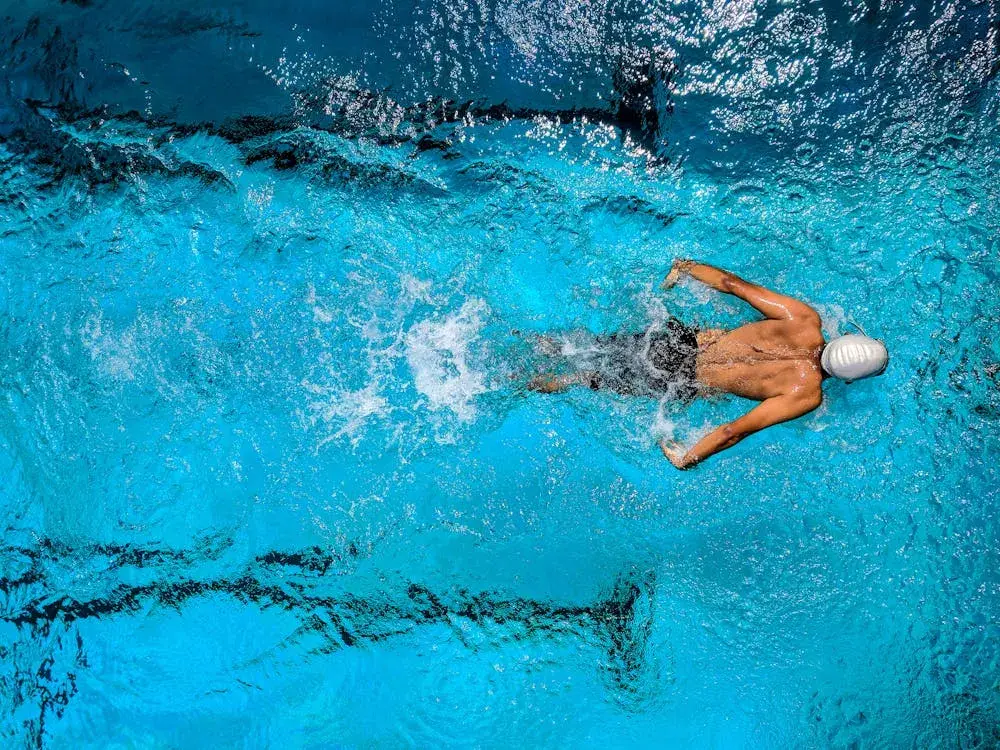
Observe the next time you visit the pool to see the difference between frantic splashing and a quiet, effortless glide. This contrast shows that moving through the water is a test of energy management rather than a desperate race against the clock.
The average swimming speed of a human falls around 2 km/h, with a typical recreational 100m swim time ranging between 1:45 and 2:15. To hit or beat these specific benchmarks, swimmers require the structured correction of drag-inducing habits rather than simply paddling harder.
Readers will learn exact age-appropriate milestones and actionable methods to improve pace safely. Dedicated attention to stroke mechanics ensures that every swimmer reaches their goals in a biomechanically secure environment.
What Is The Average Swimming Speed Of A Human?
The Average Speed Of A Beginner Swimmer In Km/h
A beginner swimmer typically moves at a pace of around 1 to 1.5 km/h. This speed reflects basic water survival skills without refined stroke techniques.
The Average Speed Of An Intermediate Swimmer In Km/h
An intermediate swimmer usually achieves a speed of 2 to 2.5 km/h. Swimmers at this level maintain a steady rhythm and use proper breathing techniques.
The Average Speed Of An Advanced Swimmer In Km/h
Advanced swimmers comfortably sustain speeds between 3 and 4 km/h. These individuals possess excellent cardiovascular fitness and minimal drag in the water.
The Maximum Speed Of Olympic Swimmers In Km/h
Olympic athletes can reach maximum sprint speeds of up to 8 km/h. These elite professionals utilise flawless biomechanics to maximise propulsion.
Average 100m Swim Time By Age And Gender
Times For Children And Young Teenagers
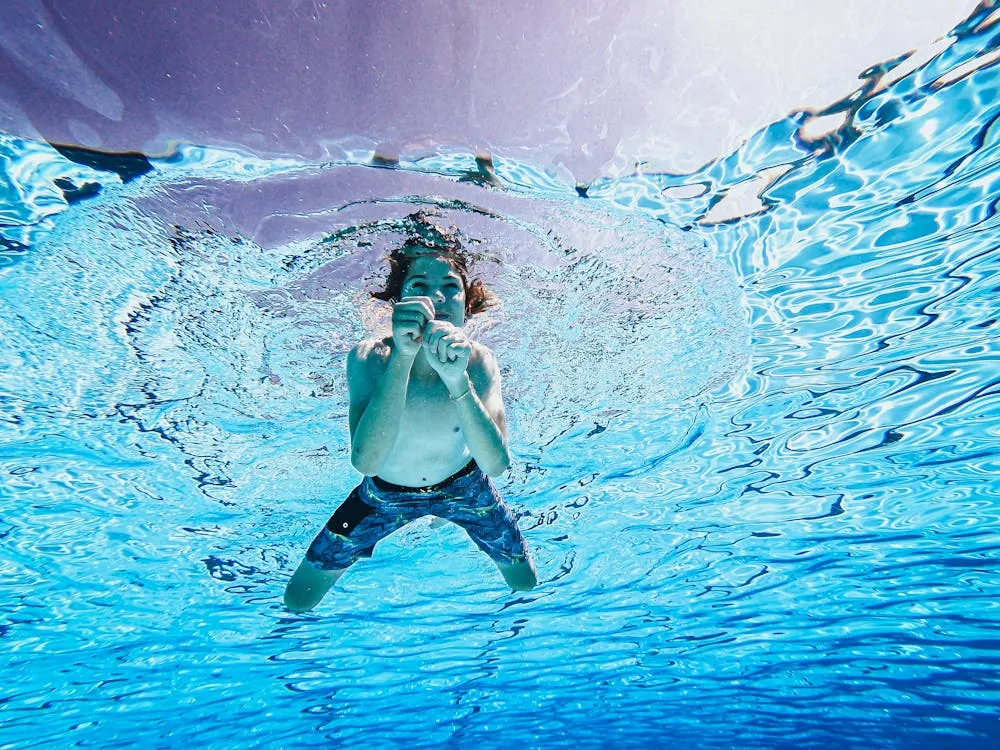
Children aged 10 to 14 typically complete a 100m swim in 2:00 to 2:30 minutes. Parents often use kids swimming lessons to help younger swimmers build the necessary muscle memory for faster times.
Average 100m Swim Time By Age Female
The average 100m swim time by age female ranges from 1:50 for young adults to 2:20 for those in their fifties. Women often excel in buoyancy and pacing, which contributes to highly efficient strokes.
Average 100m Swim Time By Age Male
Male swimmers typically record 100m times between 1:40 in their twenties and 2:10 in their later years. Upper body strength plays a significant role in achieving these specific benchmarks.
Times For Senior Masters Swimmers
Senior masters swimmers over the age of 60 usually finish 100m in 2:15 to 2:45 minutes. Regular aquatic exercise keeps joints flexible and maintains cardiovascular health at this stage of life.
What Factors Affect Your Average Swimming Speed?
The Factor Of Stroke Technique And Efficiency
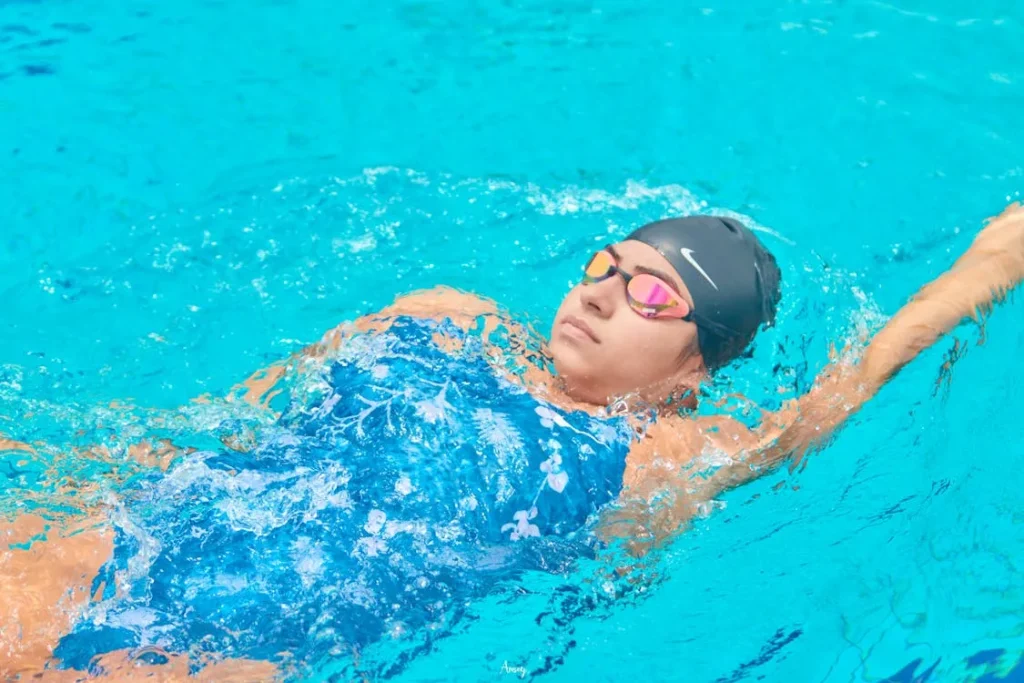
Stroke technique dictates how easily a body glides through the water. Poor form creates resistance that drastically slows down the average swimming speed km/h.
The Factor Of Cardiovascular Fitness
Cardiovascular fitness determines how long a swimmer can maintain a fast pace without exhaustion. Students who understand how to increase stamina in swimming directly improve this endurance capability.
The Factor Of Body Position And Drag
A horizontal body position minimises the frontal surface area exposed to the water. Sinking hips create a parachute effect that forces the swimmer to expend more energy.
The Factor Of Pool Length And Environment
Short course pools allow for more frequent turns, which often result in faster overall times. Open water environments introduce unpredictable currents that naturally reduce pace.
How Do Different Swim Strokes Compare In Speed?
The Speed Of The Front Crawl (Freestyle)
The front crawl is the fastest stroke, offering continuous propulsion and an aerodynamic profile. Swimmers rely on this style for distance events and triathlons.
The Speed Of The Butterfly Stroke
The butterfly stroke ranks as the second fastest but demands immense energy and perfect timing. The powerful dolphin kick provides significant forward momentum.
The Speed Of The Backstroke
The backstroke holds the third position in speed rankings due to the continuous arm rotation. Swimmers benefit from an unrestricted airway while performing this stroke.
The Speed Of The Breaststroke
The breaststroke is the slowest competitive stroke because the recovery phase occurs underwater. Athletes practising breaststroke swimming require precise timing between the pull and the kick to maintain a good speed.
How To Set Realistic Swimming Goals For Your Level
Method 1: Timing Your Current Baseline Accurately
A well-timed baseline establishes a clear starting point for future progress. Swimmers should record their comfortable 100m pace without pushing to maximum exertion.
Method 2: Creating Incremental Target Times
Incremental target times prevent frustration and promote safe development. A reduction of two seconds per month is a highly realistic objective for most recreational swimmers.
Method 3: Adjusting Expectations Based On Age
Age-adjusted expectations ensure that goals remain physically appropriate and safe. Older adults should focus on maintaining steady pacing rather than pursuing aggressive sprint records.
15 Ways To Improve Your Swimming Pace
1. Perfecting Your Head Position
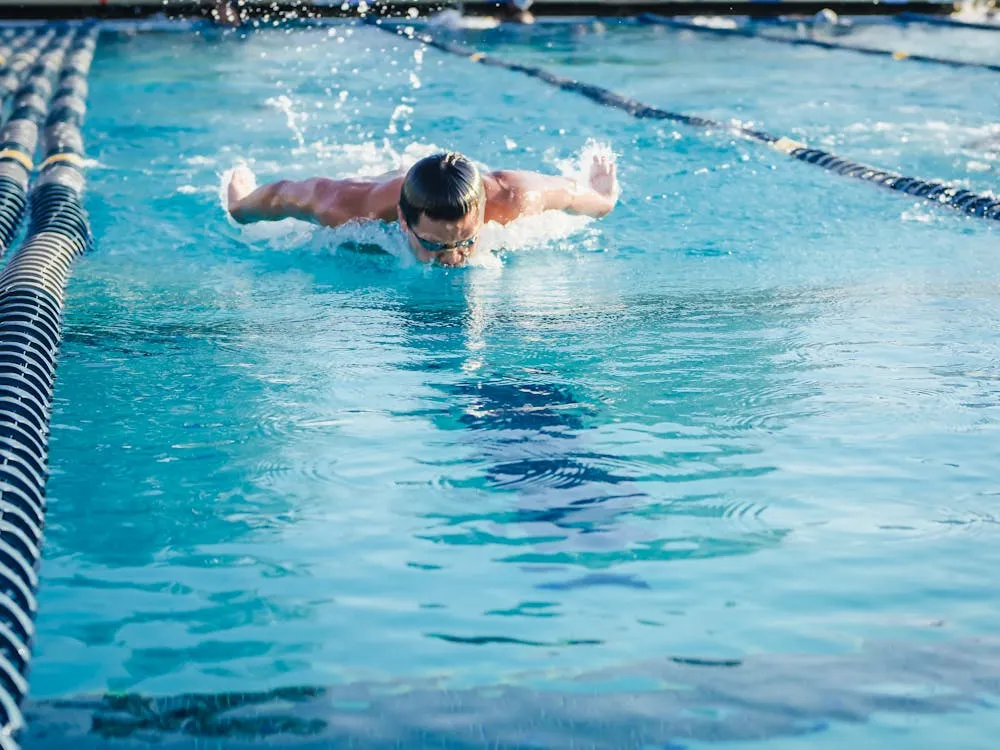
A perfect head position keeps your spine aligned and prevents your hips from sinking. You should look straight down at the pool floor rather than forward.
2. Elongating Your Swim Stroke
An elongated swim stroke maximises the distance covered with every single arm pull. This extended reach reduces the total number of strokes required per lap.
3. Improving Your Breathing Rhythm
A steady breathing rhythm delivers a consistent supply of oxygen to working muscles. Proper breathing techniques in swimming prevent panic and premature fatigue.
4. Utilising A Stronger Flutter Kick
A strong flutter kick drives the body forward and maintains horizontal balance. The movement must originate from the hips rather than the knees.
5. Rotating Your Hips Effectively
Effective hip rotation generates power from the core muscles. This rotation allows the arms to pull through the water with greater force.
6. Gliding Efficiently Between Strokes
Efficient glides between strokes conserve energy and take advantage of forward momentum. Swimmers should hold their streamlined position for a fraction of a second longer.
7. Building Core Muscle Strength
Strong core muscles link the upper and lower body movements together seamlessly. A stable core prevents side-to-side wobbling during the stroke cycle.
8. Incorporating Interval Training
Interval training pushes the cardiovascular system to adapt to higher intensities. Short sprints followed by brief rest periods build measurable speed over time.
9. Practising High-Elbow Catches
A high-elbow catch traps more water behind the forearm during the pull phase. This specific technique acts like a larger paddle pushing against the water.
10. Reducing Splash And Water Resistance
Minimal splash ensures that energy goes into forward propulsion rather than upward movement. Silent, smooth entries indicate a highly efficient stroke.
11. Swimming With Proper Pacing Equipment
Proper pacing equipment provides real-time feedback on your lap times. Waterproof watches help you stick to specific target speeds during practice.
12. Focusing On Ankle Flexibility
Flexible ankles allow the feet to act like flippers during the kick. Loose ankles whip through the water to create maximum propulsion.
13. Executing Faster Flip Turns
Fast flip turns shave precious seconds off your overall distance time. A forceful push off the wall immediately accelerates the body into the next lap.
14. Staying Consistent With Weekly Practice
Consistent weekly practice builds the muscle memory required for technical improvements. Two structured sessions per week yield better results than sporadic, intense workouts.
15. Joining A Local Swim Squad Or Class
A local swim squad or class introduces professional oversight to correct bad habits. An adult swimming lesson guarantees that technique flaws are addressed quickly and safely.
Conclusion About Average Swimming Speed
A respectable average swimming speed relies entirely on mastering technique rather than fighting the water. Consistent practice and proper form transform exhausting laps into smooth, efficient glides over time.
SwimHub provides expert guidance to help you achieve these milestones safely and effectively through private condo lessons, public pool group classes, and specialised adult programmes tailored to your unique pace.
Contact us today to book your first session!
Frequently Asked Questions About Average Swimming Speed
What Is Considered A Good Pace For A 1-Kilometre Swim?
A good pace for a 1-kilometre swim ranges from 20 to 25 minutes for an intermediate adult. Advanced athletes often complete this distance in under 18 minutes.
How Long Does It Take An Average Person To Swim 50 Metres?
An average person completes a 50-metre swim in roughly 50 seconds to 1 minute. This time reflects a steady, recreational pace without specialised sprint training.
Does Body Weight Significantly Alter Swimming Speed?
Body weight alters buoyancy, which can positively or negatively affect a swimmer’s horizontal profile in the water. Technique and drag reduction matter far more than total body weight when determining overall speed.
How Can I Measure My Swimming Speed Accurately?
You can measure your swimming speed accurately by using a waterproof fitness tracker or asking a friend to use a stopwatch. A standard 100m time trial provides the most reliable benchmark data.
Is The Average 100m Swim Time Different In Open Water?
The average 100m swim time increases in open water due to waves, currents, and navigation challenges. Swimmers generally add 10 to 20 seconds to their pool times when swimming in oceans or lakes.
What Is The Slowest Swimming Stroke For Humans?
The slowest swimming stroke for humans is the breaststroke. The underwater recovery phase of the arms and legs creates significant resistance that limits top speeds.
