
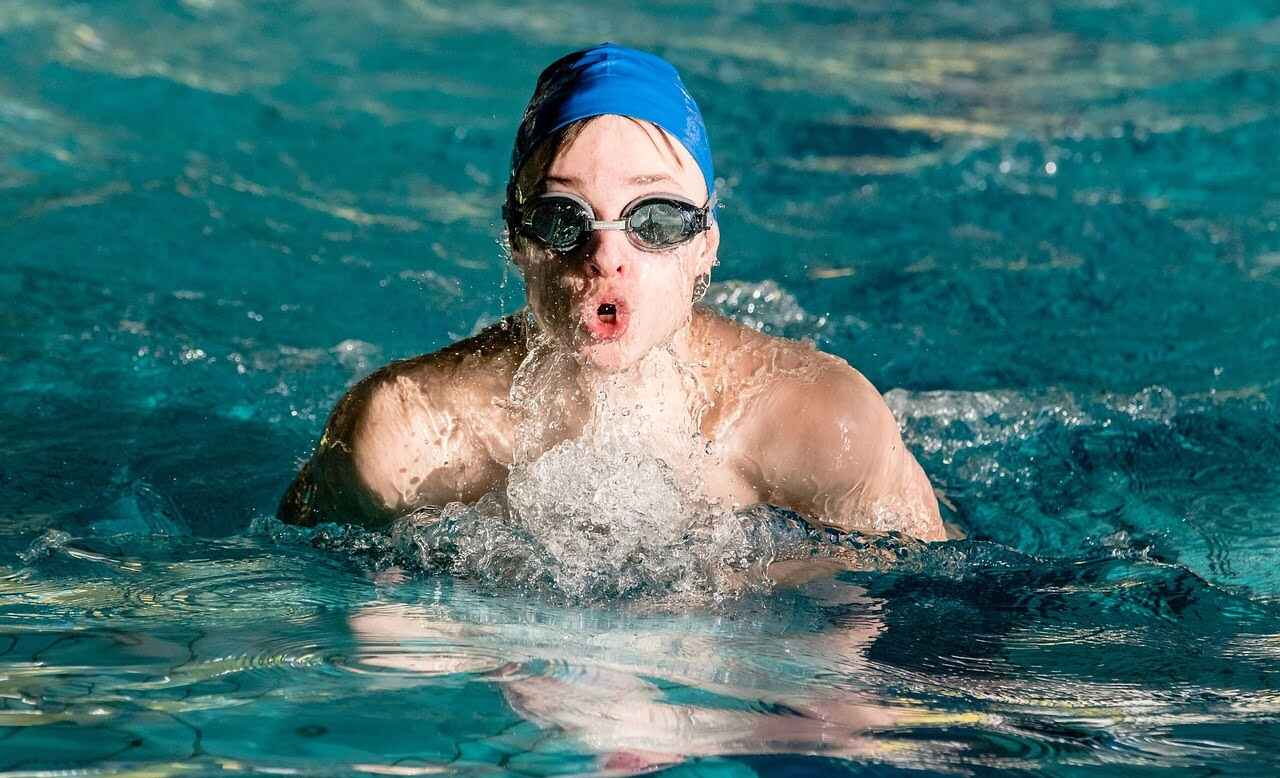
Swimming isn’t just for cardio or cooling off on a hot day. It’s one of the best full-body workouts you can do. Every stroke uses your muscles differently, making it a great option if you want strength, tone, and endurance without lifting heavy weights.
Many people think swimming is only for burning calories. But the truth is, it also builds lean muscle. Water provides natural resistance, which means your body has to work harder with every movement. It’s like lifting weights, but with less strain on your joints.
Let’s break down how swimming helps you tone up, the muscles it works, and how to make the most out of your time in the pool.
How Swimming Builds Muscle
Unlike most gym exercises that isolate one group at a time, swimming connects everything. Your upper and lower body work in sync to stay afloat and move forward. This balance helps you develop coordination and strength evenly, giving your body a lean and toned look over time.
Arms and Shoulders
Your arms and shoulders do most of the pulling in every stroke. Each time you reach and pull through the water, you’re using your biceps, triceps, and deltoids. These muscles control your reach, power, and rotation, especially in freestyle and butterfly strokes.
Legs and Glutes
Your legs drive your movement in the pool. Kicking keeps you balanced and moving forward, using your quadriceps, hamstrings, and calves. The constant kicking motion also strengthens your glutes, giving you better stability and endurance.
Core Muscles
Your core keeps your body aligned and steady in the water. Every kick and stroke depends on how strong your abs, obliques, and lower back are. A tight core helps you stay balanced, glide smoothly, and maintain good form even during long laps.
A strong core also supports your breathing and reduces fatigue. Swimmers rely on core control to rotate properly and keep their hips from sinking. It’s one of the main reasons swimming is known for building a flat, stable midsection.
Back and Chest
Your back and chest muscles play a big role in powerful strokes. The lats, traps, and pectorals all work together to pull you through the water. The backstroke, in particular, strengthens the upper back and improves flexibility around the spine.
Muscles Worked During Swimming
Each stroke focuses on different muscle groups:
- Freestyle (Front Crawl) – Strengthens your shoulders, triceps, chest, and core.
- Breaststroke – Works your chest, legs, and inner thighs.
- Backstroke – Engages your back, lats, and arms while improving posture.
- Butterfly – One of the hardest strokes; it targets your shoulders, abs, and glutes.
Swimming also challenges stabilising muscles. Even your small muscle fibres work to keep you balanced and aligned in the water. That’s why swimmers often have a balanced, toned physique.
Why Swimming Is a Unique Muscle Builder
Swimming uses both strength and endurance. The constant resistance from water is around 12–15 times greater than air. This makes even light movements effective for building muscle tone.
It also improves flexibility. Since every stroke stretches your body, it keeps your muscles long and lean instead of stiff. And because it’s low-impact, you can train often without risking injury.
If you’re wondering, is swimming cardio? Yes, it definitely is. But it’s more than that. It’s both aerobic and anaerobic, which means you build stamina while strengthening your body.
Tips To Build More Muscle While Swimming
If your goal is to tone and strengthen, here are a few practical ways to get results faster:
- Add resistance tools: Use paddles or fins to increase drag. This forces your muscles to work harder.
- Mix up strokes: Rotate between freestyle, breaststroke, and butterfly to challenge different areas.
- Try interval training: Swim fast laps followed by slow recovery laps. This builds endurance and power at once.
- Stay consistent: Three to four sessions per week is ideal for visible progress.
- Fuel properly: Eat enough protein to support muscle repair after swimming.
The Role of Recovery
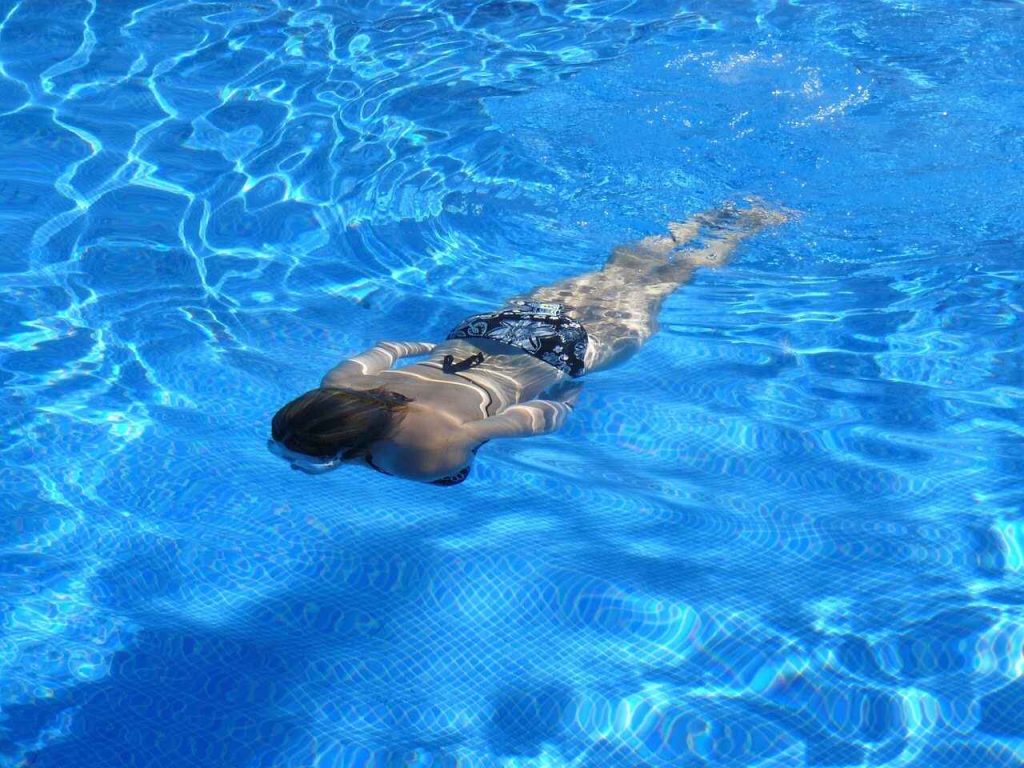
Your body needs rest to build muscle. Swimming can be part of active recovery days because it increases blood flow without overloading your joints. Many athletes swim for recovery after intense workouts or games.
To maximise benefits, include cool-down exercises after swimming. Light stretches or slow laps help reduce soreness and relax your muscles.
Safety and Smart Practice
If you’re swimming regularly, remember a few swimming safety tips:
- Always warm up before entering the pool.
- Don’t push too hard in your first few sessions.
- Stay hydrated even if you don’t feel thirsty in the water.
- Use the right lap swimming etiquette when sharing lanes.
- Wear goggles and a swim cap for protection and comfort.
Safe habits help you stay consistent, and consistency is what builds real results.
What to Expect Over Time
After a few weeks of regular swimming, you’ll feel stronger and more flexible. Your posture may improve because your back and shoulders become more balanced. Over months, your arms and legs will start looking more defined, especially if you combine swimming with strength or bodyweight workouts.
It’s also a great workout for your mind. The rhythm of breathing and strokes helps release stress, making it both a physical and mental reset.
Conclusion On Does Swimming Build Muscles
So yes, swimming truly helps build muscle and shape a toned body. It gives you lean strength, endurance, and flexibility while keeping your joints safe. You can start anytime, no matter your age or fitness level.
At SwimHub, we help you make the most of every swim session. Whether you’re a beginner learning proper strokes or aiming to improve technique, our certified coaches are here to guide you.
Visit our website or contact us to learn more about our programs.
Frequently Asked Questions About Does Swimming Build Muscles
Can Swimming Replace Weight Training?
Not fully, but it can complement it. Swimming builds lean muscle and endurance, while weights focus more on muscle size and strength.
How Often Should I Swim To Build Muscle?
Aim for three to four sessions per week. Consistency matters more than long hours in the pool.
What Should I Eat Before And After Swimming?
Before swimming, go for light carbs and some protein. After, eat a balanced meal to help your muscles recover and grow.
Is Swimming Enough To Tone The Whole Body?
Yes, swimming works nearly every muscle group. It tones your arms, legs, back, and core all at once.
Do I Need To Swim Fast To See Results?
Not necessarily. Good form, steady effort, and regular practice help you build strength even at a moderate pace.
