

If you have ever watched competitive swimmers, you probably noticed how quickly they turn at the wall before starting their next lap. This smooth motion is called the flip turn, and it is one of the most effective skills to learn in the pool. Mastering it can make your swimming feel more efficient, help you keep your momentum, and save valuable energy.
For beginners, the flip turn can feel intimidating at first. But with the right understanding, practice, and drills, it becomes a natural part of lap swimming. This guide will walk you through the basics of what a flip turn is, how to do it, common mistakes to avoid, and tips to help you practice with confidence.
Understanding the Flip Turn
The flip turn is a quick underwater manoeuvre that allows you to change direction at the pool wall without stopping. It combines speed, rotation, and a strong push-off to keep your laps flowing smoothly. Swimmers use it primarily in freestyle and backstroke, where turns are frequent.
Learning the flip turn is not just for competitive athletes. Even if you swim for fitness, this technique can improve rhythm, give you better endurance, and make your time in the water more enjoyable.
When you approach the wall during a lap, you tuck your head and roll forward into a somersault. At the end of the roll, your feet land on the wall, ready to push off. From there, you glide in a streamlined position before resuming your stroke. It may sound complicated, but with practice, it becomes a fluid, almost automatic movement.
Many beginners hesitate because they worry about dizziness or losing control while flipping. That is normal at first. With repetition and short swimming drills, the body adapts quickly, and soon the flip turn will feel like second nature.
Step-by-Step Guide to Doing a Flip Turn
Breaking the flip turn into smaller steps makes it easier to learn. Here’s a step-by-step guide:
1. Approach the Wall
When you swim toward the wall, it is important to keep a steady pace. Do not slow down too early or you will lose momentum for the turn. Focus on your last few strokes and try to judge the distance with your eyes. Ideally, you should be about one arm’s length from the wall when you begin the flip.
A good way to practice this is to count your strokes during lap swimming. Knowing how many strokes it usually takes to reach the wall helps you stay consistent. With time, you will develop a natural feel for when to start your flip.
2. Tuck and Flip
Once you are close to the wall, tuck your chin toward your chest and pull your knees in. This starts the forward roll. Keep your arms close to your sides so your body stays compact. The tighter you tuck, the faster and smoother your rotation will be.
Use your core muscles to control the movement instead of relying only on momentum. Aim to complete the roll quickly so your feet can land firmly on the wall. Practising somersaults in the pool helps make this part feel easier.
3. Push Off
After your feet touch the wall, bend your knees and prepare to push. Place your feet shoulder-width apart with your toes pointing upward. This position gives you a strong base for the push. Keep your heels slightly lower than your toes for better grip.
Push forcefully with both legs at the same time. Think of it like jumping off the ground, but underwater. The stronger your push, the farther and faster you will glide before starting your strokes again.
4. Streamline Position
As soon as you push off, bring your arms straight above your head. Press your biceps close to your ears and place one hand over the other. Point your toes and keep your body straight from head to feet. This tight position reduces drag and lets you move smoothly through the water.
Stay in the streamline for a short glide before you begin kicking. The goal is to use the momentum from your push to carry you forward. Practising streamlining on their own is one of the best swimming drills for better turns.
5. Resuming Stroke
When your glide starts to slow, add a few strong kicks to keep up speed. Then rotate your body into the proper position for your next stroke. For freestyle, roll onto your stomach and begin your arm pull. For backstroke, stay on your back and start your arms from a streamline.
The key is to make the transition smooth. Avoid lifting your head or pausing, as that breaks your rhythm. With practice, you will connect the flip, push, streamline, and stroke into one flowing movement.
Common Mistakes to Avoid
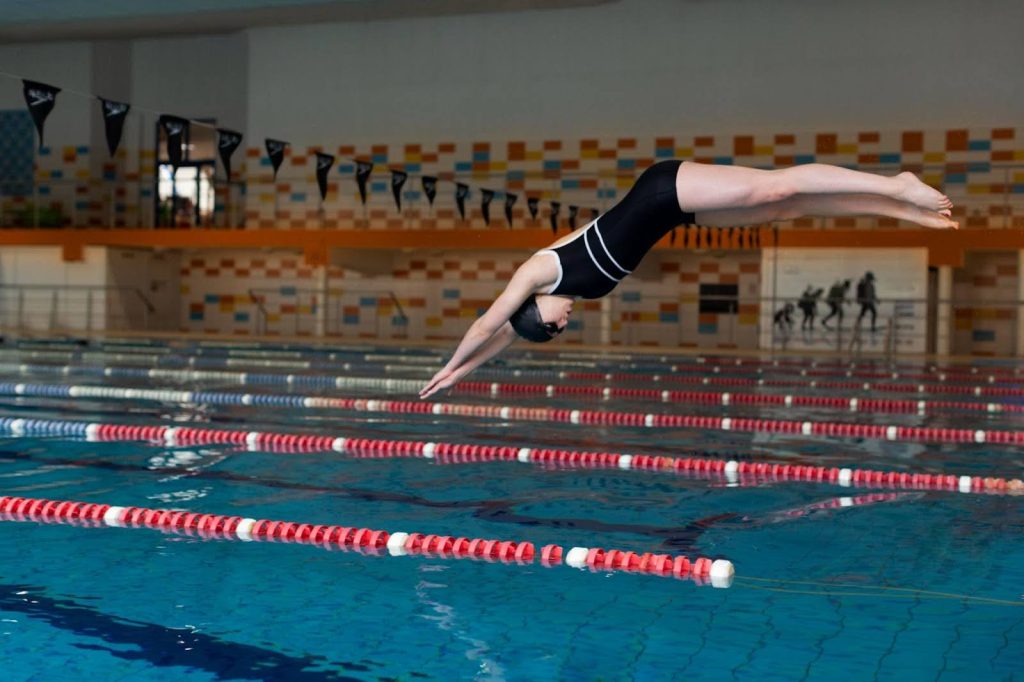
Every beginner makes mistakes when first attempting the flip turn. Knowing what to watch out for will help you correct problems early and improve faster.
- Flipping too far from the wall: Starting your tuck too early leaves your feet short of the wall, making it hard to push off strongly.
- Not tucking enough: A loose or wide tuck slows the rotation and makes the turn clumsy. Keep it compact and controlled.
- Weak push-off: Without a strong leg drive, you lose momentum and waste energy starting the next lap.
- Breaking streamline too soon: Lifting your head or separating your arms early increases drag and slows your glide.
- Holding your breath poorly: Forgetting to exhale during the flip can leave you short of air. Time your breathing so you feel comfortable.
Drills to Improve Your Flip Turn
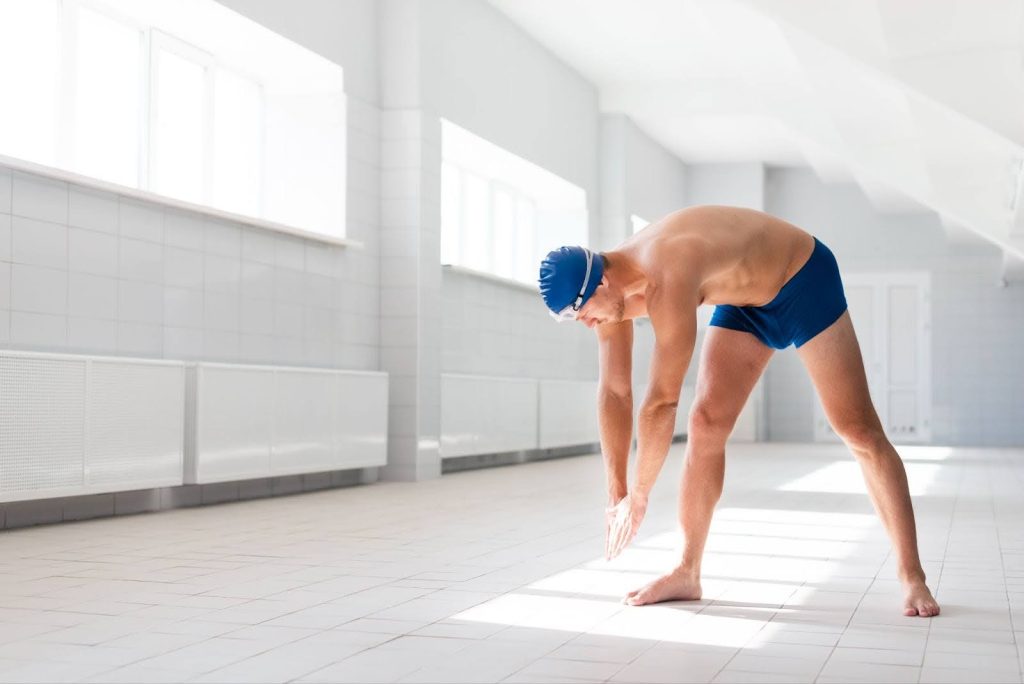
Drills help you practice key parts of the flip turn without worrying about the full sequence. They build confidence and reinforce proper technique.
Somersault Practice
Start by practising forward rolls in the middle of the pool. Push off the bottom, tuck your chin, and roll forward. This helps you get used to the motion of flipping without the pressure of the wall. Doing this repeatedly also reduces dizziness and builds comfort underwater.
Once you feel confident, practice rolling closer to the wall. The goal is to control your body rotation and land your feet squarely on the surface. These simple drills make the transition to real flip turns much easier.
Streamline Push-Offs
Another useful drill is practising push-offs without the flip. Stand against the wall, push off in a tight streamline, and glide underwater before surfacing. Focus on keeping your body straight and your head between your arms.
This drill strengthens your push-off and makes your glide more efficient. When you combine it with the flip later, you will have a smoother and faster transition into your strokes.
Tips for Beginners
Like any swimming skill, the flip turn takes time to master. Beginners should focus on patience and consistency rather than perfection from the start. Here are some helpful tips to guide your practice.
- Start slow: Break down the flip turn into smaller steps, practising each one before combining them.
- Use goggles and markers: Clear vision helps you judge your distance to the wall more accurately.
- Practice breathing rhythm: Good breathing patterns, like exhaling before the flip, prevent discomfort and keep you relaxed.
- Incorporate drills into practice: Mix short drill sessions with normal laps to build comfort gradually.
- Follow swimming safety tips: Always practice in a safe environment, ideally with supervision if you are new to deeper water.
Conclusion on the Flip Turn in Swimming
The flip turn may feel challenging at first, but with practice, it becomes a smooth and natural part of swimming. It improves efficiency, keeps your rhythm, and makes lap swimming more enjoyable. Combining drills, patience, and attention to detail will help you progress faster.
At Swimhub, I have seen how small improvements like mastering the flip turn can transform a swimmer’s confidence. If you want guidance on techniques, classes, or advice on swimming essentials, get in touch with us at Swimhub.
Contact us today and let us help you enjoy your time in the water with more skill and confidence.
Frequently Asked Questions About the Flip Turn in Swimming
Is The Flip Turn Only For Competitive Swimmers?
No, it is helpful for anyone who does regular lap swimming. It makes workouts smoother and more efficient.
How Can I Practice The Flip Turn Without Feeling Dizzy?
Start with small somersault drills in the middle of the pool and build comfort slowly before adding the wall.
Do I Need To Know How To Float Before Learning Flip Turns?
Yes, being comfortable with floating makes it easier to relax during flips and regain control quickly.
How Long Does It Take To Master The Flip Turn?
It depends on practice frequency. With consistent training, most swimmers get comfortable within a few weeks.
Should I Practice Flip Turns In Every Swim Session?
Yes, try to add a few into your workouts. Like other swimming drills, regular repetition helps build muscle memory.
