

Being a swim coach is one of those roles that goes far beyond just teaching strokes. You’re part motivator, part mentor, and part strategist. Whether you’re working with beginners or advanced competitors, your training sessions can make all the difference in how your swimmers progress.
But here’s the catch… planning and running effective sessions isn’t always easy. Sometimes it can feel like you’re repeating the same drills over and over, or you notice that motivation is slipping. That’s where a fresh look at your approach can help.
Let’s walk through some practical tips that can help you take your coaching to the next level. These ideas aren’t about reinventing the wheel. They’re about making small adjustments that build stronger swimmers, happier athletes, and smoother sessions for you.
1. Plan with Purpose
A good training session doesn’t just happen. It starts with a plan. Think of each session as part of a bigger picture. What is today’s focus? Is it endurance, sprint work, or technique refinement? If you plan with purpose, you’ll avoid wasting time and your swimmers will know exactly what they’re aiming for.
Try to balance the week with different components… aerobic conditioning, skill drills, starts and turns, and mental resilience. For younger groups, keep the sessions lighter but structured. For older athletes, challenge them with sets that push their limits while still connecting back to their long-term goals.
Even the simplest plan is better than winging it. Swimmers can sense when a session has direction, and they’ll respond better to a coach who clearly knows the path forward.
2. Technique First, Speed Later
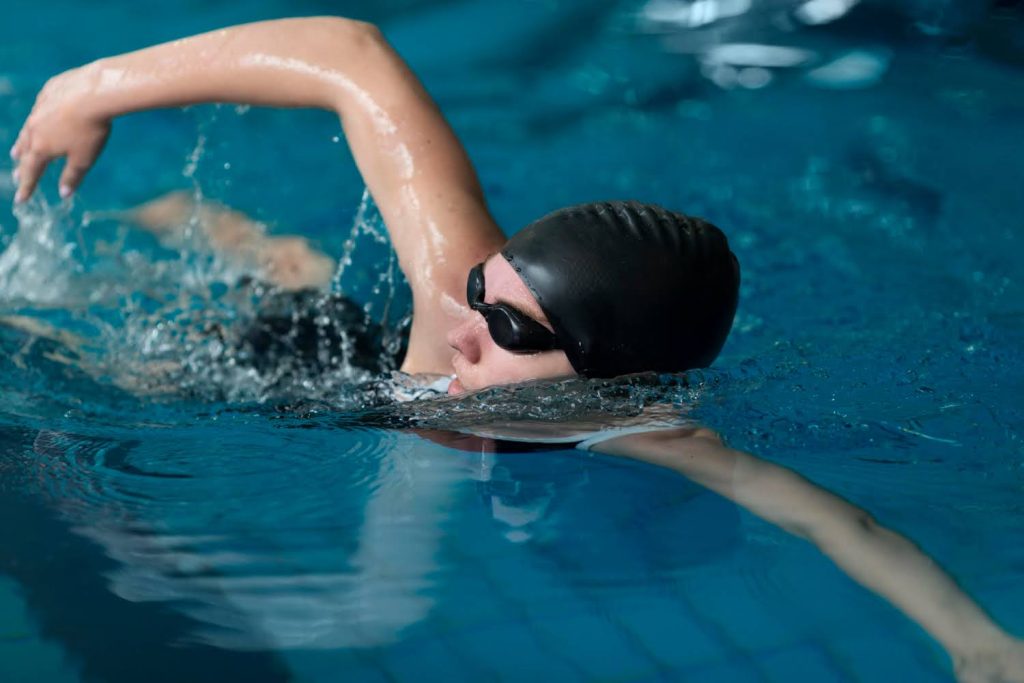
There’s an old saying in swimming: speed is nothing without technique. You can have the strongest swimmer in the pool, but if their body position is off or their strokes are inefficient, they’ll struggle to reach their full potential.
Spend time on fundamentals like streamlining, breathing control, and turns. Don’t rush this stage, especially with younger swimmers. For instance, gliding in swimming teaches control and efficiency, setting the foundation for stronger strokes later on.
Encourage drills that isolate parts of the stroke. Kicking sets, sculling, or using a snorkel can all help swimmers focus on form. Once the basics are solid, then you can add the challenge of speed. It’s a bit like building a house… you wouldn’t start decorating before laying the foundation.
3. Communicate Clearly
Your words carry a lot of weight. Swimmers look to you for guidance, so the way you deliver feedback matters. Keep your instructions simple and easy to understand. Instead of overloading them with corrections, focus on one or two things at a time.
Use positive reinforcement wherever possible. Highlight what they’re doing well before addressing what needs work. That way, your swimmers stay motivated and don’t feel like they’re constantly being criticised.
Non-verbal communication is just as important. A nod, a thumbs-up, or even the way you stand on deck can show encouragement. And remember, listening is just as valuable as speaking. Giving athletes space to share their thoughts helps build trust and mutual respect.
4. Add Variety to Keep It Fresh
Repetition is necessary in swimming, but monotony can drain motivation. Keep things engaging by mixing up your sets. Include fun relays, challenge swims, or games that still teach key skills. Variety prevents boredom and keeps your swimmers excited to turn up for training.
Incorporate equipment like fins, paddles, and kickboards to change the feel of the water and work different muscle groups. For example, working on the dolphin kick with fins not only strengthens the core but also makes swimmers more aware of how their body moves under the surface.
Even small tweaks, like switching from individual drills to team challenges, can bring energy back into a session. Swimmers should leave the pool feeling like they’ve been pushed but also enjoyed the process.
5. Track Progress and Set Goals
One of the most effective ways to improve training sessions is to measure progress. Use time trials, stroke counts, or training logs to track development. Numbers don’t lie, and swimmers often feel more motivated when they can see their improvements in black and white.
Set both short-term and long-term goals with your athletes. A short-term goal might be improving their 100-metre freestyle by a second. A long-term goal could be achieving a certain qualifying time. When swimmers know what they’re aiming for, they’re more likely to stay focused and committed.
And don’t forget to celebrate milestones. Even small achievements deserve recognition. A simple “well done” can go a long way in keeping morale high.
6. Build Motivation and Team Spirit
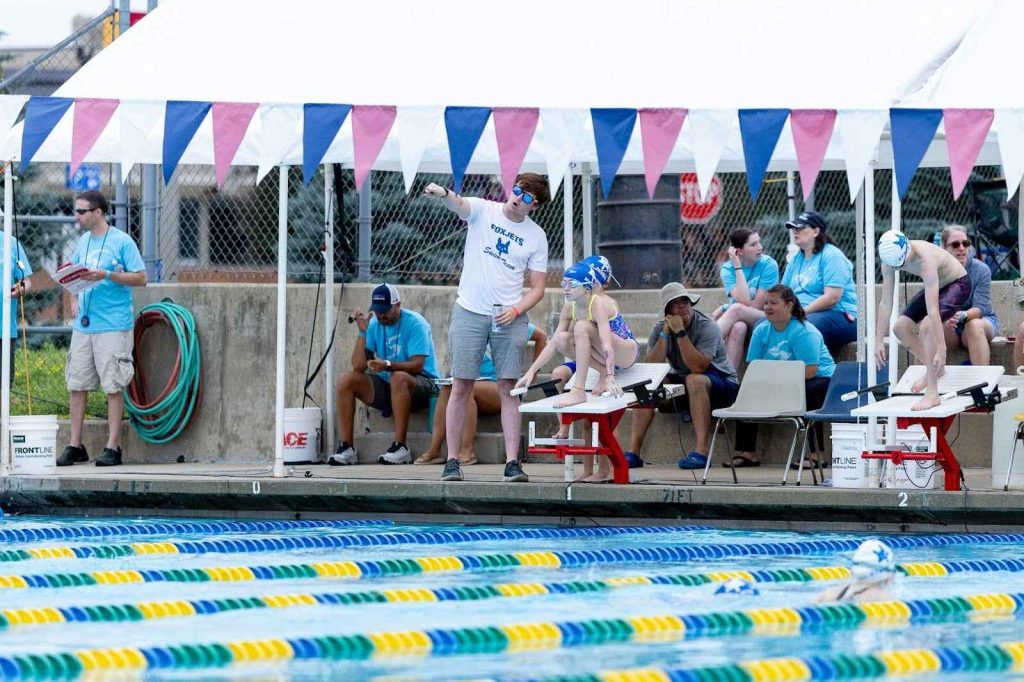
Coaching isn’t just about strokes and turns. It’s about building confidence and fostering a sense of belonging. Swimmers train best when they feel supported. Create an environment where every athlete feels valued, no matter their level.
Team activities, group challenges, and positive reinforcement all play a role. Encourage swimmers to cheer each other on during sets. Recognise effort as much as results. By building a culture of encouragement, you help swimmers push through tough sessions and enjoy the journey.
Remember, some athletes may be hesitant or even considering whether to stop swimming lessons. A supportive atmosphere could be the difference between them giving up or finding a renewed passion for the sport.
7. Respect Rest and Recovery
It’s tempting to think that more training equals better results, but that’s not always the case. Rest is part of training. Without it, swimmers risk burnout and injury.
Teach your athletes the importance of warm-ups, cooldowns, and stretching. Incorporate light recovery sessions where the focus is on mobility and easy swimming. Make sure your training schedule allows for rest days so the body has time to adapt and strengthen.
Overtraining can be as harmful as undertraining. By respecting recovery, you’re not only protecting your swimmers but also setting them up for long-term success.
8. Keep Learning as a Coach
The best coaches never stop learning. Attend workshops, read coaching materials, and talk with other professionals. Swimming is constantly evolving, and staying updated keeps your sessions fresh and relevant.
Sometimes inspiration can even come from unexpected places. Watching how toddler swimming lessons in Singapore are structured might give you new ideas for teaching fundamentals to beginners. Observing a lifeguard’s approach to water safety might remind you of small but essential skills to reinforce with your athletes.
Don’t be afraid to adapt and experiment. What works for one group might not work for another. Your willingness to learn and adjust will make you a stronger coach.
Conclusion on Tips for Swim Coaches
Improving your training sessions as a swim coach isn’t about perfection, it’s about progress. Every small adjustment, whether it’s focusing more on technique, adding variety, or listening more closely to your swimmers, makes a big difference over time. The role of a coach goes beyond just teaching strokes… you’re building confidence, teamwork, and lifelong skills that reach far outside the pool.
If you’re looking for resources, gear, or inspiration to take your coaching to the next level, Swimhub is a great place to start.
Contact us today to explore quality swimming equipment, training aids, and more to support your swimmers’ growth and success.
Frequently Asked Questions About Tips for Swim Coaches
How can swim coaches keep training sessions engaging?
By adding variety. Mixing drills, games, relays, and equipment like fins or paddles helps prevent boredom and keeps swimmers motivated.
What’s the most important skill for a swim coach to teach?
Technique always comes first. Proper body position, stroke mechanics, and efficient breathing are the foundation for speed and endurance.
How often should progress be tracked in swimming?
Coaches should track progress regularly, ideally every few weeks. Time trials, stroke counts, or training logs give clear feedback for both coach and swimmer.
What can coaches do when swimmers lose motivation?
Encourage short-term goals, celebrate small wins, and build a supportive team culture. Sometimes, even a change in training style can reignite interest.
How do coaches balance hard training with recovery?
By scheduling rest days, including light recovery swims, and ensuring proper warm-ups and cooldowns. Recovery is essential for long-term improvement.
