
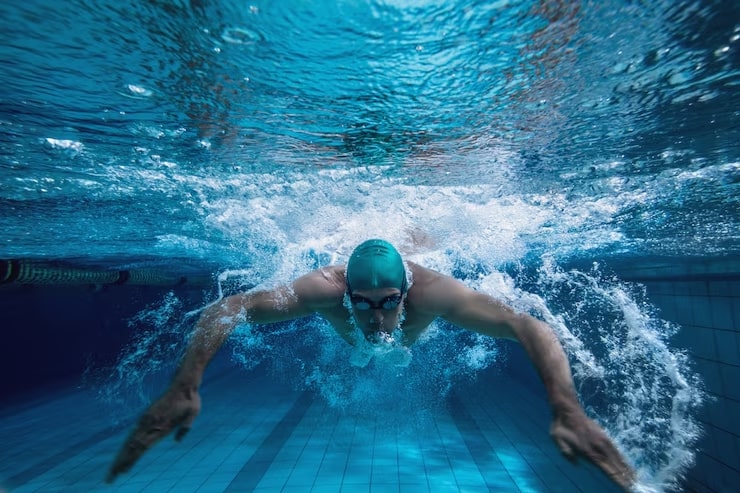
Swimming has always been more than a sport. It’s a life skill, a form of therapy, a way to stay fit, and for many, a source of calm and joy. But have you ever stopped to think about how people learned to swim the way we do today? Why do we have specific strokes, like freestyle or butterfly?
Understanding the history of swimming strokes helps you see how far this simple yet powerful activity has come. Whether you’re just learning to swim or looking to refine your technique, a little history can add appreciation to every lap you take.
What Are Swimming Strokes?
Swimming strokes are specific movements used to propel oneself through water. Each stroke has a unique pattern of arm and leg movement, breathing rhythm, and body position. Some are designed for speed, others for endurance or even lifesaving purposes.
They form the foundation of swimming technique and are used in both recreational and competitive swimming. Knowing different strokes not only helps you move more efficiently in water but also makes swimming safer and more enjoyable.
Benefits of Learning Swimming Strokes
- Improves Full-Body Strength: Each stroke works different muscle groups, helping you build strength in your arms, legs, back, and core.
- Boosts Cardiovascular Health: Swimming increases your heart rate and lung capacity, making it great for overall fitness.
- Enhances Water Safety: Learning multiple strokes helps you become more versatile and confident in the water.
- Burns Calories Efficiently: Swimming strokes like freestyle and butterfly can burn a high number of calories in a short time.
- Supports Joint Health: Being low-impact, swimming is gentle on the joints while still providing a full-body workout.
History of Swimming Strokes
Swimming dates back thousands of years. From cave drawings in ancient Egypt to competitive pools today, swimming strokes have continuously evolved. The earliest techniques focused on survival, while modern strokes are built for speed, style, and sport.
Let’s take a closer look at how each of the major swimming strokes developed over time.
1. Breaststroke
One of the oldest swimming strokes, breaststroke, dates back to the Stone Age. A 7,000-year-old cave painting in Egypt shows figures using a motion that looks very much like breaststroke. It was the first stroke used in early swimming competitions in Europe during the 19th century. Though it’s slower than other strokes, breaststroke remains popular for its smooth rhythm and ease of learning.
2. Sidestroke
Developed in the 1800s, sidestroke was once a competitive stroke. It features an asymmetrical movement where the swimmer lies on one side, using a scissor kick and alternating arms. It’s no longer used in competition but is still taught in lifesaving courses because it conserves energy and allows one arm to be free, ideal for rescuing someone.
3. Freestyle
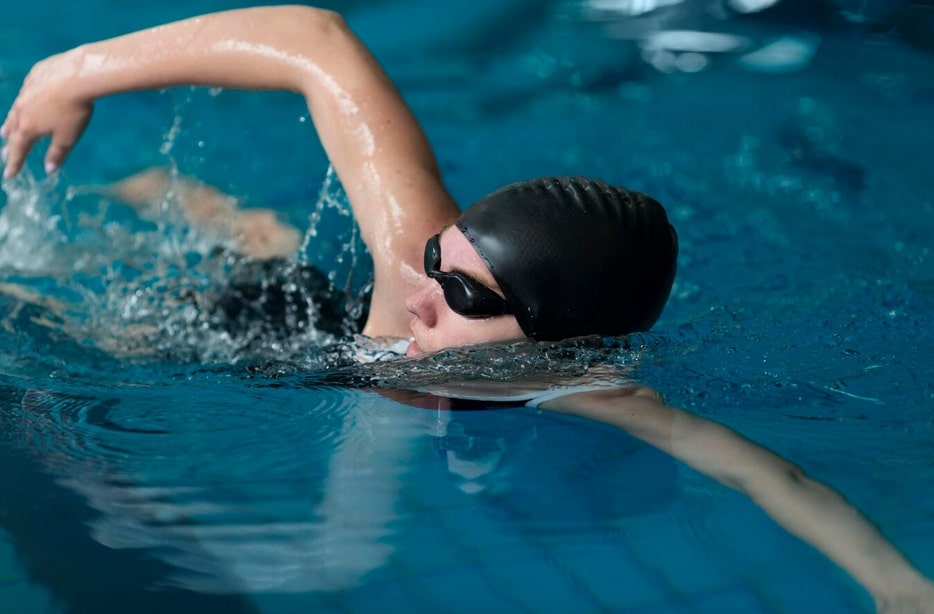
Freestyle, often called front crawl, became popular in the late 1800s after being observed in Native American and South Pacific swimmers. British swimmers originally resisted it because of the splash it created, preferring breaststroke and sidestroke. However, its speed and efficiency won out. By the early 20th century, freestyle had become the dominant stroke in competitive swimming.
4. Backstroke

Backstroke was introduced to competitive swimming in the early 1900s. It shares similarities with freestyle but is done on the back, using an alternating arm motion and flutter kick. It became an Olympic event in 1900 for men and in 1924 for women. One of its key benefits is allowing the swimmer to breathe freely throughout the race.
5. Butterfly
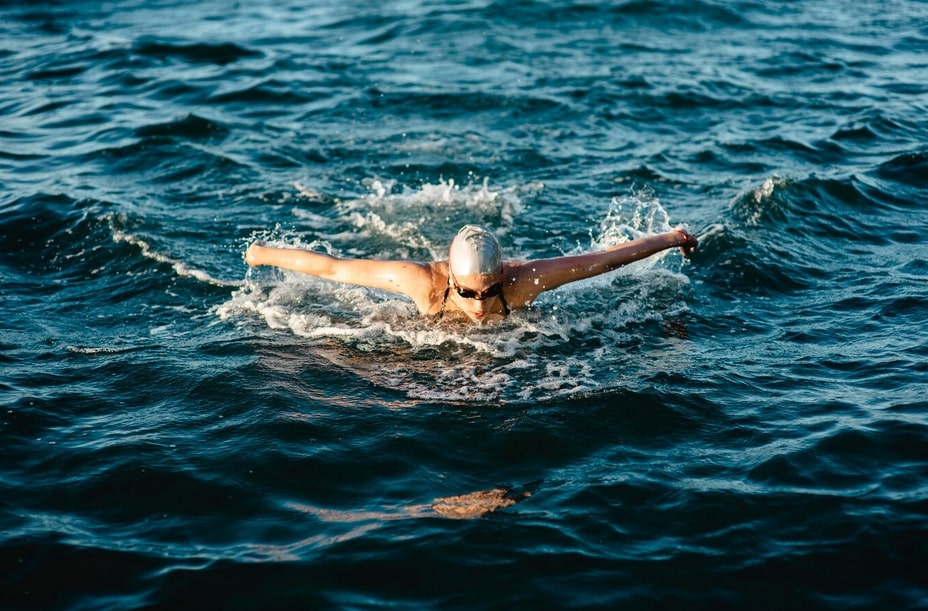
Butterfly evolved from breaststroke in the 1930s. Swimmers began using an over-the-water arm recovery to go faster, which led to the development of a new stroke. Paired with a dolphin-style kick, the butterfly became its own official stroke in 1953. It’s known for being powerful but physically demanding, requiring strong coordination.
6. Trudgen Stroke
This stroke was developed by John Arthur Trudgen in the 1870s and was a precursor to modern freestyle. Trudgen borrowed the overhand arm action from South American swimmers but kept a scissors kick similar to sidestroke. Though it’s no longer in use today, the trudgen played an important role in the evolution of freestyle swimming.
7. Elementary Backstroke
A beginner-friendly stroke, elementary backstroke combines a simple frog kick with arm sweeps along the side. It’s slow but very relaxing and is often taught in early swim lessons for its natural rhythm and ease of movement. While not a competitive stroke, it remains useful for recreational swimmers and lifesaving situations.
Tips for Learning Swimming Strokes
If you’re new or learning to swim as an adult or looking to improve your stroke, learning properly can make all the difference. Whether you prefer a calm pace or want to train for competition, here are some useful tips.
- Start with the Basics: Focus on mastering one stroke at a time. Breaststroke and backstroke are usually the easiest for beginners to pick up.
- Take Professional Lessons: A certified swim coach can correct your form, build your confidence, and help you learn safely.
- Use Swim Aids When Needed: Kickboards, pull buoys, and fins can support your training and help you isolate movements as you learn.
- Practice Breathing Techniques: Breathing is a core part of every stroke. Practising rhythmic breathing can reduce fatigue and improve your endurance.
Conclusion on the History of Swimming Strokes
Swimming strokes have a rich history, evolving from simple survival methods to refined techniques used in international competition. From the ancient breaststroke to the modern butterfly, each stroke has a unique story and purpose.
At SwimHub, we believe in making swimming lessons in Singapore accessible, safe, and enjoyable for all. Whether you’re just starting or looking to refine your technique, our experienced coaches are here to guide you through every step. Join our community and let us help you swim with confidence.
Book your session today!
Frequently Asked Questions About the History of Swimming Strokes
When Was Swimming First Practised?
Swimming has been practised for over 7,000 years. Cave drawings from ancient Egypt show early forms of swimming, and ancient Greek and Roman texts also mention it.
What Is the Easiest Stroke to Learn?
Breaststroke is often considered the easiest for beginners. It allows swimmers to keep their heads above water and has a simple, natural movement pattern.
Why Was Butterfly Created?
Butterfly developed as a faster alternative to breaststroke. It was officially recognised as a separate stroke in the 1950s due to its unique arm and leg coordination.
Can I Learn Multiple Strokes at Once?
It’s best to focus on one stroke at a time to build proper form. Once you’re comfortable, you can add more strokes to your repertoire for variety and cross-training.
What’s the Most Energy-Efficient Stroke?
Sidestroke and elementary backstroke are among the most energy-efficient. They’re ideal for long-distance swimming and lifesaving situations due to their low energy demands.
