
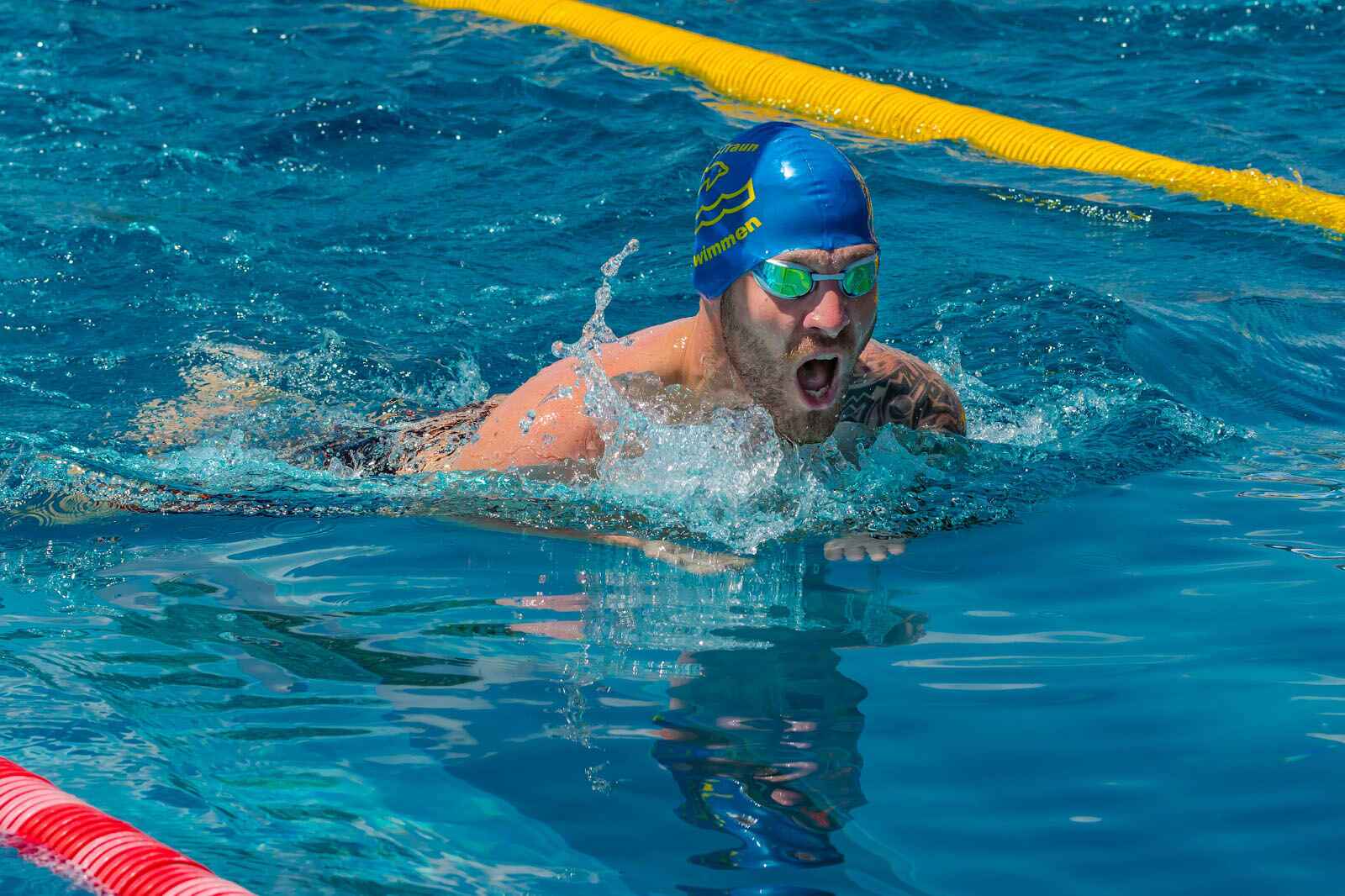
Swimming is one of the best full-body workouts out there. It builds strength, burns calories, and improves your heart and lung health- all while being gentle on your joints. But to enjoy long swim sessions or train for races, you need one thing: stamina.
If you get tired quickly in the pool, don’t worry. Building endurance doesn’t happen overnight, but with the right steps, you’ll be swimming longer and feeling stronger in no time.
Here’s a beginner-friendly guide to help you increase your swimming stamina, one lap at a time.
1. Start With A Solid Fitness Base
Before you focus on swimming longer in the water, it helps to build overall fitness outside the pool. Activities like jogging, cycling, brisk walking, or even dancing can improve your cardiovascular health and make your heart and lungs stronger.
These exercises build endurance, which is exactly what you need to swim without tiring too quickly. If you’re completely new, try starting with 20 minutes of moderate cardio three times a week and work your way up from there.
Don’t forget about strength training either. Strong muscles help you push through the water more efficiently. You don’t need to lift heavy weights- bodyweight exercises like squats, lunges, push-ups, and planks are a great start. Aim to work on your core, legs, and shoulders, since these are key muscle groups for swimming. Try 2 strength workouts per week alongside your swimming sessions to build a balanced fitness base.
2. Build Up Slowly In The Pool
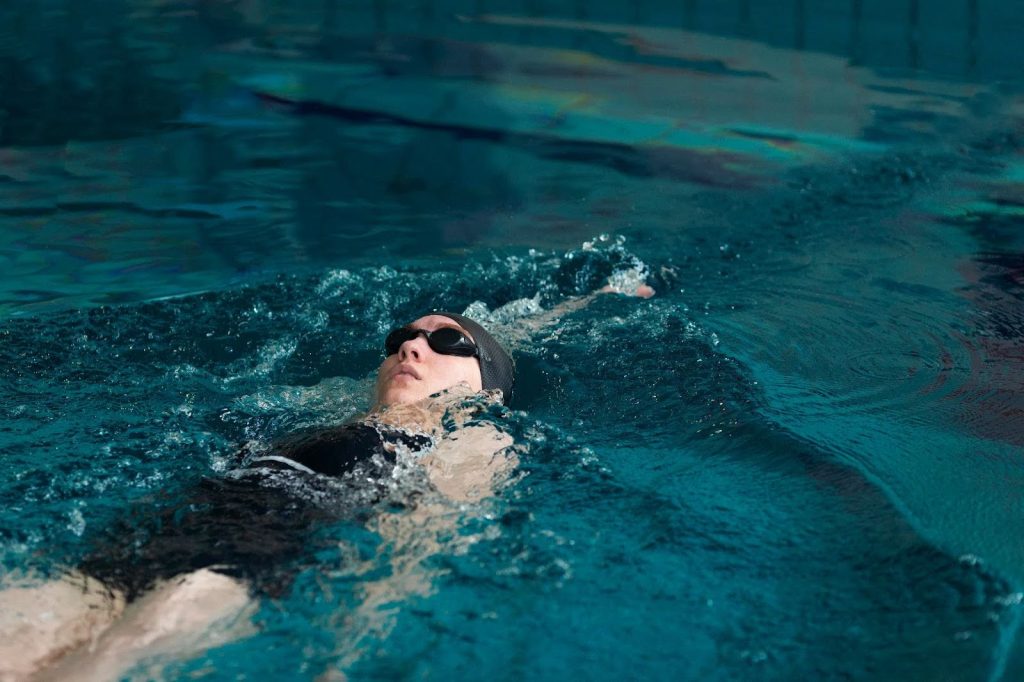
After doing your warm-up exercises before swimming, trying to swim non-stop for 30 minutes right away can leave you discouraged, especially if you’re just starting. Instead, break your swim into shorter, manageable sets.
For example, swim 4 laps, rest for 30 seconds, then repeat. This method helps your body gradually adjust to swimming longer without feeling overwhelmed. Over time, you can reduce the rest time or increase the number of laps.
Track your progress and make small adjustments each week. A good rule is to add either 5 minutes or 100–200 meters to your total swim distance every week. That way, your body has time to adapt and improve without too much stress. Be patient with yourself- endurance builds over time, not overnight.
Tip: Start with a swim workout like 4 x 50 meters with 30 seconds rest. The next week, try 5 x 50 meters or 4 x 75 meters.
3. Try Swim Drills That Boost Endurance
Swim drills are not just for improving your technique; they can also be great for building stamina. Interval training is one of the best ways to improve endurance. This means doing repeated swim sets with short rest periods in between.
You can also try drills like “negative splits,” where you swim the second half of your distance faster than the first. This teaches you to pace yourself and finish strong. Mix up your strokes too- doing backstroke or breaststroke in between freestyle sets gives some muscles a break while keeping your heart rate up. Variety keeps workouts interesting and helps you stay consistent.
4. Focus On Breathing Techniques
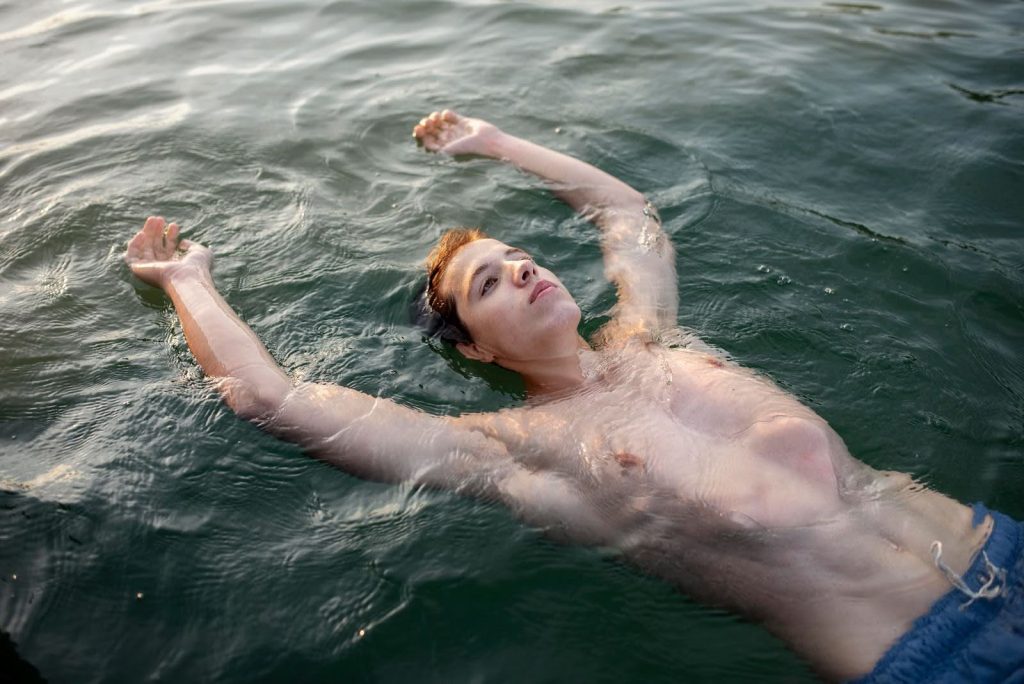
Good breathing techniques can make or break your swimming stamina. Many new swimmers hold their breath or breathe too late, which can cause panic or fatigue. Instead, aim for rhythmic breathing- inhale smoothly when your head turns and exhale fully underwater. This keeps oxygen flowing and helps you stay calm during longer swims.
Practice bilateral breathing (breathing on both sides) or experiment with patterns like every 3 or 5 strokes. At first, this might feel tricky, but it helps you find a rhythm and keeps your technique balanced. You can also do breathing drills, like swimming 25 meters while breathing every 5 strokes, to build lung control and confidence in the water.
5. Don’t Ignore Nutrition And Hydration
Eating right gives you the energy to swim longer and recover faster. Before your swim, eat a light snack 1–2 hours in advance. Something with carbs and a little protein works best- like a banana with peanut butter, yogurt with fruit, or a small granola bar. Avoid heavy meals that can make you feel sluggish in the water.
Hydration is just as important, even though you might not feel thirsty while swimming. You still sweat and lose fluids, especially during long workouts. Keep a water bottle poolside and take sips during your rest breaks.
After your swim, have a small recovery snack to refuel your muscles and keep your energy up for the rest of the day.
6. Rest And Recovery
One of the most overlooked parts of building stamina is recovery swimming. Your muscles need time to repair and grow stronger after a workout, and that’s exactly what happens when you rest. If you swim every day without rest, you might feel tired, sore, or even lose motivation. Aim for at least one full rest day per week, especially if you’re doing other workouts too.
Sleep is another big part of recovery. Most adults need 7 to 9 hours of sleep each night, and athletes sometimes need even more. Without good sleep, your energy levels drop, and your progress can slow down. Don’t feel guilty about taking time to rest; it’s an important part of getting better.
Why Stamina Matters In Swimming
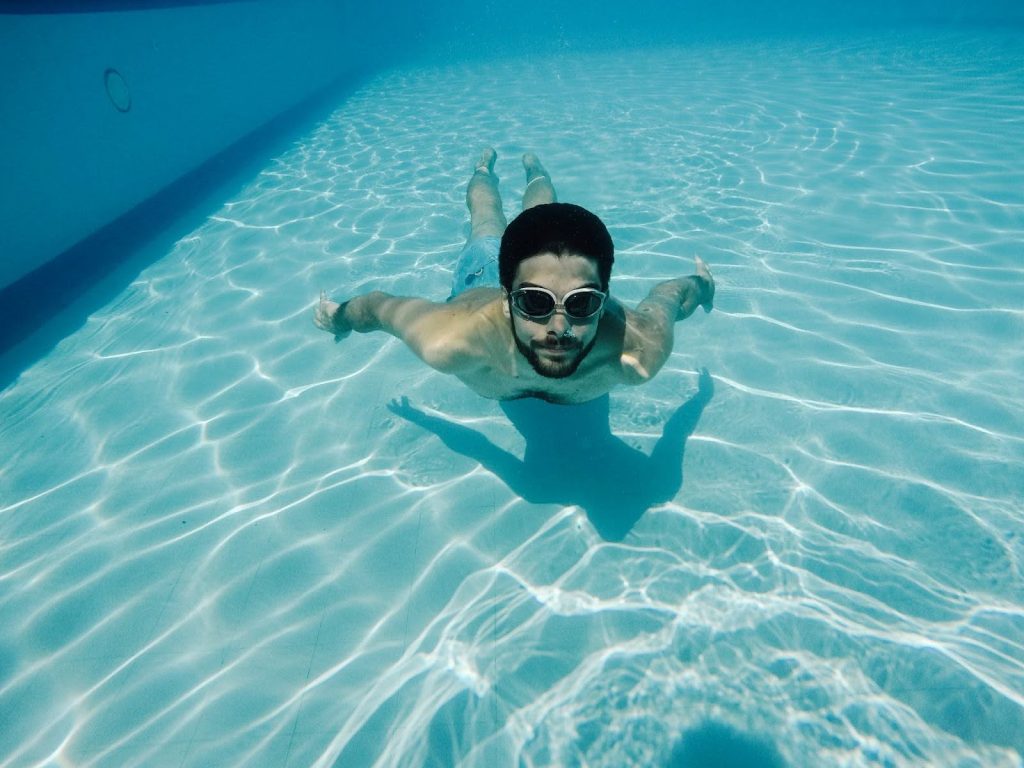
Stamina is what lets you keep swimming when others get tired. It helps you finish long workouts, swim more efficiently, and recover faster after tough sets. Whether you’re training for a race or just swimming for fitness, endurance is the foundation.
Strong stamina also helps improve your technique because you’re not rushing or struggling. With better stamina, you can focus on swimming smarter, not just harder.
Conclusion on How to Increase Stamina for Swimming
Building swim stamina takes patience, but it’s doable with the right approach. Start with general fitness, add in structured pool time, use smart drills, and take care of your body outside the water too. Remember, it’s okay to start slow- just keep showing up.
Before you know it, you’ll be swimming longer, feeling stronger, and enjoying every lap.
Ready to take your swimming to the next level? Visit Swimhub for helpful tips, training resources, and info on swimming lessons in Singapore. Whether you’re a beginner or looking to improve your endurance, Swimhub is here to support your swim journey every step of the way.
Frequently Asked Questions About Increasing Stamina for Swimming
How often should I swim to build stamina?
Aim for 3–4 sessions per week. Consistency is more important than swimming every single day.
Can beginners build stamina quickly?
Yes! Even new swimmers can see improvement within a few weeks by starting slow and being consistent.
How long does it take to swim without stopping?
It depends on your starting point, but with regular training, many beginners can swim nonstop for 15–30 minutes within 4–6 weeks.
Should I swim slowly or fast to build endurance?
Both! Start with slow, steady swims to build your base, then add interval sets to challenge your body and improve over time.
