
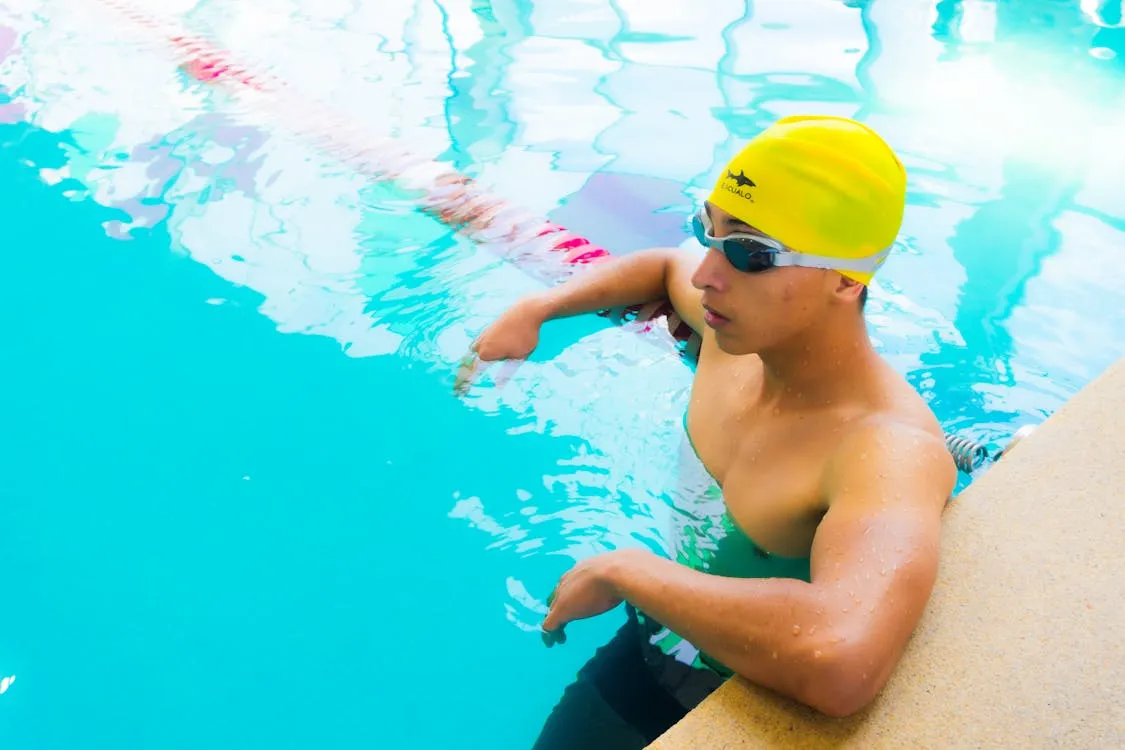
A vigorous pool session burns a massive number of calories in a remarkably short amount of time. This intense energy expenditure often leaves individuals feeling absolutely ravenous the moment they step out of the water.
The science behind why swimming makes you hungry helps individuals manage their post-workout appetite effectively. This knowledge prevents overeating and supports long-term fitness goals.
The following sections reveal the physiological triggers behind this intense appetite. Readers will also learn practical dietary strategies to fuel the body properly after a challenging swim.
1. The Cold Water Temperature Dip Saps Body Heat
Cold water rapidly pulls heat away from the body during a swim. The body then burns extra calories simply to maintain a normal core temperature. This dual energy drain explains why swimming makes you so hungry compared to land exercises.
2. Full-Body Resistance Burns Massive Calories
Water provides continuous resistance against every movement the body makes. Swimmers engage their arms, legs, and core simultaneously to propel themselves forward. This total muscle activation requires significant energy and quickly depletes calorie reserves.
3. High-Intensity Intervals Exhaust Energy Stores
Sprint laps and vigorous drills drain glycogen levels rapidly. The body demands immediate nutrient replenishment to recover from these intense bursts of speed. This sudden drop in energy stores triggers strong hunger signals in the brain.
4. Water Buoyancy Masks The Feeling Of Sweating And Thirst
The cool pool environment prevents swimmers from noticing their own sweat. Individuals often forget to hydrate because they do not feel overheated. Dehydration easily masquerades as hunger, prompting people to eat when they actually need water.
5. Blood Flow Shifts Trigger Digestive Cues
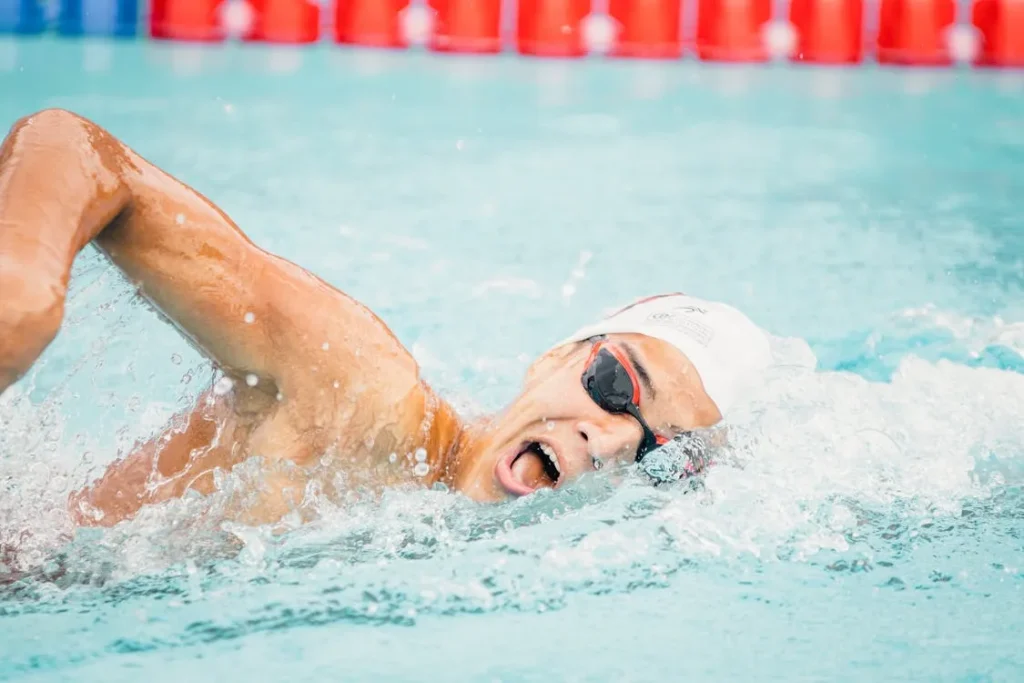
Blood rushes away from the stomach and into the muscles during intense physical activity. The circulation returns to the digestive system once the workout concludes. This sudden return of blood flow jumpstarts digestion and causes noticeable hunger pangs.
6. Natural Appetite Rhythms React Differently In Water
Exercise in cold environments affects hunger hormones like ghrelin and leptin. The body increases ghrelin production to encourage food intake for heat generation. This hormonal shift creates a strong urge to consume warm, calorie-dense foods.
7. Continuous Core Engagement Drains Energy Quickly
Swimmers must keep their core muscles tight to maintain proper horizontal alignment. This constant stabilisation requires a steady supply of oxygen and calories. The abdominal muscles work relentlessly, leading to a higher overall energy expenditure.
8. Deep Breathing Techniques Increase Your Metabolic Rate
Rhythmic breathing in the water forces the lungs to work harder. The cardiovascular system pumps oxygen rapidly to sustain this controlled respiration. This elevated metabolic rate continues to burn calories even after the session ends.
9. The Lack Of Heat Exhaustion Delays Workout Fatigue
Swimmers often push themselves further because the water keeps them cool. Land athletes typically stop when they feel overheated or excessively sweaty. This delayed fatigue allows for longer, more intense workouts that burn extra calories.
10. Sensory Deprivation Enhances Internal Hunger Cues
The quiet underwater environment limits external distractions during a workout. Swimmers become acutely aware of their internal bodily sensations. This heightened awareness makes the feeling of an empty stomach much more pronounced.
11. The Psychological Reward Of Completing A Great Workout
People often view a tough swim as an accomplishment that deserves a reward. The brain associates heavy physical exertion with the need for immediate comfort food. This psychological connection strongly amplifies the physical sensation of hunger.
How To Stop The Post-Swim Binge With Smart Preparation
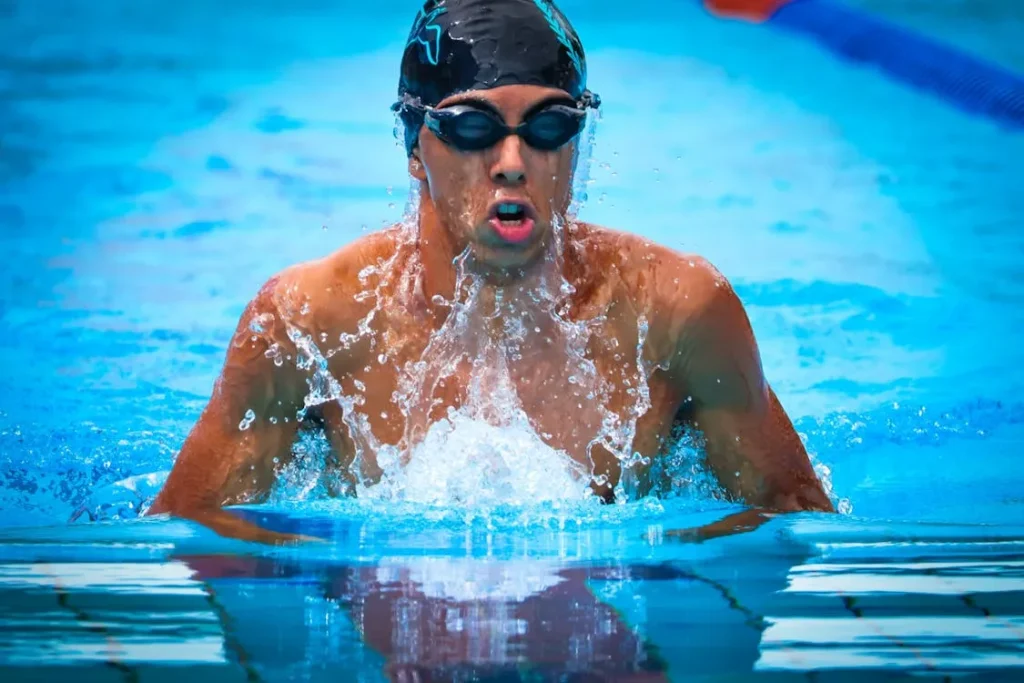
Pack Warm And Filling Snacks In Your Swim Bag
Preparation stops the urge to buy unhealthy food on the way home. A thermos of warm oatmeal provides immediate comfort and complex carbohydrates.
Hydrate During Your Swim Session To Prevent False Hunger
Consistent water intake regulates the body and prevents dehydration from mimicking an empty stomach. A water bottle kept at the edge of the pool allows for quick sips between laps.
Plan A Balanced Meal Before Heading To The Pool
A small, nutritious meal consumed an hour before swimming stabilises blood sugar levels. This preemptive fuelling prevents the body from running on empty during the workout.
Opt For High-Protein Options To Satiate Immediate Cravings
Protein helps repair muscle tissue and provides a long-lasting feeling of fullness. A quick protein shake or a handful of almonds subdues the immediate spike in appetite.
Drink Warm Beverages Immediately After Exiting The Water
Warm liquids raise the core body temperature quickly. Herbal tea or warm lemon water satisfies the stomach while the body recovers from the cold pool.
Prepare Complex Carbohydrates For Sustained Energy Recovery
Whole grains and fruits replenish depleted glycogen stores efficiently. These foods digest slowly and keep hunger at bay for hours after the swim.
Schedule Daily Meal Times Around Your Swimming Classes
A scheduled daily meal aligned with the end of a lesson naturally resolves post-workout hunger. This strategy ensures the body receives a proper meal instead of relying on random snacks.
Avoid Sugary Vending Machine Treats Near The Changing Rooms
Sugary snacks cause a rapid energy spike followed by a severe crash. A strict rule to bypass the vending machine prevents unhealthy calorie consumption and keeps nutritional goals intact.
Why A Structured Lesson Burns More Calories Than Casual Splashing
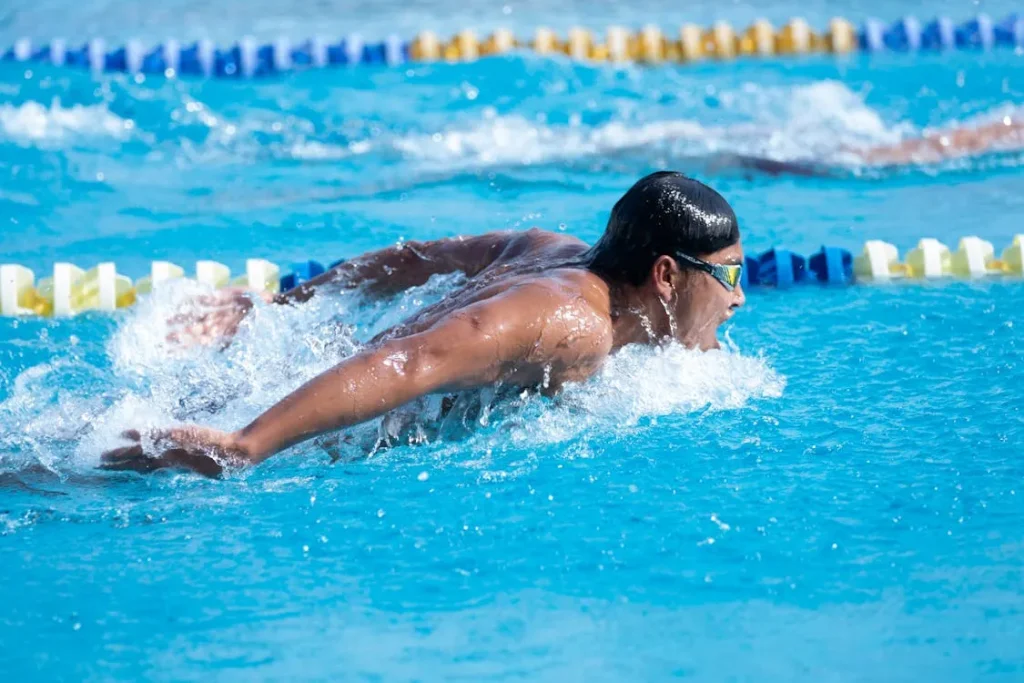
Constant Movement Leaves Zero Time For Standing Around
Structured lessons keep students actively engaged from start to finish. The continuous laps and exercises prevent the heart rate from dropping too low.
Biomechanically Correct Drills Maximise Muscle Usage
Proper form forces the body to engage the correct muscle groups efficiently. These targeted movements require more effort than casual, uncoordinated swimming.
Professional Coaching Ensures Consistent Full-Body Exertion
A trained coach pushes students to maintain a steady, challenging pace. This professional guidance maximises the cardiovascular benefits and increases total calorie burn.
Targeted Stroke Correction Forces You To Work Harder
The correction of bad habits often means using under-developed muscles for the first time. The body expends extra energy to adapt to these new, efficient movement patterns.
Progressive Lesson Plans Continually Challenge Your Stamina
Each session builds upon the last to steadily increase endurance and strength. The body constantly adapts to new challenges, which keeps the metabolic rate high.
Small Group Dynamics Encourage Friendly Effort And Pace
The presence of other students naturally pushes individuals to swim faster and harder. This subtle competition increases the overall intensity of the workout.
Focused Breathing Exercises Require Extra Energy Expenditure
Coaches teach specific breathing rhythms that challenge the cardiovascular system. The lungs work vigorously to process oxygen, which significantly boosts calorie consumption.
Conclusion About Why Does Swimming Make You Hungry
The combination of cold water, full-body resistance, and intense calorie burn fully explains this phenomenon. Proper preparation and smart snacking easily satisfy the body without ruining nutritional goals.
The professional programmes at SwimHub offer structured toddler swimming lessons, engaging kids swimming lesson options, and challenging adult swimming lesson formats to maximise these health benefits. The certified instructors travel directly to private condominiums and public complexes across Singapore to ensure a premium learning experience.
Contact us today to book a professional swimming class!
Frequently Asked Questions About Why Does Swimming Make You Hungry
Does Swimming Make You Hungry Compared To Running?
A pool session drops the core body temperature and triggers appetite hormones much faster than running. The body craves immediate calories to reheat itself after a pool session.
Why Does Swimming Make You So Hungry After Just 30 Minutes?
Water provides constant resistance that activates every major muscle group simultaneously. This intense full-body exertion depletes energy stores rapidly within a short timeframe.
What Should Children Eat After Their Swimming Lessons?
Children need warm, nutrient-dense snacks like oatmeal, a protein sandwich, or warm milk. These options replenish their energy and raise their body temperature effectively.
How Can Adults Manage Weight Loss With Post-Swim Hunger?
Adults should pack high-protein snacks and stay fully hydrated during the workout. A planned meal immediately after the session prevents impulsive snacking on empty calories.
Does The Pool Temperature Directly Affect How Much You Eat?
Colder water forces the body to burn more calories just to stay warm. This increased thermogenesis directly correlates with a stronger appetite post-workout.
How Long Does The Post-Swimming Appetite Last?
The intense hunger typically lasts until the body returns to its normal core temperature and replaces lost glycogen. A warm, balanced meal usually resolves the cravings within an hour.
Is It Normal To Feel Ravenous After A Gentle Swim?
Even a light swim pulls heat away from the body and engages the core muscles. The body will still demand calories to compensate for the heat loss and mild exertion.
Can You Prevent The Swimmer’s Hunger Before Getting In The Water?
A complex carbohydrate snack consumed an hour before swimming provides sustained energy. Proper hydration before and during the session also minimises false hunger cues.
