

Back pain is one of the most common complaints among adults, often affecting daily life and mobility.
Finding an effective yet gentle way to manage it can be tricky, but many people turn to swimming for relief.
The question is: is swimming good for back pain?
The short answer is yes! Swimming for back pain can be beneficial when done correctly. Water reduces strain on the spine, allowing for movement without excessive pressure on joints and muscles.
However, not all strokes or techniques are equally helpful, and improper swimming form may worsen discomfort.
Let’s explore how swimming can help, which strokes work best, and how to swim safely when dealing with back pain.
Why Swimming Can Help With Back Pain
Swimming is often recommended for back pain because water provides natural resistance while supporting the body. Here’s why it can be a great option:
1. Buoyancy Reduces Impact
One of the biggest advantages of swimming is how water supports the body, reducing strain on the spine and joints.
When submerged, the body becomes lighter, which means less pressure on areas that might usually bear the load, such as the lower back. Unlike high-impact activities like running or weightlifting, where the spine absorbs repeated jolts, swimming allows for smooth, controlled movement.
This makes it a safer option for those dealing with back pain, as it minimises the risk of further aggravation while still providing an effective workout.
2. Strengthens Core And Back Muscles
A well-conditioned core is important for spinal support, and swimming activates these muscles without placing excessive stress on the back.
Every stroke engages the abdominals, lower back, and deep stabilisers, all contributing to better posture and balance. Stronger core and back muscles help to distribute weight evenly, reducing the likelihood of strain in any one area.
Over time, this can ease discomfort, improve movement, and lower the chances of recurring pain.
3. Encourages Gentle Stretching
Many people with back pain experience stiffness, which can limit movement and cause discomfort during daily activities. Swimming naturally encourages stretching, as the resistance of the water allows muscles to lengthen without sudden or forceful motions.
This can be particularly helpful for those with tight lower back muscles, as swimming helps to improve flexibility in a controlled, low-impact setting.
Regularly moving through the water can gradually increase mobility, making everyday tasks easier and less painful.
4. Promotes Better Posture and Alignment
Poor posture is a common cause of back pain, often resulting from prolonged sitting, weak muscles, or incorrect movement patterns.
Swimming encourages a lengthened, streamlined body position, which helps reinforce proper spinal alignment. Since the water supports the body, there is less temptation to hunch the shoulders or arch the back incorrectly, which are habits that can worsen the pain.
Over time, improved posture in the water can translate to better alignment on land, making it easier to stand, walk, and sit comfortably.
5. Improves Circulation and Reduces Tension
Stiffness and discomfort in the back are often linked to poor circulation, slowing healing and increasing muscle tightness. Swimming, particularly in warm water, encourages blood flow, helping to deliver oxygen and nutrients to sore or tense areas.
The gentle pressure of the water can also act like a light massage, easing tension and promoting relaxation in both the upper and lower back. This combination of movement and warmth can make swimming an excellent way to manage pain while supporting overall recovery.
The Best Swimming Strokes For Back Pain
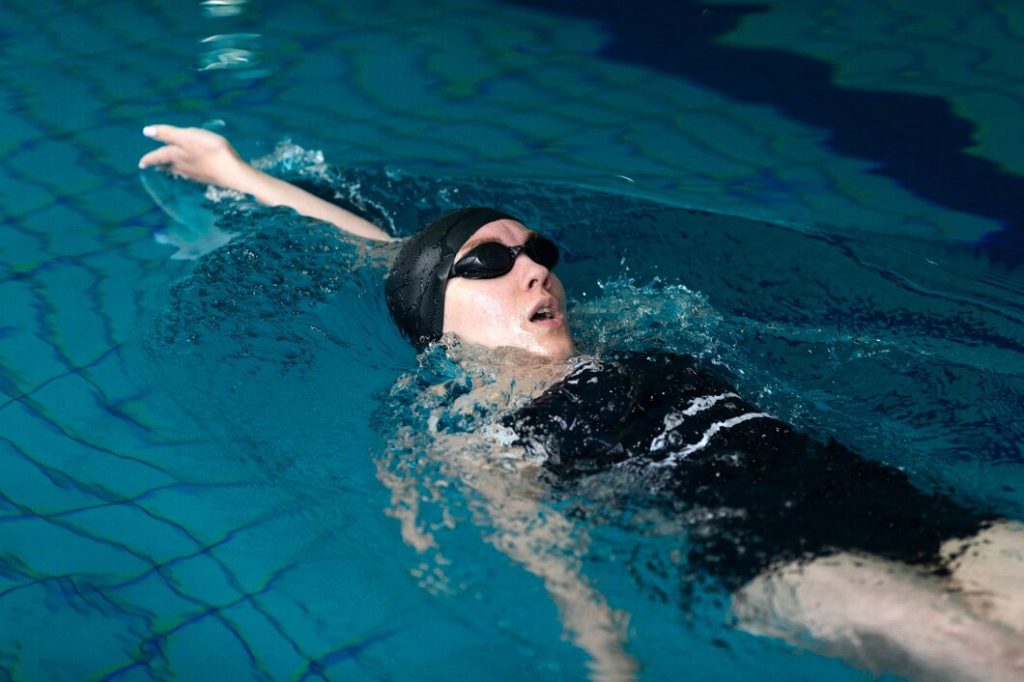
Not all swimming strokes have the same impact on the spine. Some provide gentle, controlled movement that can ease discomfort, while others may place unnecessary strain on the back. Choosing the right stroke is important for maintaining spinal health and avoiding further irritation.
Backstroke – The Best Choice
Backstroke is often considered the safest option for those with back pain, as it promotes a neutral spinal position without excessive bending.
Since the body remains on its back, there is no need to lift the head frequently, reducing strain on the neck and upper spine. The steady, rhythmic arm and leg movements help strengthen the back and core muscles, improving stability and posture.
However, those with shoulder problems may find the continuous rotation uncomfortable, making it less suitable in such cases.
Good for: Strengthening back and core, improving posture, reducing strain.
Avoid if: Shoulder issues cause discomfort, as rotation is required.
Freestyle – Beneficial With Proper Form
Freestyle can be helpful for back pain, but only if performed correctly. The key is to maintain a level body position, keeping the spine aligned without excessive arching in the lower back.
When done well, freestyle builds core strength and promotes overall spinal support, making daily movements easier. However, poor technique, such as lifting the head too often or allowing the lower back to dip can lead to discomfort, making proper form essential.
Good for: General fitness, core strengthening, spinal alignment.
Avoid if: Poor technique leads to lower back overextension.
Breaststroke – Proceed With Caution
Breaststroke can be tricky for those with back pain because the head and neck move throughout the stroke.
The natural motion involves lifting the head above the water, which can strain the neck and cause discomfort in the lower back. That said, if performed gently with a focus on keeping the spine as neutral as possible, some people find it to be a manageable option.
It is best to avoid forceful kicks and exaggerated head movements to reduce the risk of irritation.
Good for: Gentle movement if done with correct form.
Avoid if: Neck strain or excessive lower back arching occurs.
Butterfly – Not Recommended
The butterfly stroke is the most demanding on the body. It requires a strong, undulating motion that places considerable stress on the lower back. The intense movements, which involve rapid spinal extension and flexion, can easily worsen existing discomfort.
While it is a great stroke for building strength and endurance, it is not recommended for anyone dealing with back pain. Choosing a gentler alternative will be far more beneficial for recovery and long-term spinal health.
Safe Swimming Techniques For Back Pain
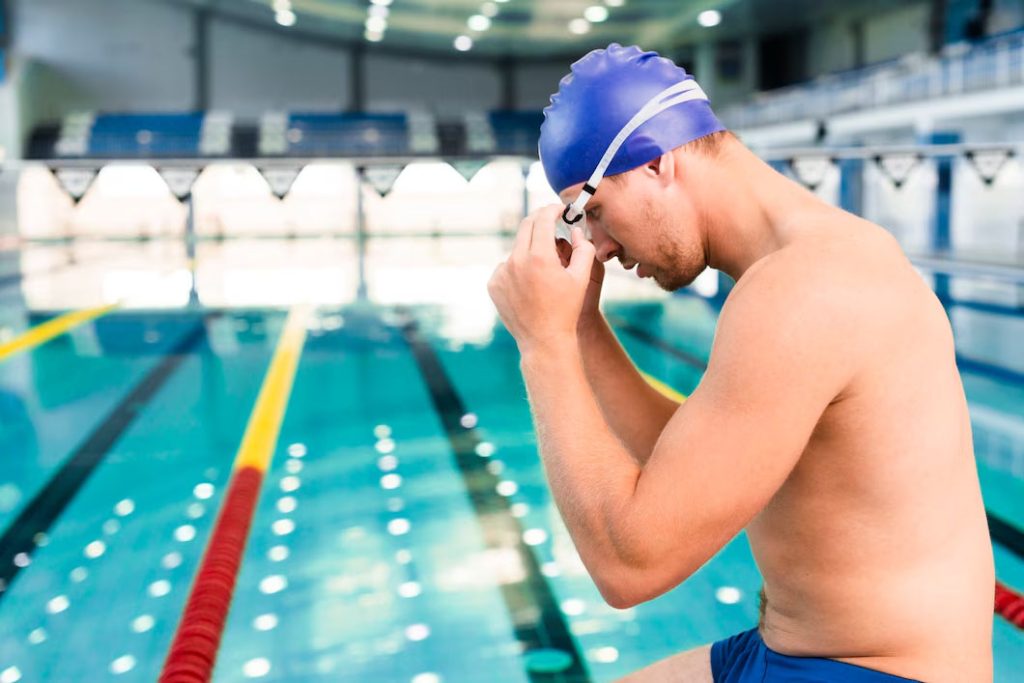
To maximise the benefits of swimming while reducing the risk of discomfort, it is important to focus on proper technique. Small adjustments can make a big difference in preventing strain and supporting spinal health.
Focus On A Neutral Spine
Keeping the spine in a neutral position helps to avoid unnecessary pressure on the lower back.
Avoid excessive arching or twisting, as these movements can strain muscles and worsen discomfort. Engaging the core while swimming provides additional support, helping to maintain proper alignment in the water.
Use Controlled Movements
Smooth, steady strokes are more effective than fast or forceful movements, which can lead to poor form and increased strain. Rushing through laps may cause the body to tense up, putting unnecessary pressure on the back.
Focusing on a relaxed, even rhythm allows muscles to work efficiently without unnecessary stress.
Breathe Properly
Holding the breath while swimming can create tension in the neck, shoulders, and back, making movement less fluid. Exhaling smoothly as the head turns or while underwater helps to keep muscles relaxed and reduces strain.
Proper breathing also improves endurance, making swimming feel easier and more enjoyable.
Start With Short Sessions
If swimming is new to your routine or if back pain has limited your activity for some time, it is best to start with shorter sessions.
Swimming for 15–20 minutes allows the body to adjust without becoming overly fatigued. As strength and endurance improve, session length can be gradually increased for greater benefits.
Incorporate Pool Exercises
Swimming is not the only way to benefit from being in the water. Simple aquatic exercises, such as water walking, gentle leg lifts, or floating stretches, can improve flexibility and strengthen muscles without excessive impact.
These movements help to ease stiffness, increase mobility, and support long-term back health.
Conclusion On Is Swimming Good For Back Pain
Swimming is an excellent way to manage back pain, offering a low-impact workout that strengthens muscles, improves flexibility, and promotes better posture.
The buoyancy of water supports the body, reducing strain while allowing for smooth, controlled movement. When done correctly, swimming can be a safe and effective way to relieve back pain and strengthen spinal support.
At Swimhub, we provide expert-led swimming lessons in Singapore tailored to all skill levels, ensuring proper technique and safety in the water.
Join our adult swimming classes or children’s lessons for your kids to develop essential survival skills in a supportive and structured environment.
Take the first step towards better movement, reduced discomfort, and a healthier, more active lifestyle with Swimhub today!
Frequently Asked Questions About Is Swimming Good For Back Pain
What Are The Best Pool Temperatures For Swimming With Back Pain?
A warm pool, ideally between 28–32°C, helps relax muscles and improve circulation. Warmer water reduces stiffness and allows for smoother, pain-free movement.
Is It Safe To Swim Every Day With Back Pain?
Swimming daily can be beneficial if sessions are moderate and movements are controlled. However, rest days may be needed if pain increases or muscles feel overly fatigued.
Are Flip Turns Safe For People With Back Pain?
Flip turns require strong spinal flexion and can be jarring on the lower back. Those with back pain should consider using open turns instead, as they are gentler on the spine.
When Should I Stop Swimming If My Back Hurts?
If pain worsens during or after swimming, it is best to stop and reassess technique or stroke choice. Persistent discomfort may indicate the need for rest or guidance from a physiotherapist.
What Should I Do After Swimming To Prevent Stiffness?
Gentle stretching and warm-down exercises, such as slow walking or light water movements, help prevent stiffness. Staying hydrated and using a warm shower can also aid muscle recovery.
Is Treading Water A Good Alternative To Swimming?
Treading water engages the core and back muscles while keeping impact low. However, if done incorrectly, it may cause strain, so maintaining an upright, relaxed position is important.
