

Asthma is a popular chronic respiratory condition affecting millions worldwide. It causes symptoms like shortness of breath, wheezing, and chest tightness. Finding the right physical activity can be challenging for individuals with asthma, as some exercises may exacerbate symptoms. However, swimming has emerged as a potential activity that improves overall fitness and helps manage asthma symptoms.
But is swimming good for asthma? This guide explores the connection between swimming and asthma, backed by scientific evidence, practical tips, and professional insights. Let’s dive in to understand how swimming can benefit those with asthma.
Understanding Asthma And Exercise
Asthma is when airways become inflamed and narrowed, making breathing difficult. Common symptoms include:
- Shortness of breath.
- Wheezing or whistling sounds while breathing.
- Chest tightness.
- Persistent coughing, particularly at night or early morning.
Asthma can be triggered by allergens, cold air, or physical activity, making exercise a double-edged sword for many.
Exercise-induced asthma (EIA) occurs when physical exertion triggers asthma symptoms. Activities that require rapid breathing or expose individuals to cold, dry air, like running or skiing, are common culprits. Some sports, such as long-distance running or high-intensity cycling, may worsen asthma symptoms due to their demand for lung capacity. Cold-weather activities are particularly problematic, as dry air can irritate the airways.
How Swimming Benefits People With Asthma
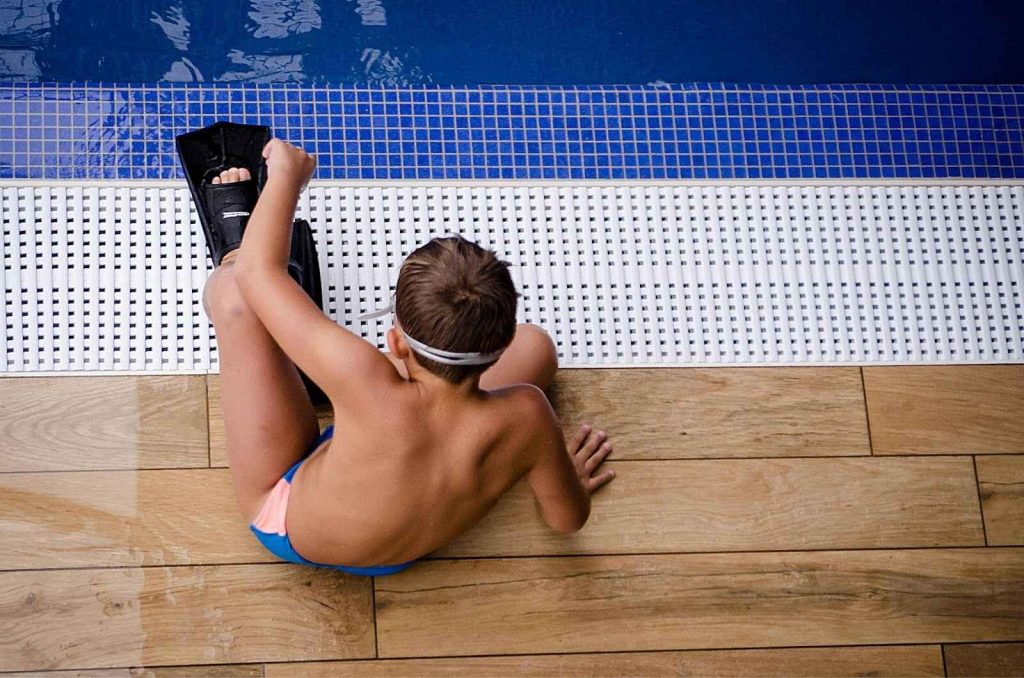
Swimming offers a unique combination of benefits, making it a suitable exercise for individuals with asthma.
Warm, Humid Environment
Unlike outdoor activities, swimming takes place in a controlled environment. The warm, humid air around pools helps keep airways moist and reduces the likelihood of irritation or constriction.
Low Impact On Lungs
Swimming is a low-impact exercise that allows asthmatics to build endurance and avoid putting excessive strain on their lungs. The buoyancy of water also reduces stress on the body, making it easier to exercise.
Strengthens Respiratory Muscles
Swimming engages core and respiratory muscles, helping to improve lung capacity and overall respiratory health over time. This can make breathing more efficient and reduce asthma symptoms.
Controlled Breathing
The rhythmic nature of swimming encourages controlled breathing, which can help asthmatics regulate their breathing patterns and reduce hyperventilation during exercise.
Tips For Swimming With Asthma
Swimming can be a rewarding experience for individuals with asthma if approached with the right precautions.
Consult Your Doctor
Before starting any new exercise routine, including swimming, consult your medical professional to ensure it’s safe and appropriate for your condition.
Warm Up Properly
Gradual warm-ups can help prevent sudden respiratory distress. To prepare your lungs, start with light stretches and slow-paced swimming.
Practice Controlled Breathing Techniques
Focus on a steady breathing rhythm to avoid overexertion. Techniques like exhaling underwater and taking deep, controlled breaths can help.
Use Preventative Medication If Needed
Carry your inhaler with you and follow your doctor’s prescribed treatment plan. Using preventative medication before swimming may help reduce the risk of symptoms.
Choose The Right Pool
Highly chlorinated pools can sometimes irritate asthma symptoms. Opt for saltwater pools or well-ventilated facilities when possible.
Common Concerns About Swimming And Asthma

Does Chlorine Irritate Asthma Symptoms?
While some individuals may find chlorine irritating, its effects vary. Saltwater or ozone-treated pools are excellent alternatives for those with sensitivities.
Can Cold Water Trigger Symptoms?
Swimming in cold water can sometimes cause discomfort. Choose heated pools or wear a wetsuit for outdoor swimming to avoid this.
Is Swimming Safe During An Asthma Flare-Up?
It’s best to avoid swimming during an asthma flare-up. Prioritise rest and recovery, and only resume swimming when your symptoms are under control.
How Can Professional Swimming Lessons Help Asthma Patients Swim Safely

Professional swimming lessons are dedicated to helping individuals with asthma enjoy the benefits of swimming safely and effectively.
Expert Swimming Lessons
Their personalised coaching ensures that individuals with asthma learn at their own pace. A supportive environment can also help them learn optimally.
Focus on Breathing Techniques
Expert swimming lessons emphasise proper breathing strategies to help improve lung capacity and manage asthma symptoms during swimming sessions.
Safe, Controlled Environments
Well-maintained pools minimise irritants and provide a comfortable setting for swimming.
With professional guidance such as Swimhub, swimming can become an enjoyable and health-enhancing activity for asthma patients.
Conclusion On Swimming For Asthmatic People
So, is swimming good for asthma? Absolutely! Swimming offers a safe, low-impact way to improve lung function, build fitness, and manage asthma symptoms. Its warm, humid environment, combined with the controlled nature of the exercise, makes it an excellent choice for individuals with asthma.
If you’re ready to take the plunge, Swimhub is here to support your journey. With expert guidance, tailored swimming lessons in Singapore, and a safe environment, Swimhub ensures swimming becomes a valuable and enjoyable part of your asthma management routine. Visit Swimhub today and discover how swimming can transform your health and well-being!
Frequently Asked Questions About Swimming And Asthma
Is Swimming Good For Asthma Patients?
Yes, swimming is considered one of the best exercises for asthma patients due to its warm, humid environment, low impact on the lungs, and benefits for respiratory health.
Does Swimming Help Asthma Symptoms?
Regular swimming can improve lung function, strengthen respiratory muscles, and help manage asthma symptoms through controlled breathing and increased fitness.
Can Chlorine In Pools Worsen Asthma?
Chlorine may irritate some individuals’ airways. If chlorine sensitivity is a concern, opt for saltwater pools or well-ventilated facilities.
Should I Swim During An Asthma Flare-Up?
No, it’s best to avoid swimming during an asthma flare-up. Focus on rest and follow your doctor’s advice before resuming activity.
