

Watching your baby splash, float, and giggle in the water can be a heartwarming sight. But beyond the fun, infant swimming offers real developmental benefits. Many parents are now turning to baby swim lessons as a way to help their little ones grow stronger, safer, and more confident.
Infant swimming combines gentle movement with bonding, giving babies a chance to explore a new environment while developing important motor skills. With proper supervision and safety in place, swimming can be one of the best early activities to support your child’s physical and emotional growth.
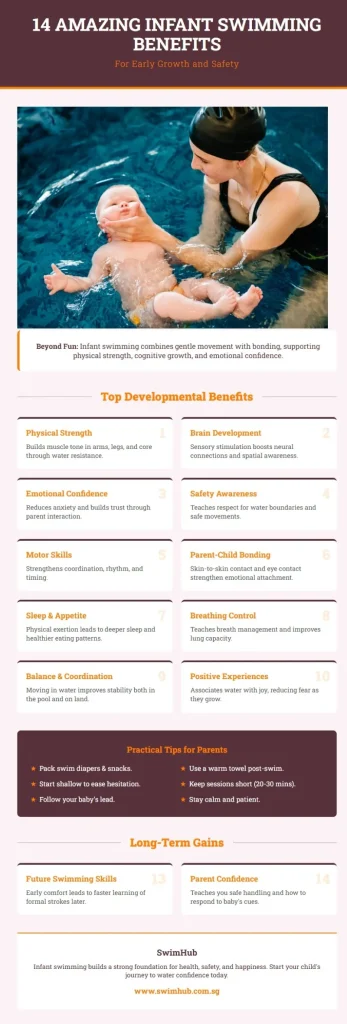
1. Building Physical Strength Through Movement
Swimming helps your baby use almost every muscle in their body. While floating and moving their arms and legs, they learn how to control their body and balance. These small movements support strength in the shoulders, neck, and back, which later helps with sitting, crawling, and walking.
Because water supports their weight, it gives them freedom to move more than they can on land. This low-impact environment makes swimming one of the best exercises for babies to develop muscle tone without strain.
Here’s how swimming supports strength:
- Improved coordination: Reaching and kicking in the water enhances hand-eye coordination.
- Stronger muscles: Each motion helps build strength in the arms, legs, and core.
- Better balance: Floating on water teaches babies how to stabilise themselves.
Swimming also improves heart and lung function. Babies learn to control breathing patterns naturally, and this helps strengthen their cardiovascular system early in life.
2. Boosting Brain and Cognitive Development
Infant swimming is not just about physical growth. It also boosts brain development. The movement and sensory experience of being in the water help babies make stronger neural connections. When they see ripples, hear splashes, and feel the water’s resistance, it stimulates several senses at once.
Studies suggest that babies who swim regularly may develop better spatial awareness, memory, and language skills, and a better swimmer. The coordination they practice in the water also supports cognitive growth and problem-solving abilities.
Ways swimming supports brain development:
- Sensory stimulation: The feeling of water on the skin boosts sensory processing.
- Repetition and rhythm: Movement patterns in water help with memory and focus
- Parent interaction: Singing and talking during swim sessions improve communication and bonding.
3. Encouraging Emotional Confidence and Social Skills
Water can be soothing for babies. The gentle motion reminds them of being in the womb, which helps reduce anxiety and improve mood. Swimming time also builds trust between parent and child, as your baby relies on you for comfort and support.
In group lessons, babies also start to recognise faces and respond to other children. This interaction encourages early social skills. The laughter and play create positive associations with water, helping children grow into confident swimmers later in life.
Tips for emotional growth through swimming:
- Keep sessions short: Babies enjoy the water most when they’re comfortable.
- Maintain eye contact: This helps your baby feel safe and connected.
- Praise small efforts: Encouragement builds trust and confidence.
4. Improving Safety Awareness Early On
Water safety is one of the most important reasons parents introduce swimming early. Babies who are comfortable in the water are less likely to panic if they accidentally fall in. Although no infant is truly water-safe without adult supervision, early lessons teach awareness and respect for water.
Infant swim instructors guide babies through safe movements like floating, holding onto the pool wall, or learning to turn and reach for the edge. These skills can make a real difference in preventing accidents.
It’s also essential to teach water boundaries, like waiting for a parent’s cue before entering the pool. These early habits help babies understand safety rules as they grow.
5. Supporting Motor Skill Development
Every kick, paddle, and turn helps improve motor coordination. Swimming strengthens both fine and gross motor skills, which are key to overall growth. Babies learn to move their arms and legs in coordination, improving rhythm and timing.
This skill translates well into other physical activities as they grow, such as crawling, running, or even frog style swimming when they’re older. The early connection between movement and control gives them confidence in physical play and exploration.
6. Enhancing Parent-Child Bonding
Infant swimming sessions often turn into quality bonding moments. Holding your baby close in the water, maintaining eye contact, and guiding their movements help build trust. The shared experience of swimming brings joy and strengthens emotional attachment.
You’ll find that swimming together also improves your baby’s listening skills, as they begin to respond to your cues and voice. Over time, these moments of cooperation form the foundation for communication and trust in daily life.
7. Boosting Sleep and Appetite
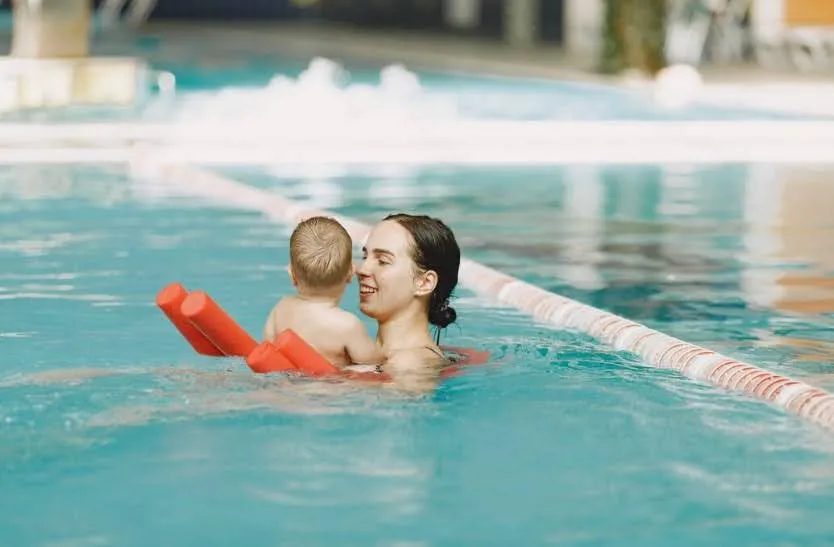
After a good swim session, most parents notice one thing: babies sleep soundly. The gentle workout tires them in a healthy way, helping them relax and rest longer.
The combination of physical exertion and sensory stimulation encourages deeper sleep cycles. Babies who swim regularly also tend to have better appetite patterns because swimming burns energy and supports digestion.
If you’ve ever wondered why your baby seems hungry after a session, that’s completely normal. The body needs to refuel after exercise, which helps growth and energy balance.
8. Teaching Breathing Control
Even at an early age, babies start learning how to manage breath in the water. Instructors use playful methods like blowing bubbles or gently introducing the face to water. This helps babies become aware of breath and improves lung capacity over time.
Proper breathing techniques learned early help later when children transition into structured swimming lessons. Controlled breathing supports rhythm, confidence, and endurance in the water.
9. Improving Balance and Coordination
Swimming naturally improves body awareness. Babies learn how their arms and legs work together to move and stay balanced in the water. These movements help them develop coordination and stability on land.
Parents can also practice small activities during swim time: letting babies float on their tummy or back, guiding them in gentle circles, or supporting them while they kick. These exercises are safe and fun while promoting better balance and posture.
10. Creating Positive Water Experiences
For some families, swimming becomes a weekly routine filled with smiles and giggles. The goal is not just to teach swimming skills but to make water a place of joy and comfort. Babies who grow up associating pools with fun are less likely to fear water as they grow older.
To create positive experiences:
- Use toys and songs: Add playful elements to keep your baby engaged.
- Keep the water warm: Babies relax better in comfortable temperatures.
- Follow your baby’s lead: Stop when they show signs of tiredness or fussing.
Remember, learning to enjoy water safely is a lifelong gift.
11. Practical Tips for Parents
Preparing for infant swimming sessions helps make them smooth and enjoyable. Bring everything your baby might need and be patient as they adjust to the new environment.
What to bring for baby swimming lessons:
- Swim diaper: Prevents accidents in the pool.
- Proper swimming attire: Keeps your baby warm and comfortable.
- Towel and blanket: Helps dry and wrap them after swimming.
- Snacks and milk: Useful after the session when your baby gets hungry.
- Swimming cap: Keeps hair dry and prevents pool irritation.
If you’re nervous for the first session, remember to relax and follow the instructor’s guidance. Swimming is meant to be fun, not stressful.
12. Helping Babies Overcome Water Hesitation
Not all babies enjoy water right away. Some might cry or cling tightly during their first few lessons. The key is to stay calm and patient. Start by letting your baby dip their toes or splash a bit before fully entering the pool.
Over time, your baby will grow comfortable and may even start to smile or giggle when entering the water. This slow approach ensures that each step feels safe and enjoyable.
13. Encouraging Early Skills for Future Swimming
The skills learned in infant swimming form the foundation for future swimming techniques. Babies who learn early coordination, balance, and breathing often adapt faster when introduced to structured lessons later.
When they move on to advanced training, they can practice movements similar to sculling or even basic strokes safely and with confidence. The comfort gained from early experiences helps them progress more easily into formal swimming styles.
14. Supporting Parents’ Confidence Too
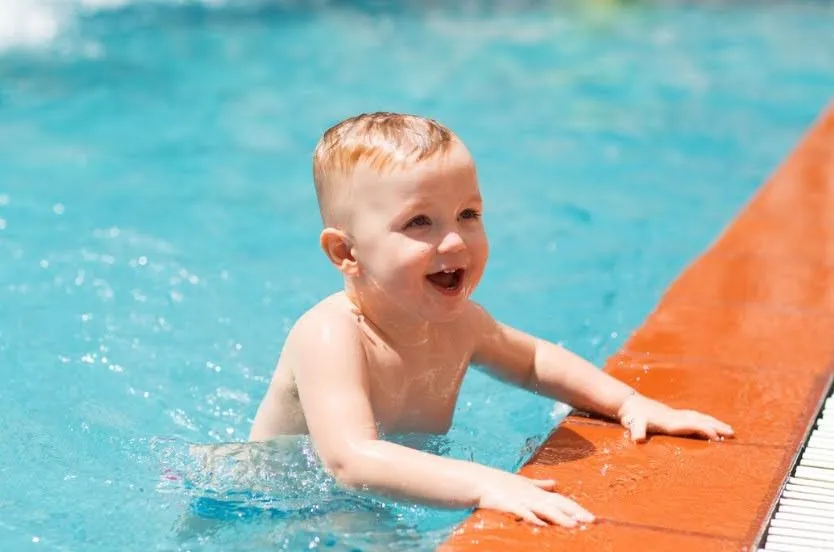
Infant swimming is not only beneficial for babies but also for parents. It teaches you how to handle your child safely in water, how to respond to their cues, and how to be calm and confident during each session.
Many parents also notice that regular lessons make them more comfortable around pools and beaches, creating shared family activities that strengthen trust and connection.
Conclusion on Infant Swimming Benefits
Infant swimming offers more than just fun splashes. It builds your baby’s strength, coordination, confidence, and awareness from an early age. The water becomes a space for learning, bonding, and growing together. With consistent lessons and safety awareness, you give your baby a strong foundation for future swimming success.
At Swimhub, we believe in helping families enjoy the water safely. Our experienced instructors make learning enjoyable for babies and parents alike. If you’re ready to start your child’s swimming journey, contact us today to learn more about our infant swimming programs.
Frequently Asked Questions About Infant Swimming Benefits
Can Babies Swim Naturally?
Babies have natural reflexes that make them move their arms and legs in water, but they cannot truly swim without help. These reflexes fade with age, so guided lessons are important.
What Age Can Babies Start Swimming Lessons?
Most experts recommend starting around six months old. At this age, babies have better head control and can safely enjoy guided water activities.
What Are the Benefits of Infant Swimming for Parents?
It builds trust and bonding while helping parents feel confident in water safety and handling their babies around pools or during family trips.
How Long Should Each Swim Session Last?
Short sessions of about 20 to 30 minutes are ideal for babies. Keep the experience gentle and fun, and stop early if your baby seems tired.
What Should Parents Know About Pool Hygiene?
Always check that the pool water is clean and properly maintained. Bring your own towels, keep your baby’s skin moisturised, and rinse them after swimming.
