
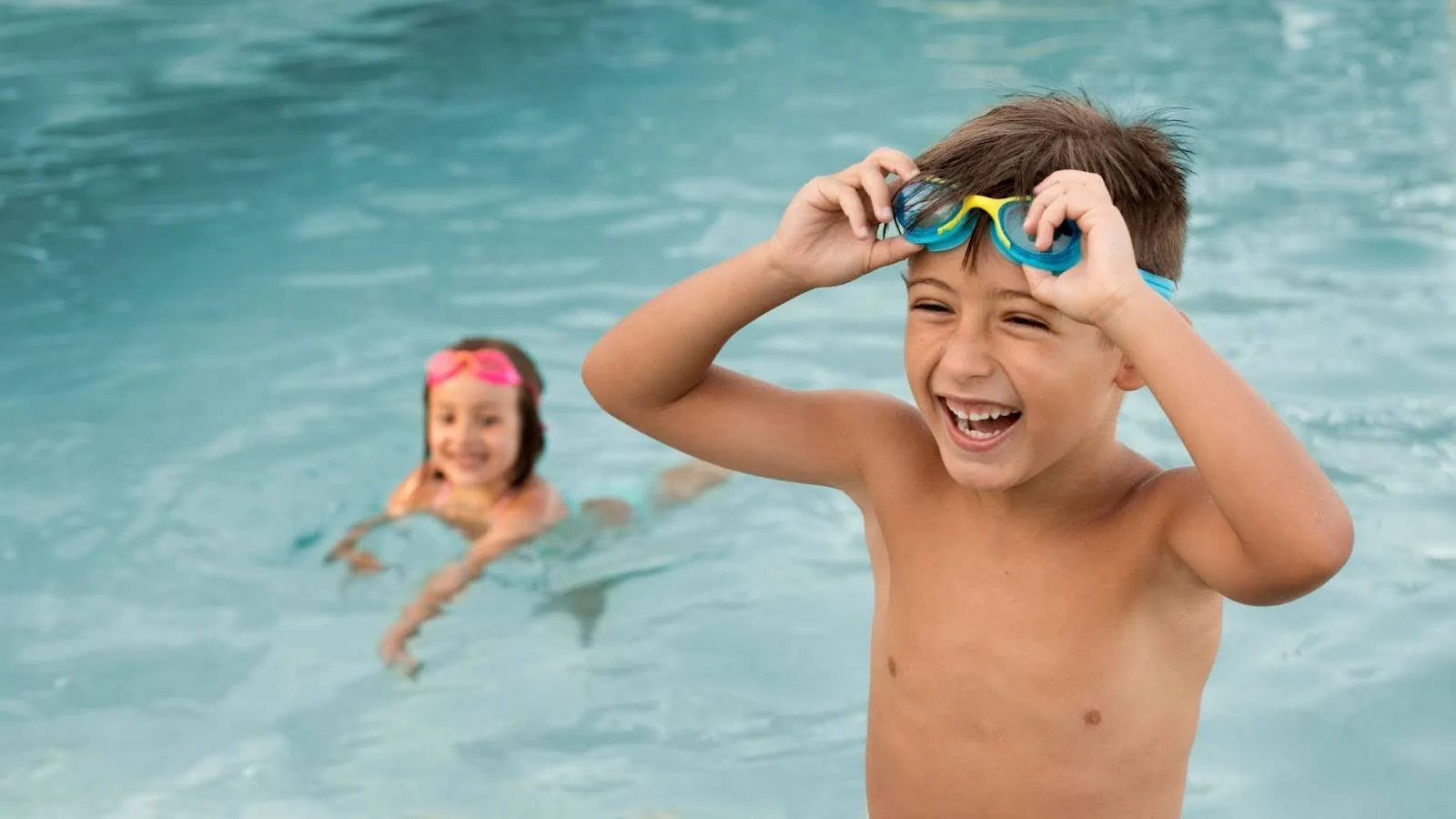
One of the first questions we get from parents is, “When should my child learn to swim?” The simple answer is as early as it is safe to do so. The benefits of learning to swim at a young age go far beyond just being a fun activity; it is a critical life skill that provides a foundation for their safety, physical health, and even cognitive development.
If you are a parent considering lessons, here are the most important reasons why starting young is one of the best decisions you can make for your child.
1. The Most Critical Benefit: Water Safety and Drowning Prevention
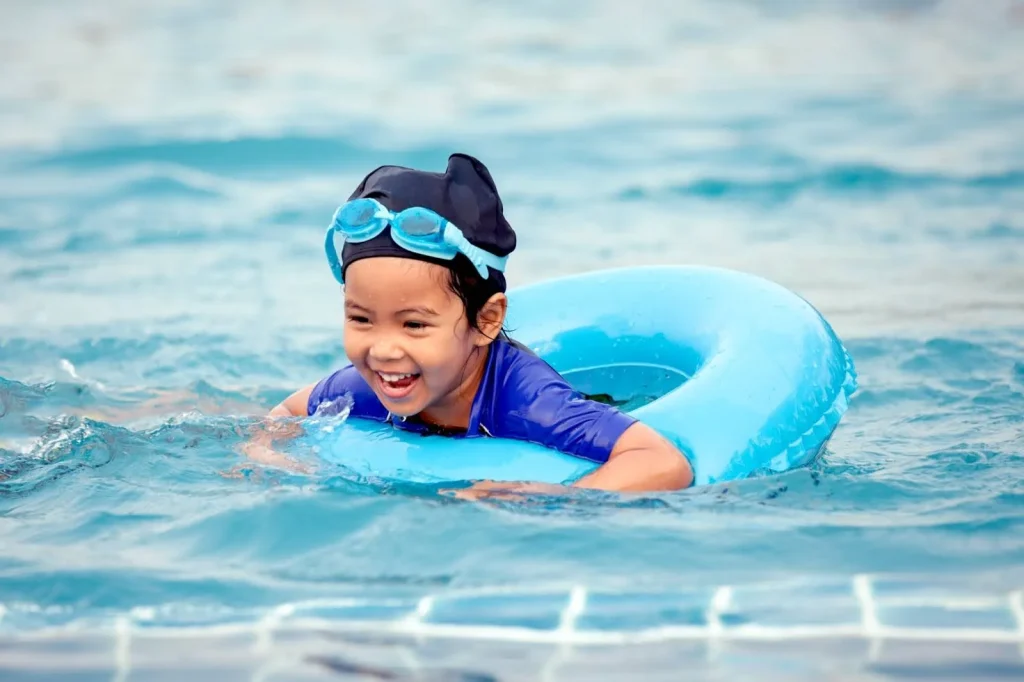
This is the most important reason on the list. For our target audience of parents with young children, safety is the primary concern.
Learning to swim is not just a sport; it is a life-saving skill. Drowning is a leading cause of accidental death for young children in Singapore and around the world. Formal swimming lessons provide your child with essential survival skills, such as:
- Learning to float on their back.
- Treading water to stay calm.
- Knowing how to get to the edge of the pool and climb out.
These skills are the first line of defence in any water-based emergency and provide a foundation of safety that lasts a lifetime.
2. Enhanced Physical Development and Health
Swimming is one of the best all-around exercises for a growing body. Unlike other sports, it’s a low-impact activity that is gentle on young, developing joints.
- Full-Body Workout: It engages nearly every major muscle group, from the arms and shoulders to the core and legs.
- Cardiovascular Health: It is a fantastic aerobic exercise that strengthens the heart and improves lung capacity.
- Improved Motor Skills: The complex movements, from kicking to arm strokes, significantly improve a child’s balance, coordination, and agility.
3. A Boost in Cognitive and Academic Skills
This is one of the lesser-known benefits of learning to swim at a young age. The complex, cross-lateral movements in swimming (using opposite arms and legs) build new neural pathways in the brain.
Studies have shown that this can directly help a child’s development outside the pool, leading to:
- Improved concentration and focus in the classroom.
- Enhanced problem-solving skills.
- Better performance in reading and language.
4. Improved Emotional Confidence and Resilience
For many children, learning to swim is their first experience with overcoming a genuine, physical fear (like putting their face in the water or letting go of the wall).
Mastering this skill is a massive achievement. You can visibly see a child’s self-esteem and confidence grow as they progress from being a nervous beginner to a confident swimmer. This newfound resilience and “I can do it” attitude will help them face other challenges in school and in life.
5. Development of Social Skills
Group swimming lessons are a fantastic social environment. This is especially true for primary school-aged children who are learning to navigate new social settings. In a group class, children learn valuable life skills such as:
- Following instructions from a coach.
- Waiting patiently for their turn.
- Interacting with and encouraging their peers.
- Celebrating their own achievements and those of their friends.
6. Eliminate Fear of Water
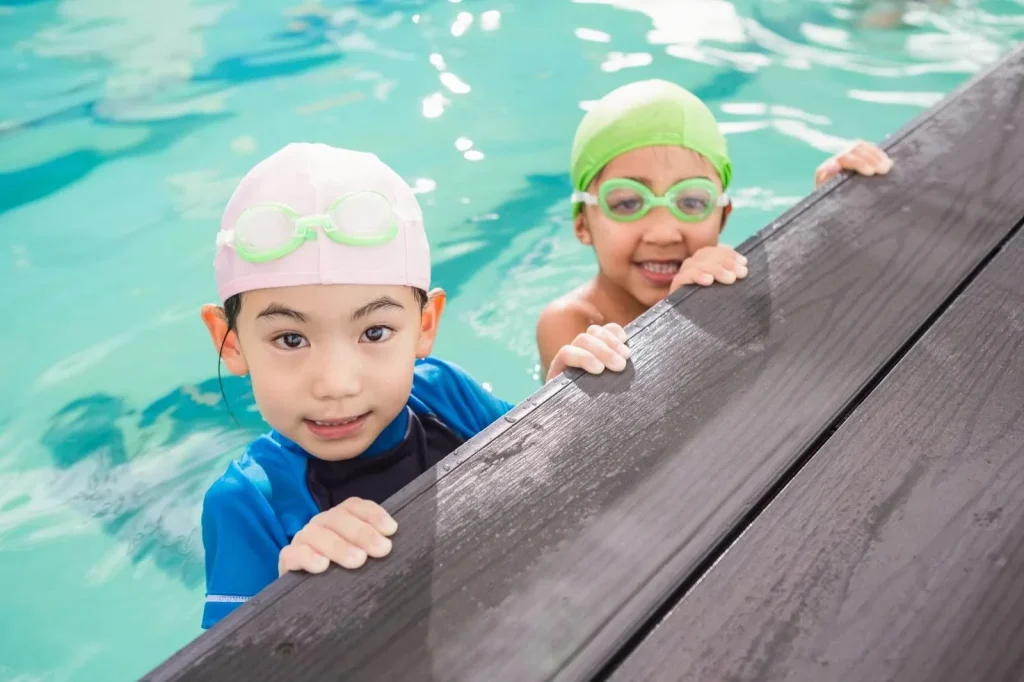
Most adults don’t know how to swim, have a fear of water, or have never tried to learn to swim. They were afraid to start in their childhood, and as they grew older, the fear became increasingly evident. As a parent, you should not let the same fear become dominant in your kid.
For this reason, you should opt for kids’ swimming lessons in Singapore when they are at a young age. Kids are generally not that afraid of learning new things and don’t overthink like adults. So, it will be easier for them to learn to swim. And, as they grow up, they can become good at this skill with time.
7. Helps Pursue A Career in Swimming
If you put your child in swimming classes at a young age, there is a possibility that they will become a professional swimmer in the future. Starting from an early age, your child will have more years to learn and sharpen different swimming techniques. If they have the talent, they can take part in prestigious sports competitions and win medals. This way, swimming can become a rewarding full-time career for your kid.
8. Promotes Better Sleep Patterns
If you have an active child who struggles to settle down at night, swimming can be a game-changer. This is one of the benefits of learning to swim at a young age that parents often report.
Swimming is a comprehensive, full-body workout that expends a significant amount of energy. The combination of physical exertion, the water’s natural resistance, and the mental focus required in a lesson often leads to children feeling more “good-tired” than they would from regular playground activities. This can help regulate their sleep schedules, leading to deeper, more restful sleep.
9. Can Help Improve Appetite
“My child is such a picky eater!” This is a common frustration we hear from parents. Whilst swimming lessons are not a magic cure, the physical exertion and the thermal effect of the water can have a noticeable impact on a child’s appetite.
The body burns a significant amount of energy to swim and to stay warm in the pool. This often results in a healthy, robust appetite after the lesson. Many parents are pleasantly surprised to find their child, who normally just picks at their food, is suddenly asking for a snack or finishing their entire meal.
10. It Is a Skill for Life, Not Just a Season
Many sports and activities are seasonal or are things a child may stop doing after they leave school. Swimming is different. Learning to swim at a young age is one of the most valuable long-term benefits because it is a low-impact, lifelong skill.
Unlike high-impact sports like running or football, swimming is gentle on the joints, meaning it is an activity your child can enjoy for the rest of their life, for fitness, for relaxation, or for fun. You are giving them a gift that supports their health and well-being well into their adult years.
11. Unlocks a World of Other Safe Water Activities
Gaining confidence in the water isn’t just about being safe in a swimming pool. It opens up a lifetime of other safe and enjoyable family experiences.
When your child knows how to swim, you can say “yes” with more confidence to a wide range of activities. A family holiday to the beach, a kayaking trip, a day out on a boat, or even just fishing by a lake are all made safer and more relaxing because your child has the fundamental skills to handle themselves in the water. This transforms water from a source of anxiety into a source of family fun.
What If My Child Is Afraid of the Water?
This is one of the most common and valid concerns we hear from parents. It’s completely normal for a child to feel anxious about a new environment, especially one as large as a pool.
Our first priority is not to teach a perfect stroke; it’s to build a positive and trusting relationship with the water. We will never force a child to do something they are not ready for.
Our instructors are trained to use a patient, play-based approach. We start by reframing the water as a place of fun, not pressure. We call this “water familiarisation,” and it includes foundational skills like:
- Learning to comfortably get their face and hair wet.
- Practising breath control by blowing bubbles.
- Learning how to float on their back is a crucial safety skill.
- Playing games that encourage movement and reduce anxiety.
We move at the child’s pace. Confidence is the true goal; the swimming strokes will follow.
What Do Children Actually Learn in Their First Lessons?
That’s an excellent question. The first few lessons are all about building a foundation of safety and confidence. While it may look like play, every activity has a purpose. We are methodically teaching them to be comfortable and capable in the water before we move on to formal strokes.
Here are the core, foundational skills a beginner will focus on:
- Safe Pool Entry and Exit: How to get in and out of the pool independently and safely.
- Breath Control: This is the most critical early skill. We teach them to comfortably submerge their face and blow bubbles, which is the first step to managing their breathing for swimming.
- Floating and Gliding: We guide them in learning to float on their back (a key self-rescue skill) and how to push off the wall into a glide.
- Basic Propulsion: We introduce fundamental kicking motions, often with kickboards or pool noodles, to build the “engine” for their swimming.
These skills are the essential building blocks for everything that comes next, from learning freestyle to being a proficient, confident swimmer.
Conclusion About the Benefits of Learning to Swim at a Young Age
Swimming undoubtedly has numerous benefits for children. But parents must choose a reputable swimming school like SwimHub for their children to ensure that the kids are safe and get a proper learning environment.
If you have decided to enrol your child in swimming classes, consider opting for swimming lessons in Singapore from SwimHub. We are the #1 swimming school, providing skilled female swimming instructors and the best facilities for kids’ swimming lessons.
We offer adult swimming lessons as well. You can choose from private condominium lessons or classes at public swimming complexes, as per your kid’s convenience. Teach your kids the important swimming skills from a young age with SwimHub and give them the “early-bird advantage”.
Frequently Asked Questions About the Benefits of Learning to Swim at a Young Age
What Are The Physical Benefits Of Swimming For A Child?
Swimming provides a full-body, low-impact workout. It builds strong, lean muscles, improves cardiovascular health and lung capacity, and enhances fine motor skills and coordination.
How Long Does It Take For A Child To Learn To Swim?
This depends entirely on the child, their age, and their comfort level in the water. Some children may learn basic water safety and a simple stroke in a few months, while mastering all four strokes can take a few years of consistent lessons.
Why Is Swimming A Good Skill To Learn?
Beyond the physical benefits, swimming is the only sport that is also a critical survival skill. It builds confidence, resilience and provides a healthy, low-impact activity that your child can enjoy for the rest of their life.
What Are The Disadvantages Of Learning To Swim Too Early?
There are no real disadvantages to introducing a child to water early in a safe, positive way (like a parent-child class). However, pushing a child into formal lessons before they are developmentally ready (e.g., before age 4) can sometimes lead to fear or frustration. The “best” time is when the child is ready, not when the parent is.
