

Teaching someone how to swim is an exciting and rewarding experience. Watching them go from hesitant splashes to confident strokes is a moment of pride for any instructor, whether you’re a professional coach or just helping a friend or family member. But the question is, where do you start?
Swimming isn’t just about moving through water, at least not all of it. It’s about building trust, feeling comfortable, and learning step by step.
This guide will take you through the process, covering essential skills, common mistakes, and how to make swimming an enjoyable experience for beginners.
1. Start With Comfort And Water Confidence
Before focusing on swimming techniques, a beginner needs to feel relaxed in the water. Many new swimmers experience nervousness, especially if they’ve had little exposure to swimming or have had a previous bad experience.
Find The Right Environment
The choice of location can make a huge difference in a beginner’s learning experience. A pool with shallow areas allows them to stand and feel secure, while warmer water can make it more comfortable to spend extended periods practising.
A calm and quiet setting is preferable, as loud noises and splashing from other swimmers can be overwhelming. Public pools with designated learning areas are ideal, as they offer a safer space without deep water close by.
Introduce Water Gradually
Helping someone adjust to water step by step is more effective than asking them to start swimming immediately.
Begin with simple activities like dipping their feet in, splashing water on their face, and submerging their hands. Once they seem at ease, encourage them to stand in shallow water while holding onto the pool wall, allowing them to feel the buoyancy of water without pressure.
Breathing exercises such as inhaling deeply and blowing bubbles underwater can also help them control their breath, which is an important part of swimming.
2. Teaching Floating: The Foundation Of Swimming
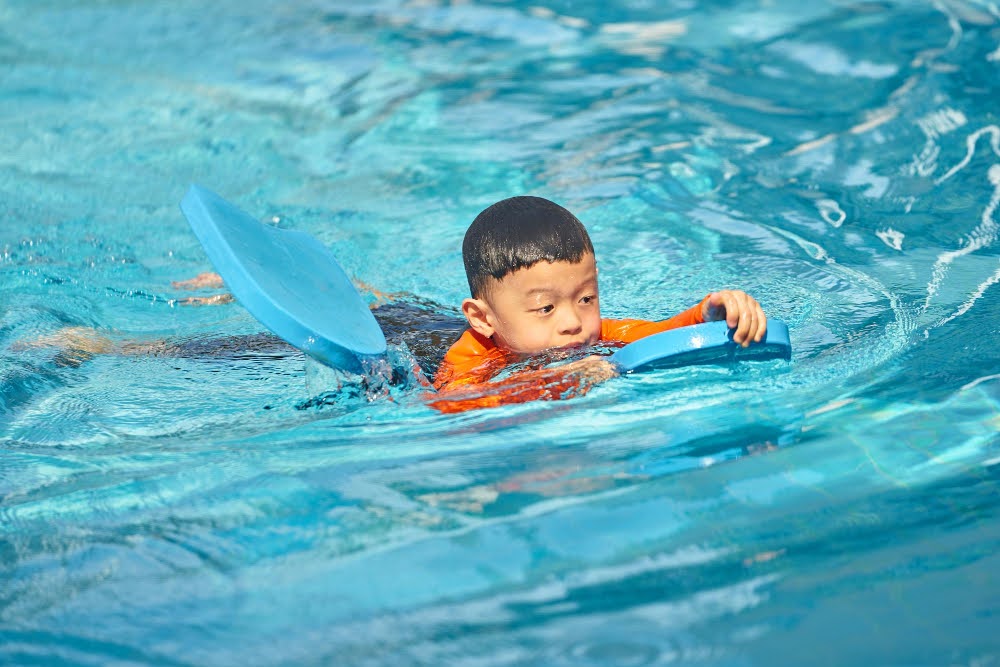
Floating is one of the most valuable skills in swimming, as it provides a sense of security and control in the water. Many beginners struggle with staying afloat because they instinctively tense up, making it harder for their body to stay on the surface.
Teaching someone how to float first helps them understand how their body interacts with water, allowing them to build confidence before learning strokes.
Back Floating
Floating on the back is often easier for beginners because it allows them to breathe freely. Start by supporting their back while they lie in the water, encouraging them to relax their muscles.
Spreading the arms and legs slightly helps improve stability, while taking slow, deep breaths keeps the body light and buoyant. As they gain confidence, gradually reduce the level of support, letting them experience the sensation of floating on their own.
Front Floating
Floating on the front is equally important, as it lays the groundwork for freestyle and breaststroke. Have them extend their arms and legs while gently pushing off from the pool wall, keeping their face in the water.
If they feel uneasy, a floatation aid such as a kickboard can provide extra support until they become more comfortable. Once they can hold the position independently, they will be ready to move on to basic swimming techniques.
3. Learning Basic Kicking Techniques

Leg movement is a fundamental part of swimming, providing the propulsion needed to move through the water. Compared to arm movements, kicking is generally easier to teach because it follows a natural rhythm.
Beginners should start with controlled, steady kicks rather than fast, forceful movements, as efficient kicking requires more technique than power.
Flutter Kick
Flutter kicking involves small, continuous up-and-down leg movements driven from the hips. Have the beginner hold onto the pool wall or a kickboard while practising, ensuring that their legs remain close together.
The knees should be slightly bent but not excessively, as too much bending reduces efficiency and can slow them down.
Breaststroke Kick
The breaststroke kick, often called the “frog kick,” is different from flutter kicking as it relies on a circular motion for propulsion.
Begin by having them bend their knees, bringing their heels towards their body, then push their legs outward in a sweeping motion before gliding back to a straight position. Practising this movement while holding onto the pool wall helps with coordination before combining it with arm strokes.
4. Mastering Arm Movements
Once a swimmer is comfortable with kicking, the next step is introducing arm movements to complete full strokes. Arms play a key role in generating forward motion, and learning the correct technique makes swimming more efficient.
Freestyle Stroke
Freestyle relies on a continuous arm cycle, with one arm reaching forward while the other pulls back. The movement should be long and fluid, extending the arm fully before pulling the water towards the body.
Keeping the hands relaxed with fingers slightly closed reduces resistance and improves efficiency. When combined with flutter kicking, this coordinated motion helps generate a steady forward glide.
Breaststroke Arm Movement
The arm movement in breaststroke follows a “scoop and glide” pattern, where both hands move in a circular motion before stretching forward. To maintain efficiency, the arms should push the water outward and then come back together in front of the chest before extending again.
This movement works best when synchronised with the frog kick, ensuring a smooth and balanced stroke. Beginners should focus on getting comfortable with the arm motion first before combining it with leg movements.
5. Breathing Techniques And Coordination
Breathing is one of the biggest challenges for beginners, as poor technique can lead to discomfort, tension, or even panic. Instead of holding their breath, swimmers should focus on a steady rhythm of exhaling underwater and inhaling when their head is above the surface.
Bubble Blowing
A simple yet effective way to practise breath control is through bubble blowing, where swimmers exhale through their nose or mouth while submerged.
This prevents the instinct to hold their breath, which can lead to a stiff posture and make floating harder. Consistent exhaling also keeps the body relaxed and prepares swimmers for rhythmic breathing in different strokes.
Side Breathing For Freestyle
In freestyle, breathing is done by turning the head to the side rather than lifting it forward. Practising this movement while floating or using a kickboard helps swimmers get used to the motion without disrupting their stroke. The goal is to breathe naturally, avoiding sudden gasps or lifting the head too high, which can throw off balance.
Once they establish a smooth rhythm, swimming feels much easier, and they can maintain strokes for longer distances without tiring quickly.
6. Putting Everything Together
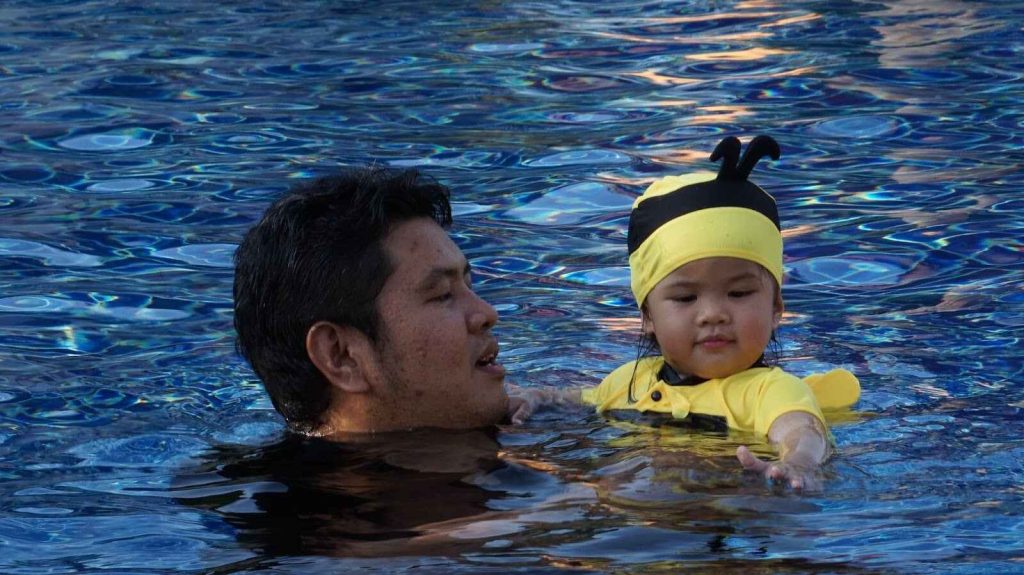
Once the basic movements kicking, arm strokes, and breathing are learned separately, the next step is bringing them together into a complete stroke. This process takes time, as coordinating multiple actions at once can feel challenging at first.
Beginners should focus on maintaining smooth, controlled movements rather than rushing through the technique.
Start With Simple Drills
One of the best ways to ease into full strokes is to practise with a kickboard, which provides support while focusing on arm movement. Swimmers can begin with freestyle arms while using a kickboard to stabilise their body position.
Once they feel comfortable, they can transition to swimming without any support, applying what they’ve learned in small sections at a time.
Encourage Short Distances First
Rather than swimming long laps immediately, it’s best to start with short distances to reinforce proper technique.
Swimming across the width of the pool or practising in a shallow area helps reduce fatigue and allows for better focus. As confidence grows, they can gradually increase their swimming distance, ensuring they maintain form and breathing rhythm.
Focus On Slow, Controlled Movements
Speed should never be the main priority for beginners. Smooth and well-coordinated strokes matter far more and rushing through movements often leads to poor technique and unnecessary exhaustion.
Encouraging swimmers to take their time, maintain proper breathing, and keep their movements steady sets a strong foundation for long-term improvement.
Conclusion On How To Teach Someone How To Swim
Teaching someone to swim is a rewarding experience that requires patience, encouragement, and a step-by-step approach. Breaking down each skill into manageable parts helps build confidence and makes learning more effective.
For those looking to improve their swimming or guide others, Swimhub offers structured programmes that focus on technique, endurance, and water safety. Our affordable swimming lessons in Singapore cater to both beginners and experienced swimmers, providing expert instruction in a supportive environment.
Start your swimming journey with Swimhub and develop skills that last a lifetime!
Frequently Asked Questions About How To Teach Someone How To Swim
What Should A Beginner Wear For Swimming Lessons?
A well-fitted swimsuit, goggles, and a swim cap (if needed) help a beginner feel comfortable and reduce distractions in the water. Avoid loose clothing, as it can create drag and make movement more difficult.
Is It Better To Teach Swimming In A Shallow Or Deep Pool?
Beginners should always start in a shallow pool where they can stand comfortably. This provides a sense of security and allows them to focus on learning without fear of deep water.
Should A Beginner Use Floatation Aids?
Floatation aids like kickboards or pool noodles can help build confidence and support proper body position. However, they should be phased out gradually to encourage independent swimming.
Are Private Or Group Lessons Better For Beginners?
Private lessons provide personalised attention and can be ideal for nervous learners, while group lessons offer social interaction and motivation. The choice depends on the swimmer’s comfort level and learning style.
How Can You Help Someone Overcome Fear Of Water?
Start with gentle exposure, such as letting them sit at the pool’s edge and splash water on their hands and face. Encouragement, patience, and gradual progress are key to building trust and reducing fear.
How Do You Teach Someone To Change Direction In The Water?
Start with simple turns using the pool wall before practising direction changes while floating or treading water. Teaching them to rotate their body smoothly using their arms and legs helps improve control.
