
Swimming lessons are important. No doubt about it. They help kids (and adults) learn how to stay safe in the water, build confidence, and develop real-life skills. But there comes a point when parents, guardians, or even the swimmers themselves start to wonder: When is it okay to stop swimming lessons?
The answer isn’t always simple. It depends on a few key factors. This guide breaks it all down in plain language, so it’s easier to figure out what makes sense for your situation.
Why Swimming Lessons Matter
Before jumping into when to stop, it helps to remember why swimming lessons for kids are so valuable in the first place.
- Drowning is one of the top causes of accidental death in children.
- Knowing how to swim can literally save a life.
- Lessons also boost confidence and help with coordination, breathing, and discipline.
So yeah, lessons matter. But that doesn’t mean someone has to stay in classes forever.
How to Know It Might Be Time to Stop
Here are a few clear signs that someone may be ready to move on from formal swimming lessons.
1. Basic Water Safety Skills Are Solid
Can the swimmer do these?
- Float on both back and front without help
- Swim across a standard pool (25 yards) without stopping
- Tread water for at least one minute
- Jump or fall in and recover without panicking
- Control breathing while swimming
If all of that sounds familiar, that’s a big sign that the most important skills have been learned.
Swimming isn’t about perfect strokes or fancy technique. It’s about being safe in the water. Once safety is covered, weekly lessons might not be necessary anymore.
2. The Swimmer Is Losing Interest
Not every class has to be fun all the time, but if a swimmer is starting to dread lessons or feels bored, that could be a sign.
Some kids hit a wall. They’ve learned the basics but aren’t interested in competing or doing advanced training. In that case, forcing more lessons might do more harm than good. Taking a break is totally fine.
3. Lessons Aren’t Challenging Anymore
If the swimmer is doing the same drills every week and not learning anything new, it might be time to level up or stop for now.
Sometimes, swimmers plateau. They’ve outgrown the current program, but there’s no next step available (or no interest in taking it). At that point, continuing lessons and teaching someone how to swim might feel like going in circles.
4. They Swim Regularly Outside of Class
Swimming lessons aren’t the only way to stay sharp. If someone swims often with family, practices at the local pool, or joins casual swim activities, that can help keep skills fresh.
In these cases, taking a break from structured lessons won’t hurt. What matters is staying active and using those skills often enough so they don’t fade.
5. Other Priorities Take Over
Schedules get busy. Maybe schoolwork is piling up, or another activity becomes the new focus. Life shifts sometimes, and that’s okay.
As long as the swimmer is water-safe, cutting back on lessons to make room for something else is completely reasonable.
When It’s Not a Good Time to Stop
There are also times when it’s better to stick with swimming lessons for a little longer. Here’s when to hold off on quitting:
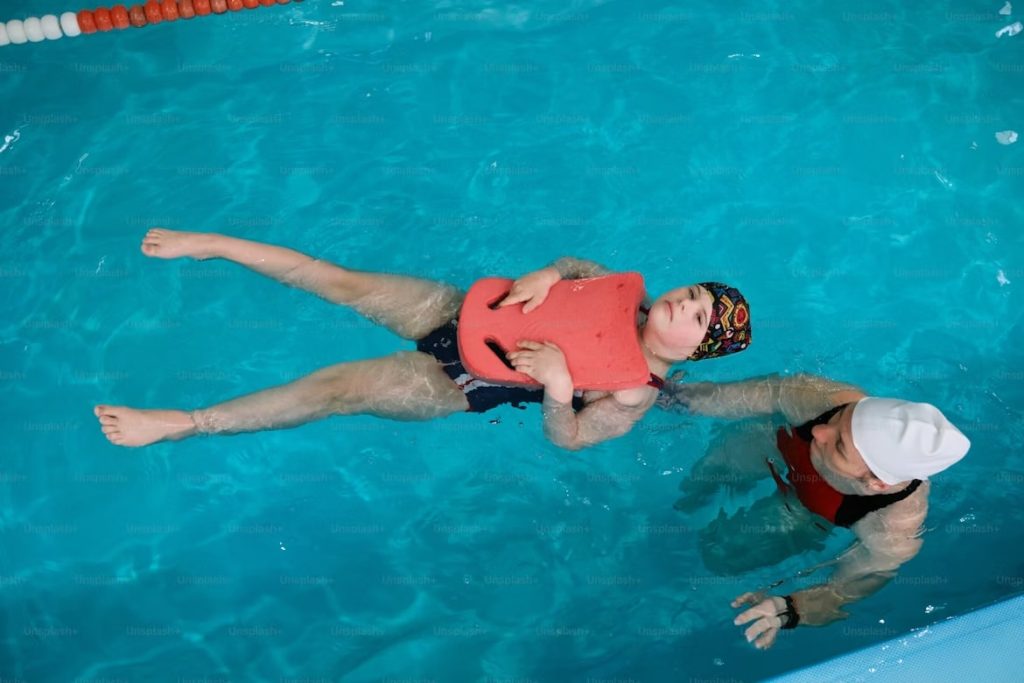
- The swimmer still panics when underwater or won’t put their face in
- They can’t swim without floating devices
- They don’t know how to react if they fall into deep water
- They’ve taken a long break and seem rusty
If any of that sounds familiar, a few more lessons could make a big difference.
What If the Swimmer Just Isn’t Into It?
This happens a lot. Especially with kids. Swimming can feel repetitive. Cold water, uncomfortable goggles, lap swimming, strict routines; it’s not everyone’s favourite thing.
But before quitting completely, it might help to:
- Switch instructors or swim schools
- Try a different type of class (smaller group, more games)
- Take a short break, then try again later
- Let the swimmer have more say in the decision
A little change can go a long way in keeping interest alive.
Swimming Doesn’t Have to End Forever
Here’s the good news. Stopping lessons doesn’t mean giving up on swimming.
Plenty of people take breaks. Some stop for years, then return for lifeguard training, swim team, or just to get back in shape. Skills can be picked up again.
The key is making sure the foundation is strong before stepping away.
Quick Checklist Before Stopping
Use this simple list as a gut check:
- Can they float and tread water without help?
- Can they swim one pool length confidently?
- Can they stay calm if they fall into deep water?
- Are they using the skills outside of class?
- Are they losing interest or outgrowing the current program?
If most of the answers are “yes,” it’s probably okay to stop lessons.
Conclusion On When Is It Okay To Stop Swimming Lessons
Stopping swimming lessons is a personal decision. It depends on safety, confidence, and goals, not just age or how many classes someone’s taken.
The best plan is to make sure the swimmer feels ready, not just bored or tired. And if there’s any doubt, talk to the instructor. Most coaches are honest and can guide the next steps.
Swimming is a lifelong skill. Once it’s locked in, it’s something that stays with you. So, whether the lessons stop now or later, what matters most is this: being safe and comfortable in the water. That’s the real finish line.
Ready to build strong swimming skills in a fun, safe environment? Check out SwimHub’s trusted swimming lessons in Singapore for all levels.
Book a class today by getting in touch with us!
Frequently Asked Questions About When It Is Okay To Stop Swimming Lessons
How Do I Know My Child Is Water Safe?
If your child can float, tread water, swim a full pool length, and stay calm after falling in, they are likely water safe.
Is It Okay to Stop Lessons If My Child Is Bored?
Yes, boredom can be a sign they’re ready to move on or need a different class style. Switching things up can help, too.
Can My Child Forget Skills If We Stop Lessons?
Yes, without regular practice, some skills may fade. Try to swim occasionally to keep things fresh.
Should My Child Join a Swim Team After Lessons?
Only if they enjoy swimming and want more challenge. It’s not required, but it can help improve skills.
Is There a Best Age to Stop Swimming Lessons?
There is no exact age. The right time depends on skill level, confidence, and comfort in the water.
