

Learning how to float is one of the first and most important skills in swimming. Whether you’re an adult overcoming fear of water or a child just starting, knowing how to stay calm and balanced is the foundation for every stroke you’ll learn. One technique that plays a big role in this early learning stage is the Pronefloat.
The Pronefloat might sound technical, but it’s a simple body position that helps new swimmers gain confidence, improve their body alignment, and prepare for future swimming movements. If you’re just getting started or teaching someone else, this guide will explain what the Pronefloat is, how it works, and how to practise it properly.
What Is the ProneFloat?
The Pronefloat is a basic floating position used in beginner swim instruction. It helps swimmers learn how to maintain a horizontal body position in the water while staying relaxed and supported. The “L” in the name refers to the positioning of the limbs: one arm is extended forward (like the vertical part of an L), while the legs and the other arm provide support and balance.
This position is typically done face-down, with the swimmer’s face in the water, learning to trust the buoyancy of the body and control breathing. It teaches body awareness and encourages calmness in the water, something every swimmer needs before they can master any strokes.
Why the ProneFloat Matters
If you’ve ever felt tense while trying to stay afloat, you’re not alone. Many beginners struggle with the feeling of sinking or panicking when they can’t touch the floor. The Pronefloat helps break through that fear by encouraging a low-effort, stable position. Here’s why it matters:
- It builds water confidence early on
- It teaches correct body alignment
- It lays the foundation for freestyle drills and other stroke work
- It gives you a moment of calm to practise breathing techniques
- It helps prevent unnecessary energy use and tension
Mastering this float is a key step toward becoming a more relaxed and capable swimmer.
Step-by-Step Guide: How to Do the ProneFloat
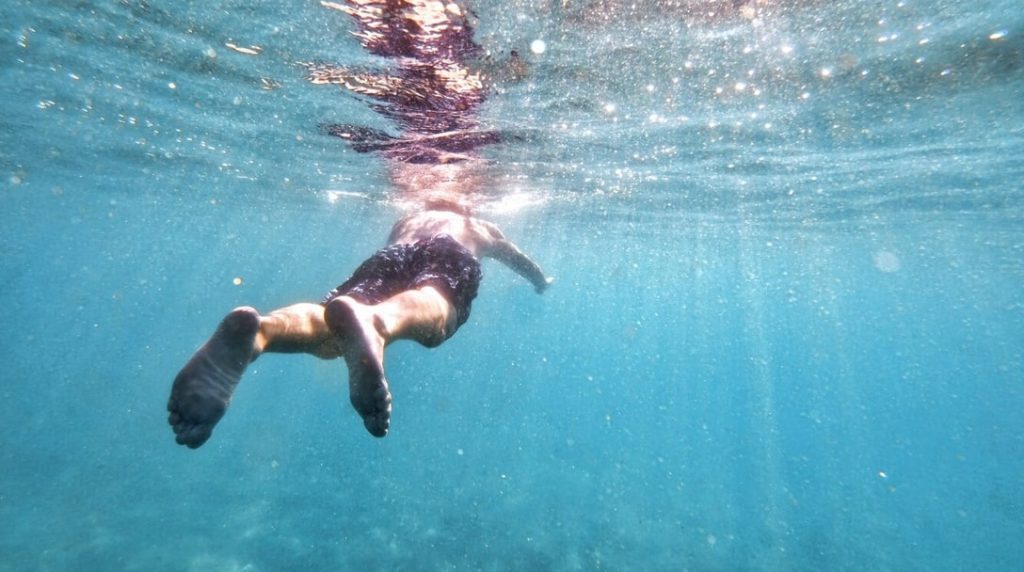
Now let’s break down how to practise the Pronefloat safely and effectively.
Step 1: Enter the Water Calmly
Choose a shallow area of the pool where you feel secure. Start by standing or kneeling, then take a breath and gently lower yourself into a prone (face-down) position.
Step 2: Extend One Arm Forward
Stretch your dominant arm forward so it is fully extended in front of your head. Your hand should be flat, palm down, just under the water’s surface.
Step 3: Position the Other Arm Along Your Side
Let your non-dominant arm rest straight along your side. This creates the “L” shape with your arms and helps stabilise your body.
Step 4: Keep Legs Straight and Toes Pointed
Let your legs float naturally behind you, straight and relaxed. Keep your toes pointed and avoid kicking for now; this float is about stillness and balance.
Step 5: Face in the Water, Head Neutral
Place your face in the water with your eyes looking down and your neck relaxed. Avoid craning your neck or lifting your head. Your head should be in line with your spine, helping you float more naturally.
Step 6: Relax and Breathe
Try to hold this position for a few seconds at first. As you improve, practise lifting your head briefly to breathe, or rolling gently to the side, applying proper breathing techniques.
Tips for Success
Learning to float doesn’t happen instantly. Be patient with your body and try these tips:
- Use flotation aids at first, like kickboards or pool noodles, to gain confidence
- Practice in warm water, which helps your body feel more buoyant and relaxed
- Exhale into the water to avoid holding your breath and tensing up
- Wear well-fitted swimming caps to keep hair from getting in your face and distracting you
- Ask a coach or partner to guide your arms and legs gently into position until it becomes muscle memory
Common Mistakes to Avoid
Even in something as simple as a float, habits can hold you back. Watch out for:
- Lifting the head too high, which sinks the hips and ruins balance
- Over-kicking or moving too much, which creates unnecessary resistance
- Tight, stiff posture, which causes you to sink faster, relaxation is key
- Incorrect arm placement, which throws off the balance of the L shape
And don’t forget to rinse off well after swimming to prevent skin irritation or swimmer’s itch, especially in outdoor pools or lakes.
How the ProneFloat Helps in Progression
Once you’re confident with the Pronefloat, you can use it as a base to move into:
- Glide drills
- Front crawl (freestyle) kicks
- Side-breathing practices
- Basic rescue techniques
Because of its simplicity, many instructors use it to transition learners into more dynamic movements like flutter kicks and freestyle drills.
Conclusion on Prone Float in Swimming
The Pronefloat is one of the most overlooked but essential tools in the swimming toolkit. It teaches new swimmers how to stay calm in the water, how to align the body, and how to start breathing comfortably while floating. By mastering this technique, you create a strong foundation for everything from front crawl to endurance training.
At SwimHub, we focus on helping swimmers of all levels develop water confidence and proper technique. Whether you’re just starting your journey or looking to refine your form, our coaches are here to guide you step by step during your swimming lessons in Singapore.
Schedule your first training session today!
Frequently Asked Questions About Prone Float in Swimming
What Is the ProneFloat?
The Pronefloat is a face-down floating technique where one arm is extended forward and the other stays by your side. It teaches balance, body alignment, and relaxation in the water.
Who Should Learn the ProneFloat?
It’s ideal for beginners, especially those who feel nervous in the water. It’s often used in swim schools to help students build water confidence and body control.
How Long Should I Hold the ProneFloat?
Start with a few seconds and gradually increase your time as your comfort improves. Focus more on control than duration in the beginning.
Can the ProneFloat Help Me Learn Freestyle?
Yes. It improves your horizontal alignment and introduces the basic body position used in front crawl, making it easier to transition into freestyle later on.
Do I Need Any Equipment to Practice?
You don’t need much, just a safe pool, and optionally a kickboard or flotation aid. Wearing swimming caps can also help by keeping hair out of your face.
